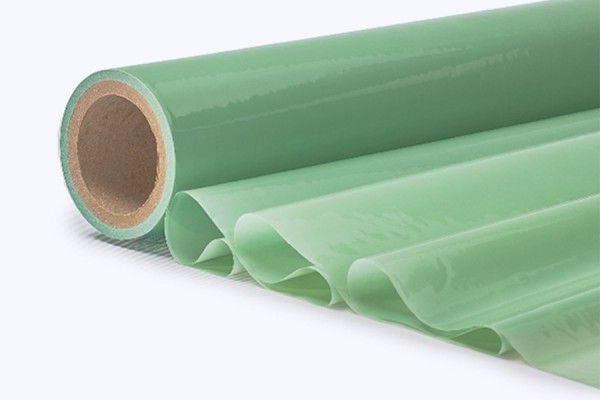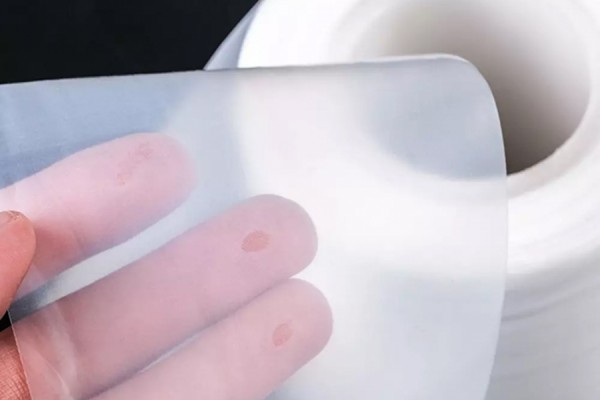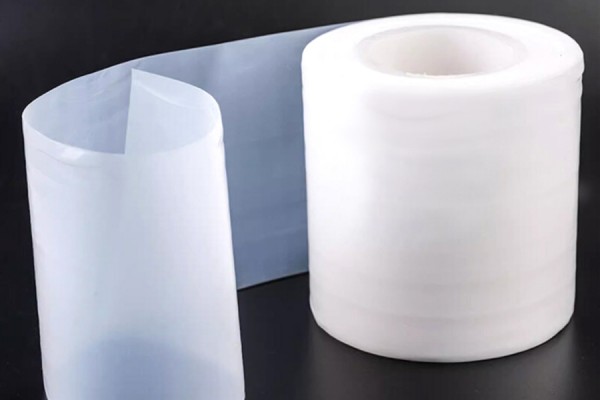
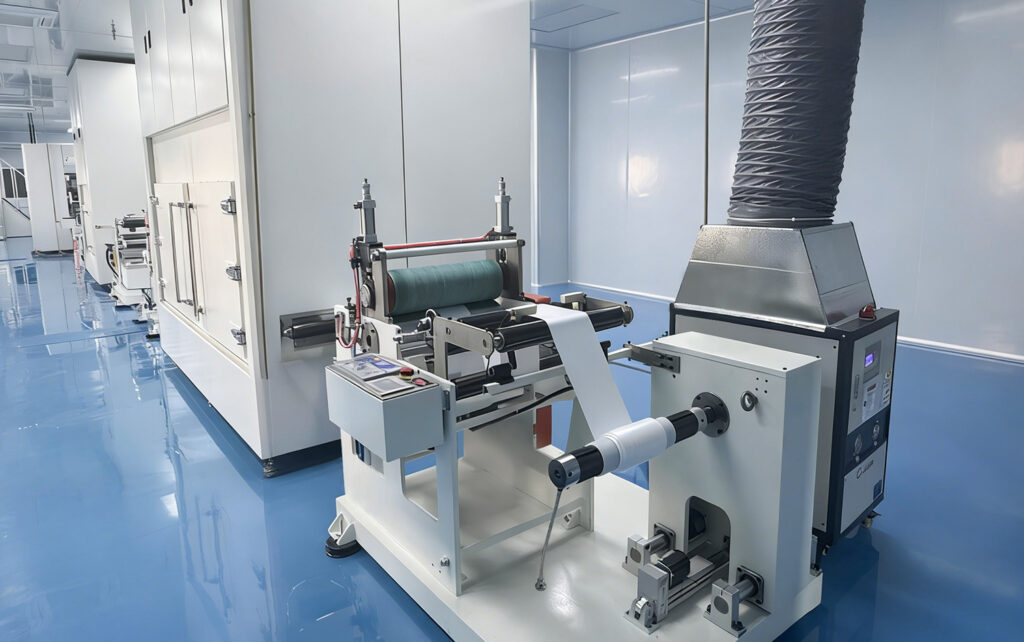
What is PTFE?
Polytetrafluoroethylene, universally recognized by its famous brand name Teflon® (a trademark of Chemours), is a synthetic fluoropolymer with a unique molecular structure that grants it a set of extraordinary properties. Discovered serendipitously by Roy Plunkett at DuPont in 1938, PTFE has evolved from a laboratory curiosity to a cornerstone material in modern industry. At its core, PTFE is a long-chain polymer consisting of carbon atoms fully shielded by fluorine atoms. This robust carbon-fluorine bond is one of the strongest in organic chemistry, forming the foundation of PTFE’s legendary performance.
Key Properties and Characteristics
PTFE’s value lies in its unparalleled combination of physical and chemical traits, making it a “go-to” material for solving extreme engineering challenges.
1. Unmatched Chemical Inertia
PTFE is virtually unaffected by almost all industrial chemicals and solvents. It is highly resistant to strong acids, bases, and oxidizing agents, making it ideal for seals, linings, and components in aggressive chemical processing environments.
2. Exceptional Thermal Stability
PTFE maintains its properties across a vast temperature range, from as low as -200°C (-328°F) up to +260°C (+500°C). This makes it reliable in applications from cryogenic systems to high-temperature industrial processes.
3. The Lowest Coefficient of Friction
Possessing the lowest coefficient of friction of any known solid material, PTFE surfaces are extremely slippery. This property is key to its non-stick applications (like cookware) and for bearings and slide plates where minimal friction is critical.
4. Excellent Dielectric Properties
As an outstanding electrical insulator with a high dielectric strength, PTFE is widely used in wiring, especially for high-frequency and high-temperature applications like aerospace and computer hardware.
5. Hydrophobic and Non-Wetting
PTFE repels both water and oils. Its surface is not easily wetted, which contributes to its stain resistance and self-cleaning potential in architectural fabrics and filtration membranes.
6. Biocompatibility
For medical applications, certain grades of PTFE are inert within the body, leading to its use in implants such as vascular grafts.
Common Applications Across Industries
- Consumer Goods: The most famous application is as a non-stick coating for cookware.
- Industrial & Chemical: Used for gaskets, seals, pump parts, and lining for pipes and valves handling corrosive substances.
- Electrical: Insulation for wires and cables, particularly in data, aerospace, and semiconductor manufacturing.
- Medical: Implants, catheters, and surgical tools due to its biocompatibility and lubricity.
- Textiles: Expended PTFE (ePTFE) membranes are used in high-performance waterproof, breathable fabrics (like in outdoor jackets) and filtration systems.
Conclusion
PTFE is a material of extremes. Its remarkable blend of chemical resistance, thermal stability, and unique surface properties has cemented its role as a critical enabling material across dozens of industries. From the frying pan in your kitchen to the wiring in a Mars rover, PTFE’s versatility and reliability continue to make it an indispensable part of technological advancement. When facing a problem involving harsh chemicals, extreme temperatures, or a need for supreme slippage, PTFE often provides the solution.