

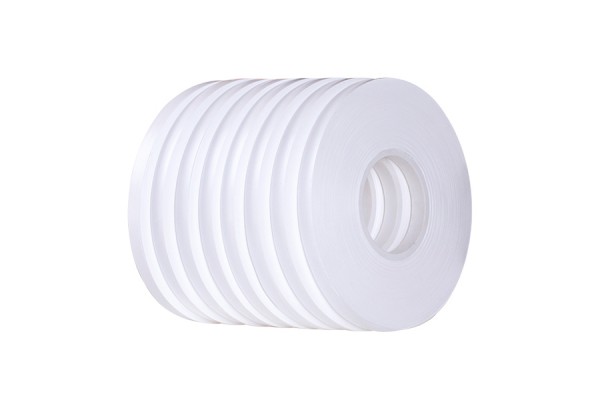
main Takeaways
PTFE raw material tape offers a unique combination of properties that make it indispensable across various industries. Its remarkable chemical resistance ensures that it can withstand aggressive environments, providing a reliable option for applications in electronics and automotive systems. The low friction characteristics boost performance, particularly in moving parts where wear reduction is critical. As manufacturers continue to innovate, improvements in production techniques are helping to achieve greater consistency and quality in PTFE products, meeting the rising demands of sectors such as aerospace and medical technology. Selecting the appropriate type of PTFE tape involves careful consideration of thickness, density, and thermal stability to ensure optimal functionality in specific applications. This versatility underscores the growing importance of PTFE tape as industries seek advanced solutions for modern engineering challenges.
Properties of PTFE Raw Material Tape
PTFE raw material tape is characterized by its exceptional chemical resistance, making it suitable for challenging environments where exposure to corrosive substances is common. The low friction properties of this tape improve its performance in applications requiring smooth movement and reduced wear. Made from high-density PTFE, it provides superior thermal stability, tolerating a wide range of temperatures without degrading. This durability is particularly important in high-speed transmission line PTFE wrapping tape and various cable applications, such as PTFE cable wrapping tape and PTFE Thread Seal Tape.
The micro-porous structure found in some variations, like low-density PTFE film, contributes to low dielectric constant behavior, essential for high-frequency applications. Furthermore, advancements in manufacturing techniques have resulted in improved thickness consistency and stability across product lines. This enhancement bolsters the usability of PTFE in high-tech sectors, including automotive and aerospace technology. Specific products like DAC high-speed cable wrapping film exhibit these properties effectively, ensuring reliable performance across multiple applications while maintaining electrical integrity. This versatility reflects the growing demand for original solutions that leverage the inherent characteristics of PTFE materials in the industry.
Applications of PTFE in Electronics
PTFE raw material tape is extensively used in the electronics sector due to its excellent insulating properties and durability. This tape is particularly advantageous in applications where chemical exposure and temperature fluctuations are a concern. For instance, PTFE tape is ideal for insulating wires and connectors, ensuring reliable performance in circuits. Its non-stick surface property helps to prevent dust accumulation on components, enhancing the longevity of electronic devices. Moreover, PTFE’s low friction characteristics make it suitable for use in switches and other moving parts within electronic assemblies, improving efficiency while reducing wear and tear. Manufacturers benefit from PTFE in producing high-frequency circuits because its low dielectric constant minimizes signal loss. As electronic devices become more complex and compact, the demand for reliable insulation solutions like PTFE tape continues to rise, making it a vital component across various electronic applications.
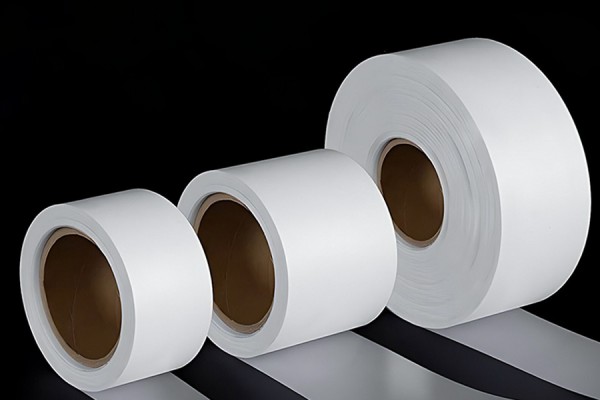
PTFE Tape Usage in Automotive Industry
PTFE raw material tape is instrumental in the automotive industry, where its unique properties meet the demands of complex applications. Its low friction characteristics are particularly useful for components that require smooth operation, such as seals and bearings. also, PTFE tape’s exceptional chemical resistance makes it suitable for use in harsh environments, protecting critical automotive systems from damaging fluids and temperature extremes. It is commonly implemented for insulating wiring, ensuring reliable electrical connections while safeguarding against moisture and contaminants. Furthermore, manufacturers increasingly utilize PTFE tapes in assembly processes, providing a non-stick surface that facilitates easier handling of components during production. As vehicles become more technologically advanced, the need for durable materials like PTFE raw material tape continues to grow, reinforcing its role as a important element in automotive innovation and reliability.
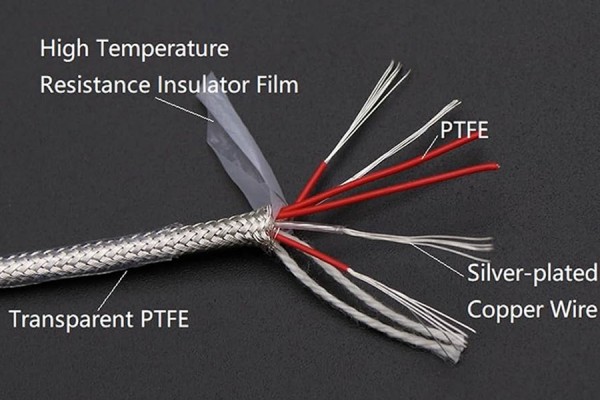
Chemical resistance of PTFE Materials
PTFE materials are recognized for their exceptional chemical resistance, making them suitable for a wide array of applications. This fluoropolymer can withstand exposure to many harsh chemicals, including acids, bases, and solvents, without significant degradation. The stable molecular structure of PTFE contributes to its inertness, allowing it to maintain performance integrity even in extreme environments. This resistance becomes important in industries that handle corrosive substances, thereby ensuring safety and longevity of components. PTFE raw material tape is particularly beneficial in sealing applications where exposure to chemicals could compromise other materials. Its reliability under stress underscores its importance in sectors like electronics and automotive manufacturing. By effectively preventing chemical interactions that could lead to failure, PTFE tape enhances operational efficiency and reduces maintenance costs across numerous applications.
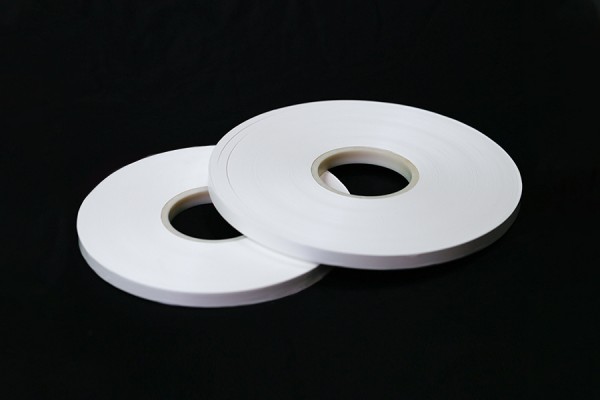
Low friction features of PTFE Tape
PTFE tape is recognized for its exceptional low friction characteristics, making it ideal for numerous applications where sliding or moving parts are involved. The unique molecular structure of PTFE contributes to its ability to reduce friction significantly between surfaces, which is particularly beneficial in mechanical systems. This property allows PTFE tape to function effectively in environments where traditional materials might wear out quickly, ensuring longevity and reliability. In situations requiring reduced resistance, such as in bearings, seals, and gaskets, PTFE tape provides a smooth interface that minimizes wear on critical components. Its low coefficient of friction promotes energy efficiency by decreasing energy loss due to friction, making it a preferred choice in applications across varied sectors including electronics and automotive industries. Moreover, the chemical inertness of PTFE maintains its properties in various challenging conditions, further enhancing its utility as a low-friction material. This combination of features underscores the versatility and performance reliability of PTFE tape in modern engineering.
Manufacturing advances in PTFE Tape
Recent advancements in the manufacturing of PTFE tape have significantly improved product quality and performance. Utilizing state-of-the-art machinery and techniques, manufacturers have achieved greater thickness consistency and enhanced material stability. This is particularly important for applications across various sectors, including electronics, automotive, and aerospace. Enhanced manufacturing processes allow for higher precision in production, ensuring that the tape meets stringent industry standards for chemical resistance and low friction properties. Moreover, innovations in extrusion and skiving methods have expanded the range of PTFE tape products available, allowing for tailored solutions to specific industrial needs. These developments not only boost production efficiency but also contribute to a more competitive market by offering high quality domestically produced tapes that can rival imported options. As a result, manufacturers are better positioned to meet rising demand while maintaining strict compliance with safety and regulatory guidelines inherent in industries such as medical device manufacturing and telecommunications.
Versatility of PTFE in Aerospace Projects
PTFE plays a vital role in aerospace projects due to its remarkable combination of properties. Its lightweight nature contributes to overall weight reduction, which is a important factor in aircraft design. PTFE’s exceptional thermal stability allows it to perform effectively in extreme temperature environments typically found in aerospace applications. This makes it suitable for use in insulation, seals, and gaskets that meet the demanding requirements of high-performance aircraft systems. The chemical resistance of PTFE ensures that components maintain integrity and performance, even when exposed to aggressive fuels and solvents commonly used in aviation. In addition, the low friction characteristics facilitate smoother operations in machinery and moving parts, reducing wear and prolonging lifespan. As aerospace technology advances, the adaptability of PTFE continues to support original designs and applications, making it a main material across various aerospace systems including communication equipment, engine parts, and structural components. Its ability to perform under challenging conditions highlights its significance within this industry.
Selecting the Right PTFE Raw Material Tape
Choosing the appropriate PTFE raw material tape hinges on specific application requirements and performance standards. Consider factors such as thickness, density, and adhesive properties. Low-density PTFE tapes are ideal for applications requiring flexibility and low dielectric constants, whereas high-density tapes offer superior chemical and electrical resistance suited for demanding environments. Assessing the temperature range and chemical exposure levels is essential for ensuring long term durability. Industries such as automotive and aerospace often require compliance with stringent specifications, necessitating a thorough understanding of the tape’s mechanical strength and thermal stability. Moreover, evaluating manufacturing processes can provide insights into potential variations in quality; finding a reliable supplier with advanced production techniques can improve consistency in product performance. Testing samples under real-world conditions also helps in confirming that the selected tape aligns with operational expectations and safety regulations.
Conclusion
PTFE raw material tape stands out due to its blend of unique properties, making it a important element in various industries such as electronics, automotive, and aerospace. Its outstanding chemical resistance and low friction qualities boost performance across numerous applications, ensuring durability and reliability in harsh environments. As technological advancements continue to emerge, the versatility of PTFE tape allows it to adapt effectively to the evolving demands of these sectors. Choosing the right type is essential for maximizing its performance, with considerations like thickness and adhesive properties playing critical roles. The ongoing development of manufacturing techniques also promises better quality and consistency in PTFE products, supporting a more competitive scene. As industries lean towards optimized solutions, the role of PTFE raw material tape will expand further, driven by its proven effectiveness and the push for original applications in modern engineering challenges.
FAQs
What is PTFE raw material tape?
PTFE raw material tape is a type of tape made from polytetrafluoroethylene, known for its exceptional chemical resistance and low friction properties.
In which industries is PTFE tape commonly used?
PTFE tape is widely used in industries such as electronics, automotive, aerospace, and chemical processing due to its versatility and durability.
How does the chemical resistance of PTFE boost its applications?
The chemical resistance of PTFE allows it to withstand exposure to harsh chemicals without degrading, making it ideal for sealing and insulating in corrosive environments.
What factors should be considered when selecting PTFE raw material tape?
When selecting this, consider thickness, density, adhesive properties, temperature range, and compatibility with the chemicals involved in the application.
Can PTFE tape be used for high-temperature applications?
Yes, PTFE tape has excellent thermal stability and can perform effectively in high-temperature environments, making it suitable for various demanding applications.


