

important Takeaways
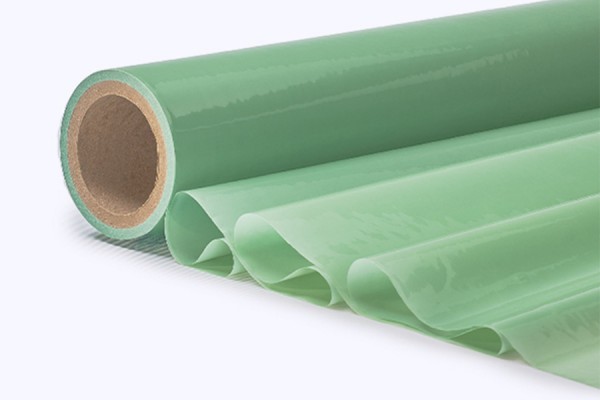
PTFE high-speed cable film stands out for its impressive range of beneficial properties, making it indispensable in today’s high-performance environments. Its exceptional thermal resistance allows it to reliably function under temperatures spanning from -200°C to +260°C, essential for operations in aerospace and automotive sectors. The film’s durability and resistance to harsh chemicals ensure that cable assemblies can endure the rigorous challenges of these industries, maintaining integrity over time. Another significant aspect is its effectiveness in electromagnetic shielding, which is important for preserving signal integrity in high-speed data transmission scenarios. The low dielectric constant enhances performance by minimizing signal loss, particularly important for advancements in 5G communications. These qualities collectively stress PTFE film’s role as a trusted solution for modern wiring needs. As industries increasingly rely on robust materials capable of withstanding extreme environments, PTFE high-speed cable film continues to emerge as a vital asset, supporting technological growth and operational reliability across various applications.
Outstanding features of PTFE Cable Film
PTFE high-speed cable film is recognized for its remarkable characteristics that contribute greatly to its performance in critical applications. One of the primary advantages is its exceptional thermal resistance, enabling operation across a wide temperature range from -200°C to +260°C, withstanding brief exposure to 300°C. This thermal stability makes it an ideal choice for extreme environments found in aerospace and automotive sectors. The lightweight structure of PTFE wrapping film enhances flexibility while ensuring durability, critical for high-speed transmission line PTFE wrapping tape where weight savings are essential. Furthermore, the superior tensile strength and durability achieved through advanced composite designs surpass conventional materials. Another main feature is its low dielectric constant due to its microporous design, optimizing signal transmission and minimizing signal attenuation in high-frequency applications. This quality is important for RF and microwave communication cables, making PTFE cable rolling coating a vital component in modern communication infrastructure. The film’s ability to provide reliable electromagnetic shielding protects sensitive data from interference, solidifying its role in the rapidly advancing 5G technology scene.

Importance of Thermal Resistance in Cable Applications
Thermal resistance is essential to the performance of cable applications, particularly in environments where temperature extremes are a given. PTFE high-speed cable film excels in this domain, operating efficiently within a broad temperature range from -200°C to +260°C, while being able to withstand brief spikes up to 300°C. This capacity ensures that cables maintain reliable functionality even when exposed to high-heat conditions commonly found in automotive and aerospace applications. The low thermal expansion coefficient of PTFE helps retain structural integrity under thermal stress, thus minimizing signal degradation. Effective heat management is important for preventing premature failure and ensuring longevity in high-stakes environments. As industries increasingly demand performance under intense conditions, the presence of robust thermal resistance in PTFE cables becomes not just an enhancement but a necessity for ensuring safety and operational reliability across diverse applications.
Durability and Chemical Resistance of PTFE Film
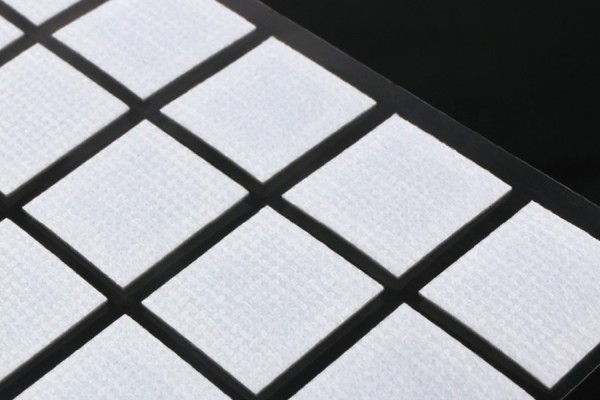
PTFE film is recognized for its exceptional durability and chemical resistance, making it suitable for various demanding applications. This material exhibits outstanding capabilities in resisting degradation when exposed to harsh chemicals, solvents, and temperature fluctuations. Unlike traditional materials, PTFE maintains its integrity over extended periods, offering reliable performance even in extreme working conditions. The film’s robust structure helps prevent physical wear caused by abrasion and environmental factors, contributing to a longer lifespan of cable assemblies. Its ability to withstand corrosive environments is particularly beneficial in industries like aerospace and automotive, where wires face significant exposure to oils, fuels, and other aggressive substances. This resilience ensures that PTFE cable films can deliver consistent electrical performance while minimizing the risks associated with cable failure due to chemical damage. Overall, the durability and chemical resistance of PTFE film play a important role in enhancing the reliability of high-speed cables used across various sectors.
Electromagnetic shielding in High-Speed Cables
Electromagnetic shielding is a important feature of PTFE high-speed cable film, providing substantial protection against electromagnetic interference (EMI). This quality is particularly important in high-speed data transmission, as external electromagnetic fields can disrupt signal integrity and lead to data loss or corruption. The inherent properties of PTFE contribute to its effectiveness in shielding applications. Its low dielectric constant and high thermal stability reduce signal attenuation while maintaining flexibility. As a result, PTFE cable film minimizes disruptions, ensuring reliable performance in various environments. Moreover, the film’s composite structure enhances its shielding capabilities without adding significant weight, making it ideal for both aerospace and automotive applications where weight savings are paramount. The ability to withstand extreme temperatures further solidifies PTFE’s role in demanding settings, such as 5G communication systems and other high-frequency technologies that require consistent performance under adverse conditions. By incorporating PTFE high-speed cable film into their designs, manufacturers can achieve enhanced data transmission efficiency and reliability, critical for modern electronic applications.
Applications of PTFE Film in Aerospace Industries
PTFE high-speed cable film plays a critical role in the aerospace industry due to its exceptional thermal resistance and lightweight properties. Aerospace applications often involve extreme temperatures and challenging environmental conditions, making reliable materials essential. The film’s ability to operate within a temperature range from -200°C to 260°C, withstanding brief exposure up to 300°C, allows it to meet the rigorous demands of aircraft wiring and electronic systems. also, its excellent electromagnetic shielding capabilities protect sensitive avionics from interference, enhancing the overall safety and performance of aerospace vehicles. The durability of PTFE film also contributes to its suitability in applications exposed to harsh chemicals and mechanical stress, which are common in aerospace environments. As a result, this material is widely used in insulation layers for high-speed data transmission cables as well as in communication systems vital for navigation and control tasks.
High-Speed Data Transmission with PTFE Film
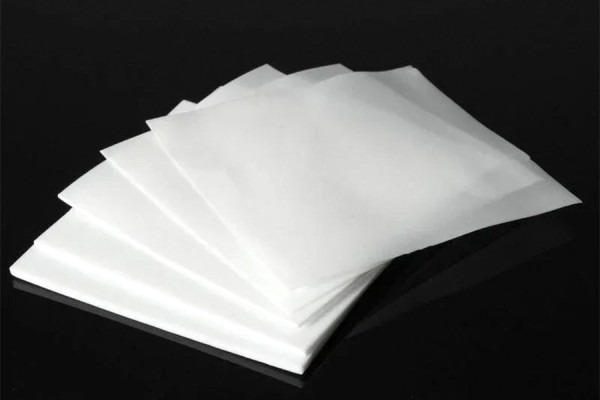
PTFE high-speed cable film is essential for ensuring efficient data transmission in various applications. Its low dielectric constant contributes to reduced signal loss, making it ideal for high-frequency environments such as RF and microwave communications. This characteristic allows data to travel faster and with greater integrity, which is important for applications demanding rapid and reliable information exchange, like 5G networks. Furthermore, the film’s thermal stability ensures that it maintains functionality under extreme temperatures, preventing potential degradation that can lead to data interruptions. The flexibility of PTFE film also facilitates easy installation in tight spaces without compromising performance. By maintaining consistent electrical properties across different conditions, PTFE high-speed cable film supports high-speed transmissions that meet the increasing demands of modern technology infrastructure, particularly in data centers where speed and reliability are paramount.
Utilizing PTFE in Automotive Wiring Solutions
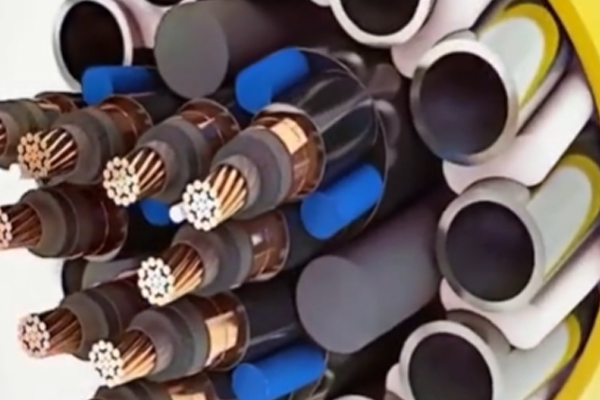
PTFE high-speed cable film plays a significant role in automotive wiring solutions due to its unique properties. Its excellent thermal stability allows cables to operate effectively in the demanding heat of engine compartments. The temperature resistance of PTFE, which spans from -200°C to +260°C and can withstand up to 300°C briefly, ensures that automotive wiring remains intact and functional under extreme conditions. also, the film’s lightweight structure aids in reducing overall vehicle weight, contributing to better fuel efficiency and performance.
Furthermore, the corrosion resistance inherent in PTFE protects against harsh chemicals and environmental factors often present in automotive settings. This durability is important for maintaining long term reliability in electrical systems and preventing failures due to exposure to contaminants. The superior electromagnetic shielding capabilities offered by PTFE also ensure that sensitive signals remain stable, reducing interference from surrounding electronic devices. As automotive technology evolves with advancements like electric vehicles and detailed electronic systems, incorporating PTFE high-speed cable film into wiring solutions enhances safety and efficiency while supporting the future of automotive innovation.
Challenges of Extreme Environments for Cable Films
PTFE high-speed cable films face significant challenges when subjected to extreme environments, where factors such as high temperatures, moisture, and chemical exposure can compromise their performance. In aerospace applications, for instance, cables must withstand temperatures that can fluctuate dramatically, often exceeding 200°C during operation. This necessitates exceptional thermal stability to prevent degradation of insulation properties. Similarly, in automotive settings, cables encounter exposure to fuel, oil, and other corrosive substances that can weaken standard materials. The microporous structure of PTFE offers a distinct advantage in these scenarios by providing resilience against chemical attacks and maintaining its integrity under prolonged stress.
Moreover, electromagnetic interference (EMI) is a prevalent issue in environments with high-frequency signals. The effectiveness of PTFE film in shielding against EMI is vital for ensuring reliable data transmission in communication applications like 5G base stations. The need for low signal attenuation in these scenarios highlights the importance of robust materials capable of handling not just the thermal extremes but also the electrical demands associated with modern technology. As industries continue to push the limits of performance under challenging conditions, PTFE high-speed cable films stand out for their ability to meet rigorous requirements while ensuring operational reliability.
Conclusion
PTFE high-speed cable film represents a significant advancement in materials designed for critical applications across various industries. Its exceptional thermal resistance, durability, and electromagnetic shielding capabilities address the challenges presented by extreme environments, ensuring reliable performance in aerospace, automotive, and communication sectors. The ability to operate effectively within a broad temperature range enhances its utility in high-stakes conditions where failure is not an option. also, PTFE’s resistance to chemical degradation and its lightweight nature are essential for modern applications that demand efficiency and longevity. As the reliance on high-speed data transmission continues to grow, particularly with technologies like 5G, the role of PTFE high-speed cable film becomes increasingly vital in promoting sustained connectivity and performance integrity across numerous platforms. The versatility and reliability of this material solidify its importance in evolving technological landscapes.
FAQs
What is PTFE high-speed cable film?
PTFE high-speed cable film is a specialized material known for its thermal resistance, durability, and electromagnetic shielding properties, making it ideal for applications in extreme environments.
Why is thermal resistance important for cable applications?
Thermal resistance ensures that cables maintain their functionality across varying temperature ranges, preventing signal degradation and failure in environments like aerospace and automotive where temperature fluctuations are common.
How does PTFE film resist chemical damage?
PTFE film exhibits exceptional chemical resistance, maintaining its integrity when exposed to harsh chemicals and solvents, which are often encountered in industrial settings.
What are the benefits of electromagnetic shielding in PTFE cables?
Electromagnetic shielding prevents signal interference, ensuring reliable data transmission in high-speed applications such as 5G communication by safeguarding against external electromagnetic fields.
In which industries is PTFE cable film commonly used?
PTFE high-speed cable film is widely utilized in aerospace, automotive, and telecommunications sectors, particularly where reliable performance under extreme conditions is essential.


