

important Takeaways
original ePTFE membranes are transforming fuel cell technology with their remarkable attributes. These membranes achieve high proton permeation rates, which are essential for ensuring effective energy conversion. The ability to block unwanted gases enhances the overall efficiency of fuel cells, contributing to a more reliable and long-lasting performance. Their durable nature means that ePTFE membranes can withstand harsh operating conditions, thus extending the lifespan of the fuel cells they serve. An important aspect of these membranes is their role in improving energy systems, as they enable better management of reactants and byproducts within the cells. As research progresses, future trends indicate an ongoing focus on enhancing membrane technology to further optimize energy efficiency and performance in various applications related to fuel cells. These advancements reflect a significant step forward in making fuel cell systems more viable for widespread use in renewable energy solutions.
Advanced ePTFE Membrane Features
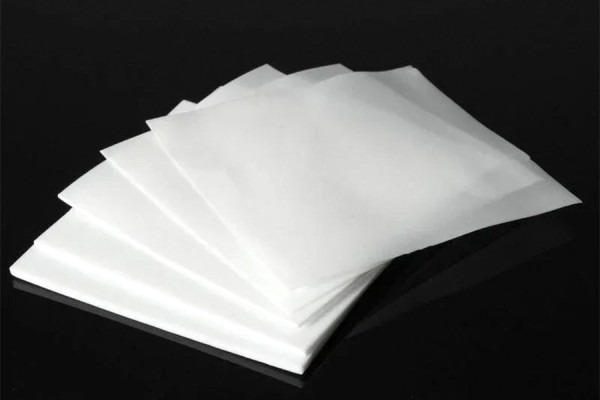
The advanced features of ePTFE membranes significantly boost their suitability for fuel cell applications. These membranes possess a thickness of 0.02 mm, allowing for optimal deployment in various fuel cell systems. A main characteristic is their high proton permeation rate, which is essential for promoting efficient reactions within the cell. With a gas permeability measurement of ≥1200 cm/cm/min at 7 Kpa, these membranes ensure effective gas transportation while maintaining water penetration pressures of ≥3000 mmH2O. also, the porosity level reaches 70%, balancing gas transmission with the necessary liquid blocking capabilities that prevent water flooding in the fuel cells.
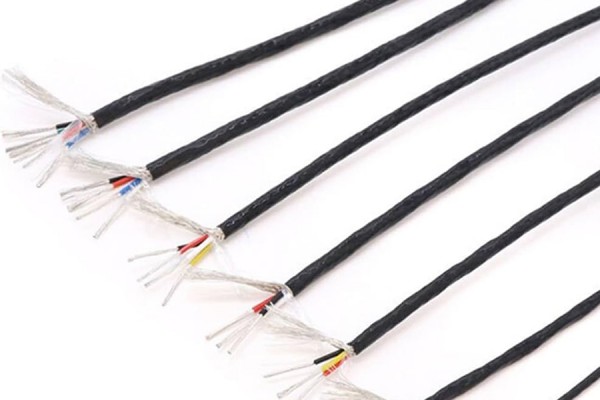
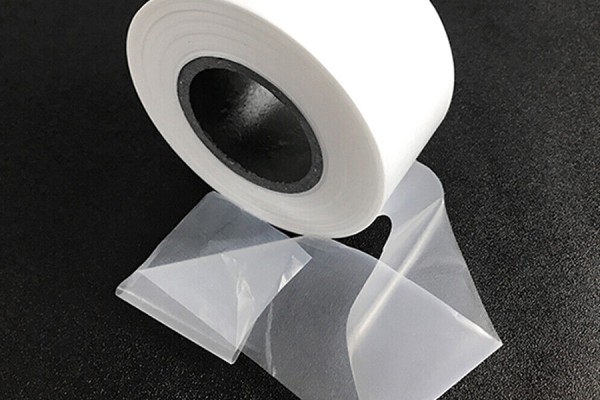
These enhancements contribute to the improved efficiency and longevity of fuel cells, as rapid proton conduction leads to higher current density and reduced energy loss. The design also supports applications that prioritize high-speed transmission and response times, akin to those seen with products like high speed transmission line PTFE wrapping tape and PTFE wrapping film used in electrical systems. This synergy positions ePTFE membranes as a cornerstone in modern energy solutions, aligning with technological advancements in sectors like automotive and aerospace where reliability under stringent conditions is critical.
Significance of Proton Permeation Rates
Proton permeation rates are key for the performance of fuel cells, directly influencing their efficiency and output. High proton permeability enables rapid movement of protons through the ePTFE membrane, facilitating quicker electrochemical reactions. This efficiency translates into higher current densities, which enhances the overall energy production from the fuel cell. Effective proton transport minimizes energy losses, allowing for a more efficient conversion of chemical energy into electrical energy. The maintenance of optimal proton flow is vital in advancing fuel cell technology, as it significantly affects operational performance and durability. A well-designed ePTFE membrane achieves just this, with its unique properties allowing for sustained high performance even under demanding conditions. This ability to maintain high proton permeation rates solidifies the role of ePTFE membranes as a important component in modern fuel cell systems, supporting innovations that drive clean energy solutions forward.
Gas blocking capabilities in Membranes
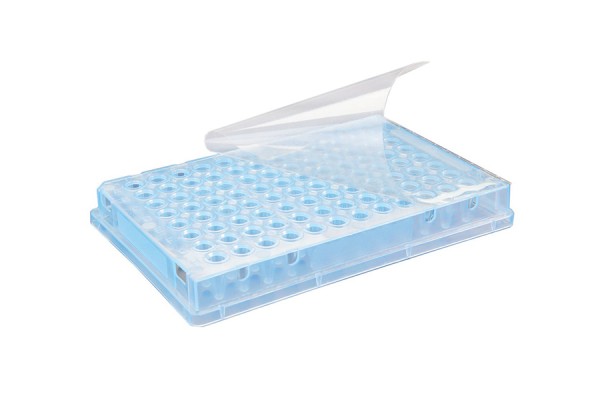
The gas blocking capabilities of ePTFE membranes are integral to their role in fuel cell applications. These membranes are engineered to allow protons to pass through while effectively blocking gases, such as hydrogen and oxygen, which can disrupt the fuel cell’s efficiency. The unique porous structure of ePTFE facilitates high proton conduction rates while preventing the backflow of these gases, maintaining the electrochemical balance needed for optimal performance. This selective permeability not only enhances the efficiency of the fuel cells but also prevents potential degradation caused by gas crossover. The materials used in these membranes contribute to their robustness against harsh operating conditions, ensuring they remain effective over extended periods. Through this combination of features, ePTFE membranes play a critical role in improving the overall efficiency and longevity of fuel cells, making them a useful component in modern energy systems.
Improved efficiency of Fuel Cells
The efficiency of fuel cells is significantly enhanced by the adoption of advanced ePTFE membranes. These membranes enable higher proton permeation rates, which directly correlate to improved electrochemical reactions. By allowing protons to pass through while preventing the infiltration of gases and liquids, ePTFE membranes maintain optimal operating conditions. This efficiency translates into increased current density, thereby boosting the overall power output of fuel cells. Moreover, the reduced energy losses associated with these membranes support greater battery efficiency and longevity in energy systems. As a result, the integration of ePTFE technology not only enhances performance metrics but also contributes to sustainability and operational cost savings in fuel cell applications. This new approach positions ePTFE membranes as a important component in advancing fuel cell technology, meeting the growing demands for clean energy solutions in various industries.
Longevity of ePTFE Membranes
The durability of ePTFE membranes significantly contributes to their effectiveness in fuel cell applications. These membranes are designed to withstand extreme environmental conditions without degrading, ensuring a longer operational lifespan. Their high resistance to chemical exposure, high temperatures, and moisture allows them to function reliably in various settings. By maintaining their structural integrity over time, ePTFE membranes reduce the need for frequent replacements, thus lowering maintenance costs and enhancing overall system efficiency. also, the ability of these membranes to resist gas permeation contributes to their longevity, ensuring that they perform optimally even under demanding conditions. This lasting performance is essential for sustainable energy solutions, where reliability over extended periods is critical for operational success. The combination of these features makes ePTFE membranes a helpful asset in the advancement of fuel cell technology.
Role of Membranes in Energy Systems
Membranes play a important role in modern energy systems, particularly in clean energy applications like hydrogen fuel cells. They facilitate critical processes such as the selective transport of protons while simultaneously blocking gases and liquids, which is essential for maintaining system integrity and performance. The ePTFE membrane, with its high proton permeation rates, enhances the efficiency of fuel cells by enabling faster reactions that translate to higher current density. This efficiency reduction of energy loss is vital for enhancing the overall performance of energy systems. Moreover, the ability of these membranes to withstand harsh environments without degrading is significant for ensuring longevity and reliability in applications ranging from automotive to stationary power generation. As energy demands evolve, the functionality and durability provided by ePTFE membranes will remain integral to achieving enhanced performance and sustainability in energy solutions.
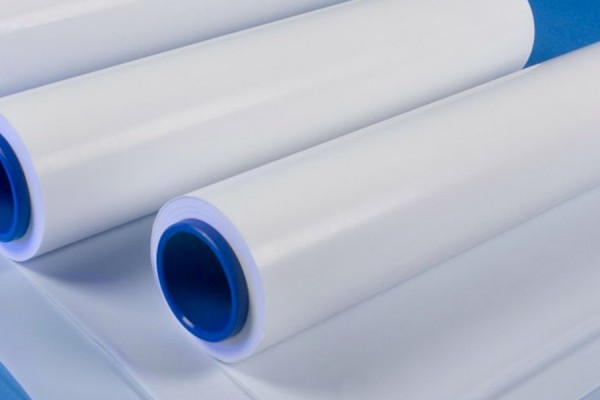
Performance enhancements from ePTFE
ePTFE membranes contribute significantly to the performance of fuel cells by optimizing various operational efficiencies. Their design allows for superior proton conductance, which is essential for facilitating rapid electrochemical reactions. Enhanced proton permeation rates lead to increased current density, optimizing the fuel cell’s output and reducing energy loss during operation. Furthermore, the unique structure of ePTFE membranes provides effective gas blocking capabilities, preventing harmful gases from infiltrating critical areas and ensuring cleaner reactions. This enhances overall system reliability and efficiency. By minimizing resistance and extending operational capacities, ePTFE membranes play a vital role in amplifying the energy output and performance longevity of fuel cells. Enhanced performance characteristics afforded by ePTFE technology are essential in meeting the growing demand for efficient energy solutions in an increasingly competitive situation. The seamless integration of these membranes into fuel cell technology underscores their significance in advancing energy systems toward peak performance.
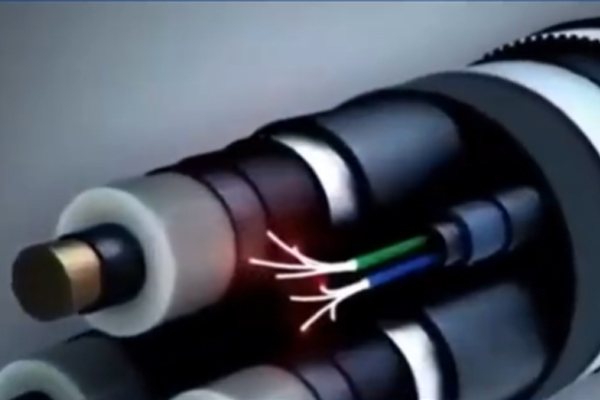
Future trends in Fuel Cell Technology
The evolution of fuel cell technology is shifting towards more efficient and sustainable solutions, with ePTFE membranes playing a significant role. Researchers are focusing on enhancing the properties of ePTFE membranes to further increase proton conductivity and gas impermeability, which are critical for the performance of fuel cells. Innovations in material science are leading to thinner membranes without compromising durability, allowing for lighter and more compact fuel cell systems. furthermore, hybrid systems that integrate renewable energy sources with fuel cell technology are becoming more prevalent, as they promote energy efficiency and reduce dependency on fossil fuels. The rise of hydrogen infrastructure is expected to catalyze advancements in fuel cell applications across various sectors, including transportation and stationary power generation. Continuous monitoring and adaptation of manufacturing processes will be essential to meet the increasing demands for efficiency and sustainability in the evolving energy situation.
Conclusion
original ePTFE membranes are reshaping the scene of fuel cell applications by delivering improved performance metrics. Their high proton permeation rates facilitate effective energy conversion, which is essential for the efficiency of modern fuel cells. also, these membranes exhibit exceptional gas blocking capabilities, preventing hydrogen leakage and enhancing safety and longevity. The durability of ePTFE membranes contributes to a longer lifecycle for fuel cell systems, enabling them to operate effectively over extended periods with reduced maintenance needs. As advancements continue, the role of these membranes in energy systems will become increasingly significant, driving further research and development in this field. Future trends will likely aim at optimizing material properties and functionality to meet growing energy demands sustainably.
FAQs
What is ePTFE membrane technology?
ePTFE membrane technology involves a porous structure created from expanded polytetrafluoroethylene, known for its high permeation rates and durability, making it suitable for various applications, including fuel cells.
How do ePTFE membranes improve fuel cell performance?
ePTFE membranes improve fuel cell performance by facilitating high proton permeability while effectively blocking gases, thus promoting efficiency and prolonging the lifespan of the cells.
What advantages do ePTFE membranes offer over traditional options?
Compared to traditional membranes, ePTFE membranes offer superior proton transfer rates and enhanced gas barrier properties, which leads to better overall performance in fuel cell systems.
What role do proton permeation rates play in fuel cells?
Proton permeation rates are key for the electrochemical reactions in fuel cells as they directly influence the current output and overall efficiency of the system.
How long do ePTFE membranes typically last in operation?
The longevity of ePTFE membranes can vary based on operating conditions, but they are generally designed for extended use, contributing to the durability of the entire fuel cell system.


