

main Takeaways
PTFE membranes are transforming the situation of electronics by providing superior protection and performance. Their unique properties, such as waterproof breathability and thermal stability, are essential for safeguarding sensitive devices in challenging environments. The membranes prevent moisture accumulation while allowing vapor to escape, a feature that significantly enhances the reliability of electronic systems. In aerospace applications, PTFE’s resistance to extreme temperatures and its lightweight nature facilitate better fuel efficiency without compromising functionality. Furthermore, in the realm of 5G communication systems, PTFE membranes contribute to optimal signal integrity and thermal management, which are vital for high-speed data transmission. As industries continue to evolve, the ongoing innovations in PTFE membrane technology promise to improve flexibility and durability further, ensuring these materials remain at the forefront of electronic design and protection strategies. Their adaptability across various sectors underscores their importance in advancing technology that demands exceptional resilience against moisture, dust, and temperature variations.
Innovations in PTFE Membranes
Recent advancements in PTFE membranes have significantly improved their applications in electronics and other demanding industries. New manufacturing techniques allow for enhanced micro-structuring of the membranes, which optimize their porosity and breathability. This leads to superior moisture management and dust protection, essential for sensitive electronic devices. The integration of high-speed transmission line PTFE wrapping tape has emerged as a important feature, aiding the reliability of data cables. Moreover, innovations in the formulation of PTFE wrapping film have contributed to increased flexibility and durability, making it well-suited for complex applications. The development of specialized products like DAC high-speed cable wrapping film and AEC high-speed cable wrapping film also showcases the versatility of PTFE membranes in various environmental conditions. With ongoing research and technologies focusing on enhancing performance, the potential for PTFE cable wrapping tape to support advanced functionalities continues to grow, reinforcing its role in modern communication systems. These innovations promise not just incremental improvements but major effects on how electronics can be designed to withstand hostile conditions while maintaining peak efficiency.
Benefits of Waterproof Breathability
PTFE membranes provide significant advantages with their waterproof breathability, a important characteristic that sets them apart from traditional materials. Their unique structure allows for a high rate of air flow while preventing liquid water from penetrating, making them invaluable in protecting sensitive electronic components. This quality ensures that moisture does not accumulate, which is important for maintaining the integrity and functionality of devices in humid or wet environments. The membrane’s pore sizes, typically ranging from 0.2 to 3 μm, effectively block water droplets while allowing water vapor to escape. This capability enhances the longevity and durability of electronic devices by reducing the risk of water-related damage. Furthermore, PTFE’s natural shedding properties minimize dust accumulation on its surface, further supporting its performance in critical applications. By striking a balance between ventilation and protection, PTFE membranes contribute to optimal device operation in demanding settings such as aerospace technology and 5G communication systems.
Thermal stability of PTFE Membranes
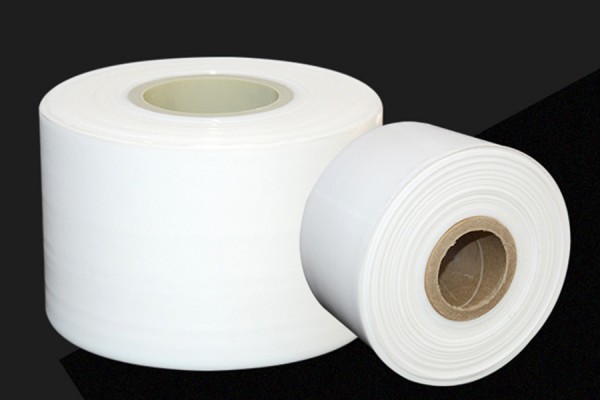
PTFE membranes are recognized for their high thermal stability, functioning optimally in extreme temperature conditions. With a operational range from -200°C to +260°C, they demonstrate unparalleled resilience in both cryogenic environments and high-heat applications. Short bursts of temperature exceeding 300°C can also be tolerated without significant degradation, making PTFE suitable for diverse industries. This remarkable thermal endurance is important when it comes to applications such as aerospace technology and electronics, where managing heat is essential for device performance and longevity. Moreover, the chemical inertness of PTFE under varying temperatures helps maintain its structural integrity and functional properties. This stability plays a important role in ensuring that electronic components remain protected against the adverse effects of temperature fluctuations, contributing to enhanced reliability and efficiency in demanding environments such as 5G communication systems and automotive components.
Performance in Harsh Environments
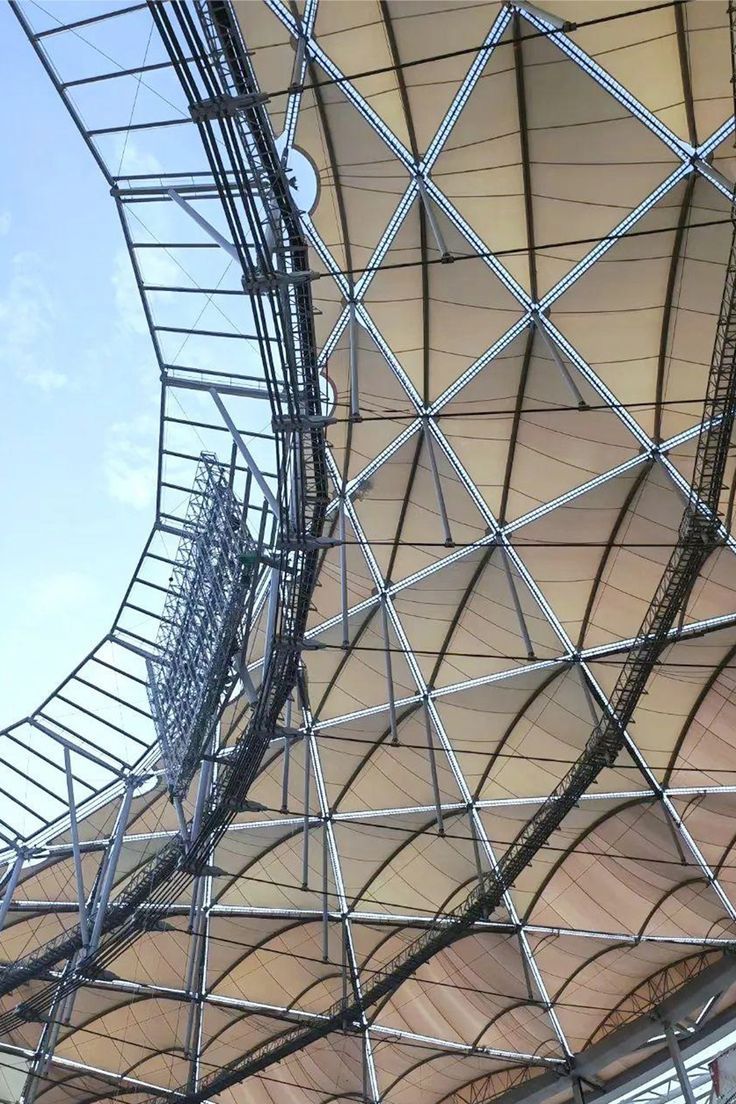
PTFE membranes excel in harsh environments due to their robust chemical inertness and ability to withstand extreme temperatures. Their high thermal stability allows them to function effectively from -200°C to +260°C, withstanding short spikes exceeding 300°C. This durability makes them ideal for applications in industries that demand reliability under stress, such as aerospace and automotive sectors. Furthermore, the membranes exhibit exceptional resistance to moisture, dust, and other environmental factors that can compromise electronic components. They maintain integrity even when exposed to challenging conditions like high humidity or temperature fluctuations. These properties ensure that devices equipped with PTFE membranes experience less risk of failure, enhancing overall operational efficiency. As industries focus on improving the longevity and performance of sensitive electronic equipment, PTFE membranes prove important in safeguarding against the detrimental impacts posed by harsh external elements.
Moisture protection in Electronics
PTFE membranes play a vital role in safeguarding electronic devices from moisture and dust, important in preserving functionality and longevity. Their unique waterproof breathability allows for moisture vapor to escape while preventing water droplets from infiltrating sensitive components. This feature is particularly beneficial in challenging environments, where humidity and exposure threaten performance. The high porosity of PTFE minimizes the risk of condensation buildup, which can cause circuit failures or short circuits in delicate electronic systems. Moreover, the natural shedding properties of PTFE reduce dust accumulation on surfaces, maintaining optimal operational efficiency. By creating a robust barrier against contaminants while ensuring ventilation, PTFE membranes boost the reliability of electronics across various sectors, including consumer technology and industrial applications. As devices become more compact and powerful, the demand for effective moisture protection grows, placing PTFE membranes at the forefront of advancements in electronic safeguarding solutions.
Applications in Aerospace Technology
PTFE membranes are increasingly vital in aerospace technology due to their unique attributes. Their excellent waterproof breathability ensures that sensitive components operate optimally without the risk of moisture damage. In high-altitude environments, where temperature fluctuations and pressure changes are routine, PTFE membranes maintain consistent performance. These membranes effectively repel water while allowing necessary vapors to escape, thus preventing condensation that could threaten electronic systems.
Moreover, the chemical inertness of PTFE makes it particularly suitable for aerospace applications, as it resists harsh environmental conditions and various fuels and solvents encountered during operation. The lightweight yet durable nature of PTFE membranes contributes to overall weight savings in aircraft design, which is a critical factor for improving fuel efficiency. furthermore, these membranes play a important role in maintaining the integrity of avionics systems by providing insulation from electromagnetic interference, ensuring reliable communication and navigation capabilities in flight. Overall, the incorporation of PTFE membranes into aerospace technology exemplifies a commitment to enhancing performance and reliability in challenging conditions.
Role in 5G Communication Systems
PTFE membranes play a critical role in 5G communication systems due to their exceptional properties. They facilitate optimal signal integrity, important for high-speed data transmission. The low dielectric constant of PTFE minimizes signal loss, ensuring that communications remain clear and reliable even over long distances. Moreover, these membranes offer essential thermal management by dissipating heat generated during operation, which helps maintain components at optimal temperatures.
Their waterproof and breathable characteristics protect sensitive electronics from humidity and contaminants while allowing for heat to escape efficiently. This is particularly important in 5G applications where devices are frequently exposed to harsh conditions. The ability of PTFE membranes to withstand extreme temperatures further enhances their suitability in a range of communication modules and infrastructures. As the demand for faster, more reliable communication grows, the integration of PTFE membranes into technology will significantly support the stability and performance of 5G networks, playing an essential part in the advancement of modern telecommunications.
Conclusion
the advancement of PTFE membranes marks a significant evolution in the protection and performance of electronic devices across various industries. Their unique properties, such as waterproof breathability and high thermal stability, position them as essential components in safeguarding electronics from moisture and dust. This is particularly relevant in demanding environments like aerospace applications, where both reliability and efficiency are paramount. furthermore, the growing importance of 5G communication systems further highlights the adaptability of PTFE membranes, as they optimize signal integrity while protecting sensitive components from harsh conditions. The ongoing innovations in manufacturing techniques and formulations will likely yield even greater performance enhancements, making PTFE membranes indispensable for future electronic designs. As industries continue to strive for greater efficiency and durability in their technologies, PTFE membranes will remain at the forefront, ensuring that devices can operate effectively even in the most challenging situations.
FAQs
What are PTFE membranes used for in electronics?
PTFE membranes are used in electronics to protect sensitive components from moisture and dust while maintaining optimal air circulation.
How do PTFE membranes improve moisture protection?
They feature waterproof breathability, preventing water droplets from entering while allowing moisture vapor to escape, minimizing condensation risks.
What temperature range can PTFE membranes withstand?
PTFE membranes can operate effectively within a temperature range of -200°C to +260°C, making them suitable for extreme conditions.
Are PTFE membranes beneficial for 5G communication systems?
Yes, their low dielectric constant and thermal management properties support high-speed data transmission and protect electronics from harsh environments.
How do innovations in PTFE membrane technology impact industries?
Advancements in manufacturing techniques improve performance and flexibility, enabling better protection and efficiency across various applications like aerospace and telecommunications.


