

Key takeaways
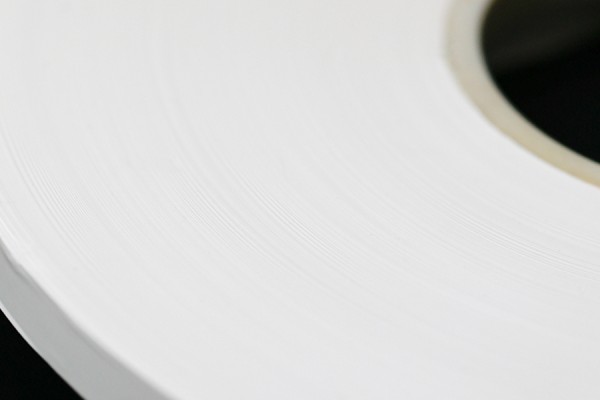
PTFE high-speed cable film provides a reliable mix of thermal stability, electrical insulation, and a low dielectric constant, supporting signal integrity in demanding systems. The material’s high thermal resistance allows operation across wide temperature ranges, which is crucial in aerospace and data centers. Its low moisture uptake and chemical resistance also contribute to long term reliability in harsh environments. Electromagnetic shielding benefits help meet EMC requirements by reducing external interference and preserving data integrity, especially in dense 5G and high-speed networks. The film’s thin profile and light weight simplify installation in complex harnesses without sacrificing mechanical strength, a practical advantage for aerospace and automotive applications. In high-speed data transmission, attenuation remains controlled, maintaining performance over longer cable runs. To ensure quality, evaluation should emphasize shielding effectiveness, attenuation, thermal cycling resistance, and film integrity under stress. Ultimately, ptfe high speed cable film supports resilient, high-performance electrical systems.
Importance of PTFE in Electronics
PTFE, known for its impressive properties, plays a crucial role in the field of electronics. Its unique chemical structure provides excellent thermal resistance and electrical insulation, making it ideal for various applications. The use of PTFE wrapping film in high-speed transmission lines ensures efficient signal integrity and performance. Furthermore, its low dielectric constant enhances communication quality in RF and microwave technologies. High-speed transmission line PTFE wrapping tape is also valuable in preventing electromagnetic interference, a critical factor for maintaining signal clarity in modern electronic devices. The versatility of PTFE cable wrapping tape adds to its importance, as it can meet the demands of complex systems found in aerospace technology and 5G communication infrastructures. Advanced formulations like DAC high-speed cable wrapping film and AEC high-speed cable wrapping film help cater to specific performance requirements while ensuring reliability and durability across numerous environments. As the electronics landscape evolves, the significance of PTFE’s excellent insulating properties continues to grow, solidifying its position as a vital component in advanced electrical applications.
Thermal resistance of PTFE Films
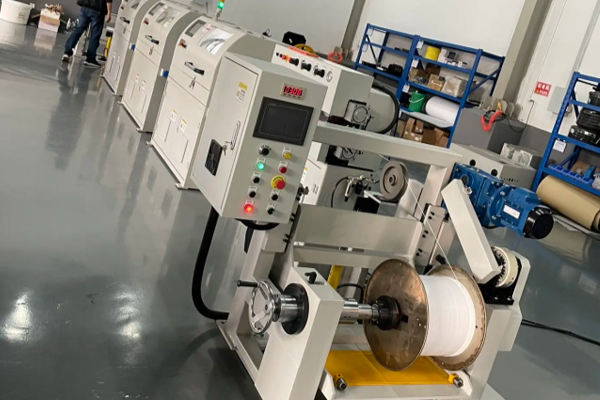
PTFE films are renowned for their exceptional thermal resistance, enabling their use in demanding electrical applications. These films maintain stability and performance in extreme temperatures, operating effectively in environments ranging from -200°C to +260°C. This capability is crucial for applications subjected to varying thermal conditions, such as those found in aerospace and automotive industries. The unique properties of PTFE allow it to withstand short-term exposure to temperatures exceeding 300°C without compromising its structural integrity. The thermal resistance is a key advantage that enhances the longevity and reliability of electrical systems that rely on PTFE high-speed cable films. As a result, these films are invaluable in high-performance environments where traditional materials might fail. Their robust thermal performance contributes not only to safety but also to the efficiency of devices operating under harsh conditions. Understanding these characteristics can guide engineers and designers in selecting appropriate materials for challenging electrical applications.
Electromagnetic shielding benefits
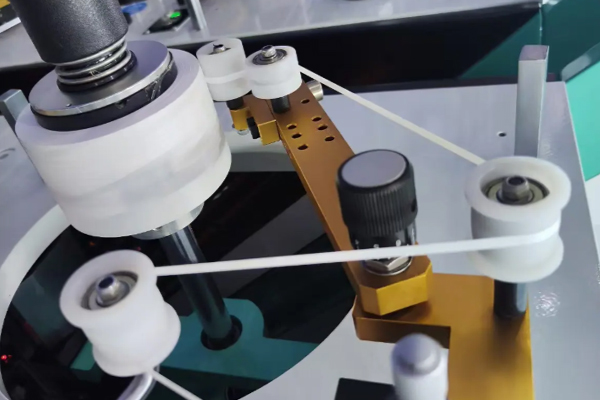
PTFE high-speed cable films offer significant advantages for electromagnetic shielding, a critical feature in modern electrical applications. These films exhibit low dielectric constants, which contribute to their ability to block electromagnetic interference (EMI) effectively. By minimizing the impact of external electromagnetic fields, PTFE films help maintain the integrity of signal transmission in sensitive electronic devices. Moreover, their excellent thermal resistance ensures that enhanced shielding performance is maintained even in high-temperature environments. This combination of properties makes PTFE cable films particularly valuable in aerospace and telecommunications industries, where reliable performance is essential. The durability and effectiveness of these films facilitate compliance with stringent electromagnetic compatibility (EMC) requirements, ultimately leading to improved device functionality and reliability. As technology advances and the demand for efficient data transmission increases, the role of PTFE high-speed cable films in providing robust electromagnetic shielding will continue to gain importance.
Applications in Aerospace Technology
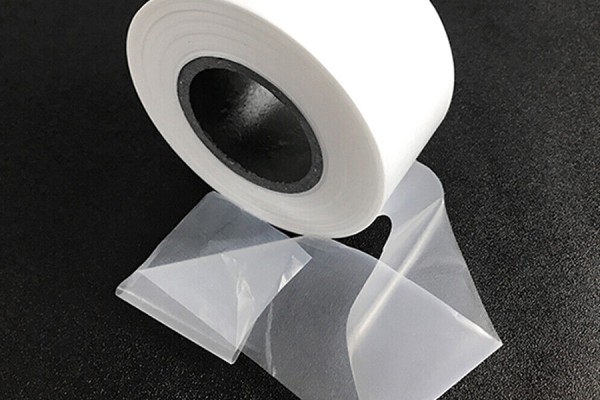
PTFE high-speed cable film plays a vital role in aerospace technology due to its reliable thermal resistance and excellent electrical insulation properties. In aircraft and spacecraft, where lightweight materials are essential, PTFE films provide significant advantages by maintaining performance under extreme temperatures ranging from -200°C to +260°C. Additionally, these films offer effective electromagnetic shielding, which protects sensitive electronic components from interference that could disrupt communication and navigation systems. The unique characteristics of PTFE allow it to withstand the harsh conditions of altitude and pressure, ensuring the integrity of electrical systems. Furthermore, the ability of PTFE films to maintain flexibility without compromising strength makes them ideal for complex wiring harnesses found in modern aerospace applications. As technology advances, the demand for PTFE high-speed cable film continues to rise, reflecting its indispensable role in ensuring safety and efficiency in aviation and space exploration.
High-Speed Data Transmission Solutions
PTFE high-speed cable film plays a critical role in facilitating effective data transmission in various advanced applications. Its low dielectric constant significantly enhances signal integrity and minimizes signal loss, making it suitable for high-frequency environments such as 5G communication. Additionally, the material’s lightweight and thin structure contribute to ease of installation, which is vital for complex systems where weight and space are constraints. The exceptional thermal resistance of PTFE allows these cables to maintain performance even under fluctuating temperatures, which often occur in high-speed data networks. The durability provided by the film’s abrasion resistance ensures longevity and reliability in dynamic applications where cables might experience physical wear. Furthermore, the electromagnetic shielding capabilities of PTFE reduce interference from external sources, safeguarding the quality of data transmission. As sectors increasingly rely on efficient data transfer, utilizing PTFE high-speed cable film represents a forward-thinking solution for meeting modern electrical demands.
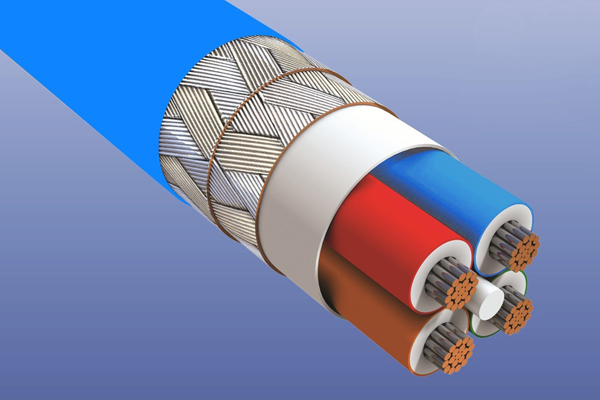
Performance in Harsh Environments
PTFE high-speed cable film excels in demanding conditions, featuring remarkable thermal stability and chemical resistance. This material can maintain operational integrity across extreme temperature ranges, from cryogenic levels to high heat, making it suitable for environments such as aerospace applications and automotive engine compartments. PTFE’s ability to withstand corrosive substances further enhances its performance in various industrial sectors, including chemical processing and offshore environments. The low dielectric constant of PTFE ensures minimal signal loss, which is critical for maintaining efficiency in high-speed data transmission applications. Additionally, the film’s robust structure allows it to endure constant mechanical stress without compromising functionality. These characteristics not only improve reliability but also extend the lifetime of electrical components used in harsh settings, where other materials might fail. The combination of these properties establishes PTFE as a valuable choice for advanced electrical applications that demand both resilience and performance under pressure.
Advancements in 5G Communication
The advent of 5G communication brings unparalleled advancements in data speed and connectivity, highlighting the essential role of PTFE high-speed cable films. These films contribute significantly to the efficiency of high-frequency signal transmission, which is crucial for 5G infrastructure. Their excellent dielectric properties reduce signal loss and ensure reliable communication, making them indispensable for applications requiring swift data exchanges. As mobile networks evolve, PTFE cable films are increasingly utilized in base stations and data centers to meet the growing demand for high-speed transmission. The lightweight and flexible nature of these films allows for easy integration into complex network designs, promoting better system performance. Furthermore, their ability to function effectively under extreme temperatures enhances their appeal for outdoor installations where environmental factors can be challenging. By facilitating more robust connections, PTFE high-speed cable films help support the seamless operation of next-generation technologies, including IoT devices and autonomous systems that require consistent high-speed data access.
Evaluating PTFE Cable Film Quality
Assessing the quality of PTFE high-speed cable film is vital for ensuring optimal performance in demanding applications. A few key factors should be considered during this evaluation process. First, the thermal expansion coefficient plays a significant role; a low coefficient indicates that the material will maintain its integrity under varying temperature conditions. Additionally, the structural features of the film must support high-temperature resistance while being lightweight and thin, allowing for easy handling and installation.
Another critical aspect to examine is the shielding performance. Effective shielding properties minimize interference from electromagnetic waves, ensuring reliable signal transmission, particularly in complex environments. Furthermore, attenuation levels are important; lower attenuation rates mean better signal preservation over longer distances. Each of these features can significantly influence how well PTFE cable film performs in high-speed data transmission scenarios and harsh conditions.
Evaluating these characteristics helps identify films that excel in demanding applications, especially within sectors such as aerospace and telecommunications where reliability and durability are non-negotiable. Selecting high quality PTFE cable film can lead to improved overall system performance and longevity.
Conclusion
the role of PTFE high-speed cable film in advanced electrical applications cannot be overstated. Its unique properties provide solutions to challenges in various industries, including aerospace and telecommunications. The ability to withstand extreme thermal conditions ensures that electrical systems remain reliable and safe, which is particularly important in high-performance environments. Furthermore, the exceptional electromagnetic shielding capabilities of PTFE films safeguard sensitive equipment from interference, enhancing the overall efficiency of data transmission. As industries evolve and demand for high-speed communication increases, the significance of PTFE high-speed cable films will likely grow. Manufacturers must prioritize quality in selecting these films to leverage their full potential, ensuring that electrical applications can adapt and thrive under ever-changing conditions. Continuing advancements in material science will hopefully lead to even more refined versions of PTFE cable film that can meet future demands effectively.
FAQs
What are the key benefits of using PTFE high-speed cable films?
PTFE high-speed cable films provide excellent thermal resistance, effective electromagnetic shielding, and maintain signal integrity in high-performance environments.
How does PTFE film perform in extreme temperatures?
PTFE films maintain stability and performance effectively in environments ranging from -200°C to +260°C, making them suitable for demanding applications.
What role does PTFE play in 5G communication?
PTFE films enhance data transmission efficiency by reducing signal loss and supporting the high-frequency requirements essential for 5G infrastructure.
Can PTFE films be used in aerospace technology?
Yes, PTFE films are ideal for aerospace applications due to their lightweight properties and ability to withstand harsh conditions, ensuring reliability in electrical systems.
How do I evaluate the quality of PTFE cable film?
Key factors include examining thermal expansion coefficients, shielding performance against electromagnetic interference, and attenuation rates to ensure optimal performance.


