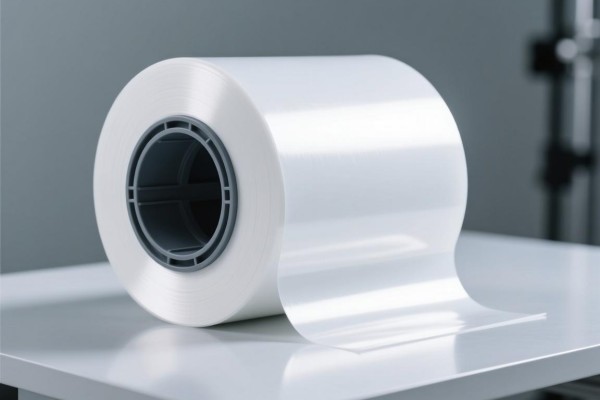
The advancements in ePTFE membranes provide significant benefits across various sectors, primarily in electrical insulation and medical applications. In the electrical domain, ePTFE’s low flammability and excellent thermal stability enhance the safety and reliability of cables, making them essential for high-frequency applications where performance certainty is critical. Furthermore, in healthcare, ePTFE’s chemical inertness contributes to improved sterile packaging solutions and innovative diagnostic tools, ensuring that sensitive materials remain uncontaminated during transit and use. This dual functionality reinforces the importance of integrating ePTFE technology, promoting advancements that facilitate enhanced safety and efficiency across multiple industries.
Advancements in ePTFE Membrane Technology for Electrical Insulation
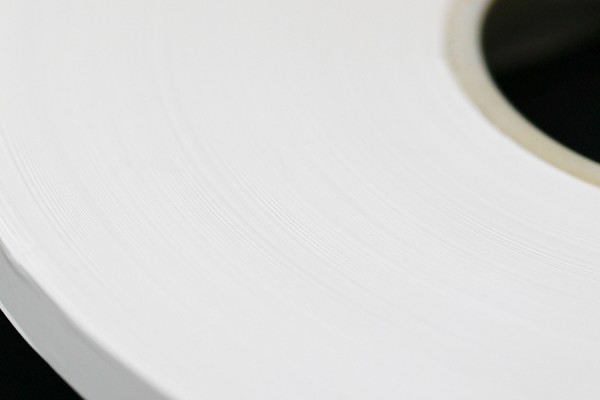
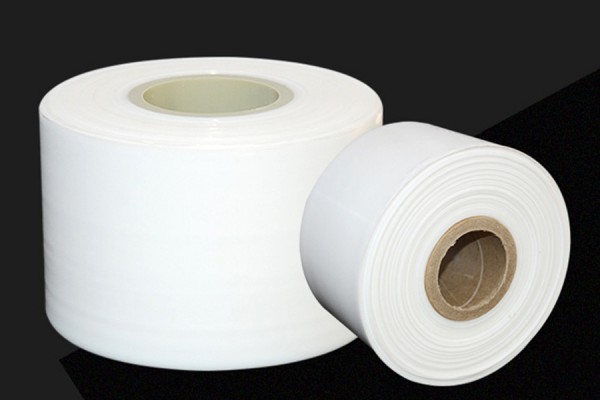
The introduction of ePTFE membranes in electrical insulation marks a significant advancement in cable technology. Traditional materials like polyethylene and polyvinyl chloride fall short in high-temperature environments, where their flammability poses safety risks. In contrast, ePTFE membranes boast superior thermal stability and low flammability, making them ideal for High speed transmission line PTFE wrapping tape and PTFE wrapping film applications. These membranes enhance the performance of cables by reducing signal loss, particularly critical in high-frequency scenarios.
Utilizing products such as PTFE Thread Seal Tape and PTFE cable wrapping tape not only improves insulation but also ensures the integrity of connections in demanding environments. Additionally, options like DAC high-speed cable wrapping film and AEC high-speed cable wrapping film contribute to reliable electrical performance across various applications.
| ePTFE Membrane Properties | Benefits |
|---|---|
| Thermal Stability | Prevents overheating |
| Low Flammability | Enhances safety standards |
| Resistance to Moisture | Prevents degradation |
| High Frequency Capability | Minimizes signal loss |
“Incorporating ePTFE solutions is vital for advancing electrical performance standards.”
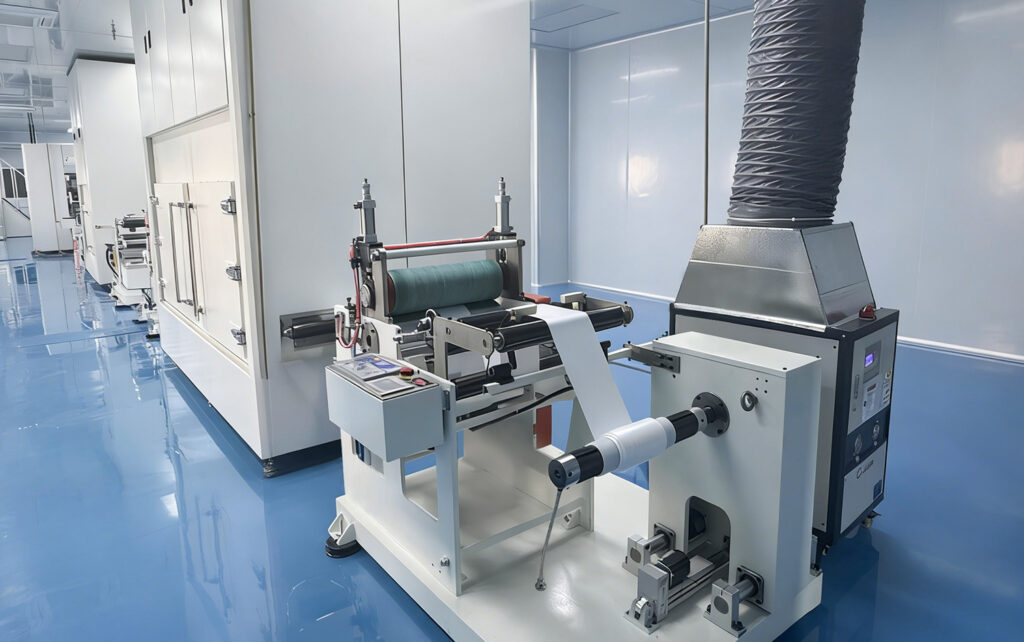
The evolution of PTFE cable roll coating techniques continues to facilitate innovation, highlighting the critical role of ePTFE membranes in modern electrical insulation design. As industries strive for higher efficiency and safety, the incorporation of advanced materials like ACC high-speed cable wrapping film becomes essential to meet these demands successfully.
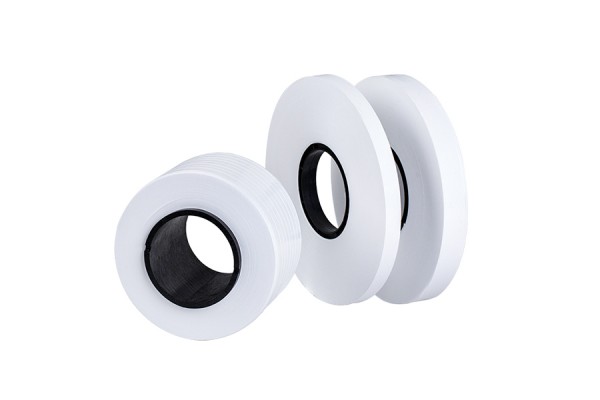
ePTFE Membranes: Revolutionizing Cable Insulation and Safety Standards
The integration of ePTFE membranes into cable insulation is transforming safety standards in the industry. Unlike traditional materials, ePTFE provides superior thermal stability and lowers flammability. This is particularly beneficial in high-speed transmission applications, where materials such as AEC high-speed cable wrapping film and AOC high-speed cable wrapping film demonstrate enhanced performance. These films utilize the unique properties of ePTFE to minimize energy loss, achieving optimized signal integrity and efficiency. Moreover, products like PTFE Thread Seal Tape ensure airtight seals essential for safe operational conditions. The adaptability of ePTFE extends to ACC high-speed cable wrapping film, which significantly reduces moisture absorption, thus prolonging the lifespan of critical wiring systems. As communication technology advances, the deployment of high speed and high-frequency cable wrapping film equipped with ePTFE is expected to play a pivotal role in enhancing overall electrical performance and safety across various applications.
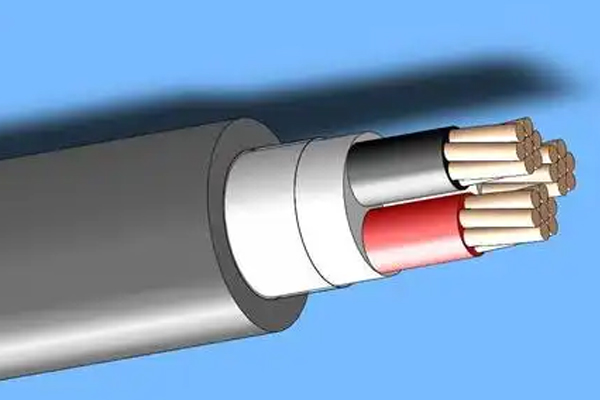
The Role of ePTFE in Enhancing Electrical Performance of Cables
ePTFE membranes stand out in the wire and cable industry due to their superior electrical properties and thermal stability. Unlike traditional insulation materials like polyethylene (PE) and polyvinyl chloride (PVC), which can be prone to ignition at elevated temperatures, ePTFE offers a significantly higher oxygen index. This quality translates into improved safety standards in high-temperature environments. Furthermore, ePTFE’s low moisture absorption helps maintain performance stability over time, reducing the risk of dielectric breakdown. In addition, the use of PTFE cable wrapping tape enhances the insulation layer, providing an extra barrier against moisture and electrical interference. This combination ensures that cables maintain efficient signal transmission with minimal energy loss, making them more reliable for high-frequency applications.
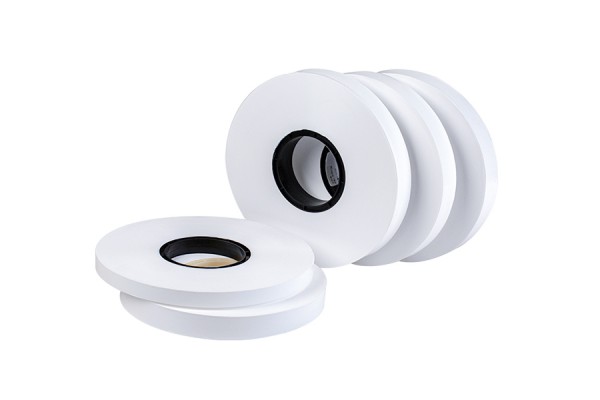
Innovative Medical Applications of ePTFE: Seals and Microfluidic Chips
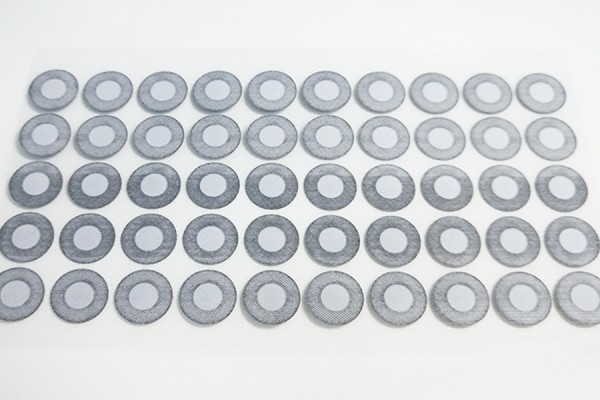
ePTFE membranes are making significant strides in the medical field, particularly in packaging and diagnostic applications. For instance, the use of ePTFE in seals offers robust protection against contamination, especially in environments requiring sterilization. These seals not only resist strong acids but also maintain integrity during peroxide disinfection processes. Moreover, ePTFE microfluidic chips are transforming diagnostics by allowing precise management of fluid flow under high-pressure conditions. With a consistent flow rate that meets rigorous standards—150 ml/min/cm at 7 KPa—these chips ensure that reagent movements are both reliable and contaminant-free. Their non-adsorptive surfaces and chemical inertness further enhance their suitability for sensitive medical applications. These advancements highlight how ePTFE is instrumental in elevating both safety and efficiency in healthcare products.
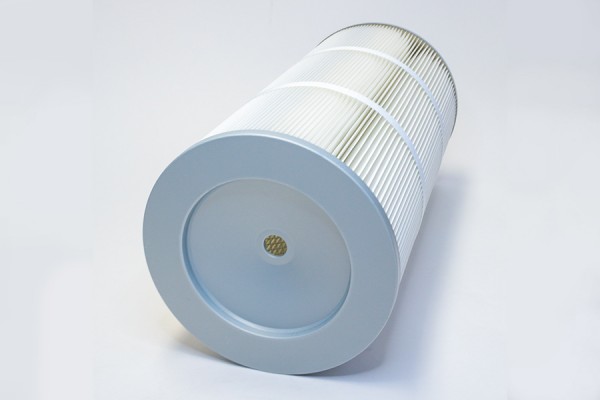
Elevating Diagnostic Safety with ePTFE Membranes
ePTFE membranes play a pivotal role in enhancing diagnostic safety in medical applications. Their unique properties, including chemical inertness and low moisture absorption, allow them to maintain sterile environments crucial for accurate diagnostics. The use of ePTFE in leak-proof seals ensures the integrity of peroxide disinfection bottles, providing reliable protection against contamination. Moreover, ePTFE’s microporous structure fosters optimal gas flow while preventing the backflow of reagents, ensuring precise control during testing procedures. These attributes collectively contribute to safer and more effective diagnostic processes, making ePTFE a valuable component in modern healthcare solutions.
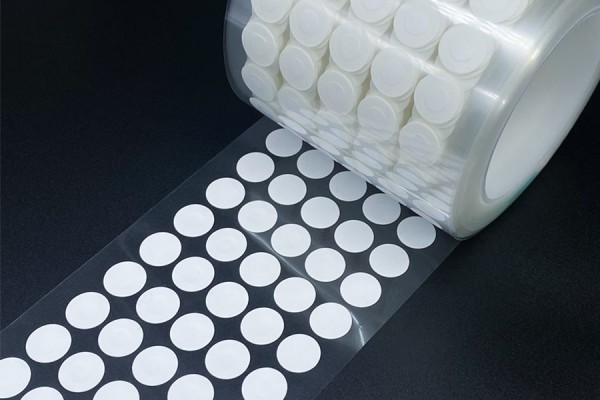
Understanding the Properties of ePTFE for Medical Packaging Solutions
ePTFE exhibits unique properties that make it a prime material for medical packaging solutions. Its excellent chemical inertness ensures that it can withstand exposure to various substances, including strong acids, without degrading. This is crucial for medical environments where sterilization and contamination prevention are paramount. The membrane’s impermeability contributes to reliable leak-proof seals, particularly in peroxide disinfection bottles, ensuring safe transportation of sensitive materials. Furthermore, ePTFE’s high resistance to water pressure, exceeding 100 Kpa, prevents backflow in microfluidic applications, promoting uninterrupted reagent flow. The use of PTFE cable roll coating in assembling these medical devices enhances their overall performance by providing additional protection against environmental factors and ensuring consistent operation under pressure. These properties reinforce the role of ePTFE in advancing both medical packaging and diagnostics technologies.
The Future of ePTFE Membranes in Electrical and Healthcare Sectors
The ongoing advancements in ePTFE membrane technology signal a promising future in both electrical and healthcare applications. In the wire and cable industry, the improved insulation properties of ePTFE membranes are set to elevate standards, offering superior resistance to heat while minimizing fire risks. These membranes not only enhance the performance of electrical cables but also contribute to longer-lasting safety solutions. In medical settings, ePTFE’s unique characteristics enable the development of more reliable packaging solutions, particularly for sterile medical devices. The implementation of ePTFE in microfluidic systems showcases its ability to facilitate precise diagnostics and effective reagent management. As research continues, we can expect further breakthroughs that combine electrical efficiency with enhanced safety measures in medical applications, broadening the scope and impact of ePTFE technology across various sectors.
Exploring the Dual Advantages of ePTFE in Electronics and Medicine
The unique properties of ePTFE membranes make them a game-changer in both the electronics and medical fields. In the electronics sector, ePTFE’s remarkable electrical insulation performance enhances cable safety, reducing the risk of electrical failures. This is particularly important for high-frequency applications, where signal loss can compromise functionality. Conversely, in the medical domain, ePTFE demonstrates its value through innovative packaging solutions and microfluidic systems. Its chemical inertness and moisture resistance ensure safe containment of sensitive materials, while seamless seals prevent contamination in critical applications like diagnostics. The dual advantages of enhanced insulation and reliable protection position ePTFE as a vital material across multiple industries, ultimately fostering advancements that bridge technology with healthcare.
Conclusion
The advancements in ePTFE membranes signify a notable shift in both electrical insulation and medical applications. With improvements in their thermal stability and low flammability, ePTFE membranes provide enhanced safety and performance in high-frequency cable systems. This becomes increasingly vital as technologies evolve. In the medical field, ePTFE’s inert properties support the development of safer packaging solutions and efficient microfluidic systems, illustrating its versatility. As research continues to propel innovations, the integration of ePTFE across various sectors not only addresses current challenges but also opens pathways for future enhancements in both reliability and safety standards. The ongoing evolution of these materials points to a future where the intersections of technology and health sustain progress in meaningful ways.
FAQs
What benefits do ePTFE membranes provide for electrical insulation?
ePTFE membranes enhance electrical insulation by offering superior thermal stability and low flammability, significantly improving safety standards.
How does ePTFE contribute to medical applications?
In medical applications, ePTFE membranes provide reliable seals and moisture resistance, ensuring contamination prevention in sensitive environments.
What role does ePTFE play in microfluidic technologies?
ePTFE is utilized in microfluidic technologies to manage fluid flow efficiently under high-pressure conditions, aiding in precise diagnostics.
Are there any concerns regarding the thermal performance of traditional insulation materials?
Yes, traditional insulation materials like polyethylene and PVC are prone to ignition at high temperatures, posing safety risks that ePTFE can mitigate.
How do ePTFE membranes support the longevity of medical packaging?
ePTFE’s impermeability and chemical inertness protect sensitive materials from external contaminants, extending the lifespan of medical packaging solutions.