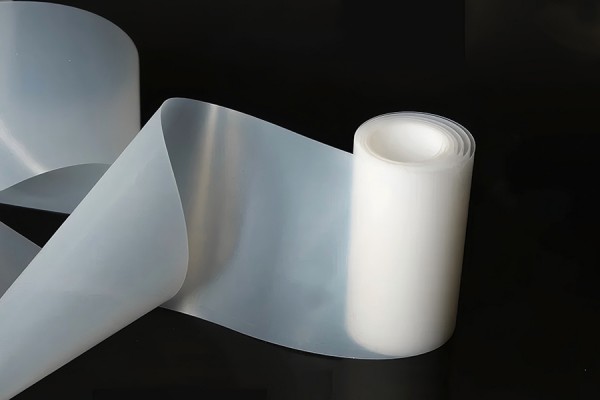
The implementation of ePTFE membranes in dental bone regeneration continues to demonstrate positive outcomes across various studies. Their role in preventing soft tissue infiltration while promoting bone healing is crucial, particularly in ridge defects. Membrane design, including factors such as surface microstructure and porosity, significantly impacts tissue integration and overall success rates of dental implants. Advanced membrane types have been shown to enhance cellular activities, contributing to faster and more effective healing processes. Understanding these differences allows for better optimization of strategies in selecting ePTFE membranes tailored to specific clinical needs, ultimately leading to improved patient outcomes in dental procedures.
Evaluating ePTFE Membrane Types in Dental Bone Regeneration
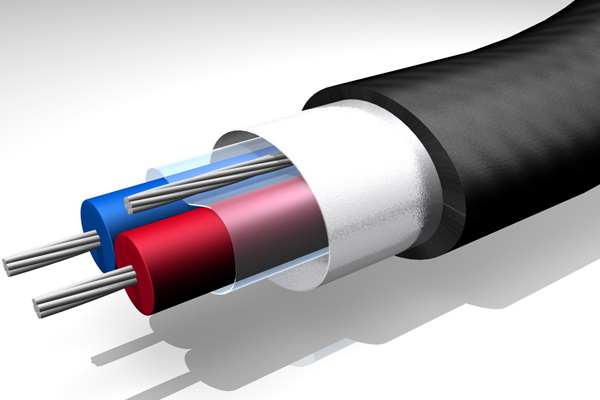
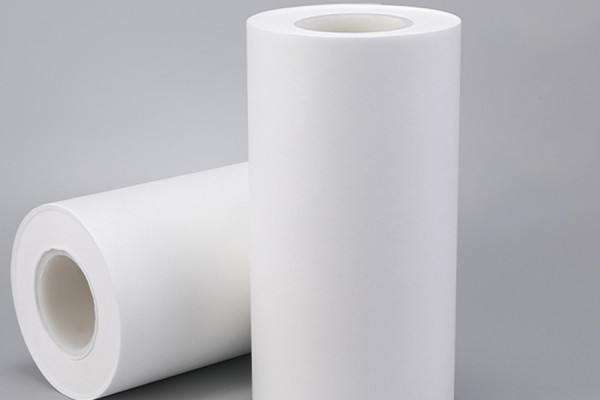
The investigation into the effectiveness of ePTFE membranes for dental bone regeneration reveals insightful data, especially concerning ridge defects. By employing different membrane designs, such as those that incorporate high-speed transmission line PTFE wrapping tape, researchers can assess their potential in promoting optimal healing and integration. The use of PTFE wrapping film and various high-speed cable wrapping films further enhances the regenerative properties required during the healing process. Notably, studies indicate that membranes like DAC high-speed cable wrapping film exhibit enhanced tissue integration metrics compared to standard varieties.
“Strategically choosing the right membrane can significantly impact the success of bone augmentation.” Therefore, ongoing evaluations of PTFE Thread Seal Tape and associated materials are crucial in determining the most effective solutions for improving bone regeneration outcomes. Emphasizing a systematic comparative approach not only assists in understanding membrane functionality but also optimizes regeneration strategies tailored for successful dental implant procedures.
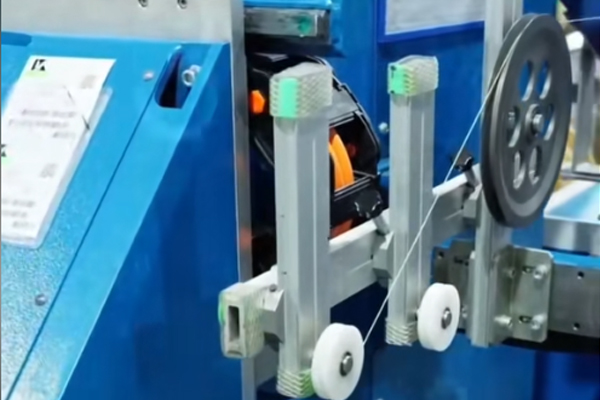
Effectiveness of ePTFE Membranes in Ridge Defects and Healing
The use of ePTFE membranes has been a significant advancement in the field of dental bone regeneration, particularly for ridge defects. These membranes provide a favorable environment for bone healing by acting as a physical barrier that prevents unwanted tissue infiltration. Studies show that utilizing different ePTFE membrane types can lead to varying outcomes in terms of tissue integration and bone formation. For instance, the integration efficiency of membranes like GTRM#1, GTRM#2, and GTRM#3 highlights how design features impact healing results. Through comparative analysis in animal models, results indicated that the membrane’s structure plays a pivotal role in successful bone augmentation. Importantly, beyond dental applications, the principles derived from using materials like PTFE thread seal tape and DAC high-speed cable wrapping film demonstrate the versatility and performance reliability of PTFE-based products across medical and industrial fields alike. Overall, continuous exploration into membrane effectiveness is vital for improving techniques in dental implant procedures.
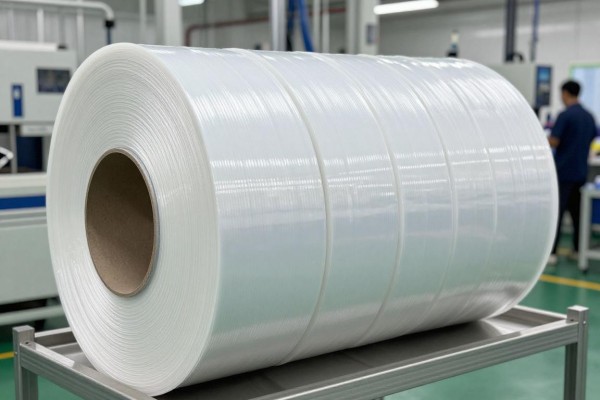
Comparative Outcomes of ePTFE Membranes in Bone Integration
The comparative analysis of ePTFE membranes has revealed significant differences in bone regeneration outcomes. In a study involving dogs with saddle-type ridge defects, the standard ePTFE membrane showed moderate efficacy in promoting bone integration. In contrast, membranes with advanced designs, such as those boasting an open surface microstructure and very porous external layers, enhanced tissue integration and regeneration rates considerably. This improvement may be attributed to their superior capacity to facilitate cell migration and vascular infiltration. Additionally, integrating materials like PTFE wrapping film or PTFE cable wrapping tape could further support the structural integrity of these membranes during the healing process. As such, the choice of ePTFE membrane type plays a critical role in optimizing outcomes for dental implants, especially when utilizing innovative wrapping films like AOC high-speed cable wrapping film and ACC high-speed cable wrapping film for added reinforcement.
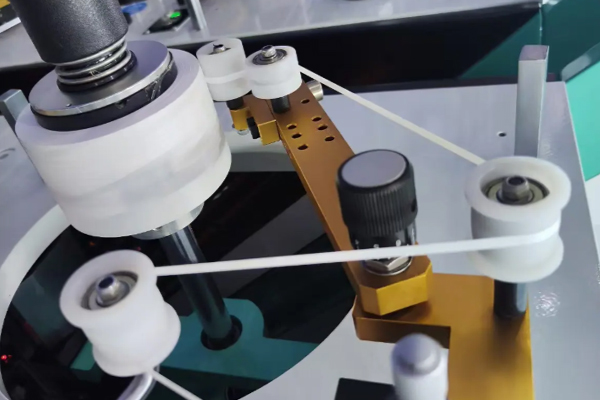
Analyzing ePTFE Membrane Performance for Dental Implant Success
The success of dental implants significantly hinges on the quality of bone regeneration facilitated by ePTFE membranes. Studies have demonstrated that different types of ePTFE membranes exhibit varied effectiveness in promoting osseointegration and healing. For instance, membranes designed with unique microstructures can enhance tissue integration by encouraging bone growth into their porous surfaces. A comparative evaluation of three ePTFE membrane types revealed differences in their performance metrics, such as bone density and integration time.
| Membrane Type | Bone Density (g/cm³) | Integration Time (months) | Efficacy Rating |
|---|---|---|---|
| GTRM#1 | 0.85 | 6 | Moderate |
| GTRM#2 | 0.90 | 5 | High |
| GTRM#3 | 1.05 | 4 | Very High |
These findings establish a clear link between membrane design, bone regeneration efficacy, and implant stability. Enhanced integration rates associated with specific membrane structures can be pivotal for achieving long-term success in dental implant procedures. Consequently, selecting the appropriate ePTFE membrane type is essential for optimizing outcomes in bone augmentation strategies.
The Role of ePTFE Membranes in Mandibular Bone Augmentation
ePTFE membranes play a critical role in mandibular bone augmentation by facilitating the healing process and enhancing tissue integration around dental implants. These membranes serve as a barrier, preventing soft tissue from infiltrating bone graft sites while allowing for the regeneration of bone. The use of composite bone grafts, typically comprising autologous and mineralized allograft materials, further supports this regenerative process. In clinical studies involving patients with atrophic posterior mandibles, ePTFE membranes demonstrated effective vertical bone regeneration. Additionally, different designs of ePTFE membranes have been evaluated for their impact on outcomes related to ingrowth and integration. Such comparative analyses help identify which membrane structures are most beneficial for achieving optimal healing and integration at the surgical site, ultimately improving implant success rates.
Investigating Tissue Integration with Different ePTFE Membrane Designs
The exploration of tissue integration with varying designs of ePTFE membranes reveals significant insights into their performance in dental applications. In studies involving different types of titanium reinforced ePTFE membranes, notable differences emerged in their influence on bone healing and tissue adaptation. The standard ePTFE membrane demonstrated reliable integration but showed less efficiency compared to prototypes like GTRM#2 and GTRM#3. The open surface microstructure of GTRM#2 facilitated enhanced cellular activity, promoting quicker integration, while the highly porous structure of GTRM#3 supported extensive vascularization, contributing to overall healing outcomes. These differences underscore the importance of membrane design in optimizing tissue integration and highlight the potential for tailoring ePTFE membranes to improve success rates in dental implants.
Optimizing Bone Regeneration Strategies Using ePTFE Membranes
Utilizing ePTFE membranes presents a reliable approach to enhance bone regeneration in dental implants, especially in challenging ridge defects. By analyzing various types of ePTFE membranes, including standard and experimental designs, researchers assess their roles in improving tissue integration and promoting effective healing. Each membrane type offers distinct characteristics that may influence healing outcomes. For instance, the microstructure of a membrane can affect cellular activities during the regeneration process. Additionally, the choice of membrane impacts the stability and longevity of the augmented bone volume. By optimizing these strategies, a better understanding of how different ePTFE membranes contribute to bone regeneration can be established, leading to more successful implant outcomes and improved patient care.
Conclusion
The use of ePTFE membranes has shown significant potential in promoting bone regeneration in dental implants, particularly through their effectiveness in enhancing tissue integration and healing processes. Research indicates that membrane design plays a crucial role in the success of bone augmentation, with variations leading to different outcomes in tissue adaptation and vascularization. Membranes such as GTRM#2 and GTRM#3, with their advanced microstructures, demonstrate superior capabilities in facilitating cell migration and optimizing healing environments. This underscores the importance of selecting the appropriate membrane type, as it can directly influence osseointegration and the overall success of dental implant procedures. Further investigation into this area remains essential for continual advancements in dental restorative techniques.
FAQs
What are the primary benefits of using ePTFE membranes in dental implants?
ePTFE membranes provide a vital barrier that prevents soft tissue infiltration while allowing for optimal bone regeneration essential for successful dental implant outcomes.
How do different types of ePTFE membranes impact healing?
The design and microstructure of ePTFE membranes considerably influence healing rates and tissue integration, with certain types promoting enhanced cell migration and vascularization.
Are there specific membrane designs that are more effective than others?
Yes, advanced designs such as those with porous structures or open surface microstructures have been shown to significantly improve tissue integration and overall bone regeneration outcomes.
Can the choice of membrane type affect the success of dental procedures?
Absolutely. Selecting an appropriate ePTFE membrane type is crucial, as it can directly influence osseointegration, ultimately leading to improved success rates in dental implant surgeries.
What role do composite bone grafts play alongside ePTFE membranes?
Composite bone grafts help support the regenerative process by providing a scaffold for new bone growth, further enhancing the effectiveness of ePTFE membranes during healing.