main Takeaways
ePTFE membranes are gaining recognition for their versatility and performance across various industries. Their unique properties, such as chemical resistance and superior thermal stability, make them indispensable in applications ranging from insulation in electrical components to detailed sealing solutions in medical devices. For instance, their use in pharmaceutical packaging ensures the integrity of sensitive environments, which is critical for maintaining sterility. In technology, the membranes’ ability to improve performance is evident in applications like OLED displays, where they provide effective shielding and sealing against dust and moisture. Furthermore, ePTFE membranes excel in filtration processes by separating contaminants while allowing gases to pass through, showcasing their adaptability. As industries continue to innovate, ePTFE will play a vital role in facilitating advancements that demand reliable and efficient materials.
Versatile uses of ePTFE Membranes
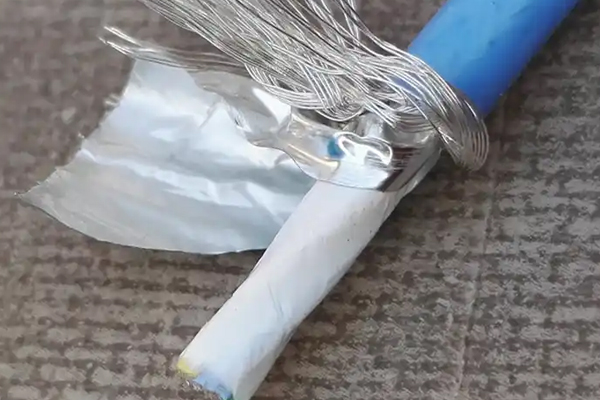
ePTFE membranes find extensive applications due to their unique properties such as chemical resistance, low flammability, and excellent electrical insulation. In the wire and cable industry, ePTFE is often employed in products like high speed transmission line PTFE wrapping tape and PTFE cable wrapping tape, providing insulation that withstands high temperatures and ensures reliable performance. The material’s low moisture absorption further enhances its suitability in various environments. In addition, PTFE Thread Seal Tape is used in plumbing systems for its sealing capabilities, safeguarding against leaks.
Moreover, the packaging sector benefits from DAC high-speed cable wrapping film, which protects sensitive cables from environmental hazards while maintaining flexibility. Applications also extend to industry-specific needs such as AOC high-speed cable wrapping film for telecommunications or ACC high-speed cable wrapping film for automotive wiring solutions. These films ensure efficient signal transmission in high-frequency scenarios by minimizing attenuation and interference. Overall, the versatility of ePTFE membranes across different sectors demonstrates their important role in enhancing product performance and reliability.
new Applications of ePTFE
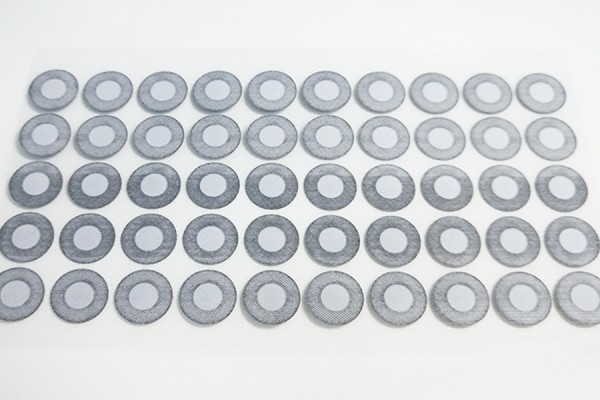
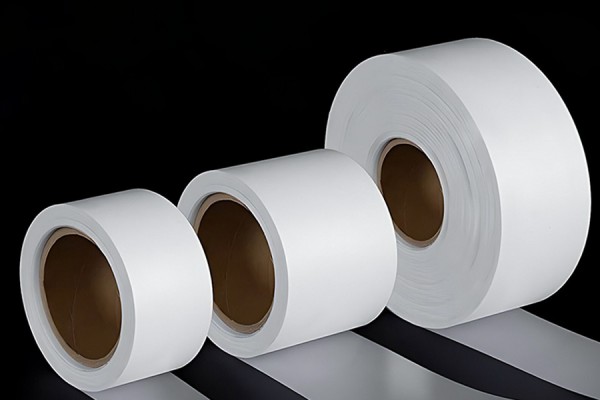
ePTFE membranes demonstrate versatile applications across various sectors, capitalizing on their unique properties. In the wire and cable industry, these membranes excel as insulation materials, outperforming traditional options like polyethylene and PVC. Their low flammability and high thermal stability are critical for high-frequency communications, ensuring reliability under demanding conditions. In display technology, ePTFE works with polyurethane and silicone foams to create effective sealing solutions for OLED displays. This combination enhances dust resistance, thermal management, and electromagnetic interference shielding. The medical field has also seen new uses for ePTFE, particularly in leak-proof gaskets for pharmaceutical packaging. These gaskets withstand aggressive chemicals, providing secure storage solutions. In microfluidics, ePTFE enables precise gas flow control in medical testing scenarios by managing microscale channels under high pressure. Moreover, its hydrophobic characteristics make it suitable for filtration applications across a wide pH range while ensuring moisture separation. These diverse applications display the adaptability and effectiveness of ePTFE membranes in enhancing technology and medical practices.
ePTFE in Insulation Solutions
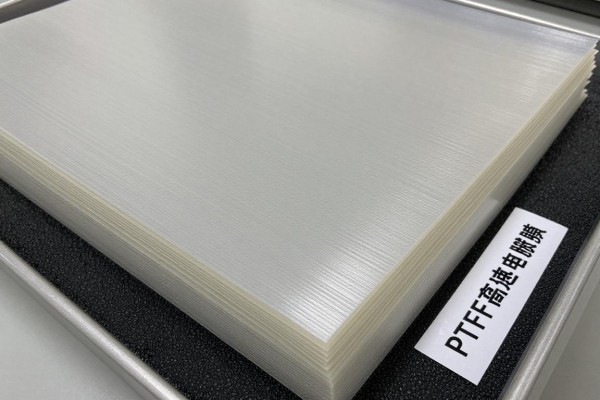
ePTFE membranes serve essential roles in insulation solutions across various industries. Their low dielectric constant aids in minimizing signal loss in high-frequency applications, making them ideal for electrical wiring and cables. Unlike traditional insulation materials, ePTFE exhibits superior thermal stability and low flammability, which are critical in preventing fire hazards and maintaining performance under thermal stress. This makes ePTFE particularly advantageous in environments where temperature fluctuations are common. Moreover, its low moisture absorption reduces the risk of electrical failures due to dampness. The combination of these properties ensures that ePTFE is a reliable choice for insulating components in sophisticated devices, enhancing overall operational efficiency while safeguarding against potential safety risks. In addition to electrical applications, ePTFE is increasingly recognized for its adaptability to various industrial processes that demand robust insulation solutions.
Sealing solutions with ePTFE
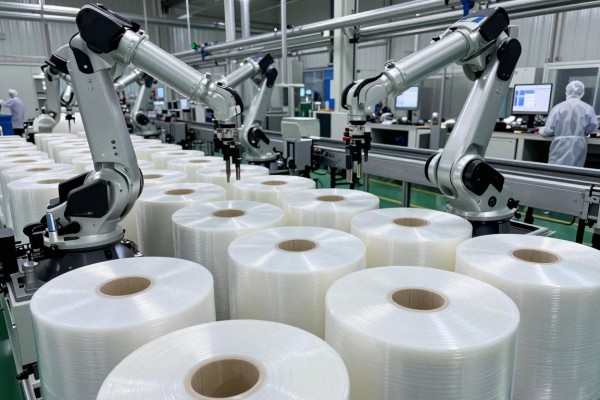
ePTFE membranes are integral to developing effective sealing solutions across various applications. Their unique hydrophobic nature and chemical resistance make them suitable for challenging environments in both technology and medical fields. In medical packaging, ePTFE gaskets provide reliable seals for sensitive chemicals, preventing leaks and ensuring safety during storage. These gaskets withstand aggressive substances like acids and bases, contributing to longer-lasting integrity in packaging. In technology applications, ePTFE membranes boost the performance of electronic devices by safeguarding sensitive components from dust and moisture ingress. The combination of low flammability and minimal smoke emissions ensures that ePTFE is a safe choice for sealing solutions in high-stakes environments. As industries continue to seek materials that combine durability with performance, ePTFE stands out for its reliability in sealing applications, effectively addressing diverse requirements across sectors.
ePTFE in Advanced Filtration
ePTFE membranes are effective in advanced filtration due to their hydrophobic characteristics, allowing them to separate liquids while blocking moisture. This property is important in applications involving corrosive chemicals across a wide pH range, making them suitable for various industrial environments. ePTFE’s ability to maintain structural integrity under pressure further enhances its filtration efficacy. The membranes can withstand high flow rates without compromising the filtration process, ensuring consistent performance.
In air filtration systems, ePTFE effectively filters particles and contaminants while preventing clogging, resulting in longer service life compared to traditional filtering materials. These membranes also provide excellent barrier properties, which are essential in safeguarding sensitive processes in laboratories and manufacturing settings. The versatility and reliability of ePTFE membranes make them a preferred choice for precise filtration requirements, meeting stringent industry standards across sectors where safety and efficiency are paramount.
ePTFE Membranes in Tech Industry
ePTFE membranes serve important roles in the tech industry, particularly in applications that require effective insulation. Their advanced thermal stability makes them a preferred choice over traditional insulation materials such as polyethylene and polyvinyl chloride. These membranes exhibit low flammability and minimal smoke emissions, important for safety in high-temperature environments. In wire and cable applications, ePTFE’s low dielectric constant ensures efficient electrical performance, particularly important for high-frequency communications. Furthermore, ePTFE enhances sealing solutions for OLED displays by combining with polyurethane and silicone foams. This combination improves thermal management and dust resistance while also providing shielding from electromagnetic interference (EMI) at various junction points. The robust properties of ePTFE enable it to manage the demanding conditions often found in electronic applications, making it a versatile solution that meets diverse industry needs.
ePTFE Gaskets for Medical Needs
ePTFE gaskets provide reliable sealing solutions in the medical sector, particularly for pharmaceutical packaging and chemical containers. Their unique chemical resistance allows them to withstand exposure to harsh substances, including strong acids and bases. This quality is essential for maintaining the integrity of sensitive liquids during storage and transport. ePTFE gaskets also prevent leaks, protecting both the contents and the surrounding environment. The material’s durability under high pressure ensures a secure seal even in demanding situations, enhancing the safety of medical applications. These gaskets significantly reduce the risk of contamination, which is important in patient care settings where sterility is paramount. Overall, ePTFE plays a vital role in improving efficiency and safety within medical environments.
High-Performance ePTFE Applications
ePTFE membranes deliver exceptional performance in a variety of demanding environments. Their use in wire and cable insulation stands out; the membranes provide a high dielectric strength and low flammability, ensuring safety and reliability in electrical applications. In the realm of display technology, ePTFE’s capacity for blocking light and resisting dust proves beneficial for protecting sensitive OLED displays from environmental factors. The material’s unique properties also make it suitable for medical applications, where ePTFE gaskets play a important role in preventing leaks in pharmaceutical packaging, especially for volatile substances. Furthermore, these membranes excel in filtration processes, effectively separating corrosive chemicals across extensive pH levels while maintaining gas flow control in microfluidic devices under high pressure. The ability of ePTFE to resist moisture while allowing gas transfer makes it invaluable across industries where purity and reliability are essential.
Conclusion
ePTFE membranes represent a versatile solution across various technological and medical domains. Their unique attributes, including chemical resistance and low flammability, make them ideal for critical applications such as insulation, sealing, and filtration. In the tech industry, they ensure reliability in high-frequency communications and protect sensitive electronic components from environmental hazards. Similarly, their use in the medical sector highlights their ability to maintain sterile conditions in pharmaceutical packaging and manage precise gas flows in advanced testing equipment. As industries evolve, the demand for adaptable materials like ePTFE will continue to grow, supporting innovations that require high performance under diverse conditions. The adaptability and reliability of ePTFE membranes truly exemplify their role in driving advancements across multiple sectors.
FAQs
What are ePTFE membranes?
ePTFE membranes are thin, flexible films made from expanded polytetrafluoroethylene, known for their unique properties like chemical resistance and excellent insulation.
What industries use ePTFE membranes?
ePTFE membranes are utilized in various sectors including technology, medical, telecommunications, and environmental applications.
How do ePTFE membranes improve filtration processes?
They effectively separate liquids while blocking moisture and contaminants, ensuring reliable performance in demanding filtration scenarios.
Can ePTFE membranes withstand high temperatures?
Yes, ePTFE membranes exhibit excellent thermal stability, making them suitable for applications involving exposure to high temperatures.
Are ePTFE gaskets safe for medical use?
Absolutely. ePTFE gaskets provide reliable seals that prevent leaks and maintain sterility, making them essential in pharmaceutical packaging.
How do ePTFE membranes contribute to electrical insulation?
Their low dielectric constant minimizes signal loss in high-frequency applications, ensuring efficient performance in electrical wiring and components.
What makes ePTFE suitable for sealing solutions?
ePTFE’s hydrophobic nature and resistance to aggressive chemicals make it effective in creating secure seals that withstand various environmental challenges.
Are there specific safety advantages of using ePTFE?
Yes, its low flammability and minimal smoke emissions provide enhanced safety in high-stakes environments.