important Takeaways
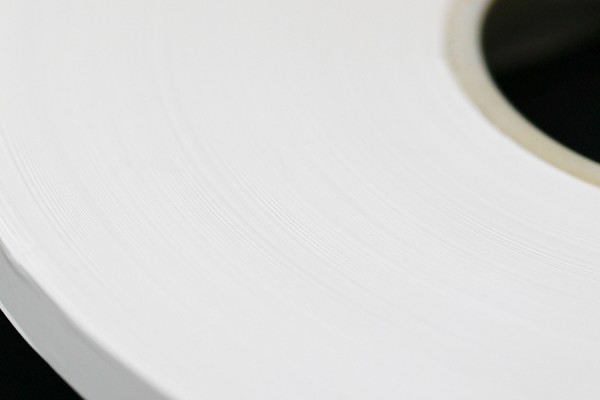
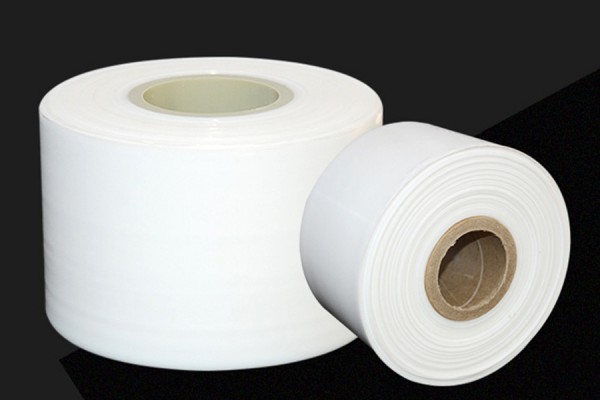
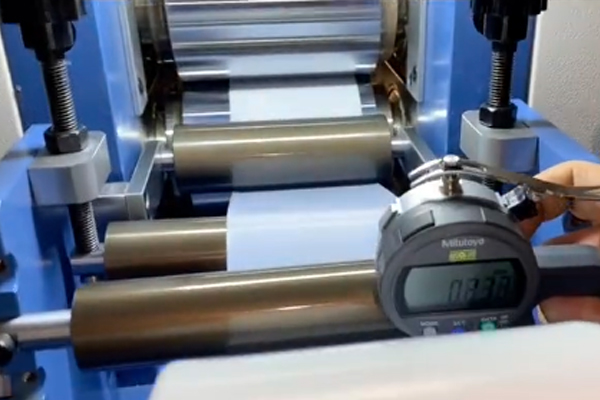
PTFE film stands out in modern industrial applications due to its remarkable properties. Its resistance to chemical corrosion allows for longevity in challenging environments, making it a reliable choice for insulating electrical components and machinery. The film’s low friction characteristics are vital for reducing wear in mechanical systems, which contributes to safer and more efficient operations. In the food processing realm, PTFE film’s non-stick quality not only facilitates easier cleaning but also minimizes contamination risks, essential for maintaining hygiene standards. Furthermore, its ability to function under extreme temperatures positions PTFE film as a critical material across a variety of sectors, including aerospace and automotive industries. The versatility of PTFE film means it can be adapted for specific applications while maintaining its performance integrity, thus supporting innovation and operational excellence across different fields.
Exceptional properties of PTFE Film
PTFE film offers unique characteristics that set it apart in industrial applications. Its excellent chemical resistance prevents degradation when exposed to harsh substances, making it ideal for settings where exposure to corrosive materials is common. The low friction surface minimizes wear in mechanical applications and promotes smooth operation in various equipment. The thermal stability of PTFE allows it to maintain integrity under high temperatures, ensuring reliable performance across electrical insulation tasks.
In the realm of cable management, high-speed transmission line PTFE wrapping tape plays a vital role, ensuring efficient signal transmission without interference. PTFE cable wrapping film is extensively used to boost electrical performance in high-frequency scenarios. Products like DAC, AEC, and AOC high-speed cable wrapping films demonstrate these properties by offering robust insulation while maintaining flexibility and resistance to environmental factors.
"The durability of PTFE film makes it indispensable in industries requiring consistent performance under demanding conditions."
With its versatility, PTFE thread seal tape further exemplifies the utility of this material by providing airtight seals that withstand pressure fluctuations and temperature changes, solidifying its position as an essential component in numerous applications.
PTFE Film in Electrical Insulation
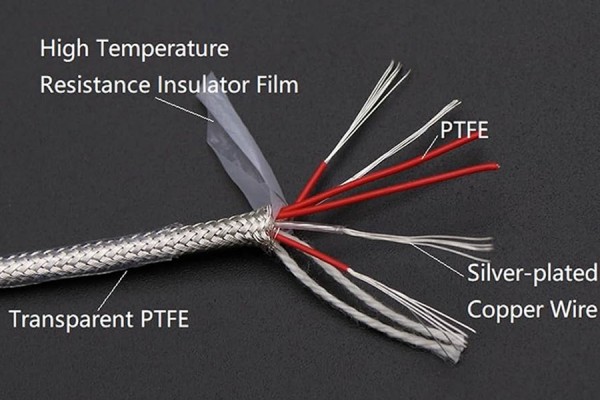
PTFE film is widely recognized for its exceptional electrical insulation properties. Its high dielectric strength ensures minimal electrical leakage, making it ideal for applications where safe and reliable insulation is critical. This film can withstand a wide range of temperatures without degrading, which is essential for electrical components exposed to varying thermal environments.
In industries such as aerospace and electronics, PTFE film is used to insulate wires and cables, preventing electrical interference and enhancing overall system performance. Its non-stick nature also contributes to easier handling during installation processes. Furthermore, the chemical resistance of PTFE allows it to maintain its insulating properties even in harsh environments, shielding sensitive electronic parts from potential damage due to corrosive substances.
| Property | Value |
|---|---|
| Dielectric Strength | ≥ 60 kV/mm |
| Temperature Range | -200°C to 260°C |
| Tensile Strength |
25 MPa |
| Chemical Resistance | Excellent |
|---|
As systems become more compact and energy-efficient, the demand for materials like PTFE film that can deliver reliable insulation without compromising space or performance grows significantly.
Versatile uses of PTFE Film
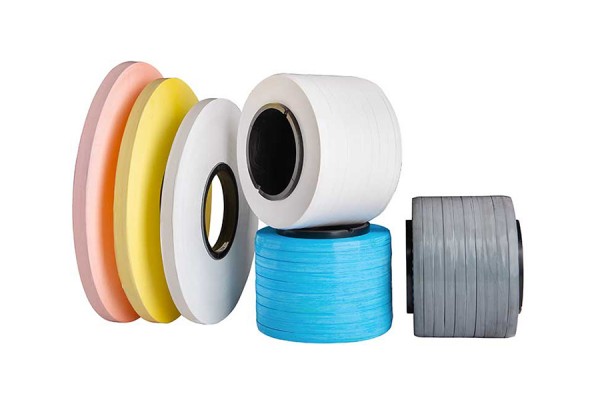
PTFE film serves a broad range of applications due to its unique characteristics. In the electronics sector, it is often utilized for insulation in wires and connectors, effectively preventing electrical interference and promoting safety. The film’s low friction properties reduce wear in mechanical components, making it ideal for use in conveyor systems and machinery where smooth operation is necessary. In the automotive industry, PTFE film provides an effective waterproofing solution while enhancing durability in engine components. The pharmaceutical sector also benefits from PTFE film for its non-reactive nature, ensuring that sensitive processes maintain integrity without contamination. Furthermore, the film’s heat resistance allows it to be used in various cooking equipment and appliances, making it a preferred choice for non-stick surfaces in food processing environments. Overall, the diverse functionality of PTFE film positions it as an essential material across multiple industrial applications.
Enhancing performance with PTFE
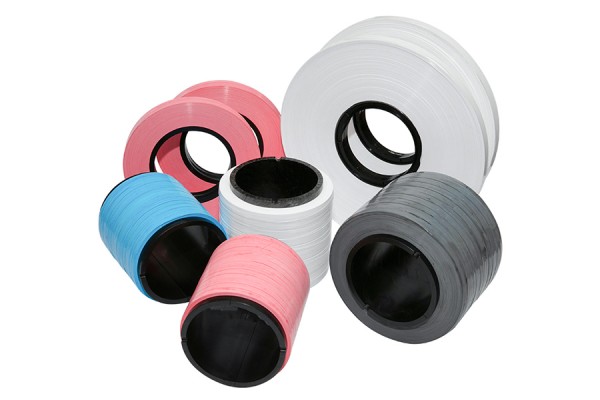
PTFE film is known for its superior electrical insulation qualities, enabling it to perform effectively in high-voltage applications. The film’s low dielectric constant and minimal dielectric loss make it suitable for use in various electronic devices where signal integrity is important. Furthermore, its resistance to a wide range of chemicals ensures longevity and stability in harsh environments, reducing the need for frequent replacements. PTFE’s non-stick properties contribute to its utility in applications where friction reduction is needed, improving the efficiency of machinery and equipment. In industries that demand reliability, such as aerospace and telecommunications, using PTFE film allows for more compact designs without compromising performance. The versatility of PTFE also extends to its integration with other materials, enhancing the overall functionality of composite systems. By adopting PTFE film in product designs, manufacturers can achieve improved operational efficiency and reliability across numerous industrial sectors.
Industrial applications of PTFE Film
PTFE film serves various roles across industries due to its significant properties. In the aerospace sector, it is used for components requiring insulation and chemical resistance, ensuring reliable performance even in extreme environments. The electrical industry utilizes PTFE film in insulating protective layers for wires and cables, as it maintains integrity under various temperatures and conditions. In the food processing industry, PTFE film’s non-stick nature allows for easy maintenance and reduces contamination risks. Medical devices also benefit from this material, where biocompatibility and durability are critical. Moreover, PTFE film finds applications in industrial filtration processes, helping to improve air quality and protect equipment. Its versatility makes it a helpful asset in enhancing operational efficiency across diverse sectors.
Why choose PTFE Film?
PTFE film stands out for its unique characteristics that make it a preferred choice in various industrial applications. Its remarkable chemical resistance ensures durability in harsh environments, preventing degradation from corrosive substances. The film’s low friction properties contribute to enhanced efficiency in moving components, minimizing wear and tear. Furthermore, the non-stick surface allows for easy cleaning and reduced material buildup, prolonging the lifespan of tools and equipment. When considering electrical insulation, PTFE film provides excellent dielectric strength, ensuring reliable performance in demanding electrical applications. Its versatility extends across industries such as aerospace, electronics, and food processing, where compliance with strict hygiene standards is essential. The ability to customize thickness and textures also caters to specific operational needs. Utilizing PTFE film can lead to improved overall performance, cost efficiency, and safety within manufacturing processes.
PTFE Film: A important Element in Industry
PTFE film plays a significant role in various industrial sectors thanks to its unique properties. The film’s excellent dielectric strength makes it an ideal choice for electrical insulation applications. It effectively prevents short circuits and protects components from environmental factors, enhancing equipment longevity and reliability. Beyond electrical uses, PTFE film is versatile; it’s employed in the manufacturing of gaskets and seals, providing robust protection against corrosive substances in chemical processing. In the aerospace sector, its lightweight yet durable nature contributes to weight reduction without compromising safety standards. Furthermore, PTFE film exhibits low friction properties, making it suitable for applications like bearings and slides in machinery, thereby improving operational efficiency and reducing wear over time. Industries seeking to maximize performance increasingly recognize PTFE film as a vital material that meets the demands of modern manufacturing processes while ensuring safety and sustainability.
Maximizing efficiency with PTFE Film
PTFE film significantly boosts efficiency across various industrial applications due to its unique characteristics. Its low friction surface reduces wear and tear on machinery, enhancing operational longevity. By minimizing energy loss, PTFE film improves system performance in devices like motors and pumps. The film’s chemical resistance also safeguards components from corrosive substances, allowing equipment to function optimally without frequent replacements.
In electrical applications, PTFE film’s dielectric properties ensure reliable insulation, which is critical in minimizing power losses and enhancing safety. Industries relying on high-temperature processes benefit from PTFE’s thermal stability, as it maintains integrity under extreme conditions. Furthermore, the lightweight nature of PTFE film contributes to overall system efficiency by reducing the load on machinery while maintaining strength. By incorporating PTFE film into their operations, industries can achieve streamlined processes, reduced downtime, and improved overall productivity.
Conclusion
the remarkable attributes of PTFE film position it as a cornerstone in modern industrial applications. Its high resistance to heat and chemicals, coupled with excellent electrical insulation properties, enables its use across various sectors, from aerospace to electronics. As industries evolve toward compact and efficient designs, the demand for dependable materials like PTFE film continues to grow. Its low friction surface minimizes wear in machinery, which not only extends lifespan but also enhances operational efficiency. By employing PTFE film, manufacturers can maintain rigorous safety and performance standards while optimizing their production processes. Overall, the integration of PTFE film in various applications exemplifies its vital role in advancing industrial capabilities and ensuring consistent reliability amid challenging conditions.
FAQs
What is PTFE film?
PTFE film is a type of polymer film made from polytetrafluoroethylene, known for its exceptional chemical resistance and electrical insulation properties.
What industries use PTFE film?
PTFE film is widely used in industries such as aerospace, electronics, automotive, pharmaceuticals, and food processing for various applications.
How does PTFE film improve electrical insulation?
PTFE film has a high dielectric strength, which minimizes electrical leakage and ensures reliable insulation in high-voltage applications.
Can PTFE film withstand extreme temperatures?
Yes, PTFE film maintains its integrity across a wide temperature range from -200°C to 260°C, making it suitable for demanding environments.
Is PTFE film environmentally friendly?
While PTFE is durable and long-lasting, its production and disposal can have environmental impacts; however, it can be recycled under specific conditions.
What are the benefits of using PTFE film in mechanical applications?
The low friction surface of PTFE film reduces wear and tear on machinery parts, leading to improved efficiency and extended lifespan of equipment.
How is PTFE film applied in food processing?
PTFE film’s non-stick properties make it ideal for use in food processing equipment, allowing for easy cleaning and minimizing contamination risks.
Is custom thickness available for PTFE films?
Yes, manufacturers typically offer customization in thickness and texture to meet specific application requirements.