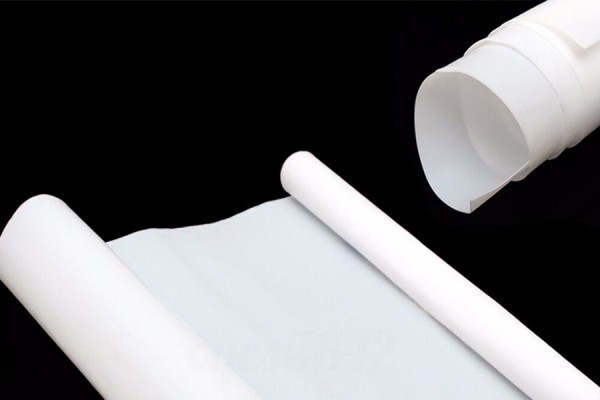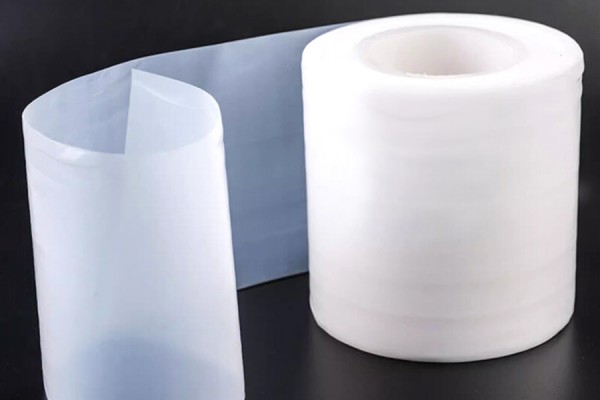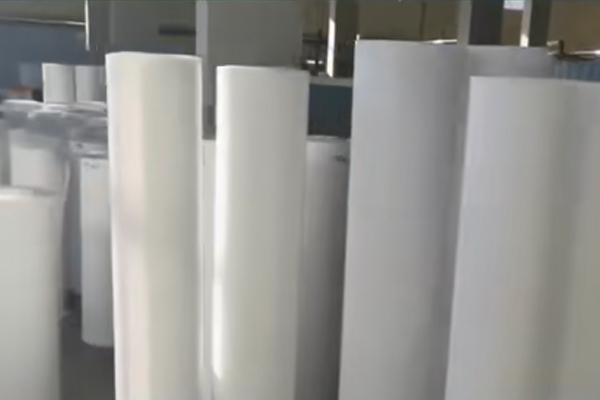
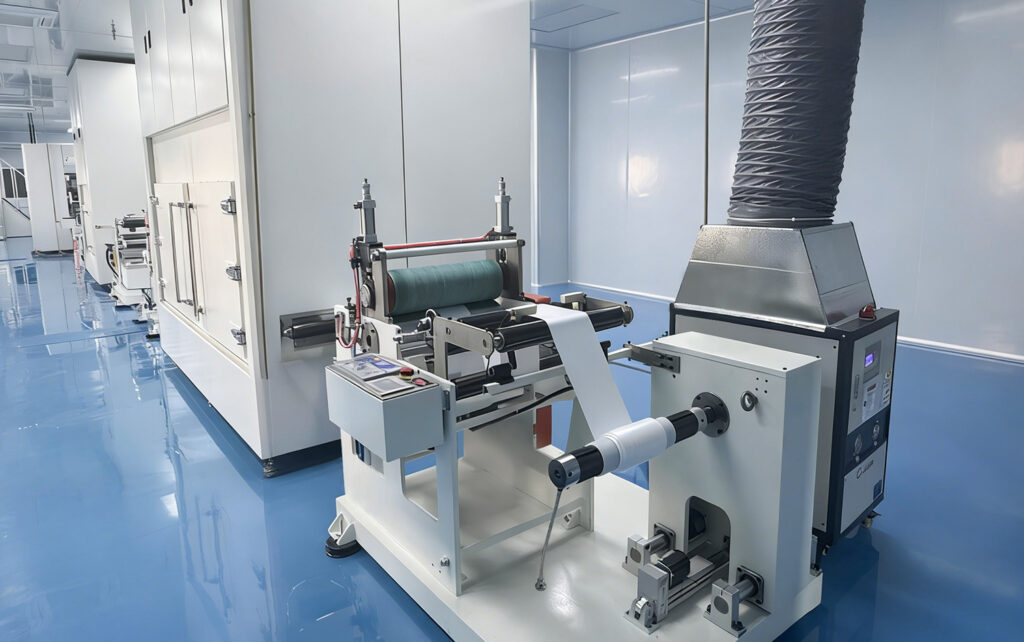
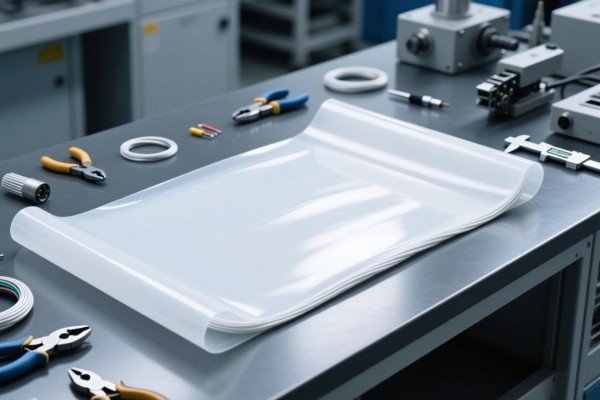
Advanced PTFE membranes are pivotal in enhancing the functionality and reliability of semiconductor and wearable technologies. Their unique properties, such as exceptional chemical resistance and efficient filtration capabilities, significantly improve production processes and device performance. In semiconductor manufacturing, PTFE membranes help maintain high purity levels by capturing contaminants during critical processes, ensuring product quality. For wearables, these membranes provide moisture management and durability, essential for performance in everyday use. The continuing evolution of PTFE technology reflects its importance in meeting the demands for advanced microelectronics and smart devices while adhering to rigorous cleanliness standards.
Advanced PTFE Membrane Innovations in Semiconductor Applications
The semiconductor industry increasingly relies on advanced PTFE membrane technologies to drive efficiency and reliability. Utilizing materials like high-speed transmission line PTFE wrapping tape and PTFE thread seal tape, manufacturers enhance the integrity of their processes while ensuring consistent performance. For applications involving critical components, including AEC high-speed cable wrapping film and DAC high-speed cable wrapping film, the characteristics of these films prevent leakage and maintain purity throughout the manufacturing process.
Additionally, PTFE cable wrapping tape serves to safeguard delicate wiring in semiconductors, minimizing exposure to contaminants. The seamless integration of PTFE cable roll coating further boosts operational resilience by providing an extra layer of protection against harsh environments. Research indicates that employing high-speed and high-frequency cable wrapping film yields a significant reduction in potential signal loss, which is crucial for microelectronic applications.
"Utilizing tailored PTFE solutions can considerably enhance product reliability in semiconductor production."
Enhancing Performance with PTFE Membranes in Microelectronics
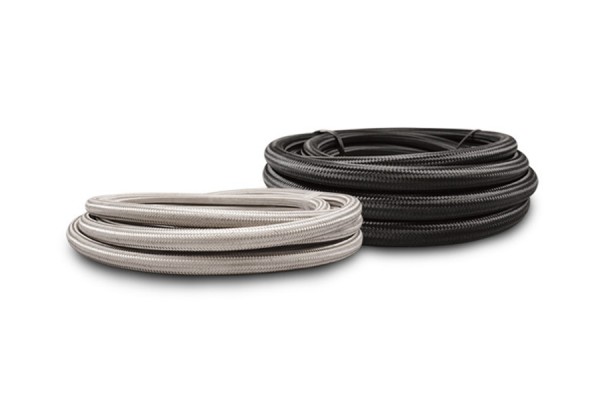
PTFE membranes play a vital role in improving the performance of microelectronic devices. Their unique properties, such as high chemical resistance and thermal stability, facilitate reliable operation in various manufacturing processes. For instance, the use of PTFE membranes enhances cleanliness during critical processes like photolithography and chemical mechanical polishing. Their gradient pore structure effectively captures nanoparticles, ensuring high fluid purity, which is essential in semiconductor production. Additionally, these membranes are compatible with high-speed and high-frequency cable wrapping film applications, further driving innovation in electronic connectivity. The integration of PTFE technology within microelectronics not only boosts product reliability but also meets the stringent quality standards demanded by modern manufacturing practices.
Revolutionizing Wearable Technology through Advanced PTFE Solutions
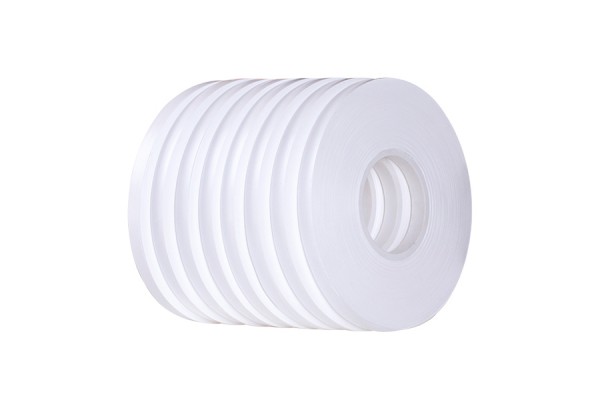
Advanced PTFE solutions are transforming wearable technology by enhancing performance and reliability. The unique properties of PTFE membranes enable effective moisture management and durability in devices like smartwatches and fitness trackers. These membranes provide critical benefits, including the ability to withstand environmental challenges while maintaining performance quality. Notably, high-speed transmission line PTFE wrapping tape is utilized to ensure robust signal integrity in wearables. Similarly, the use of DAC high-speed cable wrapping film and AEC high-speed cable wrapping film further contributes to the connectivity and efficiency of these devices. Moreover, AOC high-speed cable wrapping film applies advanced filtration capabilities, preventing dust ingress that could impact functionality. As wearables evolve, these advanced PTFE solutions play a vital role in delivering innovative features and enhancing user experience.
The Role of PTFE Membranes in Ensuring Cleanroom Standards
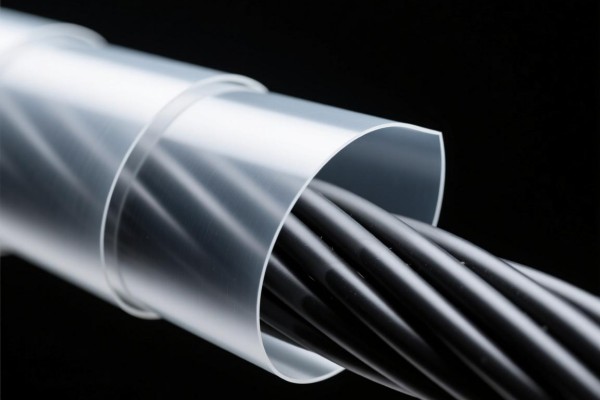
PTFE membranes play a vital role in maintaining cleanroom standards across various industries. Their unique properties allow for exceptional filtration efficiencies, crucial in environments that demand stringent cleanliness. As semiconductor manufacturing processes evolve, using PTFE cable wrapping tape and PTFE cable roll coating enhances equipment reliability while minimizing contamination risks. In smart wearables, where microelectronics are integrated delicately, ACC high-speed cable wrapping film provides not only insulation but also protection against particulate and moisture ingress. This ensures the integrity of sensitive components exposed to fluctuating conditions, ultimately safeguarding performance and longevity. The integration of these advanced materials supports the compliance with cleanroom protocols, forming a critical part of the infrastructure that underpins modern manufacturing excellence.
Tailored PTFE Solutions for Enhanced Reliability in Smart Devices
PTFE membranes play a vital role in optimizing the reliability of smart devices. Their unique properties allow for effective moisture and dust protection, crucial for maintaining functionality in compact designs. The integration of PTFE Thread Seal Tape enhances sealing capabilities, ensuring that critical components remain protected from environmental factors. Furthermore, these membranes improve pressure balance in devices like smartwatches and earbuds, allowing for better sound quality and performance consistency. As smart devices become more sophisticated, the demand for advanced materials like PTFE continues to rise, cementing their significance in delivering high-quality electronic products that meet user expectations.
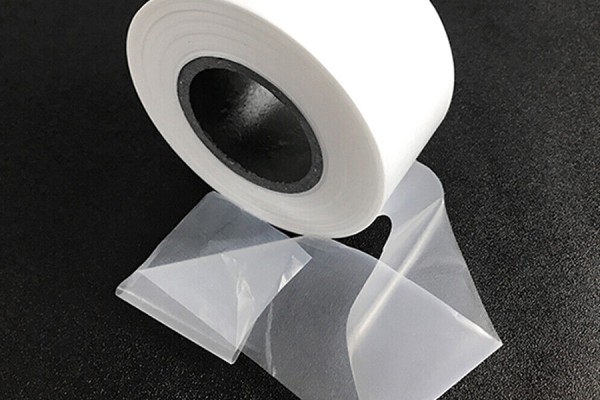
Achieving Excellence: The Significance of PTFE in Semiconductor Manufacturing
PTFE membranes are essential in semiconductor manufacturing due to their unique properties that enhance production processes. Their chemical resistance ensures that harmful contaminants do not compromise the integrity of electronic components. In critical applications like photoetching and Chemical Mechanical Polishing (CMP), where precision is paramount, PTFE’s capability to capture nanoparticles and maintain fluid purity is invaluable. The advanced gradient pore structure allows for efficient filtration, significantly reducing maintenance costs. As technology progresses and transistors shrink further, integrating these membranes into manufacturing setups becomes even more crucial for achieving the high cleanliness standards required in microelectronics production. This reliability not only fosters consistent performance but also assures end-users of product quality, making PTFE a cornerstone material in this sector.
Exploring High-Performance Membrane Technologies for Wearables
Advanced PTFE membranes play a crucial role in the functionality of modern wearable devices. These membranes are designed to provide effective airflow while preventing the ingress of liquids and dust, which is essential for maintaining the integrity and performance of electronic components. With their unique porous structure, PTFE membranes allow for sound quality enhancement in devices like smartwatches and earbuds by ensuring clear acoustic transmission through integrated microphone openings. Additionally, their chemical inertness and temperature resistance make them suitable for diverse applications in challenging environments. The IP68 rating of these membranes signifies their reliability in protecting wearables against water damage and contamination from environmental factors, thus supporting consistent performance in daily use. As wearable technology continues to evolve, the integration of high-performance PTFE membranes will be key to achieving durability and user satisfaction.
PTFE Membranes: Elevating Standards in Electronics and Wearable Tech
PTFE membranes play a crucial role in enhancing the performance and reliability of electronic devices and wearable technology. These materials offer exceptional filtration capabilities, making them ideal for environments where cleanliness is paramount. In semiconductor manufacturing, PTFE wrapping film contributes to maintaining high purity levels by effectively capturing contaminants during critical processes such as photolithography and chemical mechanical polishing. Moreover, in wearable tech, PTFE membranes support moisture management and durability, allowing devices to operate efficiently in various conditions. The combination of these attributes ensures that both microelectronics and smart devices can meet the rigorous demands of modern consumers while maintaining consistent quality standards across applications.
Conclusion
The integration of advanced PTFE membranes in semiconductor and wearable technology marks a significant advancement in performance and reliability. Their ability to withstand harsh environments while maintaining cleanroom standards plays a pivotal role in ensuring the efficiency of manufacturing processes. PTFE membranes contribute to crucial applications by enhancing filtration, protecting sensitive components, and facilitating optimal performance in microelectronics. This continued evolution is crucial as the demands for compact, high-performing wearable devices rise. The advancements in PTFE technology reflect not only the progress in material science but also the industry’s commitment to achieving excellence across various applications.
FAQs
What advantages do advanced PTFE membranes offer in semiconductor manufacturing?
Advanced PTFE membranes provide high chemical resistance and exceptional filtration capabilities, which prevents contamination and ensures the purity of electronic components.
How do PTFE membranes improve performance in wearable technology?
PTFE membranes manage moisture effectively, allow for airflow, and enhance durability, ensuring that wearables such as smartwatches operate reliably under various conditions.
Can PTFE solutions help maintain cleanroom standards?
Yes, the unique filtration efficiency of PTFE membranes significantly contributes to maintaining the cleanliness required in semiconductor manufacturing and other sensitive environments.
What makes PTFE essential for high-frequency applications?
The chemical properties of PTFE minimize signal loss and enhance connectivity, making it ideal for high-speed transmission in both semiconductor devices and wearables.
How do these materials impact device longevity?
By safeguarding critical components from environmental factors like moisture and dust, PTFE membranes extend the operational life of smart devices, ensuring consistent performance over time.