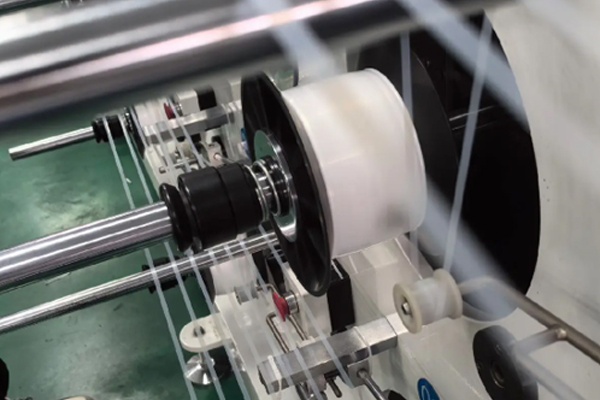
Polytetrafluoroethylene (PTFE) wrapping film presents a range of notable benefits across various industrial applications. Its unique properties, including low friction and high chemical resistance, significantly contribute to its efficiency and longevity in demanding environments. Industries such as aerospace and automotive leverage PTFE for insulation, protection, and reduced wear on machinery. Additionally, the film’s versatility extends its use to telecommunications and food processing, where it maintains the integrity of equipment against harsh conditions. Ultimately, choosing PTFE wrapping film can lead to enhanced performance, durability, and cost-effectiveness in manufacturing processes across multiple sectors.
Advantages of Polytetrafluoroethylene (PTFE) Wrapping Film in Industrial Settings
Polytetrafluoroethylene (PTFE) wrapping film offers numerous advantages in various industrial settings, primarily due to its exceptional properties. This film is crucial for applications that require precision, such as high-speed transmission line PTFE wrapping tape, where electrical performance is paramount. Its superior chemical resistance allows it to withstand harsh environments and substances without degradation, making it an ideal choice for industries like automotive and electronics. When used as a PTFE Thread Seal Tape, the film provides an airtight seal that prevents leaks in fluid transportation systems. Variants such as PTFE cable wrapping tape and DAC high-speed cable wrapping film enhance the performance of cables, ensuring optimal functioning in high-frequency applications. This versatility extends to other specialized products like AEC and AOC high-speed cable wrapping films, which cater to specific industrial needs. Consequently, the adoption of PTFE wrapping film significantly contributes to improved functional efficacy and longevity in equipment across industrial sectors.
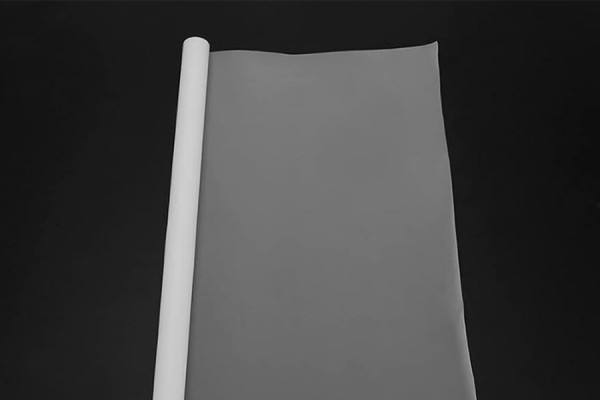
Key Applications of PTFE Wrapping Film Across Industries
Polytetrafluoroethylene (PTFE) wrapping film plays a crucial role in various industrial sectors due to its outstanding properties. In the aerospace industry, it is used for insulation and protection against environmental factors, ensuring the durability of critical components. The electrical sector frequently utilizes high speed transmission line PTFE wrapping tape for its excellent insulating characteristics and resistance to high temperatures. In telecommunications, DAC high-speed cable wrapping film is favored for its ability to provide effective shielding and protection from moisture and chemicals.
Other sectors that benefit from PTFE wrapping film include food processing and pharmaceuticals, where the non-stick nature and chemical resistance of the material help maintain product integrity. Furthermore, the automotive industry appreciates PTFE’s durability under extreme conditions, making it ideal for applications in fuel lines and connectors. The versatility of PTFE wrapping film enhances operational efficiency across these industries while ensuring compliance with strict safety standards.
| Industry | Application | Key Benefits |
|---|---|---|
| Aerospace | Insulation and protection | High durability |
| Electrical | High speed transmission line tape | Excellent insulating properties |
| Telecommunications | DAC high-speed cable tape | Moisture and chemical resistance |
| Food Processing | Non-stick coatings | Maintains product integrity |
| Automotive | Components (fuel lines, connectors) | Performance under extreme conditions |
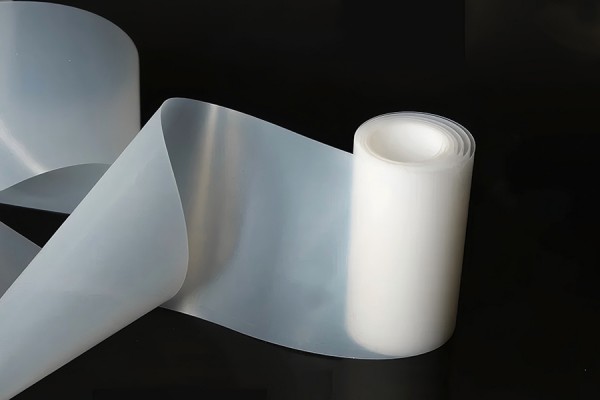
The Superior Features of Polytetrafluoroethylene (PTFE) Wrapping Film
Polytetrafluoroethylene (PTFE) wrapping film stands out due to its unique combination of properties that enhance its performance in various industrial applications. Its low friction coefficient allows for smooth operation, thereby reducing wear and tear on machinery. Additionally, PTFE is known for its exceptional chemical resistance, making it ideal for environments where exposure to corrosive substances is common. The AEC high-speed cable wrapping film, for example, leverages these qualities to protect electrical components from potential damage. Similarly, the AOC high-speed cable wrapping film offers reliable insulation and protection against environmental factors, ensuring that the integrity of cables is maintained over time. These films also exhibit excellent thermal stability, which is crucial in industries requiring materials that can withstand extreme temperatures without degradation. Overall, the superior features of PTFE wrapping film contribute to its widespread adoption in sectors focused on efficiency and durability.
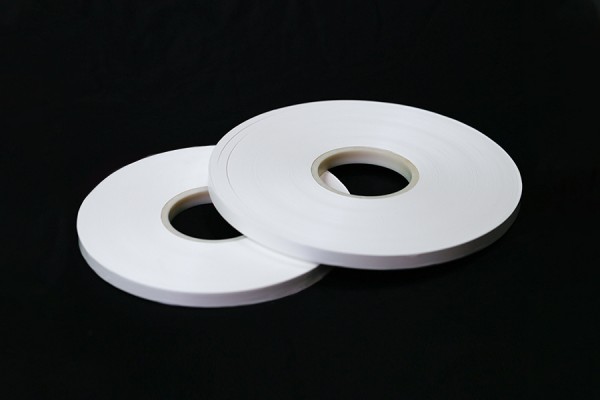
Enhancing Performance with PTFE Wrapping Film in Industrial Use
PTFE wrapping film is increasingly recognized for its capacity to enhance the performance of various industrial applications. Its low friction properties significantly reduce wear and tear on machinery components, leading to improved efficiency and longevity. Additionally, the film’s outstanding thermal stability allows it to withstand extreme temperatures without degrading, making it suitable for applications in sectors such as aerospace and automotive. Moreover, PTFE wrapping film offers exceptional chemical resistance, protecting underlying materials from aggressive substances commonly used in industrial environments. This not only safeguards equipment but also ensures consistent performance in critical operations. The lightweight nature of the film aids in reducing overall production costs while maximizing operational efficiency, thereby making it a preferred choice among manufacturers aiming for reliability and durability in their processes.
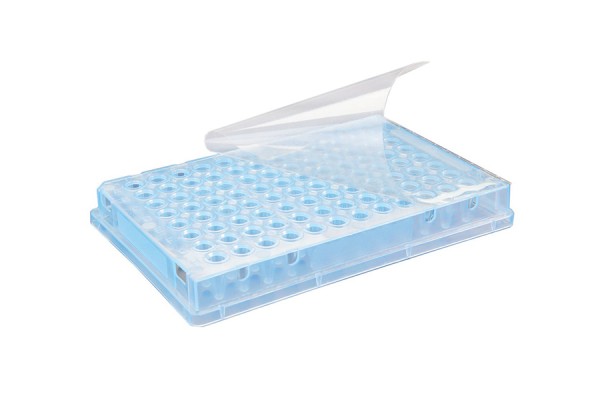
Durability and Chemical Resistance of PTFE Wrapping Film
Polytetrafluoroethylene (PTFE) wrapping film is recognized for its exceptional durability and chemical resistance, making it a preferred choice in various industrial environments. Its robust structure withstands harsh chemicals, high temperatures, and mechanical wear, which is crucial for applications such as electrical insulation and surface protection. Industries like aerospace and food processing benefit immensely from these properties, ensuring long-lasting performance even under challenging conditions.
"The enduring nature of PTFE wrapping film significantly minimizes maintenance costs and downtime," emphasizes an industry expert. This durability translates into enhanced operational efficiency, enabling companies to focus on productivity rather than frequent replacements. Additionally, the chemical resistance of PTFE prevents degradation when exposed to aggressive substances, allowing for safe use across a range of applications.
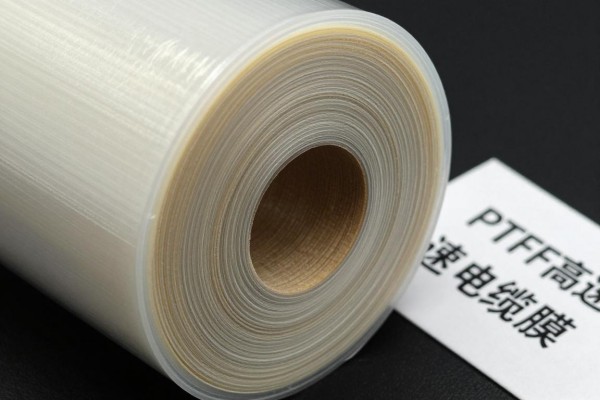
Why Choose PTFE Wrapping Film for Industrial Applications?
PTFE wrapping film stands out in industrial applications for its excellent characteristics that make it ideal for various uses. Its non-stick surface and thermal stability allow it to perform under high temperatures while maintaining its integrity. PTFE is also chemically resistant, ensuring that it can withstand harsh environments without degrading. Particularly relevant is its application as a high-speed and high-frequency cable wrapping film, where it enhances performance by reducing signal loss and electromagnetic interference. This capability is crucial in sectors such as telecommunications and electronics, where precision and reliability are paramount. Additionally, the lightweight and flexible nature of PTFE wrapping film contributes to easier handling and installation, further promoting efficiency in industrial processes. Its versatility across different industries underscores the compelling reasons to opt for PTFE wrapping film in demanding applications.
Exploring the Versatility of Polytetrafluoroethylene (PTFE) in Various Industries
Polytetrafluoroethylene (PTFE) has a diverse range of applications across multiple sectors due to its unique properties. In the aerospace industry, PTFE wrapping film serves as a lightweight, durable insulating material, optimizing the performance of wiring and components in high-stress environments. In the food processing sector, its non-stick characteristics are invaluable for equipment coatings, ensuring easy release and cleanliness. Furthermore, chemical processing entities utilize PTFE wrapping film for piping and apparatus that must withstand harsh corrosive substances without degrading over time. The automotive sector benefits from PTFE’s low friction properties which reduce wear and prolong the life cycle of moving parts. This adaptability underscores PTFE’s essential role in enhancing operational efficiencies across various industrial settings.
Economic Benefits of Utilizing PTFE Wrapping Film in Manufacturing
The adoption of Polytetrafluoroethylene (PTFE) wrapping film in manufacturing offers significant economic advantages. Its exceptional durability and chemical resistance reduce maintenance costs and downtime, resulting in increased production efficiency. Industries utilizing PTFE wrapping film, such as electronics and food processing, benefit from enhanced product longevity and lower replacement rates. Additionally, the use of ACC high-speed cable wrapping film ensures reliable electrical insulation, contributing to overall safety and performance in operations. The lightweight nature of PTFE also leads to lower shipping costs while maintaining high strength levels. These factors combined create a favorable cost-benefit scenario that encourages manufacturers to integrate PTFE wrapping film into their processes, leading to improved profitability over time.
Conclusion
Polytetrafluoroethylene (PTFE) wrapping film is a pivotal material in various industrial sectors due to its outstanding properties. The film’s low friction coefficient and high thermal stability enable it to perform reliably in demanding environments, thereby enhancing the efficiency of equipment and processes. Additionally, its exceptional durability and resistance to harsh chemicals ensure that it can withstand the rigors of industrial use without degrading or requiring frequent replacements. As a result, industries ranging from aerospace to food processing consistently benefit from the adoption of PTFE wrapping film. The continued integration of this versatile material into manufacturing processes not only boosts operational effectiveness but also contributes to long-term cost savings across numerous applications.
FAQs
What is Polytetrafluoroethylene (PTFE) wrapping film?
Polytetrafluoroethylene (PTFE) wrapping film is a versatile material known for its excellent chemical resistance and low friction properties, commonly used in various industrial applications.
What industries benefit from PTFE wrapping film?
PTFE wrapping film is utilized across industries such as aerospace, automotive, telecommunications, food processing, and electronics due to its durability and thermal stability.
How does PTFE wrapping film enhance equipment performance?
The film improves equipment performance by reducing friction, minimizing wear and tear, and ensuring reliable insulation in high-temperature environments.
What are the key features of PTFE wrapping film?
Key features include exceptional chemical resistance, low friction coefficient, high thermal stability, and flexible nature that supports easy handling and installation.
Why is PTFE wrapping film economical for manufacturers?
Its durability lowers maintenance costs and downtime while enhancing product longevity, contributing to overall cost savings and improved profitability in manufacturing processes.