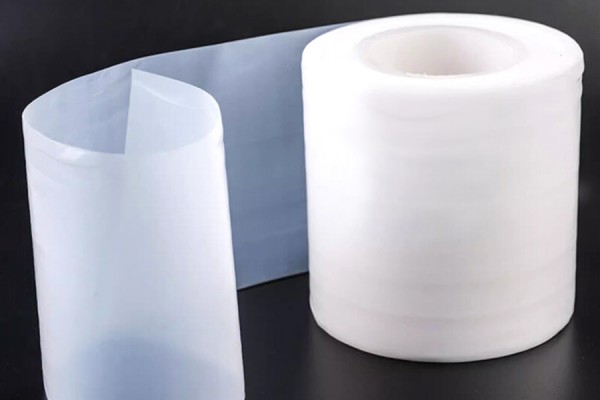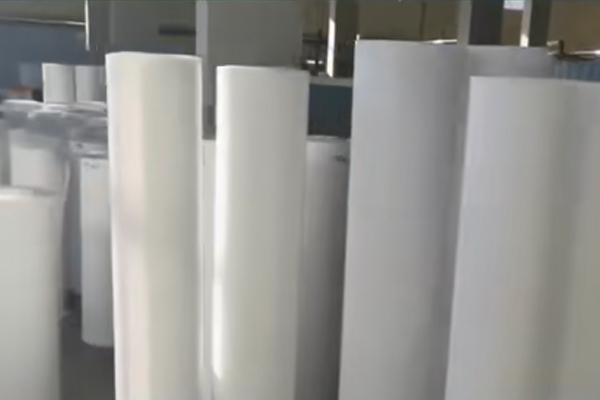
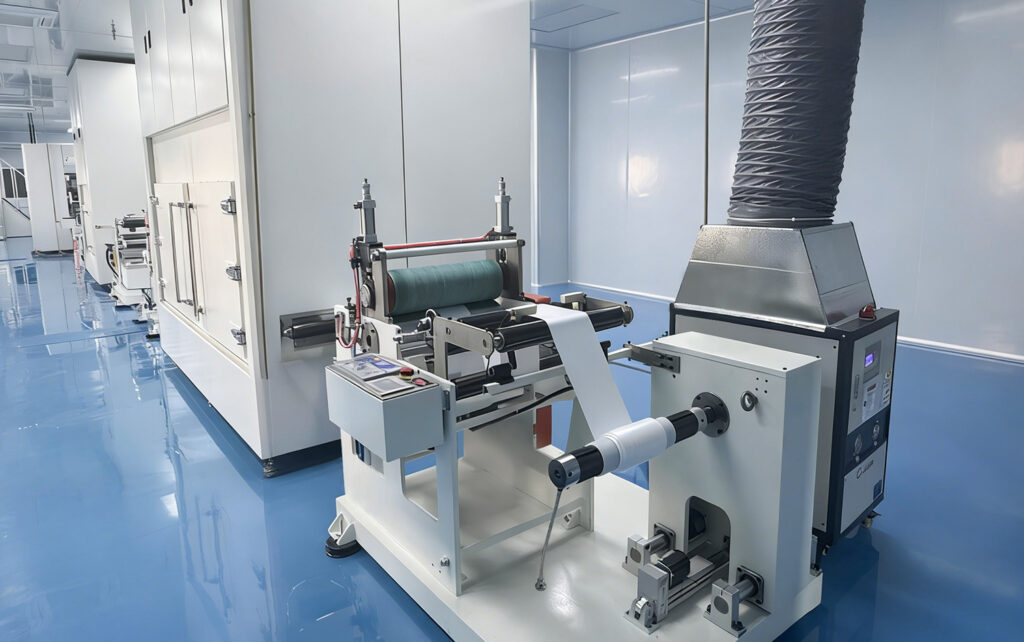

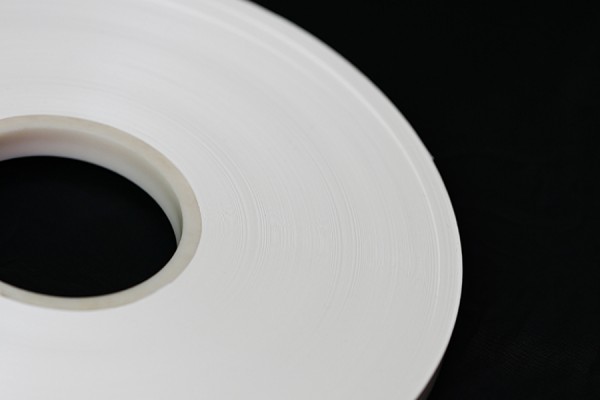
Polytetrafluoroethylene (PTFE) wrapping film offers significant advantages due to its unique characteristics, making it an essential material in various industries. Its excellent chemical resistance ensures that it can endure harsh environments, thereby extending the lifespan of equipment used in settings like aerospace and electronics. The film’s non-stick properties enhance operational efficiency and maintenance convenience, particularly in sectors where cleanliness is crucial. Additionally, the market is poised for growth driven by continuous innovations and a rising demand for safer, high-performance materials. As industries adapt to evolving standards and regulations, the strategic application of PTFE wrapping film will play a vital role in enhancing reliability and efficiency across key sectors.
Overview of Polytetrafluoroethylene (PTFE) Wrapping Film in Various Industries
Polytetrafluoroethylene (PTFE) wrapping film plays a crucial role across multiple industries due to its exceptional chemical resistance and versatility. This film is remarkably effective in creating high-speed transmission line PTFE wrapping tape, providing excellent insulation and protection for electrical components. Additionally, PTFE Thread Seal Tape is widely used to ensure leak-proof seals in plumbing applications. In the aerospace sector, PTFE cable wrapping tape is valued for its lightweight properties and high-temperature resistance, making it ideal for advanced aircraft systems. The film is also instrumental in producing DAC high-speed cable wrapping film and AEC high-speed cable wrapping film, which support reliable signal transmission in data centers and telecommunications. Furthermore, the ACC high-speed cable wrapping film enhances performance in environmentally demanding conditions while maintaining durability. Industry experts note that PTFE cable roll coating significantly contributes to the longevity and efficiency of electrical systems.
"Leveraging the unique properties of PTFE wrapping films can enhance both the performance and reliability of critical infrastructures."
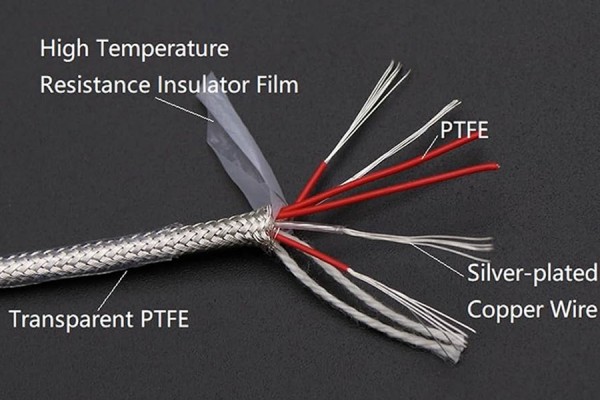
The Chemical Resistance of PTFE Wrapping Film: Benefits and Applications
Polytetrafluoroethylene (PTFE) wrapping film exhibits exceptional chemical resistance, making it ideal for various industrial applications. This property allows PTFE to withstand harsh chemicals and solvents, reducing the risk of degradation and extending the lifespan of equipment. Industries such as aerospace and food processing leverage this advantage, ensuring safe and efficient operation. The non-stick surface of PTFE wrapping film also facilitates easy handling and maintenance, which is particularly beneficial in environments where cleanliness is paramount. Moreover, the durability of PTFE against corrosive substances enables it to serve effectively in diverse conditions, reinforcing its importance across sectors that demand reliability and safety in their materials. As industries continue to prioritize performance and longevity, the utilization of PTFE wrapping film remains a strategic choice for manufacturers seeking to enhance product resilience.
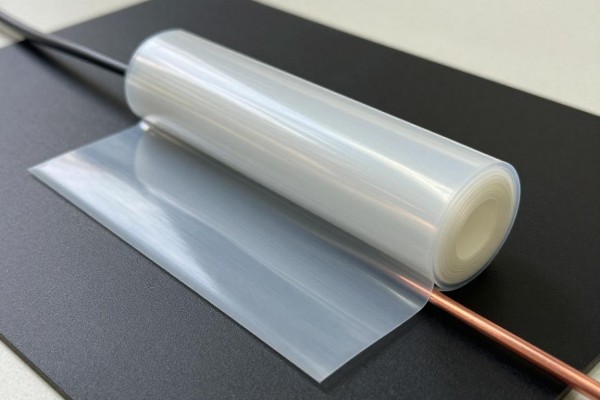
Exploring the Versatility of PTFE Wrapping Film in Industrial Usage
Polytetrafluoroethylene (PTFE) wrapping film is gaining traction across multiple industrial sectors due to its unique properties. This film provides outstanding chemical resistance, enabling its use in environments where exposure to corrosive substances is common. In the aerospace industry, for instance, PTFE cable wrapping tape is utilized for insulating wires and components, enhancing the reliability of systems under extreme conditions. Similarly, PTFE thread seal tape plays a crucial role in ensuring leak-proof seals in piping applications, particularly where harsh chemicals or high temperatures are present. The flexibility and durability of these PTFE films contribute to their appeal, allowing for seamless integration into various manufacturing processes. As industries continue to innovate and seek materials that offer both performance and safety, PTFE wrapping film remains a vital asset with promising applications on the horizon.
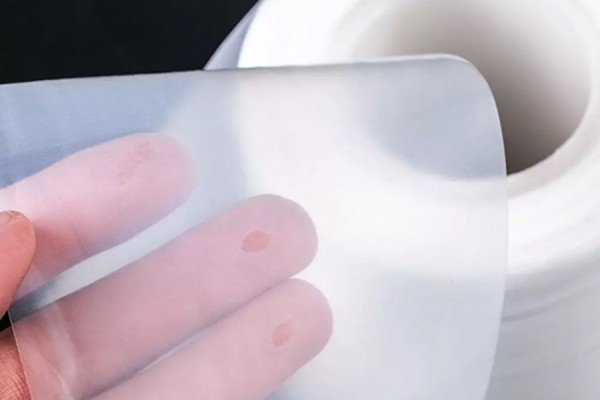
Market Trends and Growth Projections for PTFE Wrapping Film
The PTFE wrapping film market is witnessing significant growth, driven by its essential properties and vast application potential. As industries increasingly seek materials that offer superior chemical resistance and low friction, PTFE wrapping film emerges as a vital option. This film is particularly vital in sectors such as aerospace, electronics, and renewable energy, where its durability and high-performance attributes are essential. Market projections indicate a steady expansion, with key players innovating to meet rising demand.
In addition to conventional PTFE applications, the introduction of specialized products like DAC high-speed cable wrapping film is enhancing versatility. This particular film caters to the rapidly evolving electronics market by providing exceptional insulation and protection against environmental factors. It is noteworthy that Asia-Pacific is expected to dominate the market share due to increasing industrial activities coupled with a rising need for advanced materials.
| Year | Market Size (USD Billion) | CAGR (%) |
|---|---|---|
| 2024 | 2.54 | – |
| 2026 | Estimated Growth | – |
| 2033 | 3.87 | 4.8 |
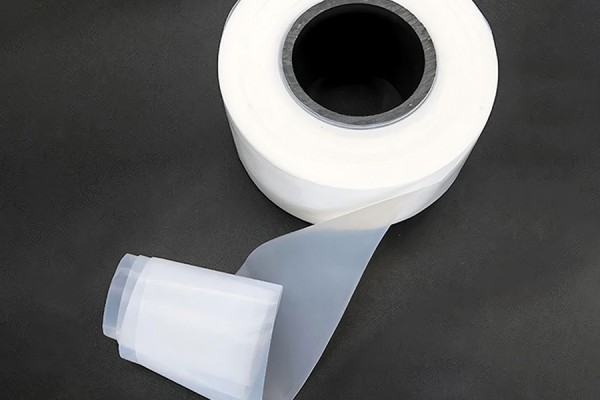
Applications of Polytetrafluoroethylene (PTFE) Wrapping Film in the Aerospace Sector
In the aerospace sector, PTFE wrapping film plays a crucial role due to its exceptional chemical resistance and low friction properties. It is widely used for insulating various electrical components, as well as for cable roll coating applications where protection from high temperatures and harsh chemicals is vital. This film’s non-stick attributes enhance the longevity of aircraft components by reducing wear and preventing contaminants from accumulating. Moreover, PTFE wrapping film helps in maintaining the integrity of wiring systems, where exposure to extreme conditions can be a significant concern. The adaptability of PTFE wrapping film makes it an indispensable material in modern aerospace engineering, ensuring reliability and performance in critical applications.
Challenges and Innovations in the PTFE Wrapping Film Market
The PTFE wrapping film market faces several challenges, particularly regarding environmental regulations and the demand for safer alternatives. As industries increasingly prioritize sustainability, manufacturers are pressed to innovate while maintaining the high-performance attributes of products like high-speed transmission line PTFE wrapping tape and AEC high-speed cable wrapping film. New formulations that improve performance without compromising safety standards are essential in addressing these pressures. Moreover, the emergence of high speed and high-frequency cable wrapping film is a testament to ongoing R&D efforts aimed at enhancing electrical insulation properties while adhering to stringent regulatory frameworks. This landscape of innovation is pivotal for ensuring that PTFE remains a viable option in various applications, despite its regulatory hurdles.
Economic Impact and Demand Forecast for PTFE Wrapping Film in 2026
The economic impact of Polytetrafluoroethylene (PTFE) wrapping film is poised for significant growth in 2026, driven by an increasing demand across various sectors, particularly in aerospace and electronics. The market is expected to expand due to the film’s renowned chemical resistance and non-stick properties, which are essential in harsh environments. A notable application is seen in AOC high-speed cable wrapping film, which leverages PTFE’s attributes for enhanced durability and performance. As industries prioritize quality and reliability, the adoption of PTFE wrapping film is likely to rise. The global market is projected to witness a compound annual growth rate (CAGR) that reflects overall industry trends, with Asia-Pacific regions leading the demand due to rapid industrialization and technological advancements. Companies focusing on innovative product development will likely play a crucial role in meeting evolving industrial needs.
Conclusion
The continued growth of the Polytetrafluoroethylene (PTFE) wrapping film market reflects its significance in various industries, owing to its superior chemical resistance and functionality. As industries confront increasing challenges related to environmental regulations and market demands, the adaptability of PTFE wrapping film becomes critical. Its application in sectors like aerospace, electronics, and telecommunications highlights its value in enhancing product performance and reliability. With ongoing innovations, including specialized formulations that align with safety standards, PTFE wrapping film is well-positioned to meet future industry needs. This trend indicates a sustained interest in PTFE as a preferred material, reaffirming its role in advanced applications going forward.
FAQs
What is Polytetrafluoroethylene (PTFE) wrapping film?
PTFE wrapping film is a specialized material known for its chemical resistance and low friction properties, widely used in various industrial applications.
What are the primary applications of PTFE wrapping film?
PTFE wrapping film is used in insulation for electrical components, leak-proof seals in plumbing, and cable protection in aerospace, among other applications.
Why is chemical resistance important for PTFE wrapping film?
Chemical resistance extends the lifespan of equipment and ensures reliable performance in environments exposed to corrosive substances.
How does PTFE wrapping film contribute to industrial efficiency?
The non-stick properties facilitate easy handling and maintenance, enhancing cleanliness and operational efficiency in critical systems.
What trends are influencing the PTFE wrapping film market?
Increasing demand across sectors such as aerospace and electronics is driving innovations and market growth, alongside a focus on sustainability.