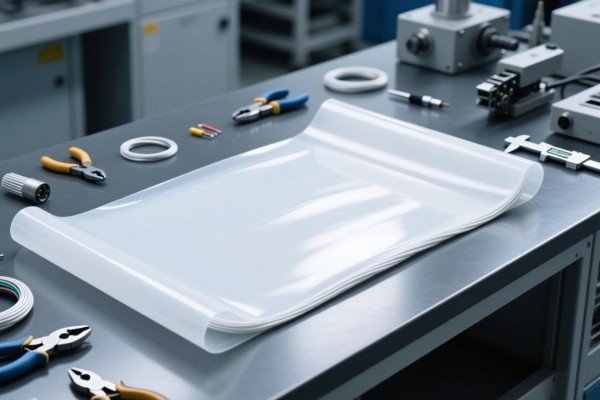
Teflon and PTFE membranes are essential components in high-frequency electrical applications due to their unique electrical insulation properties. Their effectiveness in minimizing dielectric losses ensures optimal signal integrity, crucial for high-speed data transmission. By maintaining stability even under varying environmental conditions, these materials resist degradation and extend the lifespan of electrical systems. The advanced attributes of Teflon and PTFE contribute not only to efficient performance but also bolster the overall durability of systems, making them a preferred choice in sectors that demand reliability in communication technologies. As industries continue to advance, the adoption of these membranes will play a pivotal role in enhancing the effectiveness of high-frequency applications.
Enhanced Electrical Insulation Capabilities of Teflon and PTFE Membranes
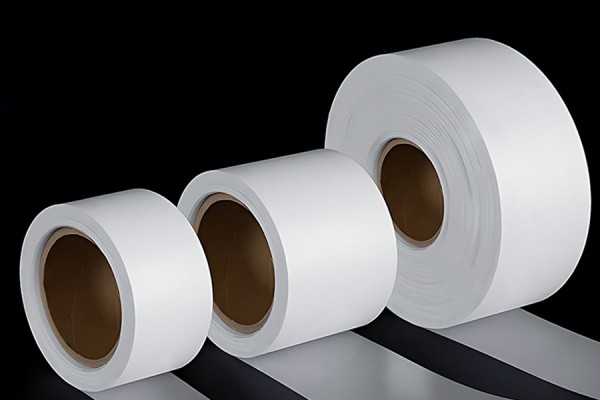
Teflon and PTFE membranes exhibit exceptional electrical insulation properties, making them ideal for high-frequency applications. These materials, including high-speed transmission line PTFE wrapping tape and PTFE wrapping film, provide a reliable barrier against signal interference. Their low dielectric loss and stable performance across various temperatures enhance the efficiency of high-speed data transmission lines. Additionally, when used as PTFE cable wrapping tape or for PTFE cable roll coating, they contribute to the durability of cable assemblies in demanding environments.
The table below summarizes the benefits of different PTFE-based products for high-frequency applications:
| Product Type | Key Features |
|---|---|
| High-speed transmission line PTFE wrapping tape | Excellent insulation and low dielectric loss |
| DAC high-speed cable wrapping film | Enhanced stability for data integrity |
| AEC high-speed cable wrapping film | Superior chemical resistance |
| AOC high-speed cable wrapping film | Optimized for signal integrity |
| ACC high-speed cable wrapping film | Durable protection in extreme conditions |
By leveraging these advanced materials, industries can achieve significant improvements in performance, ensuring efficient operation in systems requiring reliable electrical insulation.
The Role of Teflon and PTFE Membranes in High-Frequency Electrical Applications
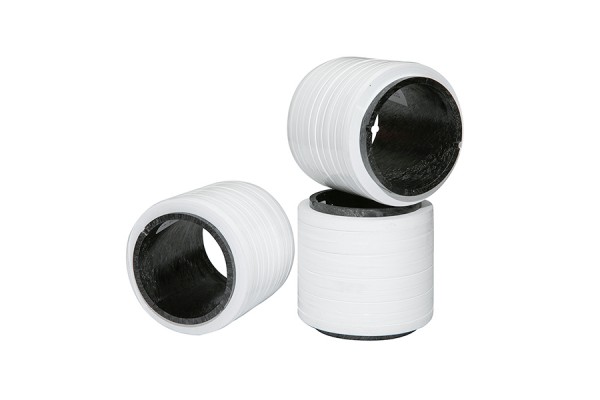
Teflon and PTFE membranes play a vital role in high-frequency electrical applications due to their exceptional insulating properties. These materials, including PTFE wrapping film and PTFE cable wrapping tape, are designed to minimize dielectric losses and maintain stable performance across a range of frequencies. The unique attributes of PTFE, such as its low relative density and excellent temperature resistance, make it an ideal choice for various high-speed data transmission environments. Additionally, when used as PTFE Thread Seal Tape, they ensure proper sealing in demanding settings, enhancing overall system integrity. These membranes contribute significantly to improved signal quality, making them crucial for technologies that rely on efficient data transfer and communication reliability.
Advantages of PTFE Membrane Technology for High-Speed Data Transmission
PTFE membrane technology offers notable benefits for high-speed data transmission applications, leveraging its superior electrical insulation properties. Teflon and PTFE membranes, such as AEC high-speed cable wrapping film and AOC high-speed cable wrapping film, provide low dielectric loss and exceptional stability in a wide range of temperatures. These characteristics are crucial for maintaining signal integrity and reducing interference, particularly in demanding environments. Furthermore, the chemically inert nature of PTFE ensures long-lasting performance, making it an ideal choice for manufacturers seeking reliable solutions in communication systems.
"Utilizing advanced membrane materials can significantly enhance the performance and reliability of data transmission systems."
Optimizing Performance with Teflon and PTFE Electrical Insulation
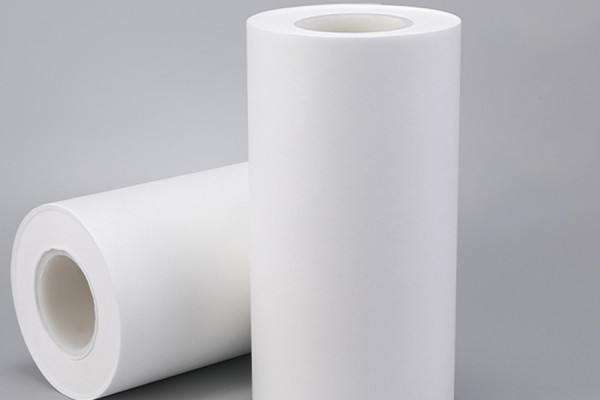
Teflon and PTFE membrane materials provide excellent electrical insulation, especially in high-frequency applications. Their unique properties, such as low dielectric loss and high-temperature resistance, allow for optimal performance in demanding environments. The use of PTFE cable roll coating enhances the insulation capabilities, ensuring robust protection against environmental factors. These membranes effectively reduce signal degradation, making them ideal for high-speed data transmission. By utilizing Teflon and PTFE in electrical systems, manufacturers can achieve greater reliability and longevity, thus optimizing overall system performance while maintaining the integrity of electrical signals.
Choosing Teflon and PTFE Membranes for Superior High-Frequency Applications
Selecting the right materials for high-frequency applications is critical for ensuring optimal performance and reliability. Teflon and PTFE membranes offer distinct advantages in this regard. Their unique dielectric properties contribute to improved signal integrity, which is vital in high-speed data transmission. These membranes exhibit low dielectric loss, allowing them to maintain signal strength over long distances. Their high thermal stability also ensures performance under varying environmental conditions, making them suitable for diverse applications. Furthermore, the chemically inert nature of PTFE enhances durability, resisting degradation from various chemicals or harsh weather. This combination of properties positions Teflon and PTFE membranes as ideal choices for industries that prioritize efficiency and robustness in their electrical insulation materials.
Durability and Performance Improvements in Teflon and PTFE Systems
Teflon and PTFE systems offer significant durability improvements over traditional insulation materials, primarily due to their unique chemical resistance and thermal stability. These attributes allow Teflon and PTFE to maintain integrity under extreme conditions, including high temperatures and aggressive environments. Furthermore, advancements in membrane technology have led to enhanced mechanical properties, reducing the likelihood of breakdown over time. The robust design of these membranes contributes to long-term performance, making them suitable for high-frequency applications. By minimizing dielectric loss and improving insulation resistance, Teflon and PTFE membranes ensure reliable signal integrity in demanding setups, catering effectively to the needs of modern telecommunications and data transmission systems.
Electrical Performance Benefits of Innovative Teflon Membrane Materials
Innovative Teflon membrane materials provide significant electrical performance advantages, particularly in high-frequency applications. Their low dielectric loss contributes to improved signal integrity, allowing for clearer transmission with minimal distortion. Furthermore, the stable dielectric constant of Teflon membranes ensures consistent performance across varying temperature fluctuations, which is crucial in demanding environments. Enhanced thermal stability enables these membranes to withstand extreme temperatures without compromising their insulating capabilities. Additionally, the chemically inert nature of Teflon minimizes the risk of material degradation over time, ensuring longevity and reliability in systems where high-frequency signals are prevalent. These attributes make Teflon membrane materials a preferred choice for industries that require efficient and dependable electrical insulation solutions.
Conclusion
The advanced electrical insulation properties of Teflon and PTFE membranes significantly enhance their performance in high-frequency applications. As industries increasingly demand reliable and efficient solutions for data transmission, these materials stand out for their low dielectric loss and exceptional thermal stability. By integrating Teflon and PTFE membranes into high-speed systems, manufacturers ensure fewer signal interferences and improved data integrity. Additionally, the chemical resistance of these materials contributes to their long-term durability, allowing them to maintain their insulating characteristics even in challenging environments. Overall, the adoption of Teflon and PTFE membranes is crucial for optimizing performance in modern electrical applications.
FAQs
What are the primary benefits of using Teflon and PTFE membranes in high-frequency applications?
Teflon and PTFE membranes offer low dielectric loss, excellent thermal stability, and high chemical resistance, making them ideal for maintaining signal integrity in high-frequency environments.
How do Teflon and PTFE membranes contribute to durability in electrical systems?
Their unique properties help these membranes resist degradation from harsh conditions and chemicals, ensuring reliable long-term performance in demanding applications.
Can Teflon and PTFE membranes be used in extreme temperature conditions?
Yes, these membranes maintain their insulating characteristics across a wide temperature range, making them suitable for extreme environments.
Why is low dielectric loss important for data transmission?
Low dielectric loss reduces signal interference and degradation, which is crucial for ensuring clear transmission of data over long distances.
What industries benefit the most from Teflon and PTFE membrane technology?
Industries such as telecommunications, aerospace, and medical devices rely on these materials for their superior electrical insulation properties in high-speed data transmission applications.