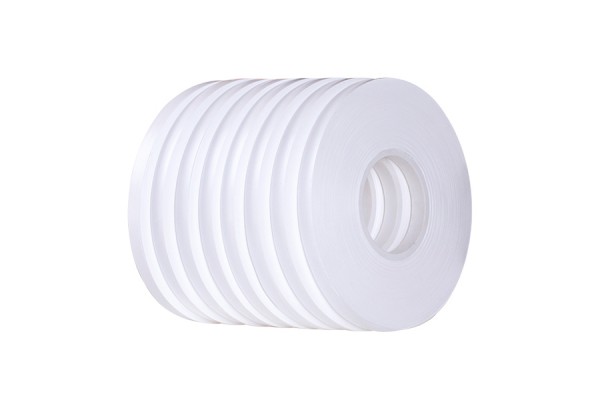
PTFE membranes are versatile materials that enhance performance across various industries. Their high chemical resistance and thermal stability make them ideal for challenging environments, ensuring reliability in applications like electrical insulation and automotive gaskets. The unique microstructure of PTFE allows for effective filtration and moisture management, offering significant advantages in sectors such as electronics and textiles. Innovations surrounding membran PTFE products, such as advanced cable wrapping films, have streamlined manufacturing processes and improved operational efficiency. In summary, as technology evolves, the role of PTFE membranes will continue to be integral, influencing productivity and sustainability in modern manufacturing practices.
Understanding PTFE Membranes: Key Characteristics and Benefits
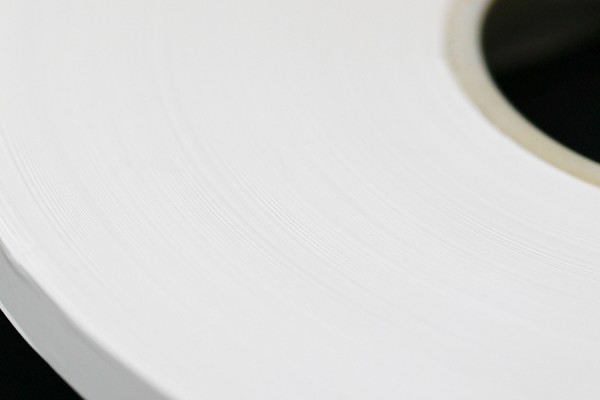
PTFE membranes are renowned for their exceptional properties that make them suitable for a range of industrial applications. Their high chemical resistance, combined with excellent thermal stability, ensures they maintain performance even under extreme conditions. One of the significant benefits of PTFE is its application in high-speed transmission lines through the use of high speed transmission line PTFE wrapping tape. This tape protects cables from environmental damage while enhancing signal integrity. Furthermore, the versatility of PTFE extends to wrap film products, such as PTFE wrapping film and PTFE cable wrapping tape, which are designed to provide enhanced protection and durability for various cable types. With innovations like DAC, AEC, AOC, and ACC high-speed cable wrapping films, manufacturers are able to achieve better performance in high-frequency applications. Additionally, the use of PTFE Thread Seal Tape in sealing threaded connections showcases the membrane’s ability to resist leaks and maintain pressure integrity in challenging environments. The combination of these characteristics establishes PTFE membranes as critical materials contributing to improved industrial efficiency and reliability across multiple sectors.
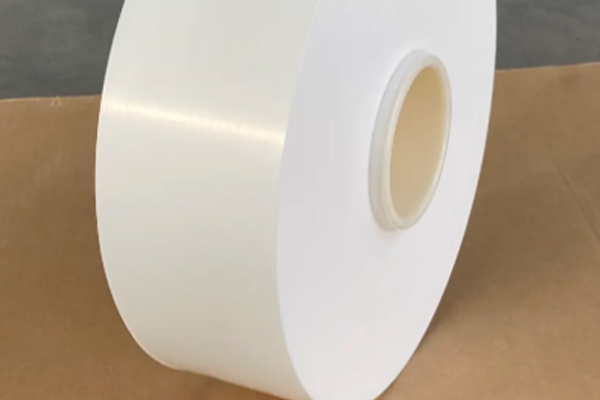
Classification of PTFE Membranes in Various Industries
PTFE membranes are classified into several categories based on their applications and properties. One significant type includes membranes used in electrical insulation and cable management, such as PTFE Thread Seal Tapeand PTFE cable wrapping tape. These membranes are highly effective for ensuring the reliability of connections in various industrial settings.
In the manufacturing sector, DAC high-speed cable wrapping filmand ACC high-speed cable wrapping filmare crucial. These films offer exceptional moisture resistance while maintaining flexibility, which is essential for high-speed production lines. Their unique characteristics allow them to withstand harsh environments without compromising on performance.
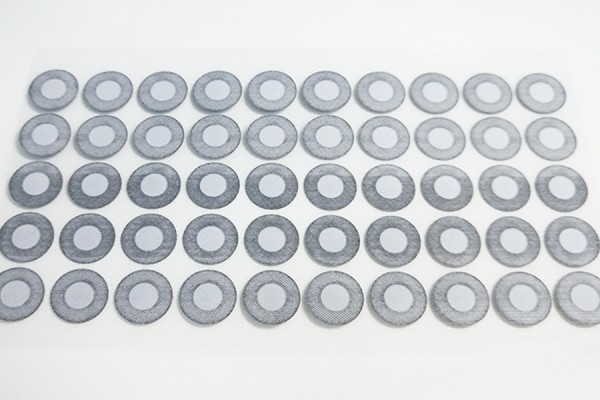
PTFE membrane products are also employed in chemical processing, where their resistance to corrosion and temperature fluctuation proves beneficial. The porous nature of these membranes enhances airflow while filtering harmful substances, ensuring a safer working atmosphere.
"Promoting efficiency while minimizing downtime is a key factor in choosing the right PTFE products for your application."
Through its diverse classifications, PTFE membrane technology continues to evolve, bolstering efficiency across numerous industries.
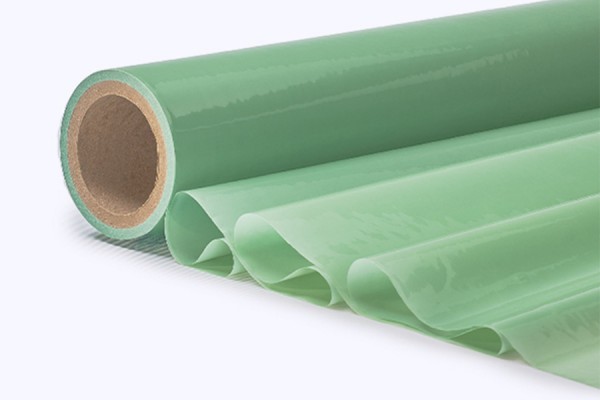
Applications of Membrana Teflon in Modern Manufacturing
Membrana Teflon has found significant applications in various sectors of modern manufacturing due to its exceptional properties. In electronics, it is utilized in high-performance insulation materials, providing durability and resistance to harsh chemicals. The automotive industry benefits from its use in gaskets and seals, which enhance engine efficiency and reduce emissions. Additionally, the textile industry employs Membrana Teflon for water-resistant coatings, ensuring longevity and performance of outdoor gear. Furthermore, the incorporation of AOC high-speed cable wrapping film exemplifies how innovative materials can improve connectivity and reliability in systems that demand high-speed data transmission. As companies continue to seek efficient solutions, Membrana Teflon remains a vital component across diverse manufacturing processes, enhancing overall product robustness and longevity.
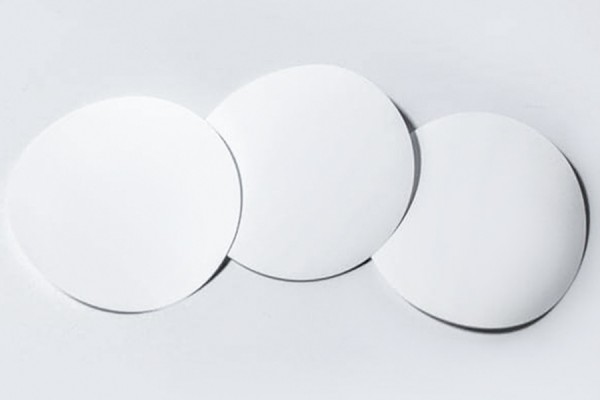
Exploring the Role of Membrane in PTFE for Enhanced Performance
The membrane in PTFE plays a crucial role in various applications, enhancing performance across numerous industries. Its unique structure enables effective filtration and breathability, making it suitable for demanding environments. For instance, the incorporation of PTFE membranes in products such as AEC high-speed cable wrapping film demonstrates their versatility in improving durability and thermal management. The ability to resist chemical exposure while maintaining high air permeability allows these membranes to excel in applications ranging from electronics to outdoor gear. Moreover, the lightweight nature of PTFE membranes contributes to performance efficiency, reducing overall product weight without compromising quality. By integrating this innovative material, manufacturers can achieve enhanced operational effectiveness and extend product lifespans.
The Unique Properties of PTFE Membranes and their Advantages
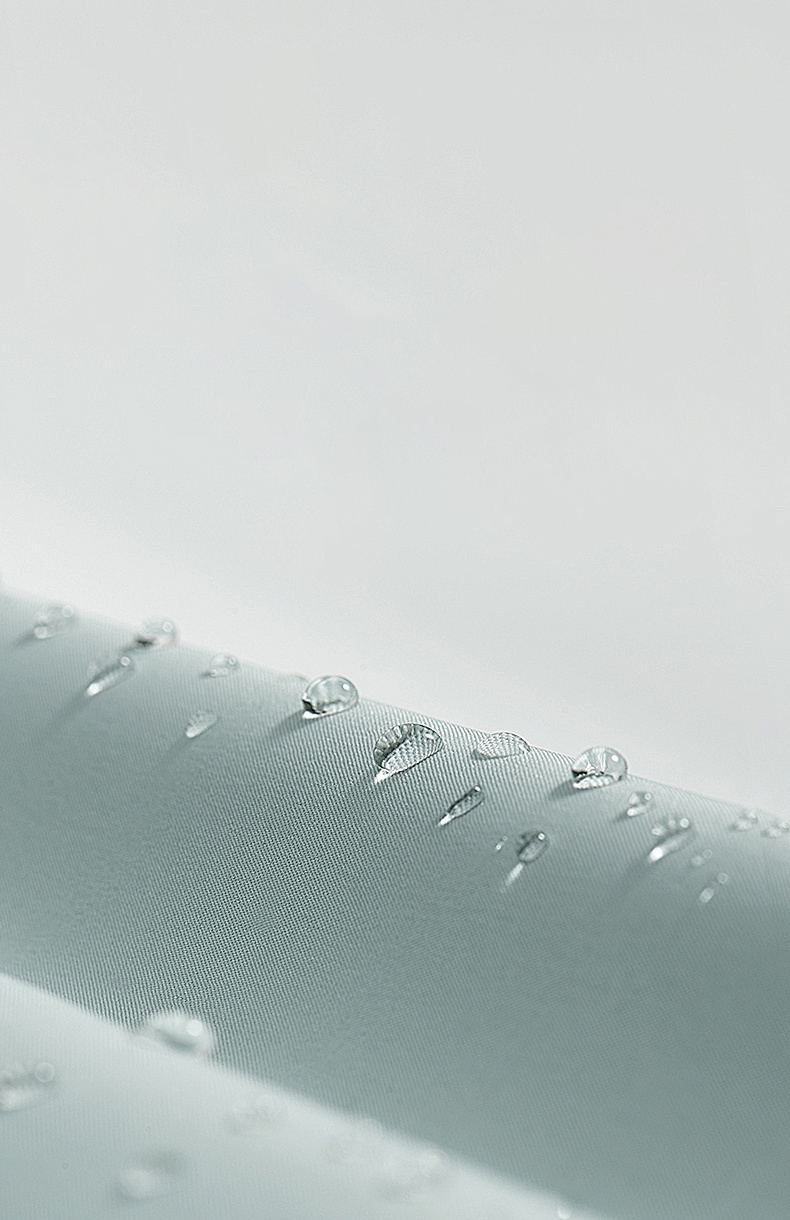
PTFE membranes exhibit remarkable characteristics that set them apart from other materials. Their unique microstructure provides excellent water resistance while allowing vapor to pass through, making them ideal for breathable applications. Additionally, these membranes offer high chemical resistance, ensuring durability in harsh industrial environments. The thermal insulation properties contribute to energy efficiency, especially in temperature-sensitive applications. Furthermore, PTFE’s sound-permeability combined with waterproofing capabilities makes it suitable for acoustic devices and protective gear. The lightweight nature of PTFE also enhances ease of use across various sectors, from aerospace to medical applications, effectively improving overall performance and operational efficiency.
How Membran PTFE Innovations Improve Industrial Efficiency
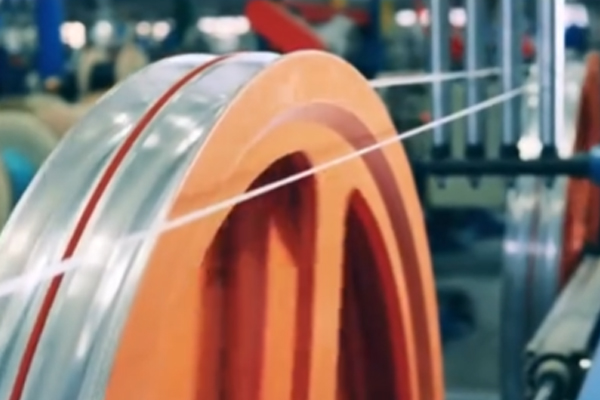
Membran PTFE technologies have significantly enhanced industrial efficiency across various sectors. One key area is the use of PTFE wrapping film, which provides superior chemical resistance and durability. This film effectively protects equipment from harsh environmental conditions and eliminates downtime due to corrosion. Additionally, the exceptional thermal stability of PTFE helps maintain performance during extreme temperature fluctuations. These innovations also streamline processes in manufacturing by optimizing filtration systems, ensuring cleaner outputs while minimizing operational costs. Furthermore, the lightweight nature of PTFE components supports energy efficiency in transportation and machinery, ultimately contributing to more sustainable industrial practices. As a result, industries continue to adopt membrana teflon solutions to drive productivity and reliability.
PTFE Membrane Technology: A Comprehensive Overview
PTFE membranes are pivotal in various applications due to their unique properties, including excellent chemical resistance, high air permeability, and effective filtration capabilities. With a spider web-like microstructure, these membranes allow selective permeability, facilitating processes such as gas exchange and contamination controls in industrial settings. The versatility of membran PTFE drives innovation across sectors like electronics, automotive, and pharmaceuticals. Moreover, advancements in manufacturing techniques enhance the performance of membrana teflon, allowing for custom solutions tailored to specific operational requirements. These developments not only improve efficiency but also ensure compliance with rigorous industry standards. Consequently, PTFE membrane technology remains crucial in achieving optimal results in both manufacturing and environmental management processes.
Future Trends and Developments in PTFE Membrane Applications
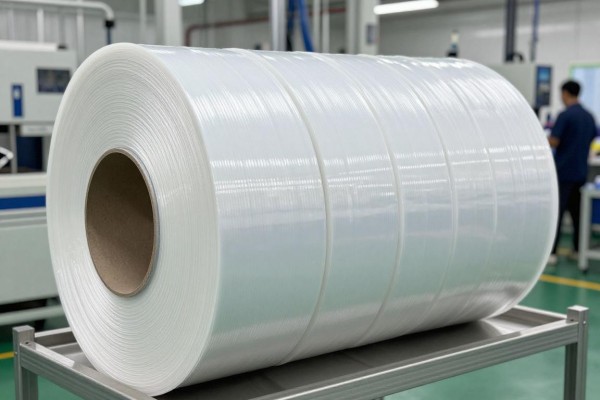
The future of PTFE membrane applications is shaped by advancements in material science and technology. Ongoing research focuses on enhancing the performance characteristics of membran PTFE, particularly in sectors like filtration, medical devices, and energy. Innovations are aimed at increasing the thermal stability and chemical resistance of membranes, which could lead to more efficient applications in high-demand industries such as aerospace and automotive. Additionally, the development of environmentally friendly manufacturing processes for membrana teflon is expected to gain traction, aligning with global sustainability efforts. As industries continue to prioritize performance alongside ecological impact, the integration of smart technology with PTFE membranes offers exciting possibilities for real-time monitoring and adaptive functionality. Such advancements will likely redefine operational standards across various applications, ensuring that membrane in PTFE remains at the forefront of industrial innovation.
Conclusion
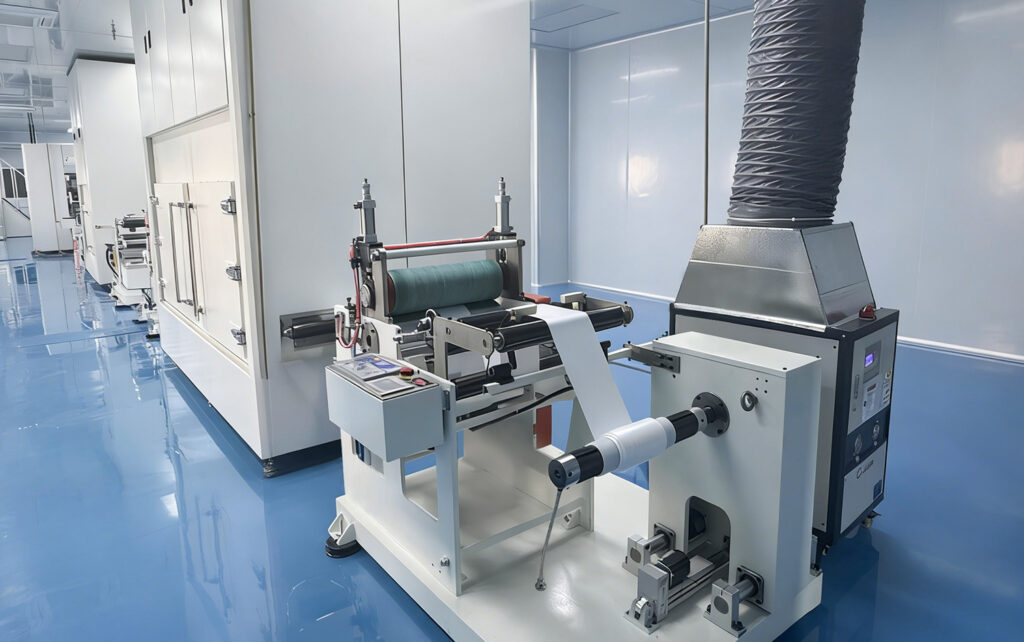
The advancement of PTFE membranes signifies a transformative phase across numerous industries, influencing not only production efficiency but also product longevity. Their distinctive properties, such as chemical resistance and thermal stability, have positioned these materials as essential components in critical applications. As technology continues to evolve, innovations in design and manufacturing processes are expected to further enhance the performance capabilities of membran PTFE. The diverse classifications and applications of these membranes underline their importance in modern manufacturing, from electrical insulation to chemical processing. The ongoing commitment to research and development indicates a promising future for PTFE membranes, making them integral to meeting the challenges faced by various sectors today.
FAQs
What are the key benefits of PTFE membranes?
PTFE membranes offer high chemical resistance, excellent thermal stability, and durability, making them ideal for various industrial applications.
How are PTFE membranes classified?
PTFE membranes are classified based on their applications, including electrical insulation, automotive gaskets, and chemical processing.
What industries benefit from Membrana Teflon?
Membrana Teflon is used in electronics for insulation, automotive for engine seals, and textiles for waterproof coatings.
How does the unique structure of PTFE membranes enhance performance?
The unique microstructure allows effective filtration and breathability, making them suitable for high-demand environments.
What innovations are driving the efficiency of Membran PTFE products?
Recent innovations focus on enhancing durability and thermal management in applications like cable wrapping films and filtration systems.
Are there specific future trends for PTFE membrane applications?
Future trends include the development of eco-friendly manufacturing processes and the integration of smart technology for improved functionality.