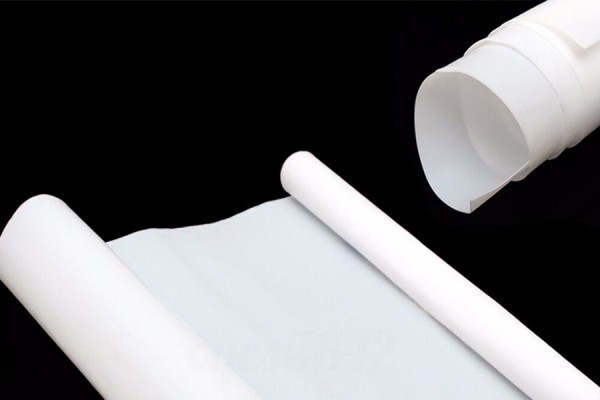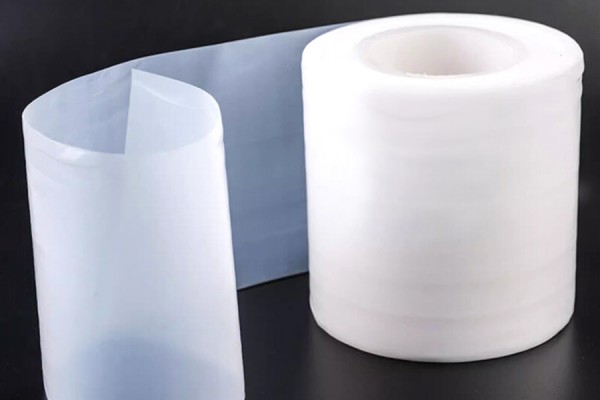
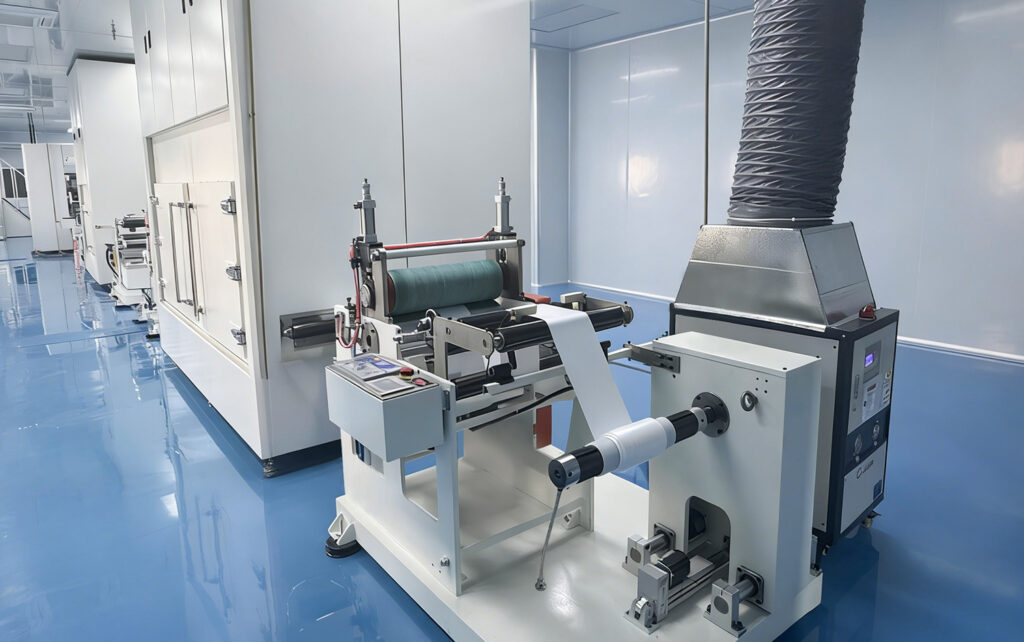
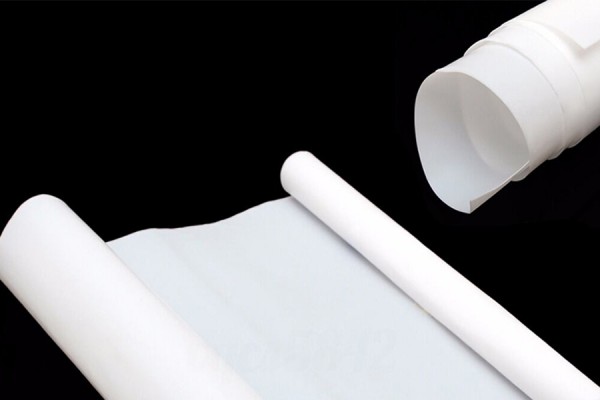
PTFE high-speed cable films represent a significant advancement in data transmission technology. Their unique properties, such as low dielectric constant and excellent electrical insulation, greatly enhance signal integrity and minimize signal loss. This makes them particularly well-suited for high-frequency applications found in AI servers and 6G networks. The durability of PTFE films under extreme environmental conditions ensures consistent performance, reinforcing their role in modern communication systems. Furthermore, the chemically stable nature of PTFE prevents degradation, making these films a reliable choice for the evolving demands of data transmission. As technology progresses, the capabilities of PTFE continue to support next-generation communication infrastructures through enhanced performance and longevity.
Enhanced Properties of PTFE High-Speed Cable Film in Data Transmission
PTFE high-speed cable film plays a crucial role in facilitating efficient data transmission, making it essential for modern communication systems. One of its standout features is the low dielectric constant. This property minimizes signal delay, ensuring that high-speed transmission line PTFE wrapping tape maintains the integrity of data over long distances. Additionally, PTFE wrapping film offers excellent electrical insulation, which prevents signal leakage and enhances overall performance.
The durability of PTFE cable wrapping tape also contributes significantly to its effectiveness in demanding environments, where high temperatures and moisture could otherwise compromise performance. The use of various types like DAC high-speed cable wrapping film and AEC high-speed cable wrapping film further extends the versatility of PTFE films in different applications.
Moreover, when applied as a coating on cables through PTFE cable roll coating, these films ensure exceptional stability and reliability. As data communication evolves toward more complex formats, the need for robust solutions like AOC and ACC high-speed cable wrapping films is increasingly apparent. The advanced chemical stability of PTFE under varying conditions solidifies its place as a preferred material in next-generation communication technology setups.
| Property | Description |
|---|---|
| Dielectric Constant | Low value for minimal signal delay |
| Electrical Insulation | Prevents signal leakage |
| Durability | Strong resistance to environmental factors |
| Chemical Stability | Resists degradation from chemicals |
| Versatility | Adaptable for various application needs |
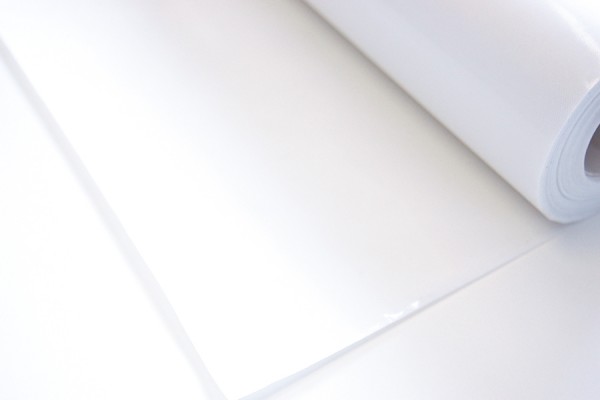
The Role of PTFE in Achieving High-Speed Data Communication
PTFE, or polytetrafluoroethylene, plays a pivotal role in high-speed data communication by offering unique properties that enhance signal integrity. One of the key attributes of PTFE is its low dielectric constant, which significantly reduces signal loss and improves transmission speeds. This characteristic is essential for maintaining the quality of data signals over long distances, particularly in high-frequency applications where precision is critical. Additionally, PTFE high-speed cable films exhibit excellent electrical insulation, safeguarding against short circuits and ensuring reliable data transmission.
The DAC high-speed cable wrapping film specifically leverages these advantages by integrating advanced PTFE properties to optimize performance for applications like AI servers and 6G technology. Its durable nature withstands a wide temperature range and various environmental conditions without compromising signal quality.
“Using materials like PTFE not only improves performance but also ensures durability in increasingly demanding tech environments.” As data demands continue to escalate, the role of PTFE becomes even more essential in future advancements of communication technologies.
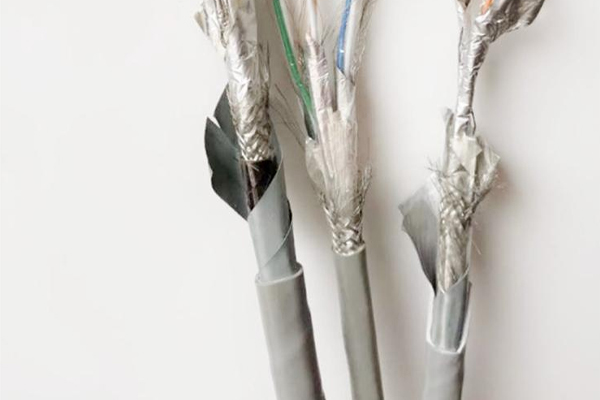
Advantages of Low Dielectric Constant in PTFE Cable Films
The low dielectric constant of PTFE cable films plays a crucial role in enhancing data transmission performance. This property minimizes signal degradation and delay, making PTFE cable roll coating ideal for high-frequency applications, particularly in environments demanding rapid data communication. With its superior electrical insulation, AEC high-speed cable wrapping film effectively reduces capacitive coupling, ensuring a clearer signal. The advantages extend to reliability; well-constructed PTFE films offer excellent moisture resistance, further maintaining performance stability under various conditions. Moreover, when considering advanced technologies like AI servers and future 6G networks, the characteristics of AOC high-speed cable wrapping film solidify its position as an essential component for ensuring optimal data flow and longevity in high-demand settings.
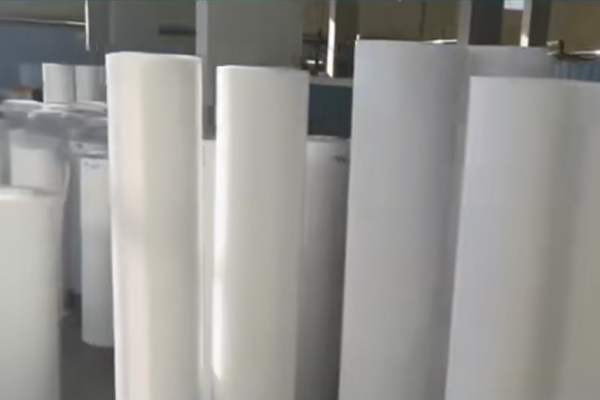
Durability and Insulation: Key Features of PTFE High-Speed Films
PTFE high-speed cable films are known for their remarkable durability and insulation properties. Their low dielectric constant significantly reduces signal loss, making them ideal for high-frequency applications. Furthermore, the films offer excellent electrical insulation, which prevents short circuits and signal leakage. This is crucial for maintaining performance in demanding environments such as AI servers and telecommunications. The chemically stable nature of PTFE ensures that these films can withstand extreme temperatures, ranging from -200°C to +260°C, without compromising their integrity. These characteristics make high-speed and high-frequency cable wrapping films a preferred choice in the quest for reliable data transmission solutions in today’s modern technology landscape.
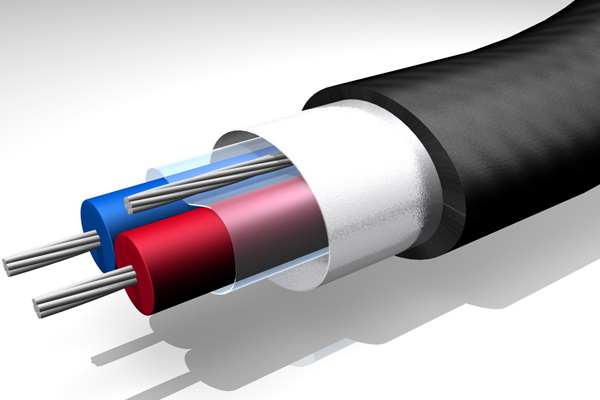
Applications of PTFE Films in AI Servers and 6G Technologies
PTFE wrapping film plays a pivotal role in the advancement of data transmission technologies, particularly in AI servers and the emerging 6G networks. Its low dielectric constant enhances signal integrity, minimizing delays and enabling rapid data processing. The excellent electrical insulation properties of PTFE films ensure that high-speed signals remain stable and free from interference, which is crucial for complex AI computations. Additionally, these films display remarkable durability over a range of environmental conditions, making them suitable for various applications in telecommunications. Other products such as PTFE thread seal tape can also benefit from the same properties, enhancing reliability in connection points within high-frequency systems. The effective utilization of PTFE films significantly contributes to the efficiency and performance of next-generation communication technologies, fostering continued progress in the field.
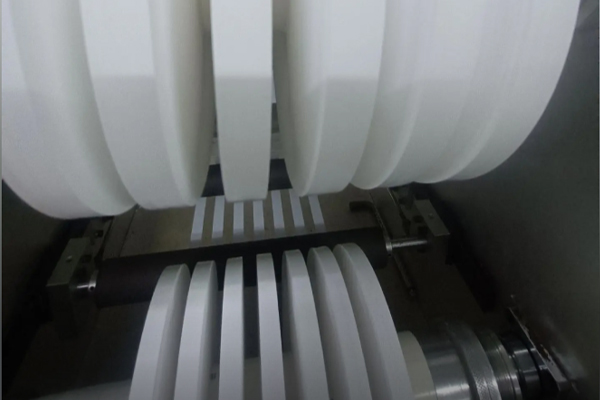
Transforming Data Transmission with Advanced PTFE Cable Solutions
The evolution of data transmission technology heavily relies on advanced materials, particularly PTFE high-speed cable films. These films are engineered to enhance transmission efficiency, offering a low dielectric constant that minimizes signal loss and delay. By providing excellent electrical insulation, PTFE films ensure reliable data integrity during transmission, crucial for high-performance applications. Additionally, their durability under extreme temperatures and humidity contributes to consistent performance in varying operational environments. As a result, industries are increasingly adopting PTFE films for applications in AI servers and emerging 6G technologies, where the demand for faster and more reliable data connections continues to grow. These sophisticated cable solutions not only meet current technological needs but also pave the way for future advancements in data communication.
Exploring the Chemically Stable Nature of PTFE in Data Cables
PTFE, or polytetrafluoroethylene, is well-known for its remarkable chemical stability, making it an ideal choice for high-speed transmission line applications. This stability ensures that the ACC high-speed cable wrapping film performs consistently even in challenging environments. The resistance of PTFE to chemical degradation prevents signal interference caused by environmental factors, enhancing the overall reliability of data cables. Additionally, this property allows for longer service life and less maintenance. As a result, high-speed transmission line PTFE wrapping tape not only guarantees superior performance in various conditions but also supports advancements in technology by keeping data transmission uninterrupted and efficient.
Future Prospects: PTFE Cable Films for Next-Generation Communication
As technology advances, the demand for efficient data transmission continues to grow. PTFE cable wrapping tape is emerging as a leading solution for next-generation communication systems, particularly in high-frequency applications. With its low dielectric constant and excellent electrical insulation properties, PTFE not only minimizes signal loss but also enhances overall performance. This material is especially vital in the context of AI servers and 6G technologies, where reliable and rapid data exchange is crucial. Furthermore, the chemically stable nature of PTFE ensures longevity and durability in varying environmental conditions, making it a robust choice for future communication needs. The ongoing development of modified PTFE films promises to deliver even better performance, supporting the increasing bandwidth requirements of modern applications.
Conclusion
The continued advancement of communication technology highlights the importance of PTFE high-speed cable films in modern data transmission systems. These films exhibit outstanding characteristics, such as low dielectric constant and superior insulation properties, which contribute to improved signal integrity and reduced delay. As industries increasingly rely on high-frequency applications like AI servers and 6G networks, the robust durability and chemical stability of PTFE become critical to ensuring reliable operation in demanding environments. The versatility of PTFE films not only addresses current data transmission challenges but also positions them as a foundational technology for future innovations. The unwavering performance of PTFE cable solutions solidifies their role in supporting the next generation of communication infrastructures.
FAQs
What makes PTFE high-speed cable film suitable for data transmission?
PTFE high-speed cable film’s low dielectric constant minimizes signal delay and reduces degradation, ensuring efficient data transmission.
How does PTFE contribute to electrical insulation?
PTFE offers excellent electrical insulation, which prevents signal leakage and safeguards against short circuits, enhancing overall reliability.
What are the temperature tolerance properties of PTFE films?
PTFE films can withstand extreme temperatures ranging from -200°C to +260°C, maintaining their performance in diverse environments.
In what applications is PTFE cable film commonly used?
PTFE cable films are widely used in high-frequency applications such as AI servers and emerging 6G technologies due to their superior performance characteristics.
How does the chemical stability of PTFE benefit data cables?
The chemical stability of PTFE minimizes degradation from environmental factors, ensuring consistent performance and longevity of data cables in various conditions.