

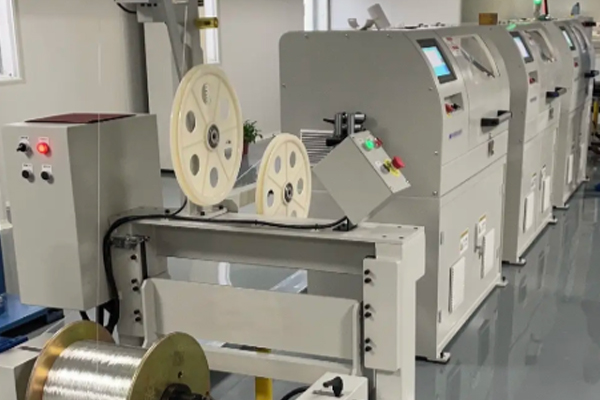
important Takeaways
PTFE cable tape wrapping offers substantial advantages for enhancing electrical performance across various applications. Its excellent insulation capabilities reduce the risk of electrical failures and leakage, particularly vital in high-frequency and high-temperature environments. The material maintains its integrity under extreme conditions, ensuring that signal integrity is preserved during data transmission. PTFE’s distinctive chemical resistance protects cables from corrosive substances, extending their operational lifespan in challenging settings. As industries evolve, the demand for reliable and durable materials like PTFE increases; this tape wrapping not only meets those needs but also enhances system performance and reliability. By opting for PTFE cable tape wrapping, businesses invest in a solution that profoundly improves operational efficiency while ensuring safety and longevity across diverse applications.
Benefits of PTFE Cable Coating
PTFE cable coating offers numerous benefits that improve the overall performance and longevity of electrical cables. One important advantage is its high insulating properties, which significantly reduce the risk of electrical leakage and failure. This is particularly important in high-speed transmission line PTFE wrapping tape, where maintaining signal integrity is critical. The durability of PTFE also stands out in demanding environments, as it can withstand extreme temperatures ranging from -150 to 260 degrees Celsius without degrading. Moreover, PTFE wrapping film provides excellent chemical resistance, making it suitable for use in corrosive settings where conventional materials may fail. Its low friction characteristics allow for smooth handling and installation of cables, which is beneficial when working with AEC high-speed cable wrapping film or similar products. furthermore, the lightweight nature of PTFE materials helps reduce the overall weight of cable assemblies, facilitating easier transportation and installation without compromising on performance requirements. With applications extending across industries from electronics to aerospace, PTFE cable wrapping tape proves essential for enhancing reliability and efficiency.
Improving insulation with PTFE
PTFE cable tape wrapping significantly enhances insulation properties, making it an essential component in various electrical applications. The material’s high dielectric strength provides a robust barrier against electricity flow, preventing unintended leakage and ensuring safe operation. PTFE’s low dielectric loss minimizes energy dissipation, which is important in maintaining signal integrity and efficiency in high-frequency environments. This insulation capability allows devices to operate smoothly without interference or signal degradation. also, the chemical resistance of PTFE ensures that it maintains its insulating properties even in harsh conditions, such as exposure to corrosive substances or extreme temperatures. Over time, the durability of PTFE contributes to long term reliability, reducing the need for frequent replacements or repairs. As a result, utilizing PTFE cable wrapping not only improves overall performance but also extends the lifespan of electrical components across diverse applications.
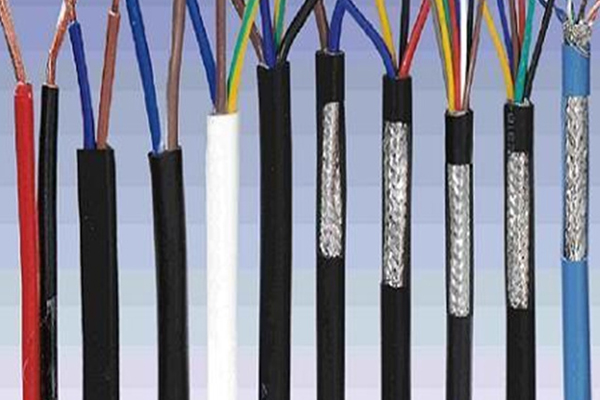
Durability of PTFE in High-Temperature Applications
PTFE cable tape wrapping demonstrates exceptional durability in high-temperature settings, making it ideal for various challenging environments. It can withstand temperatures ranging from -150 to 260 degrees Celsius, maintaining its structural integrity over extended periods. This remarkable temperature resistance ensures that PTFE remains stable and effective even when subjected to intense heat, minimizing the risk of degradation or failure. also, its inherent chemical resistance offers protection against thermal stress and corrosive elements, further enhancing the longevity of applications such as aerospace and high-temperature electronics.
The flexibility of PTFE allows it to conform to various surfaces without compromising its protective qualities, presenting a reliable option for wrapping sensitive components. Its unique properties not only guarantee insulation against electrical hazards but also promote high performance in extreme conditions. As industries increasingly demand materials that can endure rigorous use, PTFE stands out as a leading choice for ensuring durability in modern cable designs.
"Choosing PTFE cable tape wrapping means investing in a solution that combines durability with remarkable performance."
Applications of PTFE Cable Wrapping
PTFE cable wrapping is integral in various sectors due to its exceptional properties. In the telecommunications industry, it is main for high-frequency and high-speed data transmission, where signal integrity is paramount. The flexibility and durability of PTFE materials make them ideal for use in electronic devices that operate under extreme conditions, such as aerospace applications. Moreover, its chemical resistance allows PTFE-wrapped cables to endure exposure to harsh environments, making them suitable for industrial settings and medical devices where sterilization and sanitation are essential. PTFE cable wrapping is also employed in heating elements, ensuring that insulation remains effective even at maximum temperatures. also, this material plays a significant role in automotive applications, safeguarding wiring in vehicles from various stresses and ensuring reliability across systems. The broad applicability of PTFE cable wrapping extends to RF and microwave communication systems, enhancing overall performance across various industries.
Role of PTFE in High-Frequency Transmission
PTFE cable tape wrapping plays a significant role in high-frequency transmission applications. Its unique "semi-air insulation" technology minimizes signal loss, ensuring that data integrity is maintained during transmission. The low dielectric constant of PTFE allows it to effectively manage electromagnetic interference, a main aspect in environments where high-frequency signals are common. With its exceptional insulation properties, PTFE reduces capacitive coupling between conductors, enhancing overall performance. Furthermore, the micro-porous structure of ePTFE enables effective moisture control while allowing for acoustic damping, which is beneficial in communication systems where sound quality and clarity are paramount. This capability to shield signals from various forms of disruption is instrumental in settings such as telecommunications and aerospace, where reliability is non-negotiable. As a result, the integration of PTFE cable tape wrapping into high-frequency applications not only boosts performance but also supports the longevity and durability of electronic systems operating under demanding conditions.
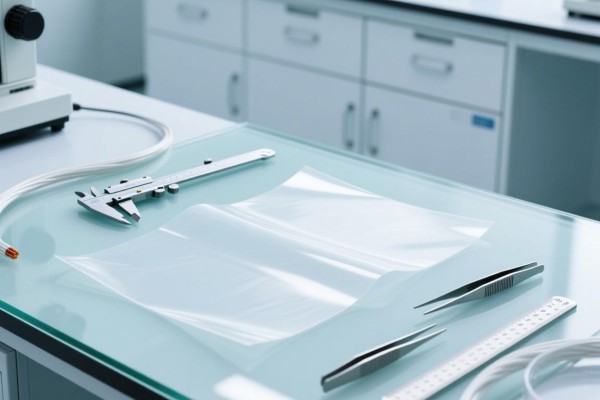
How PTFE Tape Enhances Signal Integrity
PTFE cable tape wrapping plays a vital role in preserving signal integrity in high-frequency applications. The unique semi-air insulation technology used in PTFE significantly reduces signal loss, minimizing the degradation of data transmission over extended distances. This is particularly important for RF and microwave communication, where maintaining a clear signal is essential for performance. The microporous structure of PTFE facilitates moisture resistance while allowing for breathability, which helps prevent condensation and moisture buildup that could interfere with electrical performance. Furthermore, the low dielectric loss property of PTFE ensures that even at elevated temperatures and frequencies, the tape maintains its insulating qualities effectively. This reliability in harsh environments reinforces the effectiveness of signal transmission, making PTFE an essential material for applications requiring high precision and stability in electrical performance.
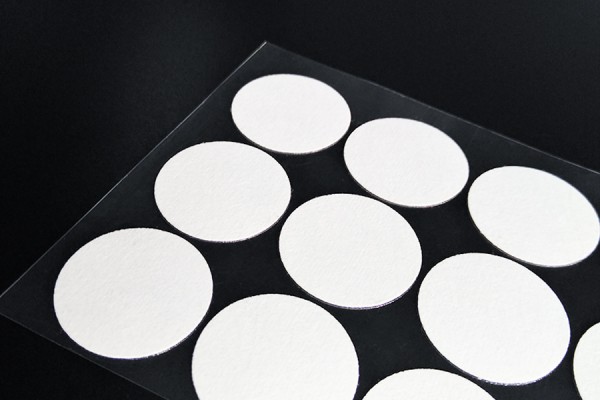
Investigating chemical resistance of PTFE Materials
PTFE materials exhibit remarkable resistance to a wide range of chemicals, making them highly suitable for various industrial applications. Their non-reactive nature allows PTFE to withstand exposure to strong acids, bases, and organic solvents without degrading. This property is particularly important in environments where chemical exposure poses a risk of material failure. The stability of PTFE under extreme conditions prevents contamination and ensures consistent performance. also, the low surface energy of PTFE reduces adhesion of substances, further enhancing its chemical resistance. In industries such as pharmaceuticals and food processing, this characteristic allows for the safe transport and insulation of sensitive materials without compromising quality. Furthermore, the lasting nature of PTFE contributes to its longevity in harsh chemical environments, minimizing replacement costs and maintenance needs over time. The relationship between heat resistance and chemical stability also makes PTFE an excellent choice for applications involving high temperatures in aggressive chemical settings. Overall, PTFE’s impressive chemical resistance is a important factor in its widespread adoption across multiple sectors.
Conclusion
PTFE cable tape wrapping is a critical component in modern electrical applications, providing a range of benefits that improve performance across various environments. Its exceptional insulation properties significantly reduce electrical leakage and ensure safe operations, particularly in high-frequency settings. The ability of PTFE to withstand extreme temperatures and resist chemical deterioration sets it apart as a long-lasting solution for industries facing harsh conditions. From telecommunications to aerospace, the versatility of PTFE wrapped cables supports reliable data transmission and prolongs the operational lifespan of electrical systems. By choosing PTFE cable tape wrapping, industries can achieve improved efficiency and durability, meeting the rigorous demands of today’s technological situation. As applications continue to evolve, PTFE remains an invaluable resource for maintaining high performance in diverse sectors.
FAQs
What is PTFE cable tape wrapping?
PTFE cable tape wrapping is a type of insulation used to boost the performance and durability of electrical cables by utilizing polytetrafluoroethylene material.
How does PTFE improve insulation?
PTFE provides high dielectric strength, reducing electrical leakage and minimizing energy dissipation, which ensures efficient operation in various applications.
What are the temperature limits for PTFE?
PTFE can withstand extreme temperatures ranging from -150 to 260 degrees Celsius, maintaining its integrity and performance in high-temperature environments.
In what industries is PTFE cable wrapping commonly used?
PTFE cable wrapping is widely utilized in telecommunications, aerospace, automotive, industrial settings, and medical devices due to its excellent insulation and chemical resistance properties.
How does PTFE affect signal integrity in high-frequency applications?
PTFE minimizes signal loss through its semi-air insulation properties, significantly enhancing data transmission quality while ensuring reliable performance in high-frequency environments.
Is PTFE resistant to chemicals?
Yes, PTFE exhibits remarkable resistance to a variety of chemicals including strong acids and bases, making it well-suited for harsh industrial environments.
What benefits does PTFE provide in automotive applications?
In automotive settings, PTFE cable wrapping protects wiring from stress and environmental factors while ensuring reliable performance across electrical systems.


