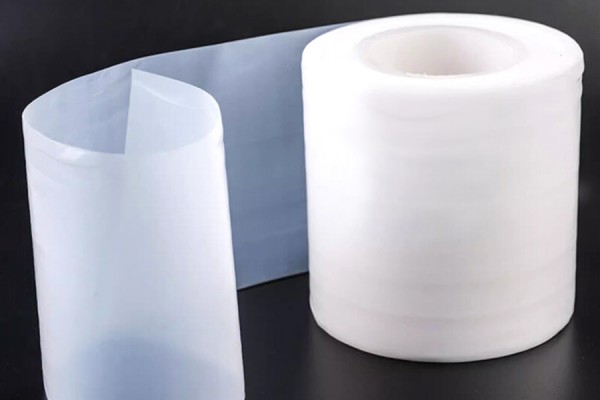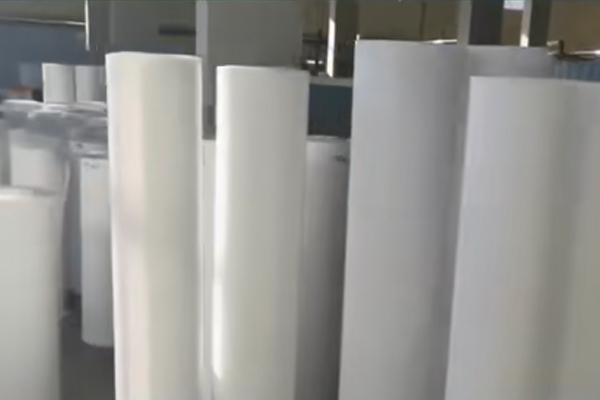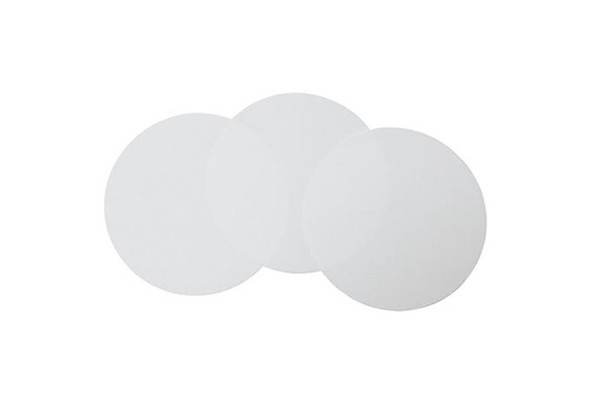
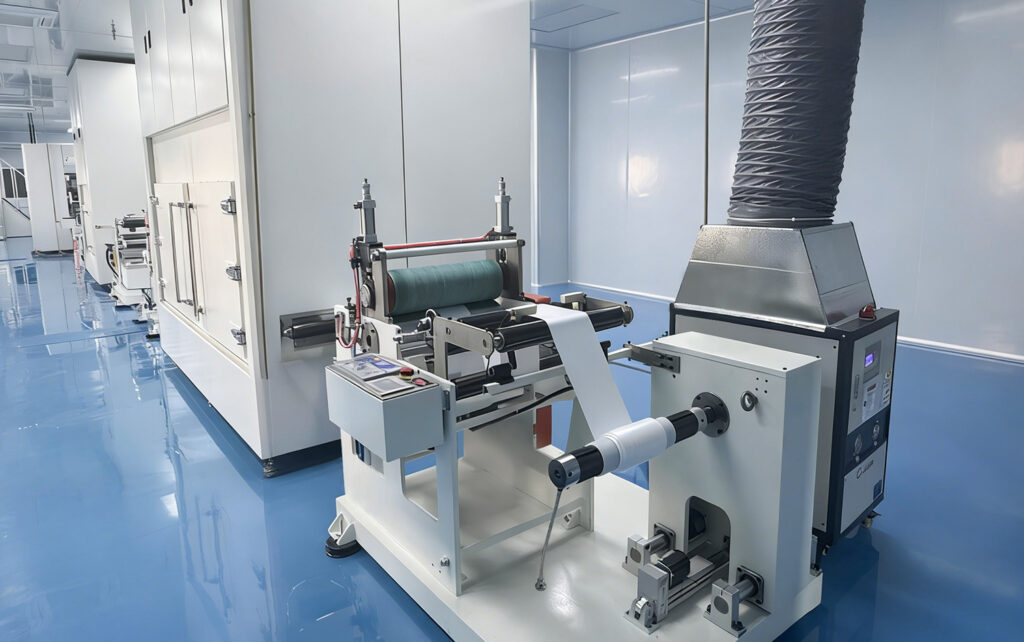
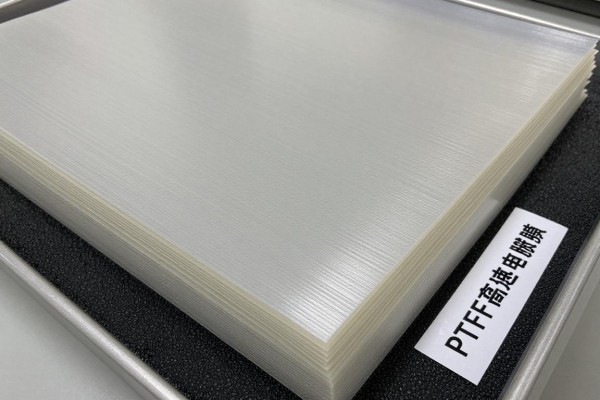
Teflon film offers a variety of benefits that enhance its value across numerous industries. Its remarkable chemical resistance positions it as a reliable material for applications involving corrosive substances, protecting components and prolonging their lifespan. Additionally, the film’s thermal stability ensures that it remains effective in extreme temperature conditions, allowing for consistent performance in critical processes. Low friction properties also reduce wear on equipment, aiding in maintenance and operational efficiency. In sectors like 3D printing and manufacturing, the flexibility of Teflon film enables innovative applications while maintaining structural integrity under stress. Overall, Teflon film stands out as a versatile solution addressing diverse technical challenges in modern industries.
The Versatile Applications of Teflon Film in Today’s Industries
Teflon film has broad applications across various industries due to its unique properties. It is prominently used in high-speed cable technologies, where materials such as PTFE wrapping film and PTFE cable wrapping tape offer superior protection against environmental factors. These films ensure optimal performance in high-frequency communication lines by minimizing signal interference and maintaining insulation integrity.
Additionally, specialized products like DAC high-speed cable wrapping film and AEC high-speed cable wrapping film help enhance the durability and reliability of cables in demanding conditions. The low friction properties of Teflon also make it an ideal candidate for manufacturing solutions, as it reduces wear and improves the lifespan of components.
For instance, the use of PTFE Thread Seal Tape is common in plumbing and construction industries to prevent leaks, highlighting its versatility beyond electronics. Furthermore, PTFE cable roll coating provides a seamless protective layer that can withstand extreme temperatures and corrosive environments, ensuring performance longevity.
"Investing in quality Teflon solutions can lead to cost savings over time by reducing maintenance needs."
Here’s a brief comparison highlighting various Teflon films used in industry applications:
| Product Type | Application Area | Key Benefits |
|---|---|---|
| High speed transmission line PTFE wrapping tape | Electrical & Communications | Reduces signal interference |
| PTFE wrapping film | Cable Insulation | Superior chemical resistance |
| DAC high-speed cable wrapping film | Telecommunications | Enhanced durability |
| AEC high-speed cable wrapping film | Aerospace & Industrial | High-temperature resistance |
| PTFE Thread Seal Tape | Plumbing & Construction | Leak prevention |
The extensive applicability of Teflon films underscores their essential role across several sectors, providing reliable solutions to both technical challenges and everyday problems.
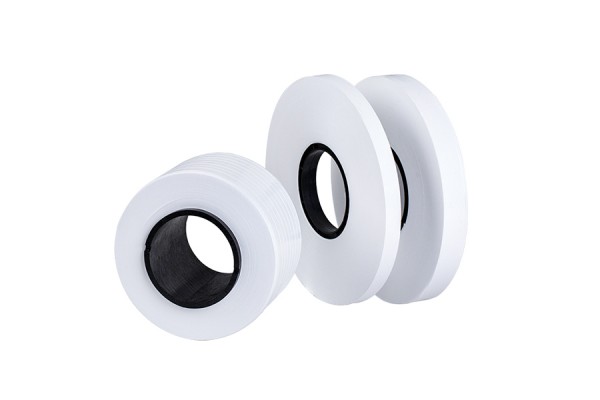
Unveiling the Chemical Resistance of Teflon Film
Teflon film, specifically PTFE film, is renowned for its exceptional chemical resistance, making it a preferred choice in various industries. Its unique properties allow it to withstand corrosive substances without degrading, ensuring longevity and reliability in demanding environments. This resilience is particularly beneficial in applications involving aggressive chemicals, where conventional materials may fail. For instance, PTFE cable wrapping tape utilizes this chemical resistance to protect sensitive wiring from exposure to harsh elements. Additionally, AOC high-speed cable wrapping film offers similar advantages, allowing it to maintain integrity and performance even under challenging conditions. The versatility of Teflon film enhances both safety and efficiency across different sectors, underscoring its critical role in modern manufacturing processes and other industrial applications.
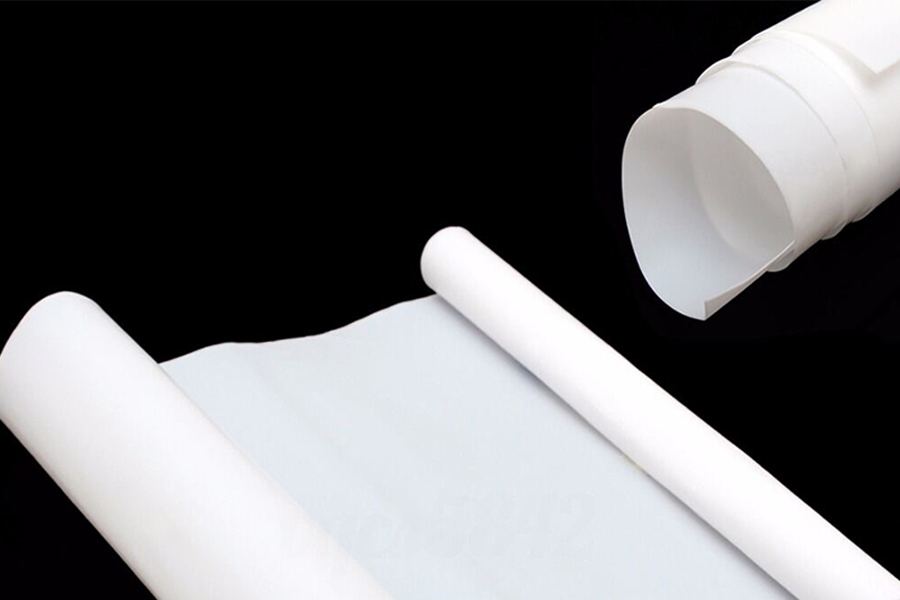
Thermal Stability: A Key Advantage of Teflon Film
Teflon film is renowned for its exceptional thermal stability, making it an ideal choice for various high-temperature applications. This thermoplastic material can maintain its structural integrity and performance across a range of temperatures, often between -268°C and 260°C. Such resilience is critical in industries where equipment may be subjected to extreme heat, as it ensures consistent performance without degradation. Furthermore, Teflon film’s ability to resist thermal decomposition adds to its appeal; it can be utilized in settings where other materials might fail. This characteristic also enhances its safety profile, allowing companies to operate efficiently while minimizing risks associated with material breakdown. By leveraging Teflon film’s thermal properties, manufacturers can enhance the durability and reliability of their products across multiple sectors.
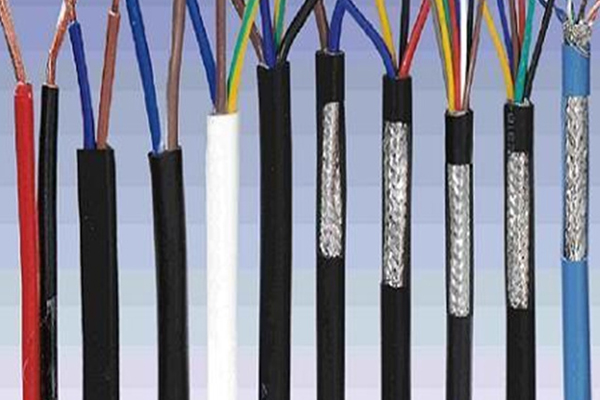
Innovative Uses of Teflon Film in 3D Printing
Teflon film, specifically PTFE wrapping film, has become an essential material in 3D printing due to its unique properties. Its excellent chemical resistance ensures that printed parts can withstand harsh environments, making it suitable for a variety of applications. By utilizing PTFE cable roll coating, manufacturers enhance the durability and reliability of their products by providing a heat and chemical-resistant layer. Moreover, AEC high-speed cable wrapping film is increasingly used to create precision components that require flexibility without compromising strength. This versatility allows designers to explore innovative printing techniques and create intricate designs that meet specific industry demands while maintaining functionality. As 3D printing technology evolves, the integration of Teflon film will likely expand, driving further advancements in material science and manufacturing capabilities.
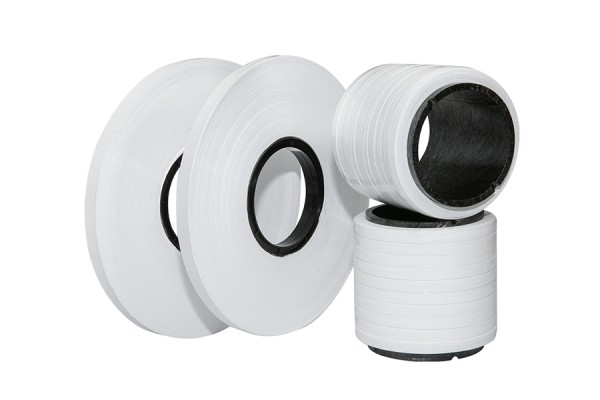
Enhancing Manufacturing Processes with Teflon Film
Teflon film plays a crucial role in optimizing manufacturing processes across various industries. Its unique properties, such as high chemical resistance and low friction, contribute to improved efficiency and product quality. By utilizing Teflon film as a protective layer, manufacturers can reduce wear and tear on machinery components, which extends equipment lifespan. Additionally, the non-stick surface of Teflon film minimizes the adhesion of materials during production, resulting in smoother operations and decreased downtime for maintenance. This versatility allows Teflon film to be integrated into different applications, from coating conveyor belts to providing thermal insulation for sensitive equipment. As industries demand more robust solutions, Teflon film continues to prove its value in enhancing manufacturing practices.
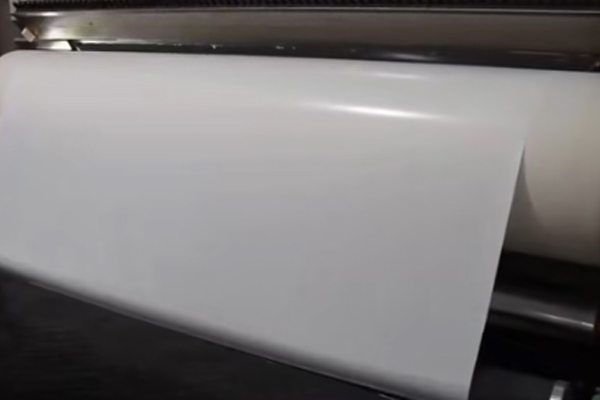
Teflon Film: Reliability Across Various Sectors
Teflon film is recognized for its reliability in a multitude of industries, ranging from electronics to pharmaceuticals. Its inherent chemical resistance ensures that it can withstand harsh environments without degrading, making it a preferred choice in applications that involve corrosive substances. Additionally, the thermal stability of Teflon film allows it to perform effectively under extreme temperatures, ensuring consistent results across various manufacturing processes. In the electronics sector, Teflon film is often utilized for insulation and protective layers due to its non-reactive nature. Meanwhile, in the food industry, its safety profile and ease of cleaning promote hygiene and efficiency. By providing robust solutions to diverse challenges, Teflon film continues to be a vital component across sectors seeking reliability and durability in their materials.
Exploring the Mechanical Properties of Teflon Film
Teflon film exhibits outstanding mechanical properties that make it ideal for a range of applications, especially in high-demand environments. Its mechanical toughness ensures durability, enabling it to withstand significant stress and strain without deformation or damage. This is particularly beneficial in industries where reliability is crucial, such as electrical and manufacturing sectors. Additionally, when utilized as an ACC high-speed cable wrapping film, Teflon film enhances the performance of high-speed and high-frequency cables by providing superior protection against wear and tear. The film’s inherent flexibility allows it to conform to various shapes and components while maintaining its integrity under extreme conditions. These properties make Teflon film a versatile choice for engineers looking to solve diverse technical challenges in modern applications.
Teflon Film Solutions for Diverse Technical Challenges
Teflon film offers unique solutions to various technical challenges across multiple industries. Its outstanding chemical resistance makes it ideal for applications where exposure to harsh substances is common. For example, in chemical processing, Teflon film protects critical components from corrosive agents, thus extending equipment life and minimizing maintenance costs. Additionally, its low friction properties allow for smoother operations in mechanical systems, reducing wear and tear on moving parts. This versatility is further enhanced by its availability in various thicknesses, catering to specific project requirements. Manufacturers can also leverage Teflon film’s thermal stability for high-temperature applications, ensuring consistent performance even under extreme conditions. Overall, Teflon film stands out as a practical choice for resolving complex technical issues.
Conclusion
In today’s rapidly evolving industries, Teflon film has proven to be an invaluable material that addresses a wide range of challenges. Its superior properties, such as chemical resistance, thermal stability, and low friction, allow it to perform reliably across various applications. From enhancing electronic components to providing solutions in manufacturing and 3D printing, Teflon film’s versatility cannot be overstated. As industries continue to advance, the demand for high-quality materials like Teflon film is likely to grow, further solidifying its role as a key player in modern technology and manufacturing. By investing in Teflon film solutions, businesses can ensure durability and efficiency in their processes while tackling technical hurdles with confidence.
FAQs
What industries commonly use Teflon film?
Teflon film is widely used in the electronics, aerospace, manufacturing, and chemical industries due to its unique properties.
How does Teflon film enhance manufacturing processes?
Teflon film improves manufacturing efficiency by reducing wear on machinery, minimizing adhesion issues, and providing thermal insulation.
Is Teflon film resistant to chemicals?
Yes, Teflon film exhibits exceptional chemical resistance, making it suitable for applications involving corrosive substances.
What are the thermal stability benefits of Teflon film?
Teflon film can maintain its structural integrity from -268°C to 260°C, ensuring reliable performance under extreme temperatures.
Can Teflon film be used in 3D printing?
Absolutely. Teflon film is utilized in 3D printing for its chemical resistance and ability to create flexible yet strong components.
How does Teflon film contribute to electrical safety?
Teflon film acts as an insulating layer in electrical applications, protecting against degradation from environmental factors.