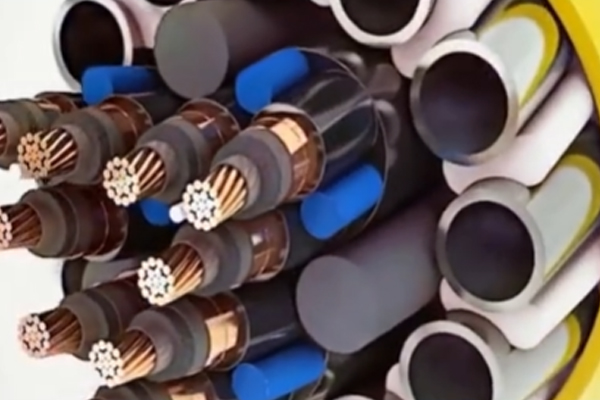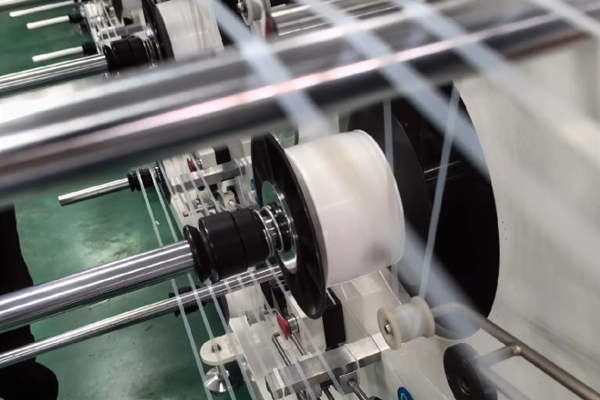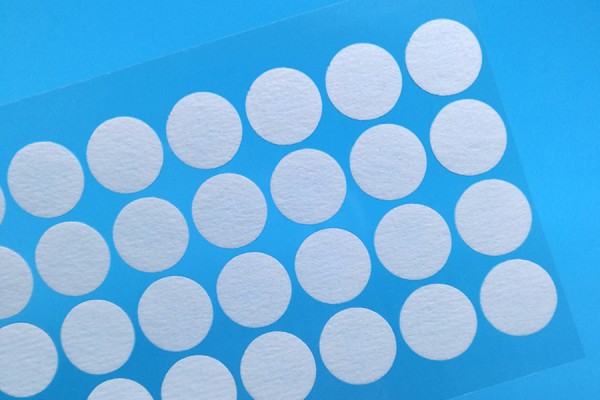
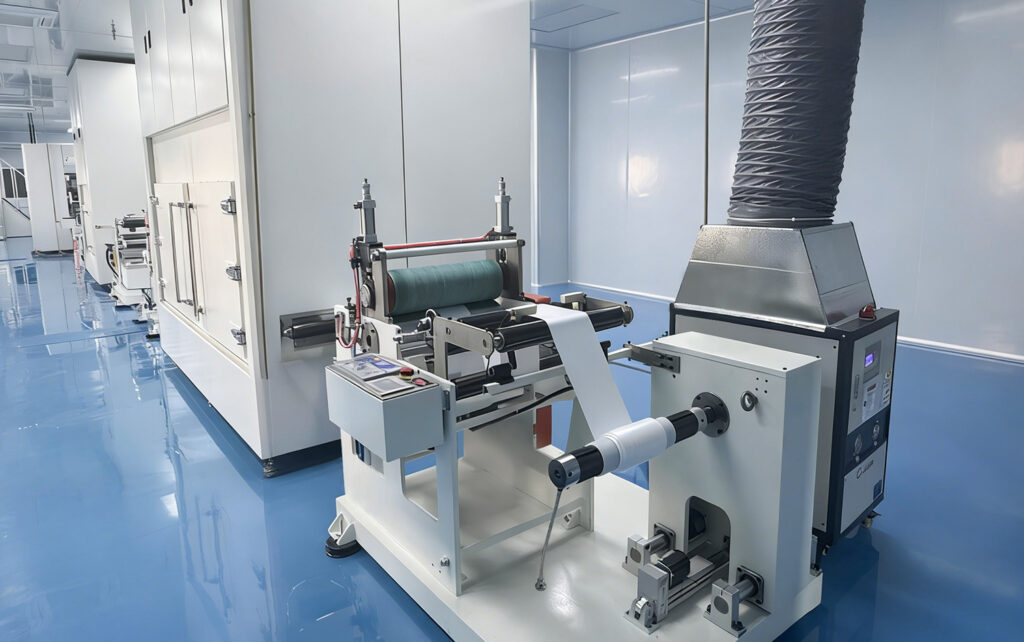
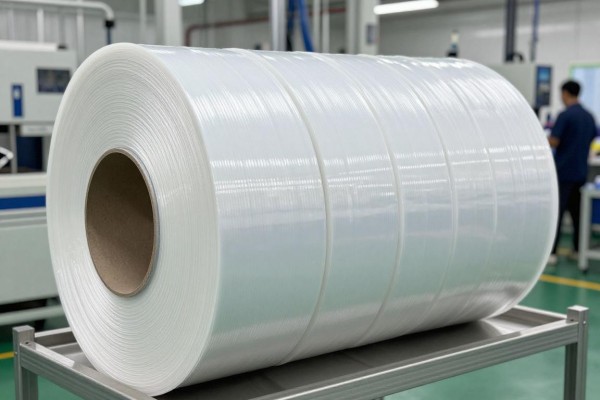
PTFE high-speed cable film stands out due to its remarkable insulation capabilities, making it vital for various applications. Its insulation resistance plays a crucial role in maintaining signal integrity and minimizing loss, which is particularly important in high-frequency environments such as telecommunications and RF applications. Additionally, the lightweight nature of PTFE facilitates easier integration into complex designs while ensuring durability under extreme conditions. The material’s unique properties, including its wear and heat resistance, are key factors that contribute to its status as a preferred option for industries like aviation and medical technology. Overall, PTFE high-speed cable film provides essential solutions for improving performance and reliability in modern electronic systems.
Benefits of PTFE High-Speed Cable Film for Effective Insulation
PTFE high-speed cable film excels in providing robust insulation for various applications, particularly for high-speed transmission lines. Its exceptional insulation resistance, combined with wear and heat resistance, makes it suitable for demanding environments. The use of PTFE wrapping film, such as DAC and AEC high-speed cable wrapping films, enhances the performance and longevity of cables. These materials not only support optimal signal transmission but also maintain flexibility and durability under extreme conditions. Importantly, employing PTFE cable wrapping tape in RF applications ensures lower dielectric loss, significantly improving efficiency in high-frequency data transfer.
| Feature | Benefit |
|---|---|
| Insulation Resistance | Maintains signal integrity |
| Heat Resistance | Protects against thermal degradation |
| Durability | Withstands mechanical stress |
"In selecting materials for optimal performance, consider the advantages of PTFE cable roll coating for enhanced protection."
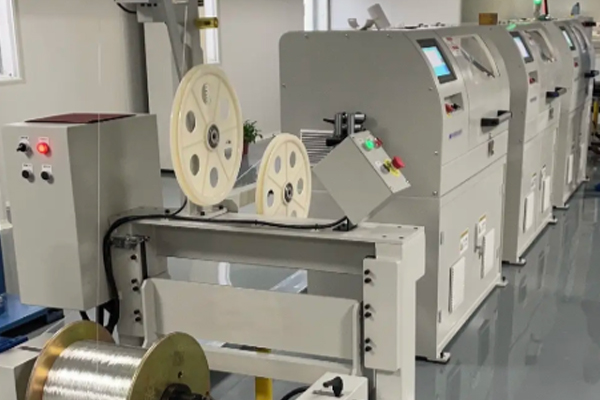
Unleashing the Power of PTFE: Ideal for Aviation and RF Applications
PTFE high-speed cable film stands at the forefront of insulation solutions, particularly in aviation and RF applications. Its unique properties make it a preferred choice in environments where performance is critical. The high insulation resistance offered by PTFE wrapping film ensures reliable operation under extreme conditions, reducing the risk of signal loss. This is particularly vital in aviation, where safety and efficiency are paramount. Additionally, the lightweight nature and exceptional heat resistance of PTFE make it ideal for RF cables used in communication technology. The high-speed transmission line PTFE wrapping tape effectively facilitates superior signal integrity, tackling challenges posed by electromagnetic interference. With its ability to maintain flexibility and stability in varying temperatures, PTFE becomes instrumental for aerospace components and communication devices, ensuring seamless operation in high-demand applications.
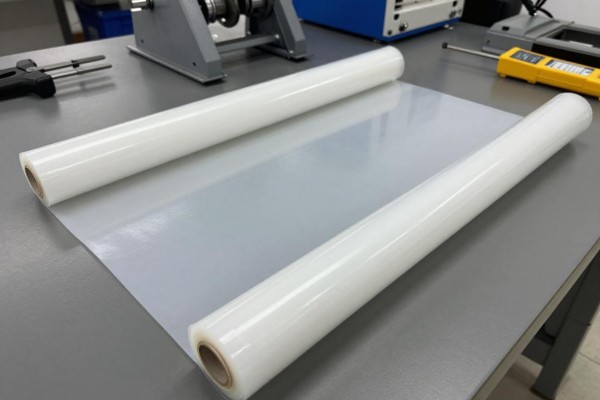
Exploring the Durability of PTFE High-Speed Cable Film
PTFE high-speed cable film stands out for its exceptional durability, which is essential for maintaining performance in demanding environments. Its unique composition offers significant wear and heat resistance, ensuring longevity even in high-temperature applications. The versatility of PTFE cable roll coating enhances its application across various sectors, including aviation and RF technologies, where reliability is paramount. Furthermore, the integration of AOC high-speed cable wrapping film and ACC high-speed cable wrapping film further exemplifies the advancements in material science that contribute to improved durability. These films provide a lightweight solution without compromising on strength, thus optimizing the protective features essential for signal integrity and system performance in modern electronic devices.
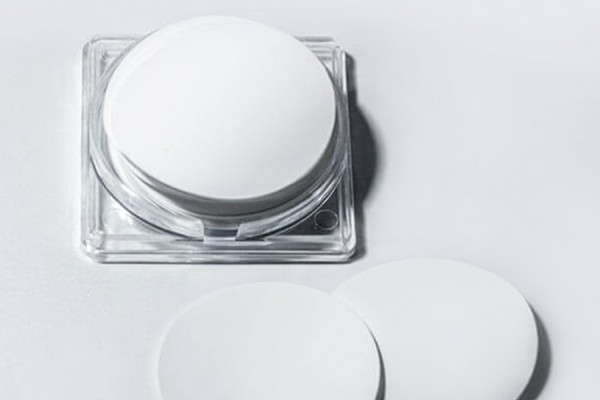
Why Choose PTFE High-Speed Cable Films for 5G Technology?
PTFE high-speed cable films are essential for meeting the demanding performance requirements of 5G technology. Their exceptional insulation resistance ensures minimal signal loss, which is crucial for high-frequency data transmission. The lightweight and thin profile of PTFE films also contribute to improved flexibility in design, allowing for efficient integration into a variety of applications. Additionally, the use of DAC high-speed cable wrapping film alongside PTFE materials enhances durability and performance in challenging environments. The combination of low dielectric constant and excellent heat resistance positions PTFE as a leading choice for RF and microwave communication cables, where optimal signal transmission is paramount. These properties make PTFE high-speed cable films not only suitable but highly advantageous for the rapidly evolving landscape of 5G technology.
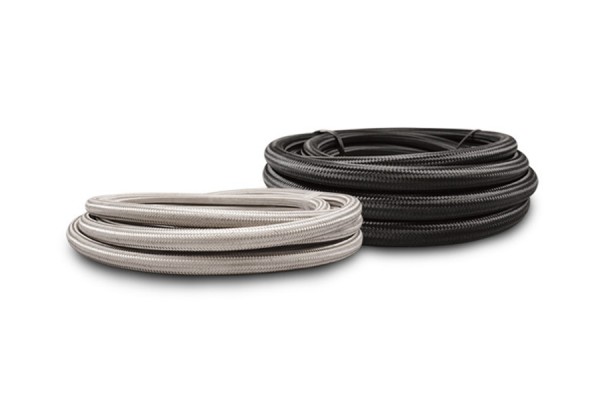
Insulation Resistance and Performance: The Key Features of PTFE Film
PTFE high-speed cable film is renowned for its exceptional insulation resistance, making it an ideal choice for electrical applications where reliability is essential. The material exhibits superior wear and heat resistance, allowing it to maintain integrity in demanding environments. This film effectively minimizes dielectric loss, enhancing overall performance in signal transmission. Its low thermal expansion coefficient ensures stability over a range of temperatures, which is crucial for high-speed data cables. Additionally, the lightweight and thin structure not only enhances flexibility but also supports ease of installation across various applications. With consistent shielding performance against electromagnetic interference, PTFE film stands out as a top option for industries requiring high-performance insulation solutions.
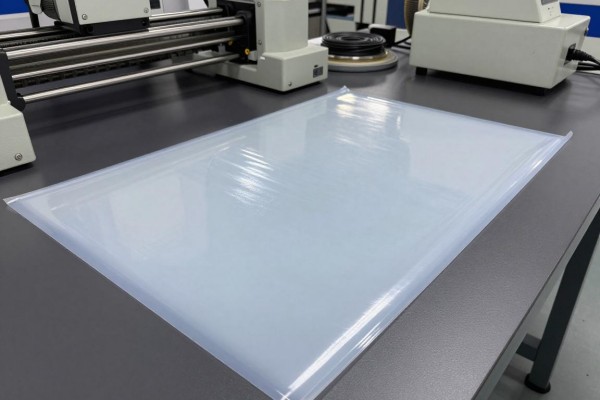
Maximizing Signal Transmission with High-Performance PTFE Cables
PTFE high-speed cable film plays a crucial role in enhancing signal transmission, particularly in high-frequency applications. Its low dielectric constant and excellent insulating properties contribute to minimized signal loss and interference. When utilized in conjunction with AEC high-speed cable wrapping film, it provides an additional layer of protection, ensuring optimal performance for demanding environments. The lightweight and thin profile of PTFE films also facilitates easier routing and installation in complex systems. This is particularly beneficial for industries reliant on high-speed data transfer, such as telecommunications and aerospace. With the increasing reliance on high speed and high-frequency cable wrapping film, designers can harness the advantages of PTFE technology to achieve superior performance characteristics across various applications, including RF communication and 5G technology.
Versatile Applications of PTFE: From Medical Wires to Heating Cables
PTFE high-speed cable film showcases remarkable versatility across various industries. In medical applications, its exceptional insulation properties protect sensitive equipment from electrical interference, ensuring reliable performance in critical scenarios. Additionally, PTFE is widely utilized in heating cables due to its ability to withstand elevated temperatures without degrading, making it suitable for both residential and industrial heating solutions. The corrosion-resistant nature of PTFE also benefits environments where moisture and other corrosive agents are prevalent. Moreover, its lightweight structure and low dielectric constants enhance efficiency in electronic devices and RF cables, facilitating seamless signal transmission. By meeting the demanding requirements of diverse applications—from medical technology to advanced heating systems—PTFE high-speed cable film remains a preferred choice for many industries.
The Advantages of Utilizing ePTFE in Modern Electronic Devices
The use of expanded PTFE (ePTFE) in modern electronic devices significantly enhances performance, particularly in high-frequency applications. ePTFE exhibits exceptional dielectric properties, which minimizes signal loss and ensures optimal transmission efficiency. Its lightweight and flexible nature makes it suitable for compact designs, where space is often limited. Additionally, the material’s high-temperature and corrosion resistance further extends its usability across a variety of environments, including aerospace and medical fields. With a unique microporous structure, ePTFE allows for better thermal management, reducing overheating risks in critical components. This capacity to maintain reliability under demanding conditions solidifies its importance in the development of advanced electronics that require consistent performance and durability.
Conclusion
The advantages of PTFE high-speed cable film highlight its critical role in various technological applications. Its unique properties, such as outstanding insulation resistance and durability, ensure effective performance in demanding environments, including aviation, medical devices, and 5G technologies. The combination of low dielectric loss and effective signal transmission makes it particularly valuable in high-frequency applications. Additionally, the versatility of PTFE extends to its use in heating cables, where temperature resilience is essential. As industries continue to evolve towards advanced electronic solutions, the reliable performance offered by PTFE high-speed cable film will remain a key factor in achieving optimal insulation and efficiency across multiple sectors.
FAQs
What is PTFE high-speed cable film?
PTFE high-speed cable film is an advanced insulation material known for its exceptional resistance to heat and wear. It is widely used in applications requiring reliable signal transmission.
How does PTFE film enhance signal transmission?
PTFE film minimizes dielectric loss and interference, which is essential for maintaining signal integrity in high-frequency applications like telecommunications and 5G technology.
Why is PTFE preferred in aviation applications?
PTFE’s high insulation resistance and lightweight properties ensure reliable performance under extreme conditions, making it ideal for aviation technology where safety remains a priority.
Is PTFE cable film suitable for medical devices?
Yes, PTFE cable film provides excellent insulation, protecting sensitive medical equipment from electrical interference, ensuring reliable operation in critical scenarios.
What are the temperature limits for PTFE high-speed cable films?
PTFE can withstand high temperatures while maintaining its structural integrity, making it suitable for both industrial and residential heating applications.