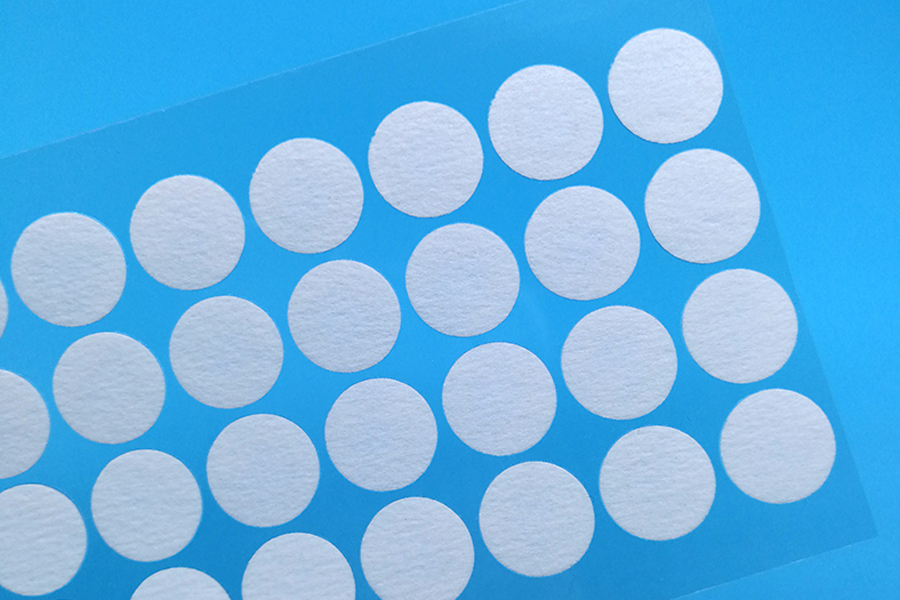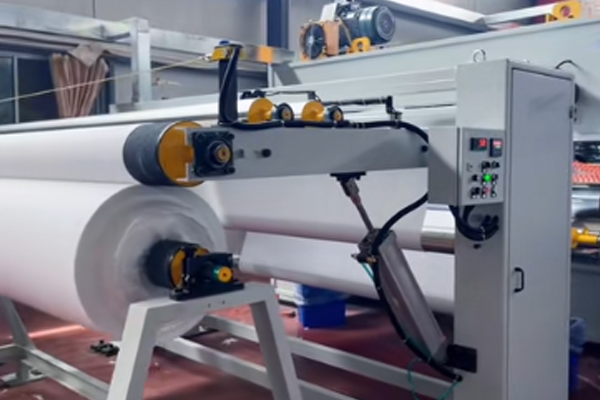
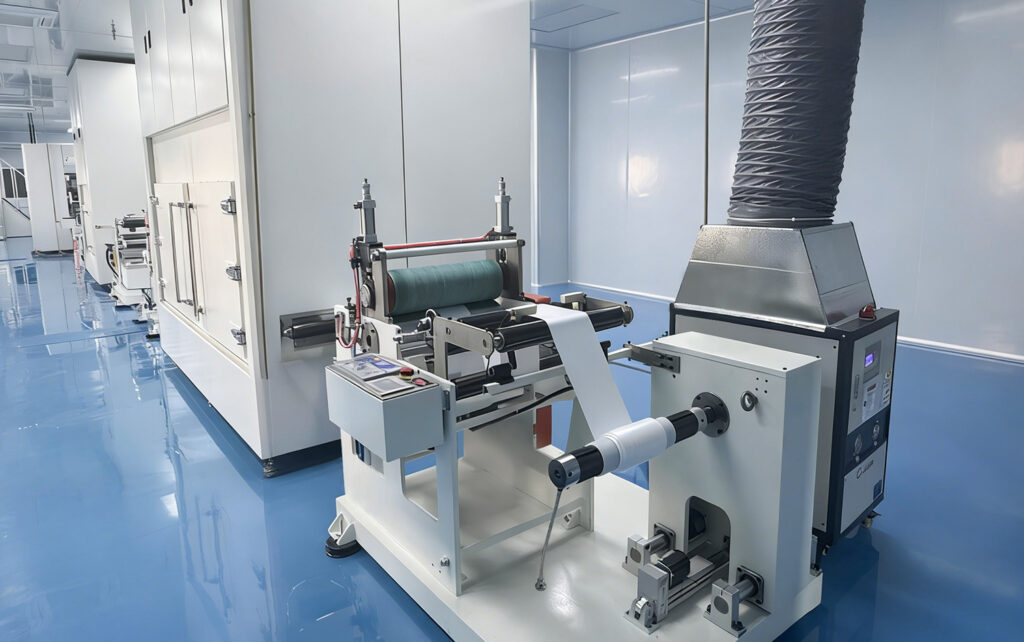
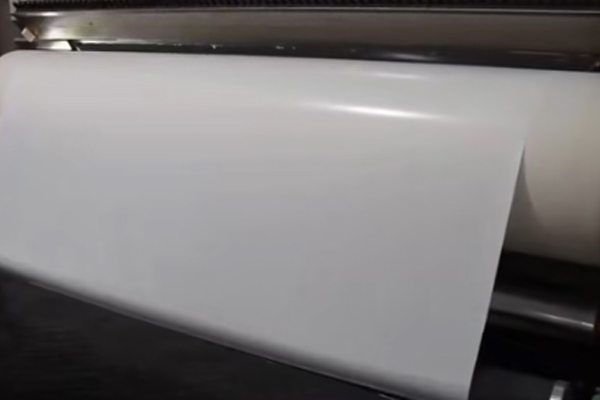
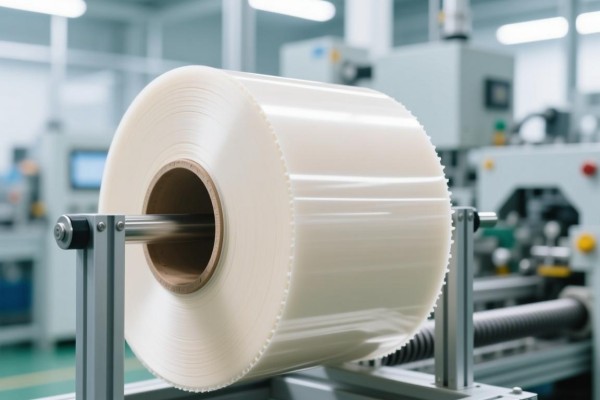
Polytetrafluoroethylene (PTFE) wrapping film is a high-performance material notable for its chemical resistance, thermal stability, and versatility across various applications. Its use in demanding industries such as aerospace, automotive, and healthcare illustrates its crucial role in achieving reliable and safe operations. Key market drivers include innovation in manufacturing processes, the need for sustainable alternatives to traditional PTFE production methods, and compliance with stringent regulations. Additionally, leading players in the market are continuously enhancing product formulations to meet evolving performance standards while addressing environmental concerns. These dynamics underscore the significance of PTFE wrapping film as a foundational material within multiple sectors, further highlighting its advantageous features in comparison to alternative materials.
Polytetrafluoroethylene (PTFE) Wrapping Film: Key Properties and Advantageous Features
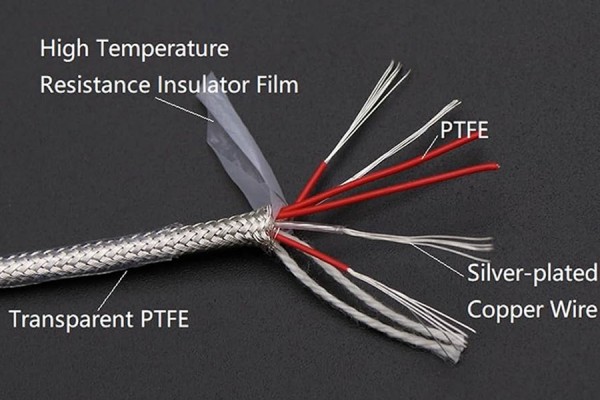
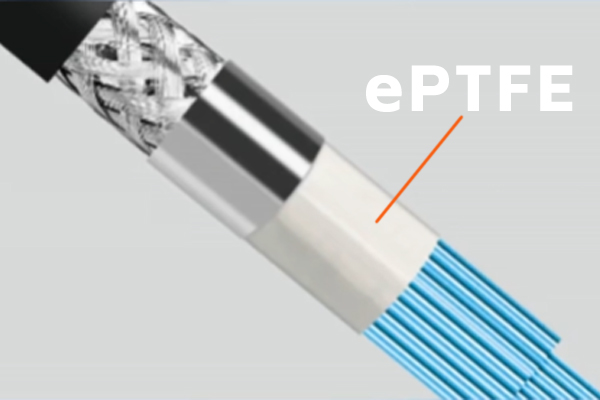
Polytetrafluoroethylene (PTFE) wrapping film is renowned for its exceptional chemical resistance, thermal stability, and low friction properties. These features make it an ideal choice for high-performance applications. For instance, the high-speed transmission line PTFE wrapping tape is designed to excel in demanding environments, ensuring signal integrity in telecommunications. Additionally, PTFE Thread Seal Tape is utilized in plumbing to prevent leaks due to its non-stick characteristic and durability. In cable management, PTFE cable wrapping tape and PTFE cable roll coating provide superior insulation and protection against environmental factors. Specialized variations like DAC, AEC, AOC, and ACC high-speed cable wrapping films further enhance performance in specific applications such as high-speed data transfer. Overall, the advantageous properties of PTFE wrapping film significantly contribute to its versatility across various industries.
Versatile Applications of Polytetrafluoroethylene (PTFE) Wrapping Film Across Industries
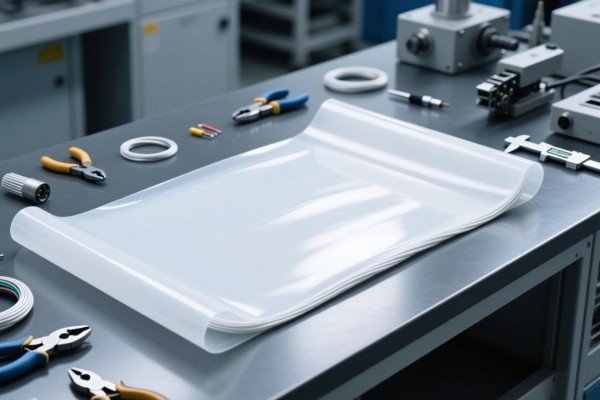
PTFE wrapping film is widely recognized for its exceptional versatility, finding applications across multiple industries. In the aerospace sector, it is utilized for electrical insulation and as a protective layer due to its resistance to extreme temperatures and chemicals. The automotive industry values PTFE wrapping film for its use in gaskets and seals, where durability and reliability are critical. In the food processing realm, this material serves as a non-stick coating that adheres to health regulations while ensuring effective food safety. Moreover, in electronics, the film is crucial for wiring insulation and component protection. Additionally, the medical sector benefits from PTFE wrapping film’s properties, employing it in devices that require enhanced safety measures. With its broad applicability, PTFE wrapping film continues to be integral in advancing technology and performance across various domains.
Market Trends and Growth Insights for Polytetrafluoroethylene (PTFE) Wrapping Film
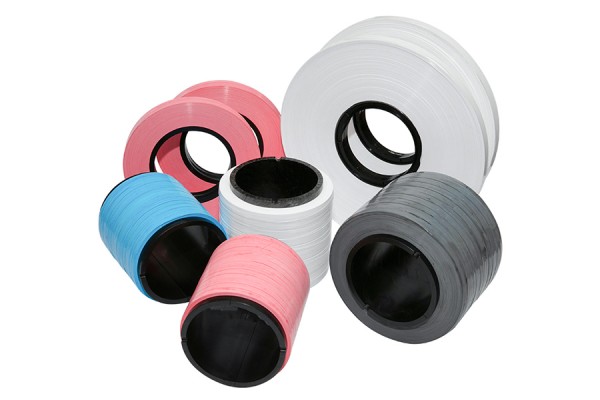
The market for Polytetrafluoroethylene (PTFE) wrapping film is experiencing a notable expansion, driven by its increasing adoption across various sectors, including automotive, healthcare, and electronics. This growth is anticipated to correlate with the rising demand for high-performance materials that offer durability and resistance to extreme conditions. Notably, the introduction of innovative products like AEC high-speed cable wrapping filmhas positioned PTFE films favorably in applications requiring reliable insulation and protection.
Industry analyses indicate that the global market for PTFE wrapping films is projected to grow significantly in the coming years. Factors such as advancements in manufacturing technologies and heightened awareness of product benefits are contributing to this trend. Additionally, regulatory frameworks that prioritize safety and environmental considerations are shaping the production and usage of these materials.
"Staying informed about market regulatory changes can provide companies a competitive edge."
In summary, understanding these trends is essential for stakeholders aiming to capitalize on opportunities within the PTFE wrapping film sector while navigating potential challenges presented by evolving standards.
Leading Industry Players Influencing the PTFE Wrapping Film Market
Key players in the PTFE wrapping film market are actively shaping its development, particularly in sectors such as automotive, telecommunications, and electronics. Companies like AGC Inc. and Daikin Industries Ltd. are leveraging advanced technologies to produce innovative solutions like high-speed transmission line PTFE wrapping tape, which enhances the performance of electrical insulation applications. Additionally, DAC is making significant strides with its high-speed cable wrapping film, specifically designed for efficient cable roll coating and offering excellent protection against harsh environmental factors. These market leaders continuously improve production methods and product formulations to meet the growing demand for durable and reliable PTFE products across various industries while adhering to safety regulations and sustainability practices.
Challenges and Regulatory Considerations Affecting PTFE Wrapping Film Production
The production of Polytetrafluoroethylene (PTFE) wrapping film is increasingly affected by stringent regulations surrounding environmental safety and health risks. Specifically, regulations related to perfluorooctanoic acid (PFOA)—a chemical previously used in the manufacturing of PTFE—have raised significant concerns. Producers are compelled to comply with evolving standards that aim to minimize potential environmental impacts due to PFOA. Additionally, the industry faces challenges in adapting to these regulations while maintaining product quality and functionality. As manufacturers invest in alternative production methods and materials, balancing regulatory compliance with performance specifications remains critical. Moreover, increased scrutiny from regulatory bodies leads companies to conduct more thorough assessments of their processes, ensuring that they adhere to the latest safety standards while effectively managing costs.

Innovative Developments in Polytetrafluoroethylene (PTFE) Wrapping Film Technology
Recent innovations in Polytetrafluoroethylene (PTFE) wrapping film technology focus on enhancing performance and environmental sustainability. Manufacturers are exploring the integration of advanced additives that improve the film’s mechanical strength and thermal stability without compromising its non-stick properties. Additionally, research is underway to develop more environmentally friendly production processes that minimize health risks associated with traditional manufacturing methods. Alternative formulations that reduce the use of perfluorooctanoic acid (PFOA) are gaining traction, addressing regulatory pressures while maintaining product efficacy. These advancements not only expand the application potential of PTFE wrapping films in industries such as aerospace and automotive but also cater to the increasing demand for safer, high-performance materials in sensitive environments like healthcare. As the technology evolves, collaboration among industry players is key to driving innovation and addressing challenges in production and application strategies.
Comparison of PTFE Wrapping Film with Alternative Materials in Various Applications
Polytetrafluoroethylene (PTFE) wrapping film stands out when compared to alternative materials such as polyethylene and polypropylene. Its exceptional chemical resistance and thermal stability make PTFE the preferred choice in industries that require performance under extreme conditions. Unlike polyethylene, which can degrade in harsh environments, PTFE maintains its integrity, providing reliable insulation and protection. Similarly, while polypropylene offers certain durable qualities, it lacks the non-stick properties of PTFE, making it less effective for applications requiring low friction. In sectors like aerospace and biomedical, the unique properties of PTFE wrapping film ensure superior performance and safety over its counterparts. This distinction plays a pivotal role in determining material selection for specific applications across various industries.
Conclusion
Polytetrafluoroethylene (PTFE) wrapping film is positioned as a crucial material in various industries due to its unique properties and extensive applications. Its durability, chemical resistance, and low friction characteristics make it highly suitable for demanding environments encountered in sectors such as aerospace, automotive, and healthcare. As market trends indicate a growing demand for high-performance materials, the PTFE wrapping film industry is adapting to regulatory requirements while fostering innovation in production techniques. Leading manufacturers are investing in environmentally sustainable practices that aim to enhance both material performance and compliance with safety regulations. Consequently, PTFE wrapping film continues to be an essential component in advancing technology across diverse applications.
FAQs
What is Polytetrafluoroethylene (PTFE) wrapping film used for?
PTFE wrapping film is used across various industries for applications such as electrical insulation, gaskets, non-stick coatings in food processing, and protective layers in aerospace components.
How does PTFE wrapping film compare to other materials?
PTFE offers superior chemical resistance and thermal stability compared to materials like polyethylene and polypropylene, making it more effective in harsh environments.
What are the benefits of using PTFE wrapping film?
Its benefits include high durability, low friction properties, and compliance with health regulations, particularly in sensitive industries such as healthcare and food processing.
Are there any regulatory concerns associated with PTFE production?
Yes, the production of PTFE is affected by regulations regarding the use of perfluorooctanoic acid (PFOA), which necessitates compliance to minimize environmental impacts.
How is the market for PTFE wrapping film evolving?
The market is expanding due to increased demand for high-performance materials across sectors like automotive and healthcare, alongside innovations aimed at enhancing sustainability.