important Takeaways
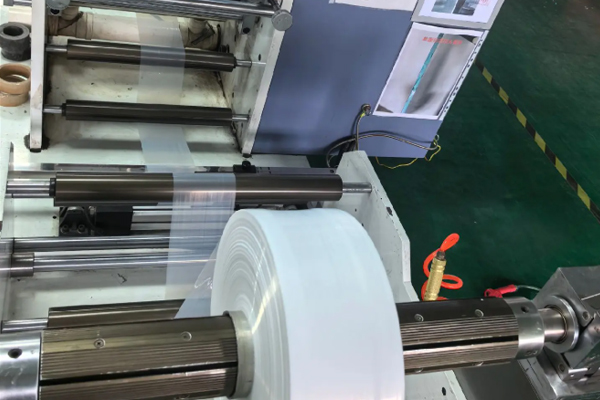
PTFE cable tape wrapping plays a key role in high-speed signal transmission across many sectors. It helps keep signals intact in varied environments, making it a solid choice for telecommunications and aerospace. The tape offers low dielectric loss, supporting efficient data transfer for advanced communication systems. High-temperature resistance and chemical durability extend cable life and reduce maintenance. As data rates rise, PTFE stays important for reliable, fast communications. Its flexibility supports new cable designs that handle today’s technology challenges, delivering performance and reliability in critical systems. In short, this material underpins faster data transmission across multiple applications.
PTFE Cable Tape Features
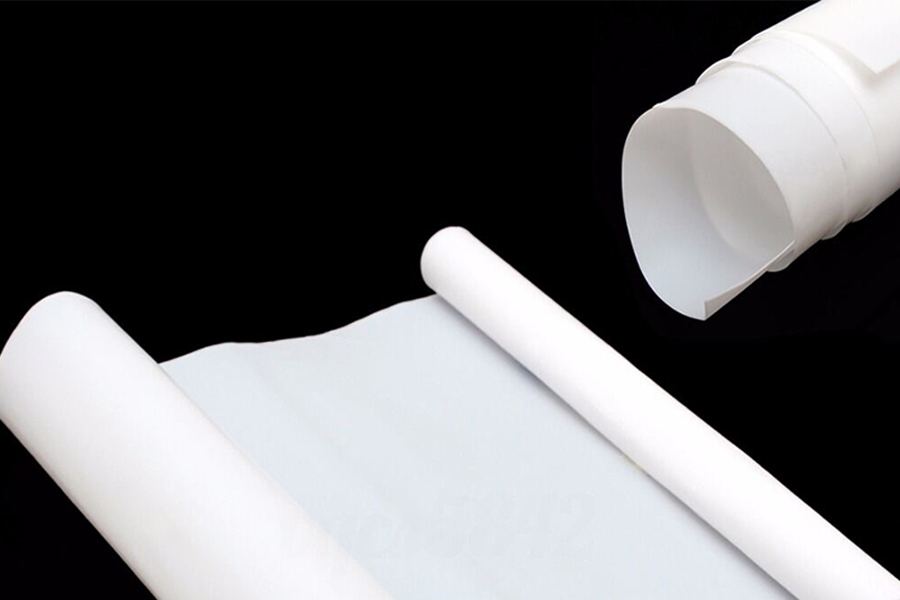
PTFE wrapping tape for high-speed lines stands out for its durable performance in tough settings. The high resistance to temperature swings from -150°C to 260°C keeps it stable. It resists abrasions and chemical attack, making it suitable for aerospace and military environments. Its flexibility helps when wrapping curved or uneven surfaces, preserving signal quality. It provides good shielding against interference and works with high-speed wrap films such as DAC, AEC, AOC, ACC variants. It offers excellent electrical insulation with low dielectric loss. Its versatility across industries keeps critical tech running when fast data matters.
Applications in Signal Tech
PTFE tape plays a key role in signaling tech thanks to its properties. It’s widely used in high-frequency applications like RF coaxial cables, where low dielectric loss matters for clear signal transmission. The tape shows high insulation resistance and low moisture absorption, which helps in environments with fluctuating humidity and temperature. It is used in medical cables where reliability and safety matter, ensuring vital signals stay clean from interference.
Its applications extend to data lines used in 5G networks, where speed and stability matter. Aerospace and military sectors rely on PTFE wrapping for their specialized cables, given the demanding operations. The material’s flexibility supports complex cable designs that accommodate the routing required in modern tech setups.
PTFE tape wrapping can improve signal clarity, especially under challenging conditions.
Role in Reliable Communication
Wrapping helps keep signals steady inside electronics. Its high dielectric strength ensures effective insulation, minimizing signal loss and interference. Thermal stability across a range of temperatures matters for gear that faces extreme heat or cold. In fast data links, milliseconds count. Low dielectric loss means faster signal propagation. Resistance to moisture and chemicals extends life. Its flexibility helps it fit different cable shapes without compromising integrity, reducing failures. Overall, it improves cables’ performance and supports modern networks.
Benefits for High-Speed Cables
Wrapping tape offers clear benefits for fast cables. Its insulation helps cut signal loss over long runs. The material’s low dielectric constant reduces energy use during propagation, which matters in high-frequency work. Thermal stability lets cables run across temperature ranges without degradation. Chemical resistance adds durability in harsh environments, extending lifespans. It also improves electromagnetic shielding, reducing interference and improving signal clarity. Its flexibility enables compact, adaptable designs. That flexibility supports new cable designs in telecom and aerospace.
Transforming data transfer
The material helps transform data transfer across technologies. Its insulation guards against interference and loss over long distances. By reducing loss and attenuation, tape boosts the performance of high-speed cables, important for applications like 5G networks and advanced communication systems. Flexibility and heat resistance let it adapt to different environments, ensuring consistent performance. That adaptability makes it a go-to for makers chasing reliable cable design. As industries push for faster data transfer, it remains a key part of the mix.
Advancements in Cable Design
Cable design has evolved thanks to PTFE wrapping tapes. It delivers strong insulation and heat resistance, matching today’s tech needs. Engineers use PTFE wrapping to make cables tighter and more flexible, useful in tight spaces like inside devices and networks. Recent work blends PTFE with other polymers to boost strength and durability while keeping weight down. These hybrids support higher frequencies, cutting losses and speeding up transmission. PTFE also helps simplify installation and upkeep. As cables grow more complex, PTFE’s adaptability helps meet varied requirements—from telecom to aerospace—so they stand up to tough conditions without losing quality. All this reshapes high-speed data transfer, raising the bar for reliability in communications.
Advantages across industries
The material offers clear benefits across telecom, aerospace, and medical fields. In telecom, it insulates well and cuts signal loss on fast cables used in 5G. In aerospace, its lightness and durability help keep cables intact in harsh conditions. In medical gear, chemical resistance and non-toxicity make it suitable for devices needing reliable signals and safety. Manufacturers value its thermal stability and shielding, good for complex circuits. Together they boost reliability and efficiency in critical systems that need solid performance.
Enhancing transmission efficiency
Wrapping tape boosts transmission efficiency with strong insulation and low dielectric loss. Signals degrade less over long runs, which helps high-speed data work. Its design guards against environmental factors, cutting interference and keeping signals solid. Its ability to handle extreme temperatures keeps performance steady across different conditions. High-frequency systems benefit from this material’s ability to keep data links steady. As tech advances, including this material in new cable designs helps speed up data transfer and raise system performance. That helps industries meet rising bandwidth needs and faster response times.
Conclusion
PTFE wrapping tape matters for signal transmission technology. Its stability under heat and good insulation help in many sectors. As industries seek faster transfers and more reliable links, PTFE remains a key material for high-speed cables. Its adaptability lets engineers push new cable designs that endure tough conditions while keeping signals solid. This versatility helps telecom, aerospace, and medical fields keep critical systems running. As tech evolves, this material will continue to play a part in better data transmission.
FAQs
What is this tape used for?
It insulates and protects fast cables, keeping signals clear in telecom and aerospace.
How does it help signals?
It reduces dielectric loss and interference, helping data move faster and signals stay clear.
Can it handle high temperatures?
Yes. It tolerates -150 to 260°C and keeps its properties.
Can it be used in medical gear?
Yes. Its non-toxicity and chemical resistance suit medical cables where safety matters.
Who benefits?
Telecom, aerospace, military, and medical fields benefit from its insulation and durability.