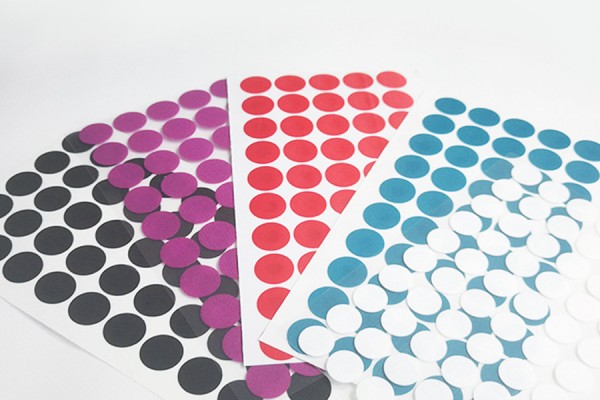
PTFE membranes, particularly those in Teflon varieties, are critical components in numerous industrial applications. Their exceptional chemical resistance and filtration efficiency provide reliable solutions in sectors ranging from pharmaceuticals to air filtration. The microporous structure of these membranes contributes to breathability in protective clothing, while their durability ensures increased longevity in harsh environments. Furthermore, PTFE gaskets leverage these unique properties to facilitate secure sealing and prevent leaks in chemical processes. Given their versatility and effectiveness, the integration of PTFE membranes continues to advance operational performance and safety standards across various industries.
PTFE Membranes: Understanding Their Classification and Benefits
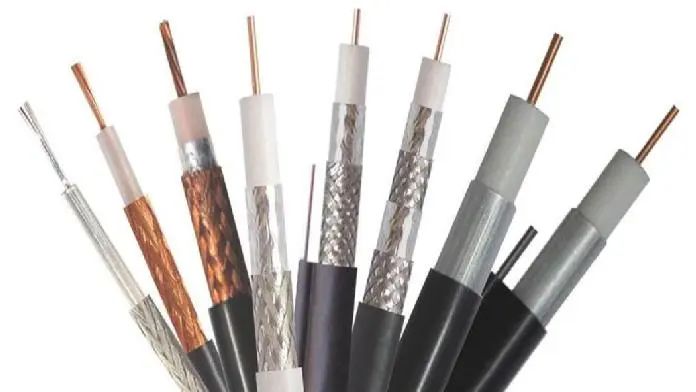
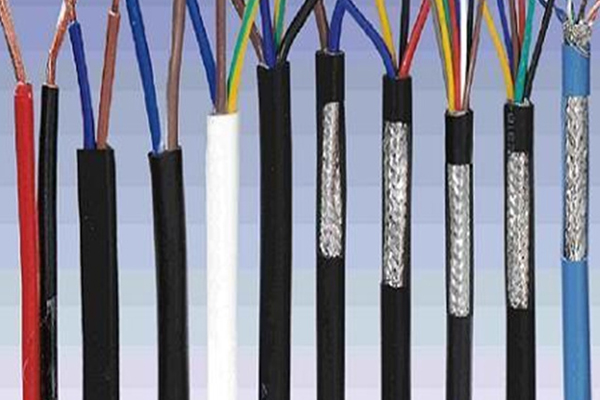
PTFE membranes, particularly known for their impressive performance characteristics, encompass a variety of applications in industrial settings. The unique structure of Teflon membranes allows for effective filtration and superior chemical resistance, which is crucial for sectors like pharmaceuticals and chemicals. Beyond these uses, PTFE materials such as PTFE Thread Seal Tape and PTFE cable wrapping tape offer reliable sealing and insulation solutions. High-speed transmission line PTFE wrapping tape and DAC high-speed cable wrapping film enhance the performance of electrical systems by ensuring durability against wear and environmental factors. Furthermore, the versatility extends to AEC, AOC, and ACC high-speed cable wrapping films that support a range of operational environments while maintaining integrity. These gaskets and films are designed with an optimal balance of porosity, ensuring greater efficiency in filtration applications across diverse industries while supporting safer operations during transportation processes.
Exploring Teflon Membrane Varieties for Industrial Applications
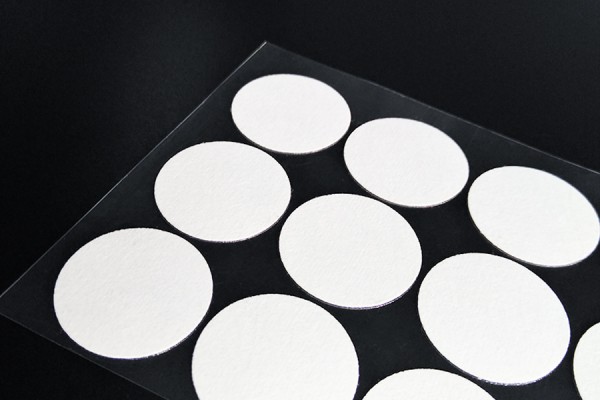
Teflon membranes, composed primarily of polytetrafluoroethylene (PTFE), are known for their remarkable versatility across diverse industrial applications. They come in various forms, each tailored to meet specific operational needs. For instance, clothing membranes provide breathability while ensuring waterproof capabilities, making them ideal for outdoor apparel and protective gear. Air filtration membranes, with their high filtration efficiency reaching up to 99.99%, are essential in sectors such as chemicals and metallurgy, where they manage flue gas emissions effectively. Additionally, Teflon gaskets show formidable resistance to aggressive chemicals, ensuring reliability in pharmaceutical packaging and chemical processes. Notably, the integration of high-performance materials like high speed and high-frequency cable wrapping film further enhances the functionality of these membranes in specialized applications, underscoring the adaptability and efficacy of Teflon technology across industries.
The Role of PTFE Membranes in Protective Clothing and Gear
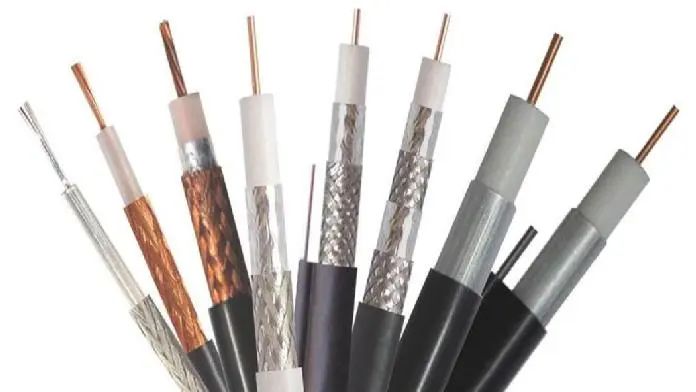
PTFE membranes play a crucial role in the design and functionality of protective clothing and gear. Their microporous structure allows water vapor to escape while preventing liquid water from penetrating, making them ideal for ensuring comfort in various environments. This feature is particularly beneficial in military uniforms and outdoor apparel, where breathability and waterproof performance are paramount. Additionally, PTFE membranes provide thermal insulation, adding an extra layer of protection in cold weather conditions. Options like PTFE cable wrapping tape enhance durability against harsh conditions, ensuring longevity. Moreover, the use of PTFE cable roll coating further contributes to the wear resistance of protective gear. As industries continue to innovate, the integration of AEC high-speed cable wrapping film demonstrates how PTFE materials can improve not just functionality but also safety standards in protective equipment.
"Investing in quality materials like PTFE membranes can significantly enhance the performance and reliability of protective apparel."
Advantages of PTFE Membranes in Air Filtration Solutions
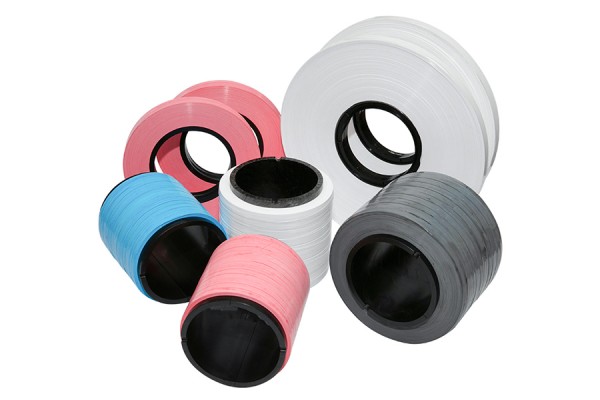
PTFE membranes offer significant advantages in air filtration applications due to their unique properties. Their high chemical resistance ensures durability in harsh environments, while the microporous structure allows for efficient airflow without permitting liquid water to pass through. This ensures clean and breathable air, essential for various industrial processes. With a filtration efficiency of up to 99.99%, PTFE membranes effectively trap particulate matter, including fine dust and pollutants. Additionally, their low operating resistance contributes to energy saving in filtration systems. The longevity of these membranes also reduces the frequency of replacements, making them a cost-effective solution in sectors like chemicals and pharmaceuticals, where air quality is critical for safety and compliance.
Harnessing the Power of Teflon Gaskets in Chemical Industries
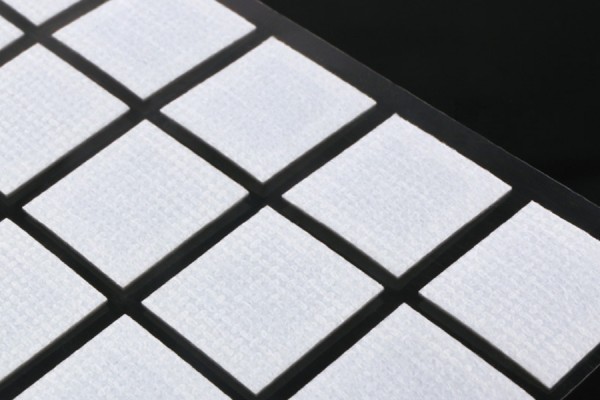
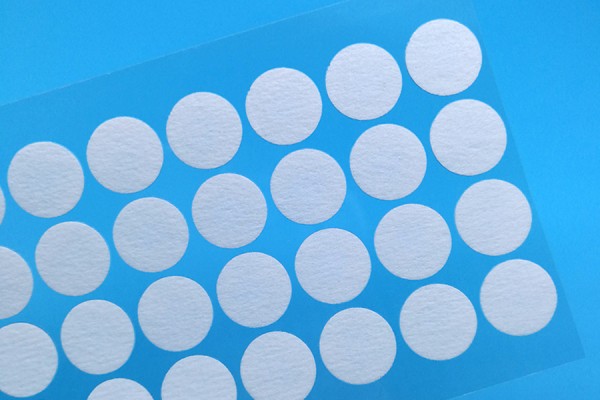
Teflon gaskets, made from expanded polytetrafluoroethylene (e-PTFE), offer exceptional resistance to harsh chemicals, making them indispensable in the chemical industry. Their unique composition provides a robust solution for leak-proof containment in various applications, including pharmaceutical packaging and chemical reaction vessels. Teflon’s non-reactive nature ensures that no unwanted chemical interactions occur during processing, safeguarding product integrity. In addition to their superior chemical resistance, these gaskets effectively withstand temperature fluctuations and pressure variations often encountered in industrial environments. The compatibility with DAC high-speed cable wrapping film further enhances their application flexibility, enabling streamlined operations while maintaining operational safety. Overall, Teflon gaskets play a crucial role in promoting efficiency and reliability within chemical industries.
Innovative Applications of PTFE Membranes in Pharmaceuticals
PTFE membranes exhibit significant advantages in the pharmaceutical industry due to their unique properties. These membranes are highly effective in maintaining sterile environments, crucial for drug production and packaging. They serve as barriers against particulates, bacteria, and moisture, ensuring product integrity and safety. For instance, membranes with controlled pore sizes allow precise filtration while facilitating necessary airflow, which is vital during manufacturing processes. Moreover, their chemical resistance supports the handling of aggressive solvents and active ingredients without degradation. An example is their use in conjunction with AOC high-speed cable wrapping film in automated systems, providing protection and efficiency in high-throughput environments. This versatility makes PTFE membranes indispensable for advancing pharmaceutical applications.
Enhanced Filtration with PTFE: The Science Behind Its Effectiveness
PTFE membranes are highly effective for filtration due to their unique microstructure that allows for precise pore control. This capability enables the membranes to trap particulates such as dust and bacteria, while still permitting air circulation. The filtration efficiency of PTFE membranes can reach up to 99.99%, making them essential in settings requiring high cleanliness standards, such as pharmaceuticals and microelectronics. Additionally, their chemical resistance ensures durability in various industrial environments. For specific applications, products like the PTFE wrapping film and ACC high-speed cable wrapping film utilize these membranes’ properties, enhancing their performance in protective coverings against corrosive substances. By maintaining consistent airflow and filtering effectiveness, PTFE membranes significantly contribute to safer and more efficient operational processes across multiple fields.
Conclusion
The extensive applications of PTFE membranes across various industries underscore their importance in modern manufacturing and safety practices. Their unique properties, such as exceptional chemical resistance and high filtration efficiency, make them suitable for specialized environments like pharmaceuticals, chemicals, and protective clothing. As industries evolve, the demand for advanced materials that can withstand harsh conditions while maintaining performance is increasing. PTFE membranes deliver on these requirements, exemplifying innovation in material science. Their adaptability not only ensures operational efficiency but also fosters advancements in safety and reliability across diverse applications.
FAQs
What are PTFE membranes used for?
PTFE membranes are versatile and used in various industries for applications such as filtration, protective clothing, and gaskets.
How do PTFE membranes enhance air filtration?
PTFE membranes enhance air filtration by trapping particulates with high efficiency, allowing clean air to pass through while maintaining durability in harsh environments.
What makes Teflon gaskets suitable for chemical applications?
Teflon gaskets are highly resistant to aggressive chemicals and temperature fluctuations, ensuring leak-proof containment in industrial processes.
Are PTFE membranes effective in maintaining sterile environments in pharmaceuticals?
Yes, PTFE membranes are effective in pharmaceuticals as they block particulates, bacteria, and moisture, ensuring product safety during manufacturing and packaging.
How does the microporous structure of PTFE membranes improve comfort in protective clothing?
The microporous structure allows moisture vapor to escape while preventing liquid penetration, providing breathability and waterproof features essential in protective gear.