

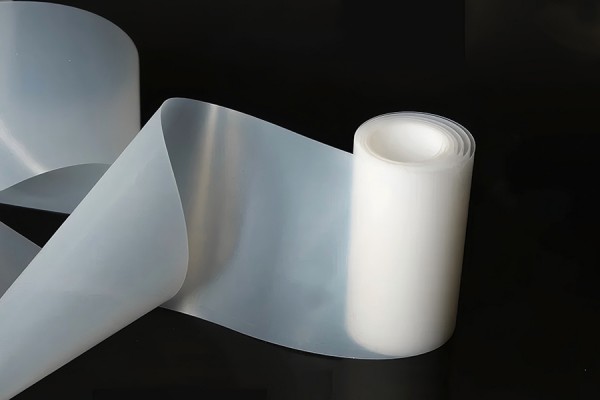
important Takeaways
PTFE membranes emerge as important components across various industrial applications due to their unique properties and significant benefits. Their chemical resistance ensures longevity and reliability, particularly in corrosive environments where other materials may fail. In sealing applications, PTFE’s low friction coefficient reduces wear, extending the lifespan of seals and decreasing maintenance needs. The thermal stability of PTFE membranes further enhances their performance in high-temperature conditions, making them suitable for diverse industrial uses. furthermore, advancements in PTFE technology have led to improvements in membrane strength and flexibility, boosting overall efficiency across multiple sectors. Industries increasingly rely on PTFE membranes not only for reliability but also for the potential to lower operational costs through reduced downtime and maintenance. As the demand for sustainable and efficient solutions rises, PTFE membranes are positioned to play an integral role in future industrial developments, solidifying their importance in modern applications.
The unique properties of PTFE Membranes
PTFE membranes possess several unique properties that make them exceptionally versatile for industrial applications. One of the most noteworthy traits is their remarkable chemical resistance. PTFE effectively withstands corrosive substances, ensuring durability in varied environments where other materials may fail. also, these membranes exhibit excellent thermal stability, allowing them to function efficiently in high-temperature conditions without degrading. Their inherent non-stick characteristics facilitate easy cleaning and maintenance, which is vital in applications that require hygiene and efficiency.
Moreover, PTFE membranes demonstrate superior mechanical strength and flexibility, making them suitable for demanding applications such as high-speed transmission line PTFE wrapping tape and PTFE Thread Seal Tape. Their ability to maintain performance under stress contributes significantly to the reliability of systems that utilize these materials. In comparison to traditional options, the innovation behind DAC high-speed cable wrapping film and AEC high-speed cable wrapping film showcases advancements in this technology, enhancing performance while reducing energy consumption. The combination of these unique properties highlights the integral role of PTFE membranes across various industrial sectors and applications.
Benefits of PTFE in Sealing Applications
PTFE membranes are essential in sealing applications due to their exceptional properties. The material’s low friction coefficient significantly reduces wear and tear on seals, enhancing durability and lifespan. PTFE’s high-temperature tolerance makes it suitable for environments where thermal expansion can lead to seal failure. Its impressive chemical resistance enables it to withstand a broad range of corrosive substances, making it ideal for industries such as pharmaceuticals and chemicals. These membranes effectively prevent leakage and maintain system integrity, which is critical for operational safety. Moreover, the non-stick characteristics of PTFE minimize the adhesion of contaminants, ensuring that seals function optimally over time. As a result, using PTFE membranes can lead to reduced maintenance costs and lower downtime, contributing to overall efficiency in industrial processes.
Chemical resistance of PTFE Membranes
PTFE membranes are renowned for their exceptional chemical resistance, making them ideal for a wide range of industrial applications. These membranes can withstand exposure to aggressive chemicals, acids, and solvents without degrading. This property is important in environments where harsh substances are prevalent, such as in chemical processing plants, pharmaceutical manufacturing, and laboratories. The inert nature of PTFE prevents reactions with most chemicals, ensuring that the membranes maintain their structural integrity and performance over time. furthermore, PTFE membranes exhibit resistance to thermal degradation, allowing them to perform effectively at elevated temperatures typically encountered in industrial settings. This combination of chemical and thermal resistance translates into lower maintenance costs and longer service life for equipment employing these membranes. The versatility of PTFE also enhances its functionality across various sectors, where it is a reliable barrier against corrosive environments. As industries continue to evolve, the demand for materials that can withstand extreme conditions increases, further solidifying the importance of PTFE membranes in modern applications.
Efficiency contributions of PTFE in Industries
PTFE membranes contribute significantly to efficiency across various industries due to their exceptional characteristics. Their low friction coefficient minimizes energy loss during operation, which is especially beneficial in systems with moving parts. also, PTFE’s thermal stability allows processes to maintain optimal temperatures without compromising performance, leading to increased reliability and reduced downtime. The lightweight nature of PTFE membranes further enhances efficiency by lowering transportation costs and energy requirements in handling and installation. In applications such as chemical processing and pharmaceuticals, PTFE reduces the potential for contamination while standing up to harsh environments, which improves overall system integrity and product quality. These characteristics enable industries to streamline operations while increasing productivity levels. Overall, the integration of PTFE into industrial systems not only promotes cost savings but also fosters sustainable practices by enhancing operational efficiency and performance.
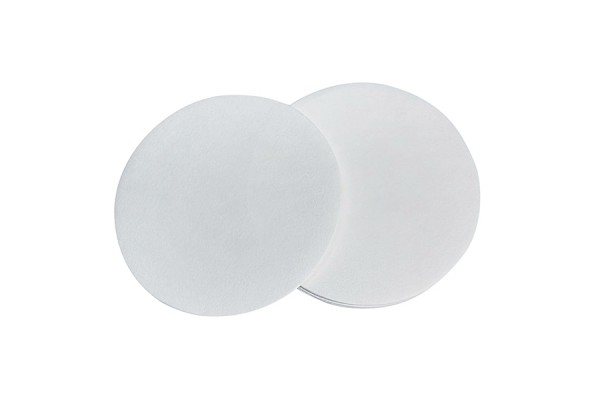
Applications of PTFE Membranes in Fuel Cells
PTFE membranes play a significant role in fuel cell technology, especially in proton exchange membrane (PEM) fuel cells. These membranes offer selective permeability, allowing protons to pass through while blocking gases and other impurities. This unique property is essential for achieving high energy efficiency and effective reaction rates in fuel cells. The thinness of PTFE membranes contributes to their performance, as their structure promotes faster ion transport, which enhances overall system efficiency. Furthermore, the chemical stability of PTFE against various fuels enables prolonged operation without degradation. These membranes are integral for meeting the increasing demand for clean energy solutions in electric vehicles and other applications. As industries seek to optimize performance and reduce costs, the continued development of PTFE membrane technology promises further enhancements that align with advancements in energy production techniques.
Advancements in PTFE Membrane Technology
Recent developments in PTFE membrane technology have focused on enhancing the performance characteristics essential for various industrial applications. Researchers have made significant strides in improving the mechanical properties, including flexibility, durability, and strength. The introduction of advanced manufacturing processes, such as electrospinning and lamination techniques, has allowed for the creation of membranes with enhanced porosity and controlled pore size. These advancements promote selective permeability, making PTFE membranes more efficient for applications requiring specific gas separations. Moreover, innovations in surface treatments have improved adhesion properties and allowed better integration with other materials. The incorporation of nanotechnology into PTFE membranes has also emerged as a notable trend, driving improvements in thermal stability and chemical resistance. This progress ensures that PTFE membranes meet the demanding needs of sectors like aerospace, chemical processing, and clean energy systems. These technological enhancements not only improve existing products but also expand the potential applications for PTFE membranes in future industrial developments.
Comparative analysis of PTFE and Other Materials
PTFE membranes outperform many traditional materials in critical areas, particularly in terms of chemical resistance and thermal stability. Unlike rubber or conventional plastics, PTFE can endure extreme temperatures and harsh chemicals without degrading, making it a superior choice for demanding industrial environments. While other materials might offer good sealing capabilities, they often struggle with corrosive substances, leading to failures and costly maintenance. also, when compared to metals, PTFE membranes are lighter and more versatile in various applications, providing an edge in energy efficiency. Their low friction characteristics further improve performance in dynamic sealing applications. However, the initial costs of PTFE can be higher than some alternatives. Despite this expense, the long-lasting nature of PTFE often results in lower total operational costs over time due to reduced maintenance and replacement needs. This combination of durability and effectiveness makes PTFE a compelling choice across numerous industries that require reliable performance under challenging conditions.
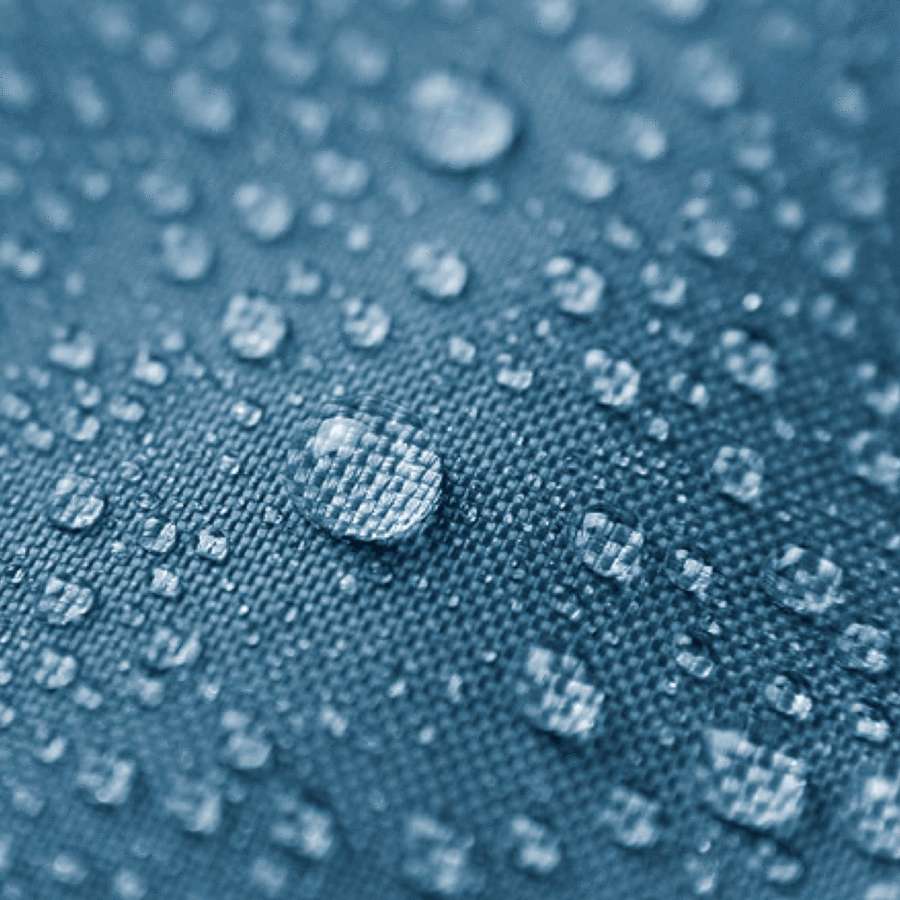
Future trends for PTFE Membranes in Industry
The future of PTFE membranes in industry appears promising, driven by ongoing advances in material science and increasing demands for efficiency and sustainability. Future developments may focus on the enhancement of membrane performance through original manufacturing methods, such as nanotechnology and advanced polymer blends. These methods can lead to the creation of membranes with improved flexibility, higher chemical tolerance, and enhanced durability. furthermore, as industries continue to prioritize environmental concerns, the demand for PTFE membranes that support eco-friendly practices is expected to rise. For example, improvements in recycling processes could lead to more sustainable applications of PTFE materials. Furthermore, the growing interest in fuel cell technology indicates that specialized PTFE membranes will play a important role in energy conversion systems, contributing to cleaner energy solutions. Overall, these trends suggest a dynamic evolution of PTFE membrane applications across various sectors, underscoring their continuing relevance and potential for innovation.
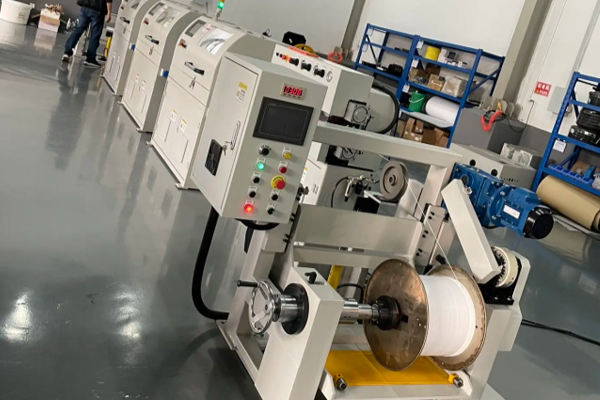
Conclusion
the integration of PTFE membranes into various industrial applications brings significant advantages that boost operational efficiency and longevity. These membranes’ unique properties, such as exceptional chemical resistance and thermal stability, make them indispensable in sectors ranging from pharmaceuticals to chemical processing. As industries adapt to evolving technological demands, the benefits of PTFE membranes become even more pronounced, offering reliable solutions for complex challenges. The ongoing advancements in membrane technology suggest that future applications will continue to expand, encouraging innovation in energy systems and promoting sustainability. Furthermore, a comparative analysis reveals that while PTFE may entail higher initial costs, its long-term savings through reduced maintenance and increased durability present a compelling case for businesses seeking to optimize their processes. As industries prioritize reliability and efficiency, the role of PTFE membranes remains important in meeting these demands while paving the way for future developments.
FAQs
What are PTFE membranes?
PTFE membranes are thin, versatile sheets made from polytetrafluoroethylene, known for their excellent chemical resistance and thermal stability.
What industries use PTFE membranes?
PTFE membranes find applications in various industries, including chemical processing, pharmaceuticals, food production, and energy sectors.
How do PTFE membranes improve energy efficiency?
PTFE membranes improve energy efficiency by reducing friction in mechanical systems and maintaining optimal temperatures during operations, leading to lower energy consumption.
Are PTFE membranes suitable for extreme environments?
Yes, PTFE membranes are highly suitable for extreme environments due to their ability to withstand high temperatures and aggressive chemicals without degrading.
Can PTFE be recycled?
While recycling options for PTFE are limited compared to other materials, advancements in recycling technologies may improve sustainability efforts in the future.


