

important Takeaways
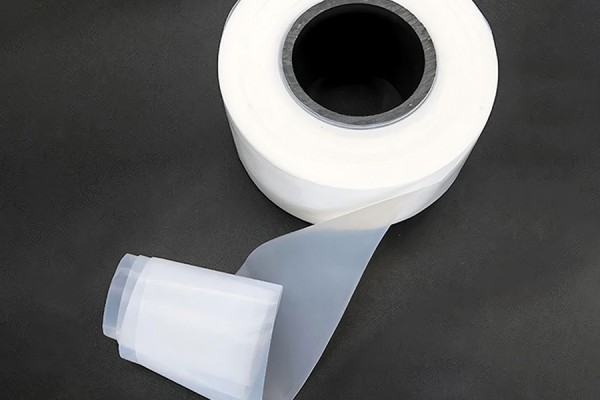
PTFE membranes are increasingly recognized for their critical roles across various technological sectors. Their unique properties, such as chemical resistance and excellent thermal stability, improve system performance in high-demand applications. In AI servers and high-frequency circuits, PTFE membranes significantly reduce signal loss and improve insulation, which is vital for optimal operation in fast-paced data environments. also, the exceptional permeability characteristics of PTFE membranes make them indispensable in fuel cells, where they facilitate efficient energy conversion. The durability of PTFE ensures that systems maintain their integrity even under extreme conditions, further extending their lifecycle and reducing overall maintenance costs. As industries continue to explore new applications of PTFE membranes, their contributions will become increasingly integral to advancements in technology and engineering solutions across multiple fields. The ongoing evolution of material science highlights the significance of PTFE in driving efficiency and performance enhancements in modern applications.
PTFE Membrane Applications in Technology
PTFE membranes play a significant role across various technological applications, showcasing their versatility and efficiency. In the realm of telecommunications, High speed transmission line PTFE wrapping tape is utilized to ensure reliable signal integrity in high-frequency environments. also, PTFE wrapping film is employed to protect sensitive cables, enhancing durability and performance. The use of PTFE Thread Seal Tape in plumbing and industrial applications further highlights its effectiveness in preventing leaks and ensuring secure connections.
In high-speed electronic systems, PTFE cable wrapping tape and PTFE cable roll coating contribute to improved insulation and reduced interference, vital for maintaining optimal performance standards. Specialized products like DAC high-speed cable wrapping film, AEC high-speed cable wrapping film, AOC high-speed cable wrapping film, and ACC high-speed cable wrapping film are tailored for specific applications within data centers and advanced communication systems. These innovations emphasize the impact of PTFE membranes in enhancing operational efficiency while meeting the rigorous demands of modern technologies.
Advancements in AI Servers Using PTFE
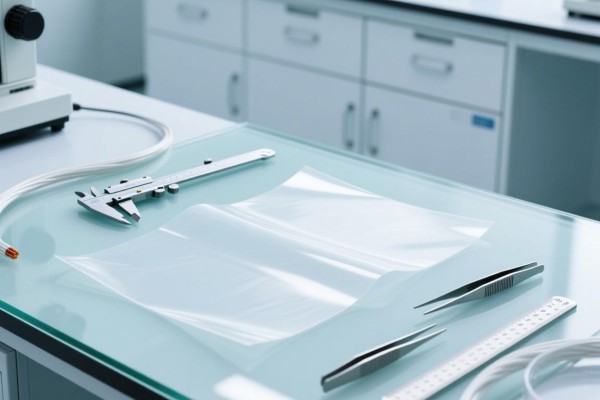
PTFE membranes are increasingly significant in the development of AI servers, primarily due to their unique properties that cater to high-performance demands. These membranes provide enhanced insulation, supporting robust thermal management which is important for maintaining optimal operating conditions. In AI server environments, where efficient signal transmission is vital, PTFE’s low dielectric constant aids in reducing signal loss and interference. This capability is particularly important for high-speed data processing and communication. Furthermore, the enhanced creep resistance of PTFE allows servers to sustain prolonged periods of intensive operation without degradation. As a result, businesses benefit from higher reliability and decreased downtime. The integration of customized PTFE solutions not only enhances performance but also promotes energy efficiency, contributing to overall operational cost reductions in AI technologies. Through advancements in material applications like PTFE membranes, the efficiency and longevity of AI server systems continue to improve significantly.
Role of PTFE in High-Frequency Circuits
Polytetrafluoroethylene (PTFE) plays a vital role in high-frequency circuit applications due to its unique electrical properties. The low dielectric constant of PTFE minimizes signal loss, making it an optimal choice for high-speed telecommunications and AI servers. Customized low-capacitance PTFE films are engineered to meet stringent requirements for high-frequency circuit boards, enhancing performance where precision and reliability are essential. These films exhibit improved creep resistance and dielectric strength, which are main for maintaining signal integrity in rapidly evolving technologies. As demands for faster data transmission increase, the adaptability of PTFE membranes allows engineers to implement new designs effectively across various platforms. The interaction between PTFE’s properties and modern engineering challenges continues to foster advancements that support the ongoing evolution in electronic devices and AI infrastructures. By further exploring its applications, industry professionals can fully leverage PTFE’s potential to push the boundaries of electronic performance.
Efficiency enhancements with PTFE Membranes
PTFE membranes significantly improve efficiency in various applications, particularly in environments that demand high performance and reliability. In fuel cells, for instance, these membranes allow selective permeability for protons while blocking other gases, which is essential for maintaining optimal reaction conditions. As a result, they facilitate faster chemical reactions that support high-density currents. Furthermore, PTFE’s high chemical resistance enhances durability, decreasing the frequency of maintenance and replacements. In the realm of AI servers and high-frequency circuits, the use of customized PTFE films offers better dielectric properties and creep resistance. This leads to reduced energy loss during signal transmission, contributing to overall system efficiency. The ability to withstand harsh conditions without compromising performance ensures that PTFE membranes play a vital role in advancing modern technology across multiple sectors.

PTFE Applications in Fuel Cells
PTFE membranes have become essential components in proton exchange membrane (PEM) fuel cells, where they provide selective permeability for protons while blocking gases and particulates. This functionality is important for the membrane electrode assemblies (MEAs) in fuel cells, allowing efficient conversion of chemical energy into electrical energy. Specific performance characteristics of e-PTFE membranes include a thickness of 0.02mm, air permeability of at least 1200 cm/cm/min under moderate pressure, and high water pressure resistance exceeding 3000 mmH2O. The porosity of around 70% not only supports effective gas diffusion but also promotes faster reactions. This leads to significant improvements in efficiency by reducing energy loss and lowering operational costs. The reduced size and weight requirements further boost the overall design of fuel cell systems, making them more viable for various applications, including transport and portable power solutions. In addition, as the demand for clean energy solutions increases, PTFE membranes are positioned as vital materials that contribute to advancements in sustainable technology through their role in enhancing fuel cell performance.
Impact of PTFE on Modern Engineering
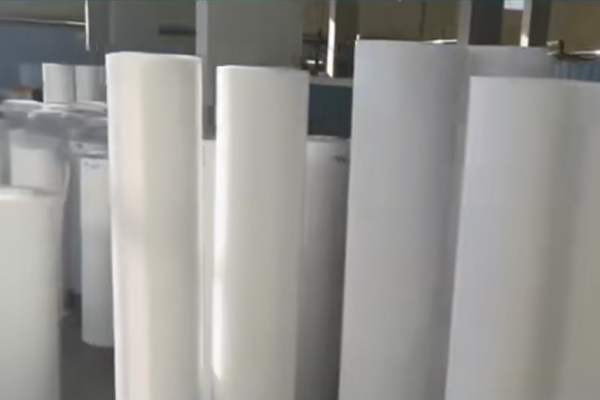
PTFE membranes have considerably influenced modern engineering by offering superior performance in various applications. Their remarkable chemical resistance contributes to safer and more reliable structures in numerous fields. In the aerospace sector, PTFE membranes ensure long-lasting durability and dependability in extreme conditions, while in the automotive industry, they are employed to optimize fuel efficiency through effective sealing solutions. The use of PTFE in manufacturing high-frequency circuits allows for enhanced signal integrity and reduced energy loss, which is essential for cutting-edge communications technology. also, the adaptability of PTFE membranes facilitates innovations in energy systems like fuel cells, where their selective permeability improves efficiency and overall sustainability. Overall, integration of PTFE technologies into engineering processes is not merely beneficial; it’s important for advancing the capabilities and resilience of modern systems across various industries.
Significance of PTFE in new Materials
Polytetrafluoroethylene (PTFE) stands out as an new material essential in various modern technological applications. Its unique properties, including exceptional chemical resistance and non-stick characteristics, make it particularly useful in industries where reliability and safety are paramount. For instance, PTFE membranes are important in high-frequency circuits and AI server technologies, where they contribute significantly to performance optimization. The lightweight nature of PTFE, combined with its mechanical stability, allows for miniaturization of components without sacrificing efficiency. Furthermore, its role in fuel cells illustrates the material’s versatility; it enables the selective permeability necessary for optimal energy conversion. As the demand for efficient, sustainable technologies grows, PTFE’s ability to adapt and meet these needs underscores its importance as a foundational material in new engineering solutions. By integrating PTFE into new designs and applications, engineers can push the boundaries of what’s possible across multiple sectors.
Exploring the Benefits of PTFE Membranes
PTFE membranes offer a range of distinct advantages across various industries, primarily attributed to their unique chemical and physical properties. These membranes exhibit exceptional resistance to a wide variety of chemicals, ensuring reliability in harsh environments. Their low-friction characteristics significantly reduce wear and tear, which extends the lifespan of equipment. The lightweight nature of PTFE membranes also contributes to efficient designs, where reduced weight can lead to lower energy consumption in applications like aerospace and automotive technologies. also, the high thermal stability of PTFE allows for use in high-temperature applications without deterioration. This makes them an essential component in critical systems such as fuel cells, where precise performance is necessary. Moreover, their ability to maintain structural integrity under extreme conditions makes PTFE membranes ideal for supporting high-frequency circuits and AI server technologies. Overall, these qualities make PTFE membranes a useful asset in advancing modern engineering solutions and innovations.
Conclusion
PTFE membranes are integral to the advancement of modern technology due to their unique properties and versatile applications. Their role in AI servers, high-frequency circuits, and fuel cells illustrates how they boost performance while supporting efficiency in demanding environments. The low dielectric constant of PTFE not only minimizes signal loss but also ensures improved thermal management, vital for systems reliant on rapid data processing. As industries prioritize energy efficiency and sustainable practices, the selective permeation capabilities of PTFE membranes in fuel cells stand out, contributing significantly to clean energy initiatives. Moreover, PTFE’s durability under extreme conditions means that it can withstand the rigors of various applications without compromising integrity. This versatility positions PTFE as a main material in the ongoing evolution of original engineering solutions across multiple sectors. The impact of PTFE membranes is profound, paving the way for further advancements that will shape future technologies.
FAQs
What are PTFE membranes used for?
PTFE membranes are utilized in various applications, including telecommunications, AI servers, high-frequency circuits, and fuel cells due to their unique properties.
How do PTFE membranes improve performance in AI servers?
PTFE membranes boost insulation and thermal management in AI servers, helping to maintain optimal operating conditions and reduce signal loss.
What benefits do PTFE membranes provide in high-frequency circuits?
In high-frequency circuits, PTFE membranes minimize signal loss with their low dielectric constant, ensuring reliable performance in advanced communication technologies.
Why are PTFE membranes important for fuel cells?
PTFE membranes offer selective permeability for protons while blocking other gases, which is important for efficient chemical reactions within fuel cells.
How do the properties of PTFE affect its durability?
PTFE’s chemical resistance and high thermal stability contribute to its durability, allowing it to withstand harsh conditions without degrading over time.
Can PTFE membranes help with energy efficiency?
Yes, the use of PTFE in various technologies enhances energy efficiency by reducing energy loss during transmission and optimizing reaction conditions in fuel cells.
What makes PTFE a preferred material for modern engineering applications?
PTFE’s unique properties such as non-stick characteristics, lightweight nature, and chemical resistance make it an ideal choice for diverse modern engineering needs.
Are there specific industries that benefit most from using PTFE membranes?
Industries such as aerospace, automotive, telecommunications, and renewable energy significantly benefit from incorporating PTFE membranes into their systems.


