

important Takeaways
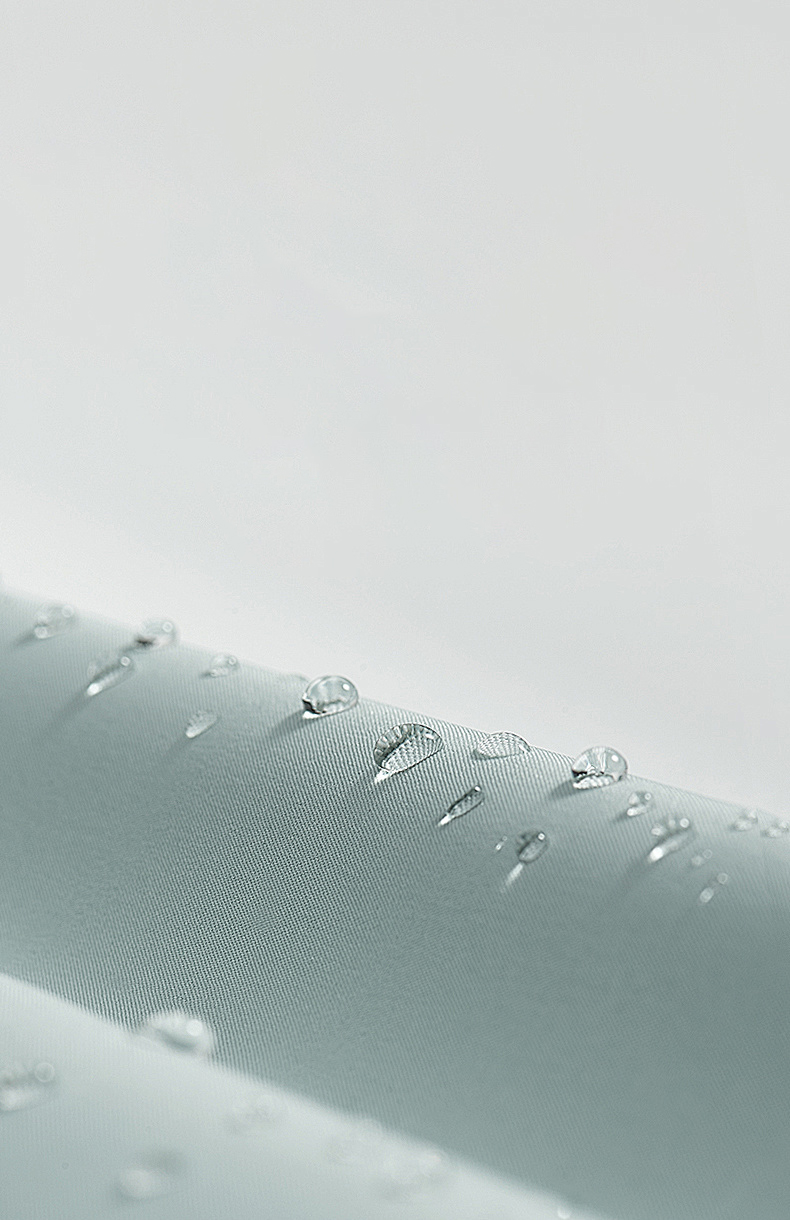
PTFE film stands out for its unique combination of non-stick, chemical resistance, and dielectric properties, making it a versatile material across multiple industries. Its insulation capabilities provide reliable protection for sensitive electronics, while its heat and chemical resistance suit demanding environments like aerospace and food processing. This film supports both safety and performance by reducing contamination risks and improving durability. Continued innovation in PTFE film formulations and production techniques aims to meet evolving industrial needs, ensuring better performance under complex conditions. Investing in PTFE film materials can yield practical benefits such as enhanced product lifespan and operational efficiency, though selecting the right grade requires a clear understanding of specific application demands. Overall, PTFE film contributes to stronger, safer outcomes in technology-driven settings while maintaining flexibility for diverse uses.
Advantages of PTFE Film in Insulation
PTFE film is highly regarded for its exceptional insulation properties, making it an ideal choice across various industries. Its inherent chemical resistance means it can withstand harsh environments without degrading, thus ensuring lasting performance. The low friction coefficient of PTFE film reduces wear and tear, making it an excellent option for applications requiring durable protective barriers. Furthermore, the dielectric properties of PTFE film provide effective electrical insulation, main for high speed transmission line PTFE wrapping tape and related applications. This film also maintains its integrity over a broad temperature range, performing effectively in extreme conditions from -200°C to +260°C. furthermore, when utilized in configurations such as PTFE wrapping film or PTFE Thread Seal Tape, it offers enhanced sealing capabilities that contribute to energy efficiency. Many manufacturers utilize variations like DAC high-speed cable wrapping film and AEC high-speed cable wrapping film to cater to specific operational needs within aerospace and electronics sectors. The versatility of PTFE cable wrapping tape supports its implementation in demanding applications while ensuring safety and reliability across projects.
important Applications of PTFE Film
PTFE film is widely utilized across various sectors due to its unique properties. In aerospace, it acts as an insulator for critical wiring, ensuring that electronic components function effectively in extreme conditions. The non-stick surface of PTFE film reduces friction between moving parts, contributing to improved performance and longer equipment lifespans. In the food processing industry, PTFE films are essential for food safety and cleanliness, as they prevent contamination and facilitate easy cleaning while withstanding high temperatures during cooking or processing. furthermore, in electronics, PTFE film is utilized for insulation in high-frequency applications, proving essential for reliable signal transmission in devices like 5G communication systems. The versatility of PTFE film makes it a preferred choice in gaskets and seals across industrial applications, where chemical resistance and durability are paramount. Overall, its wide-ranging applications point out the importance of PTFE film as a critical material in enhancing the reliability and safety standards of various industries.
Exploring PTFE Film Properties
PTFE film is distinguished by several properties that make it ideal for various insulation and protection applications. Its chemical resistance ensures durability against aggressive substances, preventing degradation over time. The low friction coefficient of PTFE film facilitates smooth operations in moving parts, reducing wear and extending the lifetime of components. Furthermore, PTFE exhibits excellent thermal stability, maintaining performance across a wide temperature range—from ultra-cold environments at -200°C to high heat conditions exceeding 260°C. Such versatility allows it to be an effective choice in both extreme conditions and regular operational settings. furthermore, the non-stick qualities of PTFE prevent buildup of contaminants, promoting cleanliness in applications within food processing and other sensitive industries. Its dielectric strength supports effective electrical insulation, important for electronic devices and systems requiring reliable performance under various conditions. Overall, these properties contribute to the broad applicability of PTFE film across industries like aerospace, electronics, and food processing.
PTFE Film in Aerospace Industry
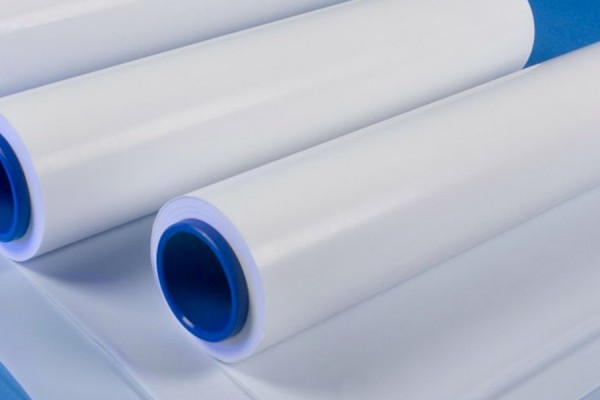
PTFE film plays a vital role in the aerospace sector, where performance and reliability are non-negotiable. Its remarkable chemical resistance ensures components remain functional in the face of harsh exposures, such as fuel and hydraulic fluids. PTFE’s low friction properties reduce wear on moving parts, which is main for enhancing the longevity of critical aerospace systems. The film’s dielectric strength makes it an excellent insulator for cables and connectors used in avionics and control surfaces, mitigating risks associated with electrical failures. Applications extend to seals and gaskets that require a non-reactive material to prevent leakage while maintaining strength under extreme temperature fluctuations. also, PTFE film performs well in environments where weight is a concern, thanks to its lightweight nature while offering superb protection against abrasion and corrosion. This combination of features positions PTFE film as an indispensable material for ensuring operational safety and efficiency in aerospace applications.
PTFE Film for Food Processing Safety
PTFE film is increasingly recognized for its essential role in food processing safety. Its non-stick surface minimizes food adhesion, which facilitates easier cleaning and reduces contamination risks. The film’s chemical resistance ensures it can withstand exposure to various acids, bases, and solvents commonly used in food preparation and equipment cleaning. This property is particularly important in maintaining hygiene standards and preventing chemical interactions that could compromise food safety. Moreover, PTFE film provides excellent thermal stability, enabling it to perform effectively in high-temperature cooking processes without degrading. As a result, many food processing facilities are adopting PTFE film for linings and coatings on equipment, enhancing durability while promoting safer food handling practices. Its ability to resist warping and corrosion further extends the lifespan of processing equipment, ultimately contributing to more efficient operations in the food industry.
Enhancing electronics with PTFE Film
PTFE film plays a important role in modern electronics by providing reliable insulation and protection for sensitive components. Its non-stick attributes prevent contaminants and debris from clinging to surfaces, which is essential for maintaining optimal performance in devices. The dielectric strength of PTFE film ensures effective insulation, minimizing the risk of electrical interference and shorts, particularly in high-frequency applications. This characteristic is especially important in the design of circuit boards and other electronic devices that must operate under demanding conditions. Furthermore, PTFE’s thermal stability allows it to perform effectively at extreme temperatures, ensuring that electronic systems remain functional even in harsh environments. With manufacturers increasingly adopting PTFE film, innovations are being driven to create lighter, more efficient materials tailored for evolving electronic needs, ultimately enhancing device longevity and reliability across various markets.
Investments in PTFE Film Innovations
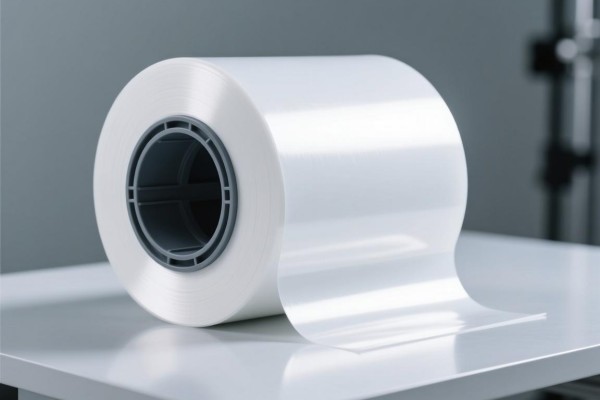
Manufacturers are increasingly focused on advancing PTFE film technology through extensive research and development. This commitment results in tailored solutions that meet the evolving demands of various industries. By enhancing the material’s properties, such as improving its thermal stability and chemical resistance, companies aim to broaden the applicability of PTFE films. also, collaborations with research institutions and partnerships within the supply chain foster new approaches to product design and functionality. Investment in advanced manufacturing processes also plays a significant role, allowing for more precise control over film thickness and surface characteristics. This innovation not only boosts performance metrics but also meets stringent regulatory standards, especially in critical sectors like aerospace and food safety. Overall, these investments ensure that PTFE film products continue to provide reliability and efficiency under challenging conditions.
Customer support for PTFE Product Users
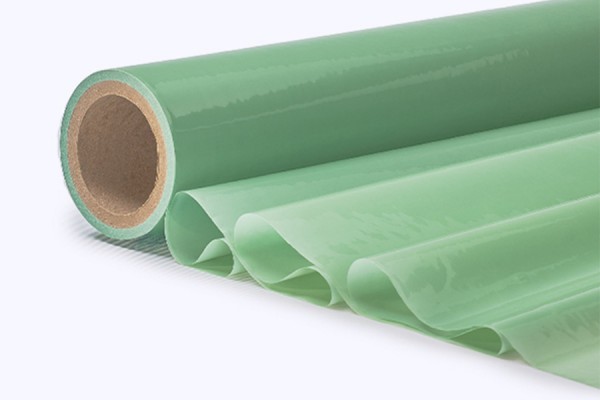
Effective customer support is vital for users of PTFE products, ensuring they receive the guidance needed for optimal performance. Manufacturers typically provide full technical assistance, addressing inquiries about product specifications and installation processes. These services include detailed documentation, user manuals, and direct access to technical experts who can offer personalized advice. Users may also benefit from after-sales support, which encompasses maintenance recommendations and troubleshooting services to resolve issues quickly. furthermore, many companies emphasize the importance of building relationships with their customers through training sessions and workshops that focus on the latest innovations in PTFE technology. Such initiatives not only boost users’ understanding of product applications but also promote confidence in utilizing these materials effectively across various industries. By prioritizing customer engagement and support, manufacturers solidify their commitment to user satisfaction and product reliability in demanding environments.
Conclusion
the use of PTFE film across diverse industries highlights its importance as a reliable solution for insulation and protection. Its non-stick and dielectric properties make it particularly useful in aerospace, electronics, and food processing, where safety and efficiency are paramount. As industries evolve and seek more effective materials, PTFE film not only meets current demands but also paves the way for future advancements. The ongoing investments in PTFE film innovations signal a commitment to improving product performance while addressing unique industry challenges. Moreover, companies that utilize PTFE film benefit from access to dedicated customer support, encouraging a better understanding of the material’s applications and best practices. Ultimately, PTFE film stands out as an essential material that enhances operational reliability across various sectors.
FAQs
What is PTFE film?
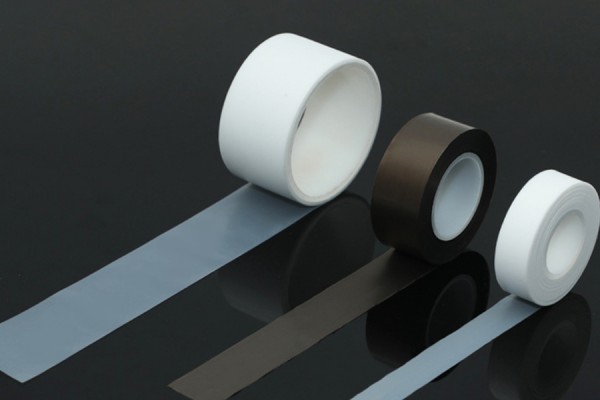
PTFE film is a thin layer of polytetrafluoroethylene, known for its non-stick and dielectric properties, making it suitable for various applications in insulation and protection.
What are the advantages of using PTFE film in insulation?
PTFE film provides excellent thermal resistance, chemical stability, and non-stick characteristics, which boost the performance and longevity of insulation materials.
In which industries is PTFE film commonly utilized?
PTFE film is widely used in the aerospace, electronics, and food processing industries due to its reliability and outstanding protective qualities.
Is PTFE film safe for food processing applications?
Yes, PTFE film is FDA-approved for food contact and does not leach harmful substances, ensuring safety in food processing environments.
How does PTFE film improve electronics performance?
PTFE film’s dielectric properties help in minimizing energy loss and ensure durability under high-temperature conditions, enhancing overall electronic device performance.


