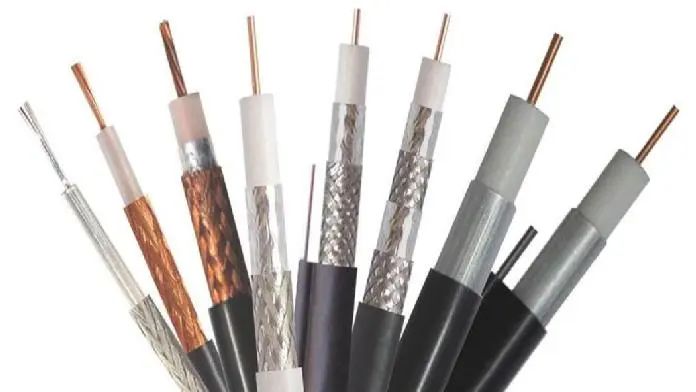
Teflon film is characterized by its impressive versatility and durability, making it a crucial material across a range of industries. Its exceptional chemical resistance protects it from degradation, especially in demanding environments like aerospace and manufacturing. Additionally, the mechanical toughness of Teflon film ensures longevity during high-stress applications. Industries such as electronics and automotive benefit significantly from its non-stick properties and thermal stability, which enhance performance in components like seals and insulation materials. To maximize the advantages of Teflon film in specific applications, careful consideration of thickness and application methods is essential, ensuring optimal functionality tailored to industry needs.
Versatile Applications of Teflon Film in Various Industries
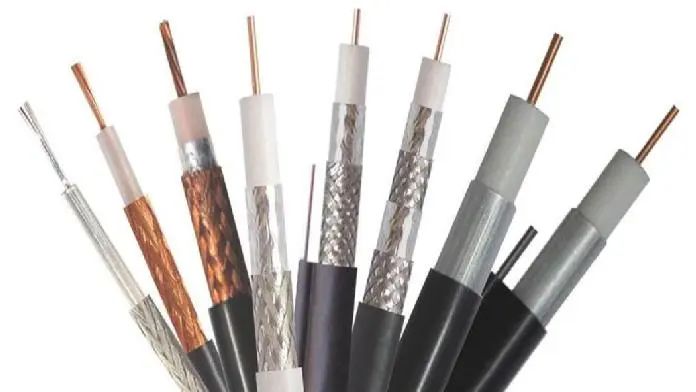
Teflon film demonstrates its versatility across various industries, primarily due to its unique properties such as chemical resistance and mechanical toughness. In electrical applications, products like high speed transmission line PTFE wrapping tape and PTFE cable wrapping tape utilize these features to ensure reliable performance. Furthermore, PTFE wrapping film is widely used in plumbing as it provides effective sealing with PTFE Thread Seal Tape, preventing leaks and enhancing system durability. In the manufacturing sector, DAC high-speed cable wrapping film and AEC high-speed cable wrapping film are employed to maintain insulation integrity while enabling high-speed data transmission. Additionally, industries relying on composite materials benefit from using ACC high-speed cable wrapping film for added strength and flexibility in their applications. When choosing Teflon films or tapes for specific needs, it is essential to consider factors such as thickness and application methods to maximize performance benefits.
"Choosing the right film or tape can greatly enhance the effectiveness of your application while ensuring longevity."
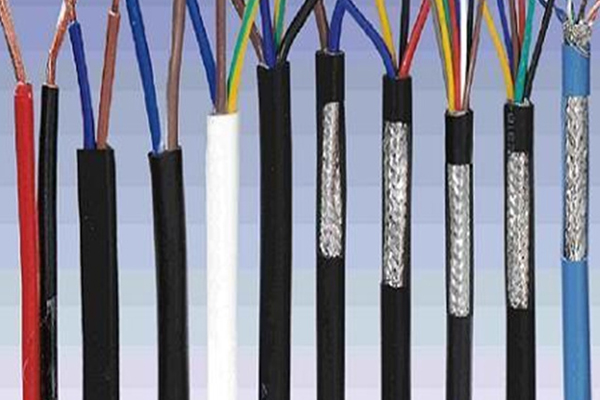
Key Properties of Teflon Film: Understanding Its Unique Benefits
Teflon film, known for its remarkable properties, provides numerous advantages across various applications. Its unique chemical compatibility makes it resistant to a wide range of substances, safeguarding it against corrosive materials and extreme environments. This allows Teflon film to excel in industries such as aerospace and chemical processing. Additionally, its mechanical toughness contributes to longevity and durability, which is crucial for maintaining performance in demanding settings.
Moreover, the versatility of Teflon film extends to applications like heat sealing and thermoforming, where precise temperature control is essential. It effectively withstands high temperatures without deformation, ensuring the integrity of the final products. With the inclusion of PTFE cable wrapping tape in the manufacturing process, Teflon film offers enhanced electrical insulation properties while providing protective functionality.
The combination of these key properties not only elevates the performance of Teflon film but also broadens its usability across multiple sectors. This adaptability is vital for businesses looking for reliable materials that can meet various industrial demands efficiently.
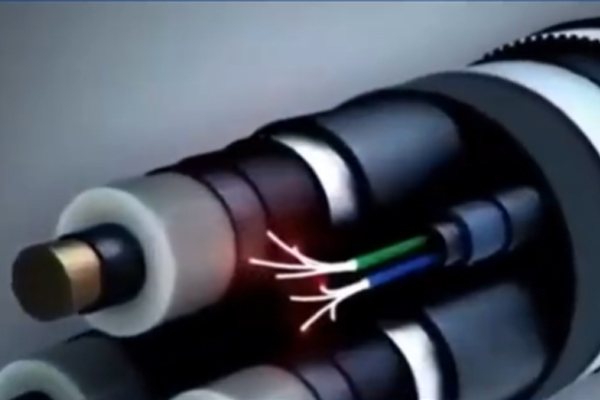
Teflon Film: Enhancing Performance with Chemical Compatibility
Teflon film is a crucial material that offers exceptional chemical compatibility, making it ideal for various industrial applications. This feature is particularly beneficial when using high-speed transmission line PTFE wrapping tape, which requires materials that resist degradation from chemicals. PTFE wrapping film also showcases this compatibility, enabling its use in environments where exposure to harsh substances is common. Additionally, products like PTFE Thread Seal Tape benefit from Teflon’s protective qualities, ensuring reliable seals in plumbing and mechanical settings. In the cable industry, Teflon’s toughness enhances PTFE cable roll coating and DAC high-speed cable wrapping film performance. This dynamic resilience translates to durability under high-speed and high-frequency conditions, further showcasing the versatility of Teflon film across diverse applications.
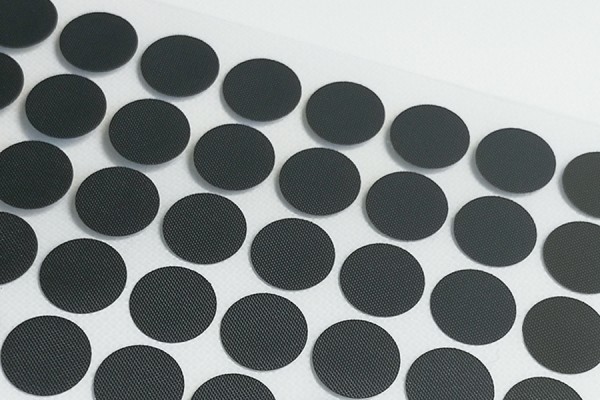
Exploring the Toughness of Teflon Film in Diverse Settings
Teflon film is renowned for its exceptional toughness, making it a preferred choice across various industries. Its ability to withstand harsh environmental conditions, such as extreme temperatures and aggressive chemicals, allows it to perform reliably in applications ranging from aerospace to manufacturing. The film’s mechanical strength ensures durability while maintaining flexibility, which is crucial in dynamic environments. In the automotive sector, for instance, Teflon film is utilized in seals and gaskets that require both strength and resilience against wear. Similarly, its toughness enhances performance in electrical insulation applications, where it provides reliable protection against fraying and degradation. Whether in high-stress scenarios or standard use cases, the inherent toughness of Teflon film plays a vital role in optimizing operational efficiency across diverse sectors.
The Advantages of Using Teflon Film in Heat Sealing and Thermoforming
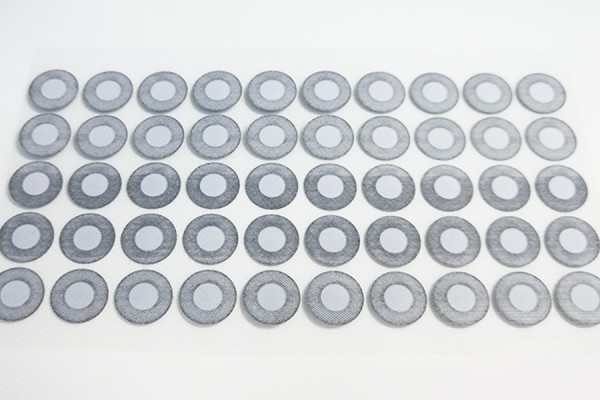
Teflon film offers significant advantages in heat sealing and thermoforming, primarily due to its exceptional chemical resistance and thermal stability. This material withstands high temperatures without degrading, making it an ideal choice for applications where heat is a critical factor. Its non-stick properties also play a vital role, preventing adhesion during the sealing process and ensuring smooth operation. Moreover, Teflon film can be utilized effectively with AEC high-speed cable wrapping film, enhancing performance in packaging and insulation tasks. The mechanical toughness of Teflon film ensures durability under stress, leading to longer-lasting components in various industrial applications. These characteristics combined make Teflon film a preferred option for many manufacturers aiming to improve product quality and efficiency in heat sealing and thermoforming processes.
Teflon Film: A Crucial Material for Composite Fabrics and More
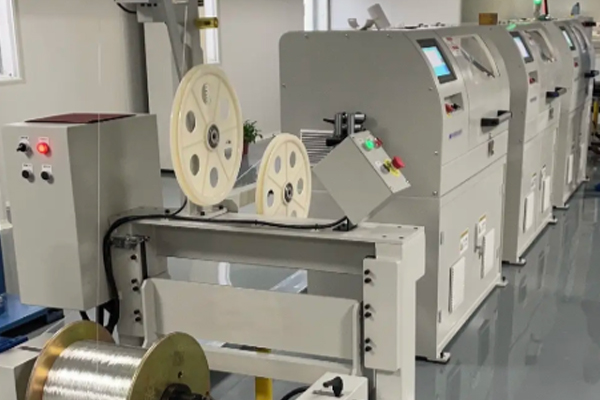
Teflon film serves as a vital component in the production of composite fabrics, bringing numerous advantages to various manufacturing processes. Its remarkable chemical resistance allows it to function effectively in challenging environments where exposure to harsh substances is common. Additionally, the film’s lightweight yet durable nature contributes to the overall efficiency and longevity of composite products. In applications such as aerospace, automotive, and construction, Teflon film enhances the mechanical properties of composites by providing a protective barrier against wear and corrosion. Moreover, its versatility extends beyond composites; it is also leveraged in several other sectors, making it an invaluable material for a wide range of industrial applications. Its ability to maintain performance under extreme conditions underscores the importance of Teflon film in modern manufacturing processes.
Innovative Uses of Teflon Film Across Different Sectors
Teflon film has found its way into numerous industries due to its distinct properties. In the electronics sector, it serves as a reliable insulation material, effectively protecting components from heat and moisture. The film’s chemical compatibility makes it ideal for use in the chemical processing industry, where it prevents corrosion and extends the lifespan of equipment. In the automotive sector, Teflon film is utilized in gasketing and sealing applications, thus enhancing durability. Additionally, its toughness is fundamental in manufacturing processes like heat sealing and thermoforming. There is also an increasing trend of employing Teflon in packaging applications, where products such as ACC high-speed cable wrapping film demonstrate its effectiveness in maintaining integrity under demanding conditions. Overall, the versatility of Teflon film bridges various sectors while contributing to improved performance across applications.
Understanding the Manufacturing Process of High-Quality Teflon Film
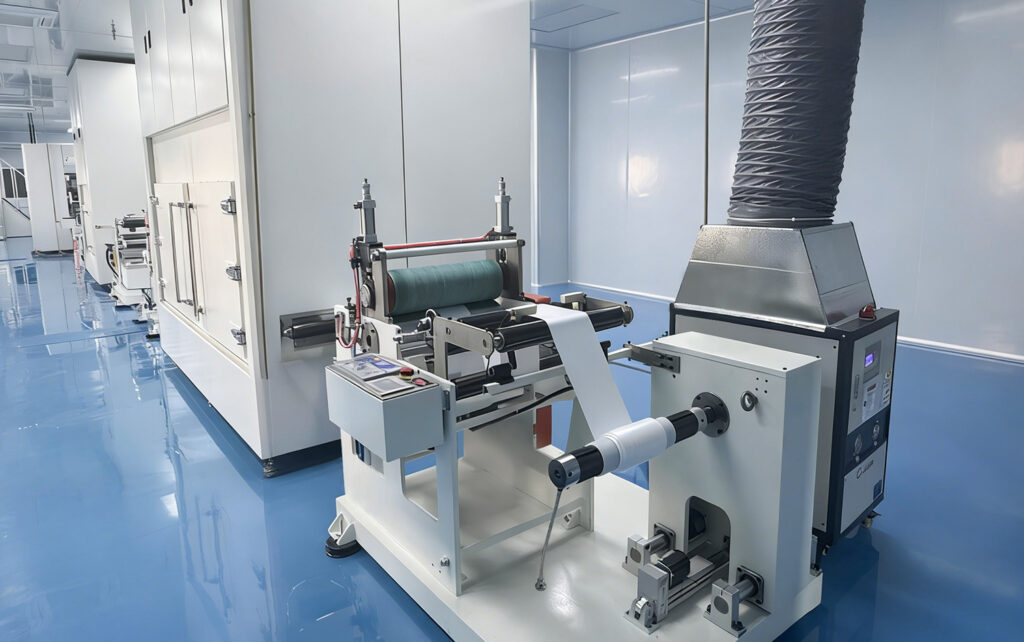
The production of high-quality Teflon film involves several critical steps, beginning with the selection of raw materials, primarily Teflon resin. This resin is heated and processed through methods such as extrusion or casting to form the film. During this stage, controlling temperature and pressure is crucial to ensure uniform thickness and optimal properties. The film is then cooled and may undergo additional treatments to enhance characteristics like surface finish or adhesion. Quality checks are integral throughout the manufacturing process, measuring factors such as tensile strength and chemical resistance. This thorough approach ensures that the final product meets stringent industry standards while maintaining the unique benefits associated with Teflon film.
Conclusion
Teflon film stands out as a significant material across various industries due to its unique properties and versatility. Its chemical compatibility and mechanical toughness enable it to perform reliably in demanding environments, whether in electrical applications, manufacturing, or construction. The film’s ability to withstand extreme temperatures and resist corrosion enhances its functionality in heat sealing and composite fabric production. As industries continue to seek materials that meet rigorous standards for performance and durability, Teflon film is increasingly recognized for its role in optimizing operational efficiency. The continuous evolution of applications will likely further highlight the importance of Teflon film in modern manufacturing practices.
FAQs
What is Teflon film made of?
Teflon film is primarily made from polytetrafluoroethylene (PTFE) resin, which is processed through methods like extrusion or casting.
What are the main benefits of using Teflon film?
The main benefits include excellent chemical resistance, high thermal stability, and mechanical toughness, allowing it to perform reliably in various industrial applications.
Can Teflon film be used in high-temperature environments?
Yes, Teflon film can withstand high temperatures without degrading, making it suitable for applications involving heat sealing and thermoforming.
How does Teflon film enhance the performance of composite materials?
Teflon film provides a protective barrier against wear and corrosion while adding strength and flexibility to composite structures used in industries like aerospace and automotive.
Is Teflon film suitable for electrical insulation applications?
Absolutely, its properties make it an effective insulation material that protects electrical components from heat and moisture while enhancing overall durability.
What industries utilize Teflon film?
Teflon film is used across various sectors including aerospace, automotive, electronics, manufacturing, and chemical processing due to its versatile properties.