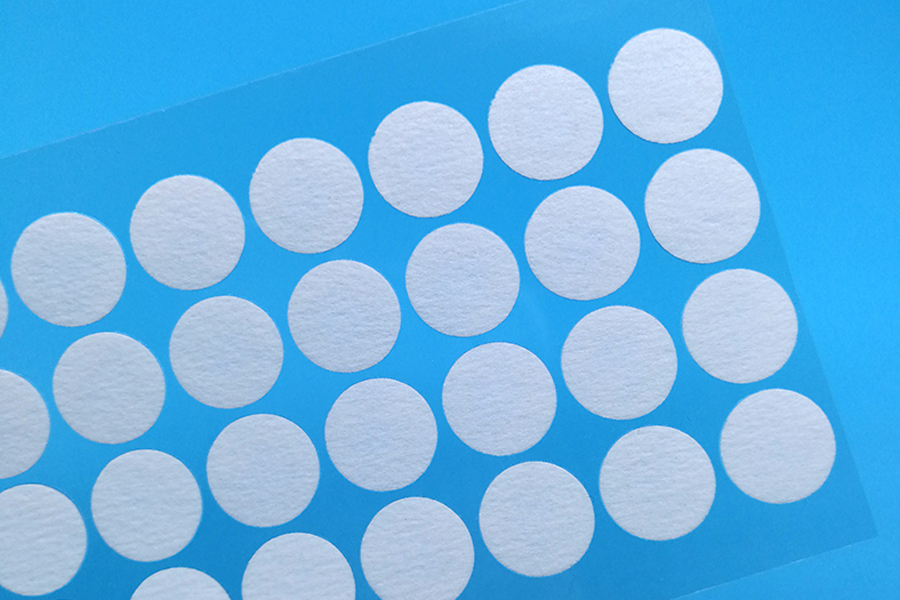
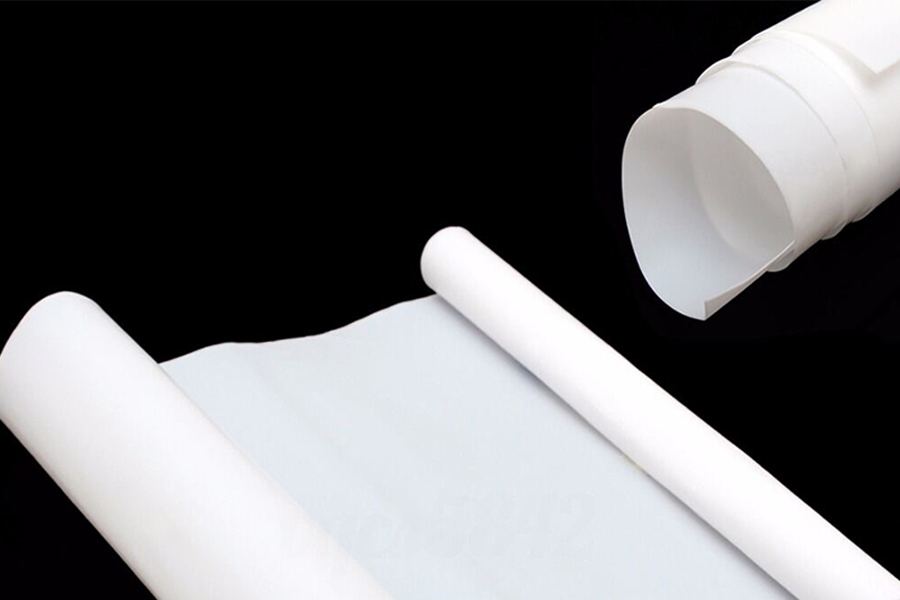
PTFE film stands out in numerous industrial applications due to its unique properties and versatility. Its exceptional dielectric characteristics are key for enhancing electrical insulation, thereby reducing energy loss in various electronic systems. As industries increasingly prioritize durability and performance, PTFE film’s chemical resistance and thermal stability make it invaluable in environments prone to harsh conditions, like aerospace and automotive sectors. Moreover, its non-stick surface aids in manufacturing processes by providing reliable release properties, which are essential for producing intricate components. The ongoing innovations leveraging PTFE film promise to further expand its use, making it a vital material for future technological advancements across multiple industries.
Versatile Applications of PTFE Film in Modern Industry
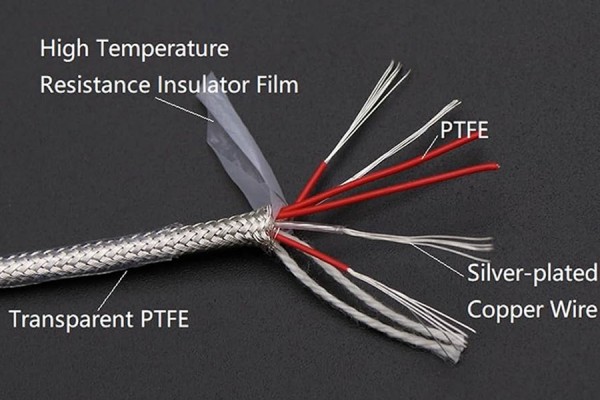
PTFE film is increasingly recognized for its diverse applications across various industrial sectors. Its exceptional dielectric properties make it a prime choice for electrical insulation, ensuring reliability in high-speed transmission line applications. Products like high speed and high-frequency cable wrapping film, specifically designed to enhance signal integrity, underscore PTFE’s performance advantages. Additionally, PTFE wrapping film and PTFE cable wrapping tape serve critical roles in protecting sensitive components from environmental factors. In the realm of manufacturing, innovations such as DAC high-speed cable wrapping film and AEC high-speed cable wrapping film demonstrate the material’s adaptability to evolving technological needs. Furthermore, PTFE Thread Seal Tape and PTFE cable roll coating are vital for ensuring secure connections in piping and cabling systems. The versatility of PTFE film continues to drive advancements in numerous industries by combining durability with functional efficiency.
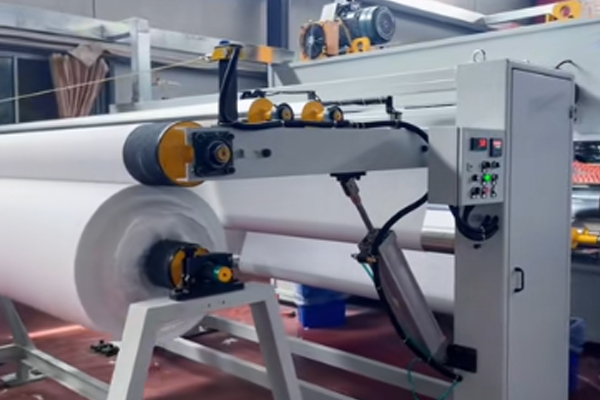
Exceptional Dielectric Properties of PTFE Film for Electrical Insulation
PTFE film is highly regarded for its exceptional dielectric properties, making it an ideal choice for electrical insulation applications. This fluoropolymer boasts a low dielectric constant and dissipation factor, significantly reducing energy loss in electrical systems. Its ability to withstand high temperatures and resist moisture further enhances its performance in critical electronic components. Various types of PTFE products, including PTFE thread seal tape and PTFE cable wrapping tape, leverage these properties to ensure reliable insulation in high-stakes environments. Moreover, AOC high-speed cable wrapping film utilizes PTFE film to provide an additional layer of protection and performance enhancement in electrical wiring. These attributes collectively position PTFE film as a crucial material for the integrity and longevity of electrical systems across multiple industries.
Innovative Technologies Leveraging PTFE Film as a Release Sheet
PTFE film is increasingly recognized for its utility as a reliable release sheet in various innovative technologies. Its low friction surface facilitates easy separation during manufacturing processes, which is essential in industries like aerospace and electronics. For example, high speed transmission line PTFE wrapping tape is specifically designed for high-performance applications, offering significant insulation benefits. Furthermore, AEC high-speed cable wrapping film and ACC high-speed cable wrapping film leverage the exceptional dielectric properties of PTFE to enhance operational efficiency. These materials not only ensure reliable insulation but also reduce the chances of equipment failure due to thermal instability or chemical exposure.
"Investing in high-performance PTFE films can significantly elevate production standards and operational reliability."
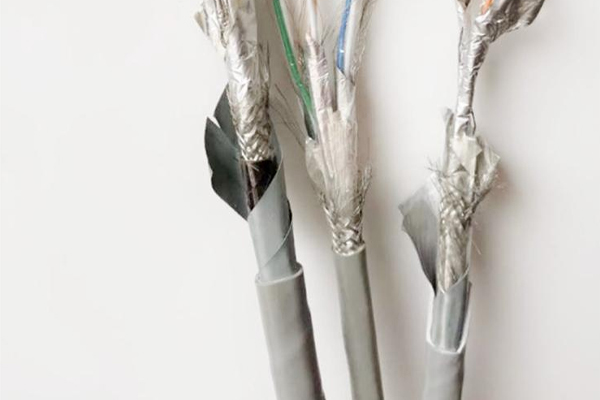
The Role of PTFE Film in Aerospace and Electronics Sectors
PTFE film plays a crucial role in both the aerospace and electronics sectors due to its outstanding properties. In aerospace applications, its chemical resistance and thermal stability ensure reliable performance under extreme conditions. This makes PTFE film ideal for insulating components and protecting sensitive electronic systems from harsh environmental factors. In the electronics industry, the film’s exceptional dielectric properties enhance electrical insulation, minimizing energy loss and improving efficiency in various devices. Furthermore, manufacturers increasingly rely on PTFE film as a release sheet in the production of intricate electronic parts, facilitating smooth processing and ensuring product integrity. Its versatility continues to position PTFE film as a fundamental material for innovation in these critical industries.
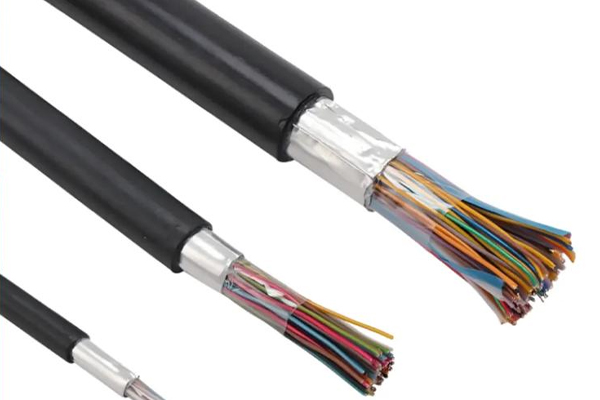
How PTFE Film Enhances Efficiency Across Various Industries
PTFE film plays a crucial role in improving operational efficiency in multiple sectors. Its exceptional dielectric properties make it an ideal choice for electrical insulation, ensuring reliable performance in electronic devices and minimizing energy loss. Moreover, in industries where durability is paramount, such as aerospace and automotive manufacturing, PTFE wrapping film provides a resilient barrier against harsh environmental conditions. This versatility extends to cable manufacturing, where PTFE cable roll coating delivers enhanced protection and reliability. By safeguarding components from heat and chemical exposure, PTFE film not only improves the longevity of products but also contributes to the overall safety and efficiency of industrial applications.
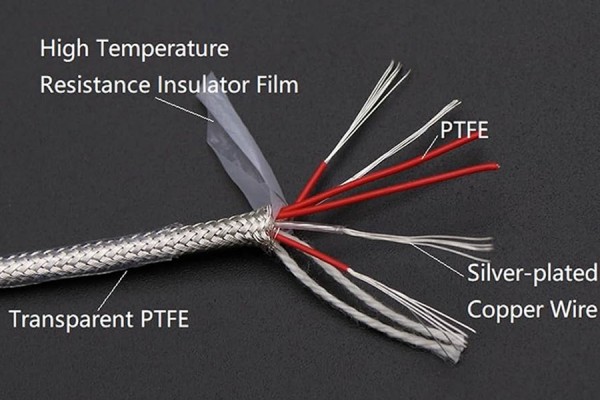
Understanding the Manufacturing Process of High-Quality PTFE Film
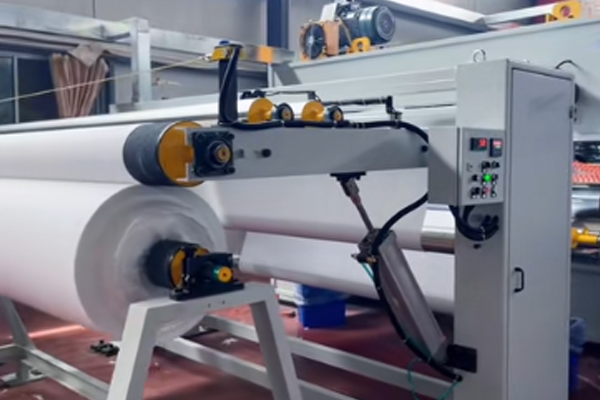
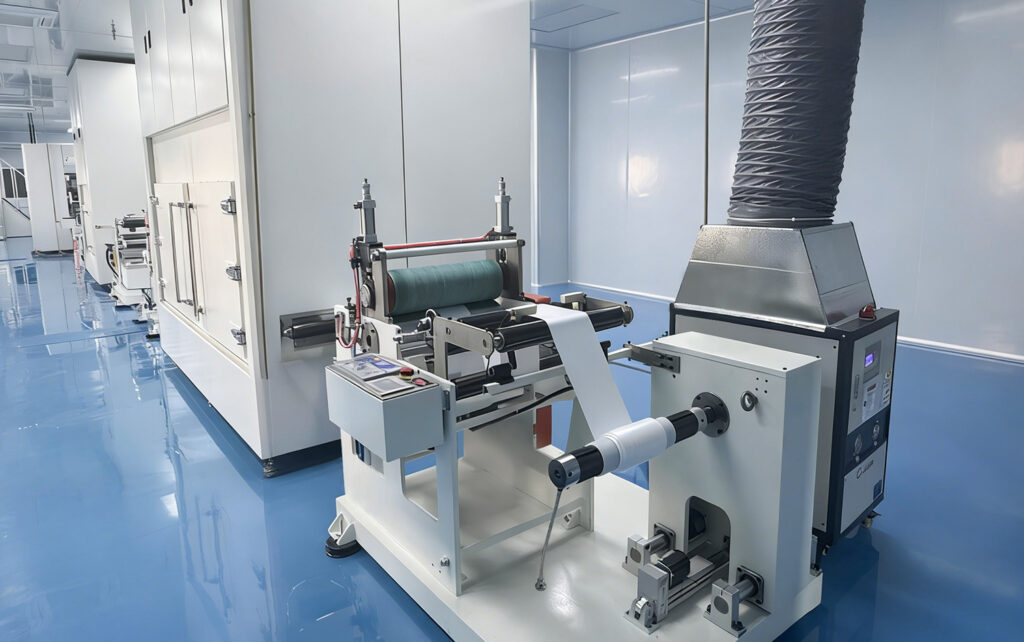
The manufacturing of high-quality PTFE film involves several critical steps to ensure optimal performance and durability. Initially, the process begins with the polymerization of tetrafluoroethylene, creating a fine powder that undergoes careful handling. This powder is then compacted and processed using techniques such as calendering or extrusion, which help form a uniform film. Calendering involves passing the material through a series of heated rollers, while extrusion pushes the material through a die to achieve desired thickness and width. Once formed, the film undergoes a sintering process at high temperatures, which enhances its mechanical properties and molecular structure. This step is essential for achieving PTFE’s renowned chemical resistance and dielectric properties. The final film is then cooled and can be subjected to various treatments or coatings depending on its intended application, ensuring that it meets specific industry standards for quality and reliability.
Key Benefits of Using PTFE Film in Industrial Applications
PTFE film offers a range of benefits that make it essential in various industrial applications. Its exceptional dielectric properties render it ideal for electrical insulation, preventing short circuits and enhancing the longevity of electrical components. Additionally, PTFE film is highly resistant to chemicals and heat, making it suitable for harsh environments where traditional materials might fail. One notable application is its use as high speed and high-frequency cable wrapping film, which improves signal integrity and reduces interference. The non-stick surface of PTFE film simplifies maintenance and cleaning processes, while its lightweight nature aids in design versatility across numerous industries. Ultimately, these advantages position PTFE film as a key material for innovation and efficiency.
Exploring the Future Potential of PTFE Film in Technology Innovations
As industries evolve, the future potential of PTFE film in technology innovations looks promising. Advanced applications are emerging that leverage its unique properties. For instance, PTFE film’s lightweight and durable nature positions it well for use in aerospace, where reducing weight while maintaining performance is critical. In electronics, innovations such as flexible circuits and high-frequency components benefit from its dielectric strength. Additionally, developments in medical technology may see PTFE film used in biocompatible applications, enhancing product safety and effectiveness. Ongoing research into sustainable manufacturing processes could also lead to environmentally-friendly alternatives for PTFE film production, aligning with global trends toward sustainability. The continued exploration of these applications indicates a significant role for PTFE film in shaping future technological advancements across various sectors.
Conclusion
The potential of PTFE film continues to expand as industries pursue innovative solutions to enhance performance and efficiency. Its unique properties—such as excellent dielectric characteristics and chemical resistance—make it a preferred choice across diverse applications. Moving forward, the adaptability of PTFE film in developing technologies promises to revolutionize practices in fields ranging from aerospace to electronics, ensuring reliability and safety in increasingly demanding environments. The ongoing research and development efforts aimed at optimizing PTFE film manufacturing techniques also suggest a commitment to sustainability, likely influencing future market dynamics. As these advancements unfold, PTFE film is poised to remain a critical material driving innovation and progress across various industrial landscapes.
FAQs
What are the primary applications of PTFE film in industrial sectors?
PTFE film is primarily used for electrical insulation, as a release sheet in manufacturing, and in protective roles for sensitive components.
How does PTFE film’s dielectric property benefit electrical systems?
Its low dielectric constant significantly reduces energy loss, ensuring efficient performance in various electronic applications.
Why is PTFE film preferred in aerospace and electronics?
The film’s chemical resistance and thermal stability make it ideal for insulating components under extreme conditions.
What innovations are being made with PTFE film?
Innovations include high-speed cable wrapping films that improve insulation while facilitating the production of intricate electronic parts.
How does the manufacturing process affect the quality of PTFE film?
Key steps such as calendering and sintering enhance the mechanical properties and ensure the film meets specific industry standards.