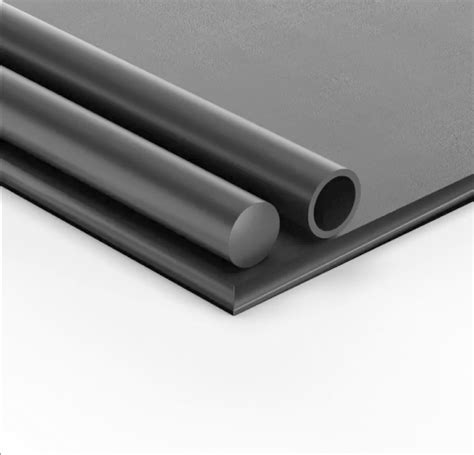
Introduction to PTFE Materials
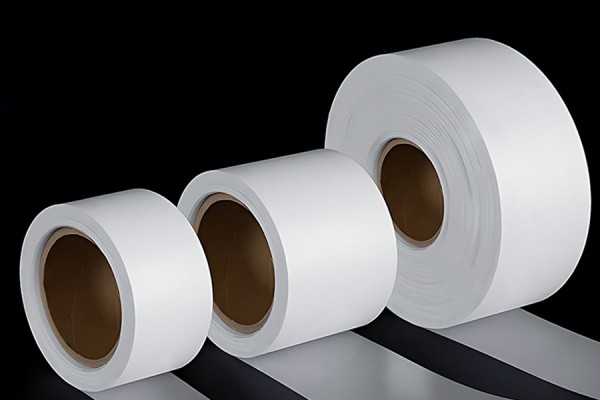
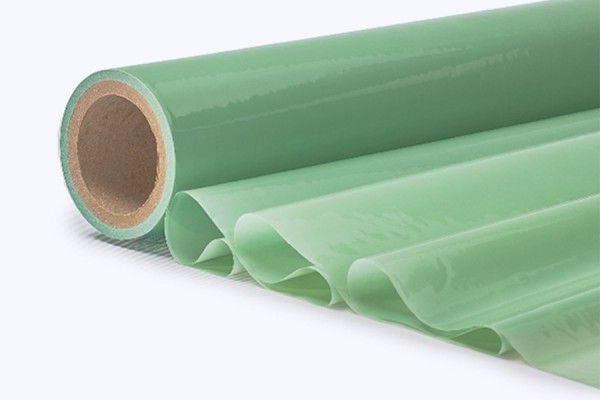
In our exploration of advanced materials, we often encounter PTFE, or polytetrafluoroethylene, which stands out for its exceptional performance in a variety of applications. Known widely by its brand name Teflon, PTFE has become a fundamental material in industries ranging from aerospace to electronics. Our interest in PTFE underscores its remarkable properties—specifically, its chemical resistance and low friction characteristics. This combination allows PTFE to thrive in environments where other materials might fail, making it a go-to choice for demanding applications. Moreover, as we delve deeper into the characteristics of PTFE, we find that its thermal stability is another significant advantage. It can withstand high temperatures without degrading, which is crucial for many industrial uses. In this article, we aim to provide a detailed overview that not only highlights these essential traits but also showcases why PTFE materials are so highly valued across different sectors.
Understanding PTFE Characteristics
When we delve into the characteristics of PTFE, or polytetrafluoroethylene, we discover a remarkable blend of properties that set it apart from other materials. One key aspect that makes PTFE unique is its exceptional chemical resistance. It stands resilient against a wide range of corrosive substances, making it an ideal choice for applications in chemical processing industries. Additionally, PTFE boasts a low friction coefficient, which allows it to reduce wear and tear in mechanical parts, thus extending the life of components. This property also makes it an excellent choice for lubricating applications.
Furthermore, thermal stability is another distinctive characteristic that enhances PTFE’s appeal. It can withstand a wide temperature range without degrading or losing its structural integrity, which is critical in high-temperature environments. When we compare PTFE to other materials like metals or conventional plastics, its non-stick properties and ability to maintain performance under extreme conditions become increasingly evident. While metals may corrode over time and plastics can warp under heat, PTFE holds strong, maintaining its functionality and reliability.
In light of these unique properties, we can appreciate why PTFE continues to be favored across various industries for both industrial and everyday applications. Its combination of chemical resistance, low friction, and exceptional thermal stability positions it as a superior material that meets diverse requirements seamlessly.
Applications of PTFE Coatings in Various Industries
As we delve into the applications of PTFE coatings, it becomes clear that their exceptional properties have made them indispensable across multiple industries. Each sector leverages the unique characteristics of PTFE, particularly its chemical resistance, low friction, and thermal stability. For instance, in the automotive industry, PTFE coatings are applied to components to reduce friction and wear, leading to enhanced performance and longevity of vehicles. Similarly, in the food processing industry, we see PTFE being utilized for its non-stick properties, ensuring that equipment maintains hygiene while simplifying cleanup processes.
Furthermore, the pharmaceutical sector relies on PTFE coatings for their inert nature, which prevents contamination and ensures materials are safe for product use. In electronics manufacturing, we appreciate how these coatings provide insulation and protection against harsh chemicals that could damage sensitive components. As we can observe, PTFE is not limited to these fields alone; it finds utility in industrial machinery and consumer goods as well. This widespread adoption underscores our understanding of how vital PTFE’s unique features are in driving efficiency and reliability across various applications.
The Manufacturing Process of PTFE Materials
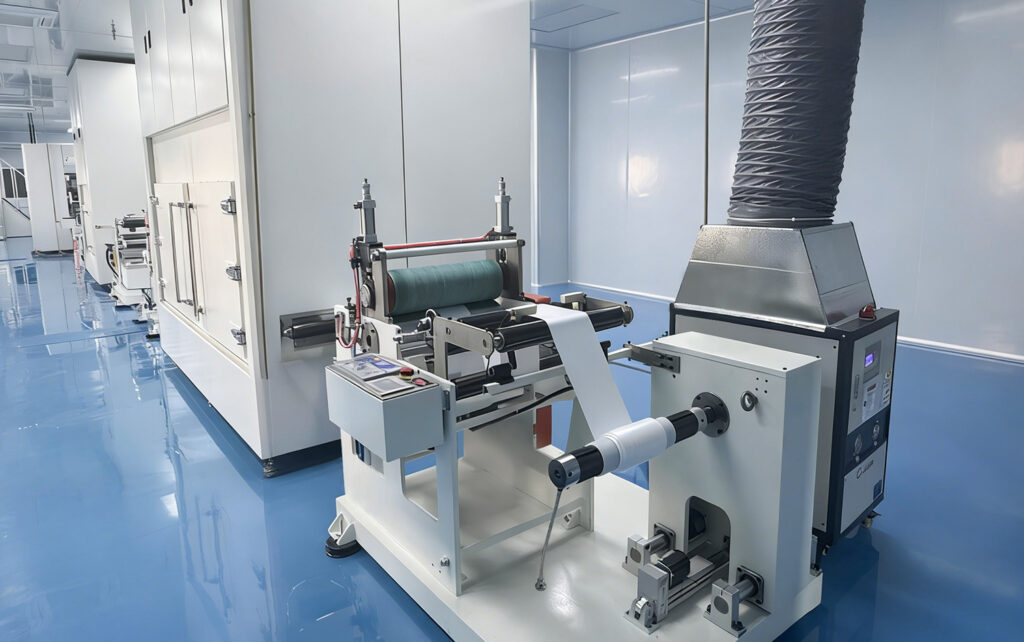
Understanding the manufacturing process of PTFE materials is crucial to appreciating their unique characteristics. First, we start with the polymerization of tetrafluoroethylene (TFE), which takes place under controlled conditions to ensure the formation of high-quality PTFE. This process involves heating the TFE gas, allowing it to polymerize into a solid form. Once polymerized, the PTFE is then subjected to various processing techniques. These include extrusion, which shapes the material into tubes or sheets, and molding for more intricate designs.
After shaping, we move into a sintering phase where the material is heated again to remove any residual gases and enhance its mechanical strength. This step is particularly important as it influences the overall density and performance characteristics of the final product. Once sintering is complete, we can further refine the PTFE through machining or cutting to meet specific application needs. Throughout this manufacturing journey, maintaining precise temperature and pressure controls ensures that we preserve the essential attributes that make PTFE so desirable in industries ranging from automotive to electronics.
By emphasizing these meticulous processes, we recognize that every step impacts not only the quality but also the functional properties of PTFE materials.
Benefits of Using PTFE in Everyday Products
When we consider the advantages of using PTFE in our daily products, its unique properties become evident. PTFE’s remarkable chemical resistance means that we can utilize it in various environments without worrying about degradation or corrosion. This characteristic is particularly beneficial in cookware, where high temperatures and corrosive substances might otherwise compromise the integrity of materials. Furthermore, PTFE’s low friction coefficient makes it an excellent choice for applications such as seals and gaskets, which require smooth operation and longevity. Additionally, its thermal stability allows us to rely on PTFE products even under extreme temperature fluctuations, making them suitable for both residential and industrial use. Many of us may have experienced the reliability of PTFE-coated nonstick pans that offer effortless food release and easy cleaning. Beyond cookware, we find PTFE used in plumbing systems, electrical insulation, and even medical devices due to its versatility and durability. By incorporating PTFE into everyday items, we benefit from enhanced performance and improved safety across various applications while enjoying a seamless user experience that is tough to match with other materials.