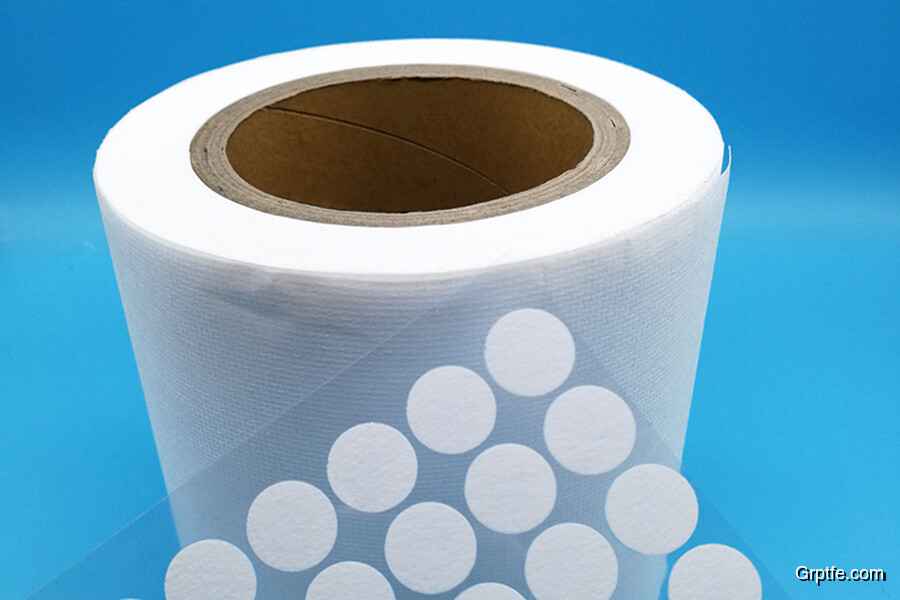
PTFE membranes are characterized by their unique properties that cater to a wide array of industrial applications. Their microporous structure enables excellent vapor permeability while effectively preventing water ingress. The adaptability of these membranes makes them invaluable in diverse sectors, from aerospace to consumer electronics. As industries face evolving challenges, the robustness and reliability of PTFE in demanding environments contribute significantly to operational efficiency. Furthermore, their resistance to harsh chemicals and temperatures makes PTFE membranes indispensable in applications requiring high performance and durability. By selecting the appropriate type of PTFE membrane, industries can enhance product performance while ensuring safety and reliability across various applications.
Types of PTFE Membranes and Their Unique Features
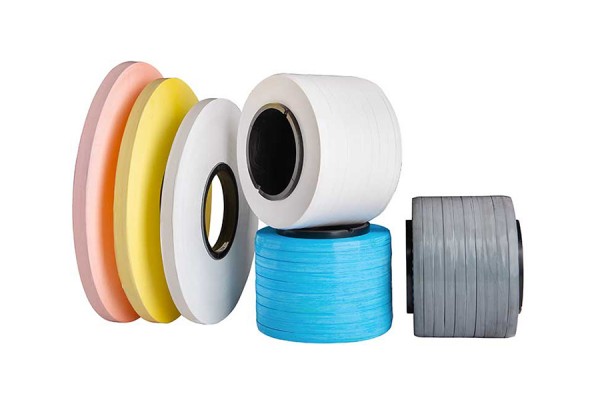
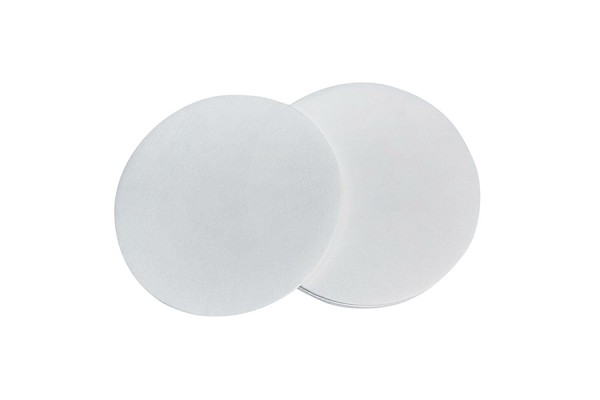
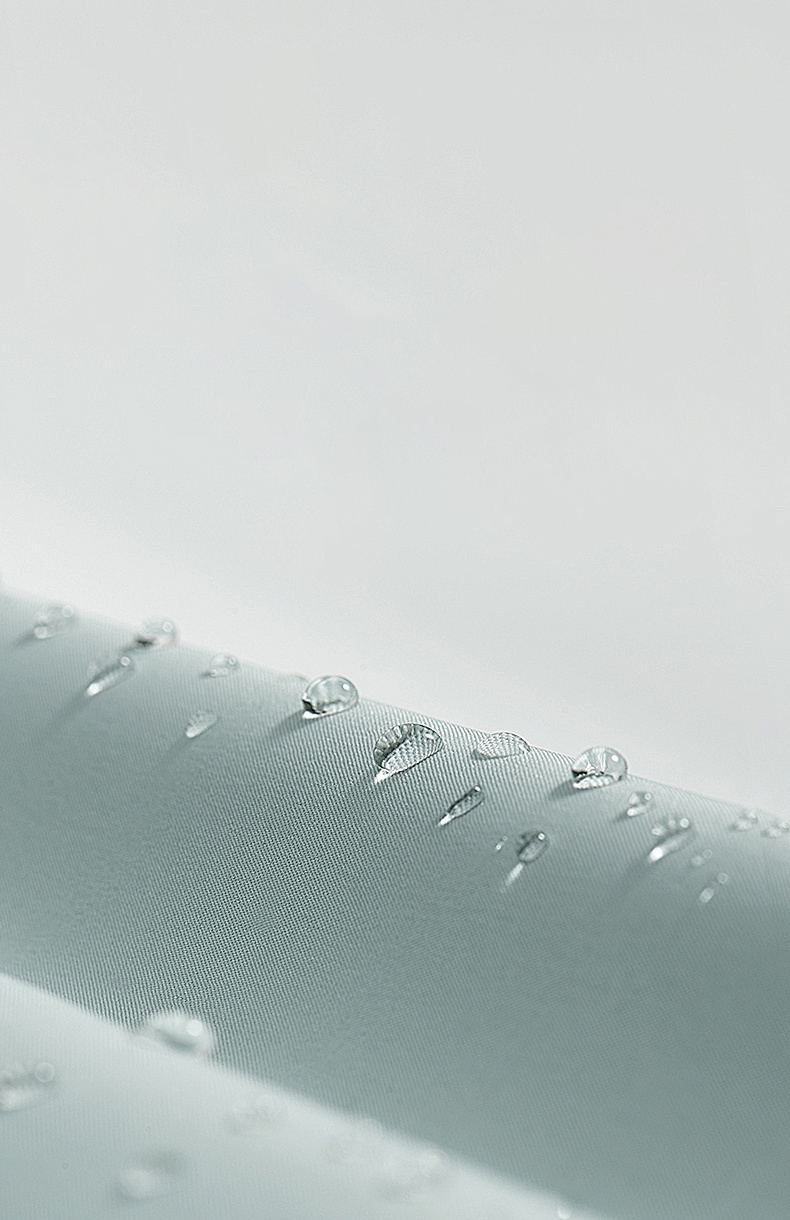
PTFE membranes are categorized into several types, each with distinct characteristics tailored to specific applications. The most recognized type, the Teflon membrane, boasts excellent vapor permeability while being completely waterproof. This unique property is achieved through its microporous structure, allowing moisture to escape without letting water droplets in. Another important variant is the e-PTFE membrane, which integrates additional materials like PET for enhanced durability and leak resistance in demanding environments.
“The unique porosity of PTFE membranes is key to their effectiveness across various sectors.”
Each type plays a vital role in ensuring performance and reliability in industries ranging from aerospace to consumer electronics. Understanding these unique features helps industries choose the right membrane for their needs.
Understanding the Teflon Membrane: A Deep Dive
The Teflon membrane, known for its exceptional microporous structure, plays a vital role in various applications. Its unique design features billions of micro-holes per square centimeter, allowing for excellent vapor permeability while effectively blocking larger water droplets. This characteristic is crucial in scenarios requiring both breathability and waterproofing, making it ideal for military uniforms and protective gear. Additionally, its resistance to chemicals enhances its utility in industrial settings, where exposure to harsh substances is common. The combination of these properties ensures that Teflon membranes maintain performance across diverse environments, catering to needs in outdoor wear, medical applications, and even consumer electronics. As industries continue to innovate, the Teflon membrane’s adaptability highlights its significance in enhancing product efficiency and reliability.
Industrial Applications of PTFE Membranes Across Sectors
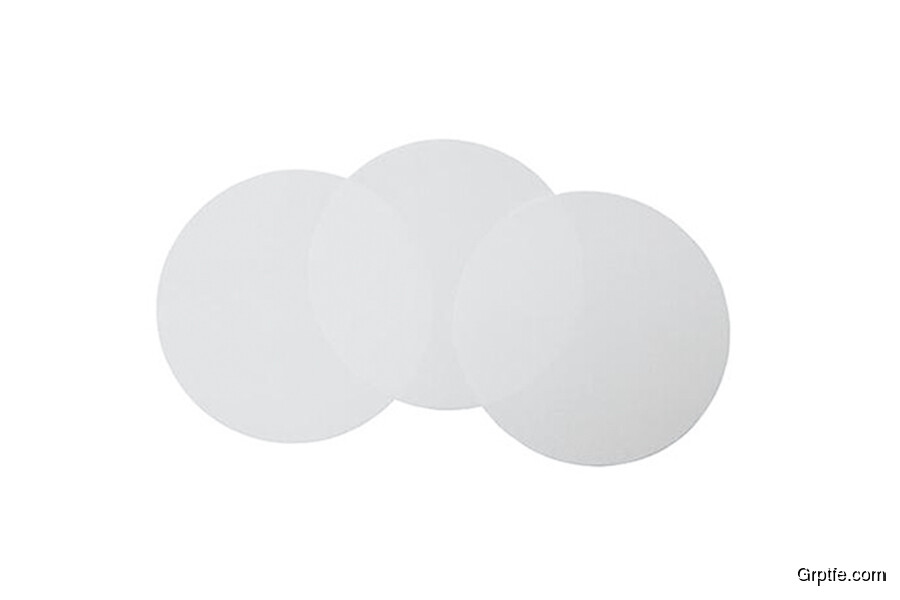
PTFE membranes find extensive usage across various industries due to their unique properties. In the aerospace sector, they are essential for sealing systems, ensuring that critical components remain protected against harsh environments. The automotive industry benefits from these membranes in electronic applications, where moisture and dust protection are vital for performance and longevity. Additionally, in the medical field, PTFE membranes are utilized for their biocompatibility and reliability in sealing medical devices. The robust nature of these membranes also makes them suitable for industrial applications such as chemical processing, where they handle corrosive substances effectively. As industries continue to innovate, the demand for PTFE membranes is likely to grow, highlighting their versatility and reliability across multiple sectors.
The Benefits of Membrane in PTFE for Performance Enhancement
Membrane in PTFE provides numerous advantages that significantly enhance performance across various applications. One of its key benefits is its remarkable resistance to harsh chemicals and extreme temperatures, which ensures durability in demanding environments. This feature is particularly useful in industrial settings, where exposure to corrosive substances is common. Additionally, the microporous structure of PTFE membranes allows for effective filtration while maintaining breathability, making them ideal for applications that require both air purity and moisture control. This dual capability is crucial not only in manufacturing but also in military gear, where both protection and comfort are essential. Furthermore, the lightweight nature of PTFE membranes contributes to easy handling and installation, further improving operational efficiency across various sectors.
How Teflon Membranes Revolutionize Military and Manufacturing Industries
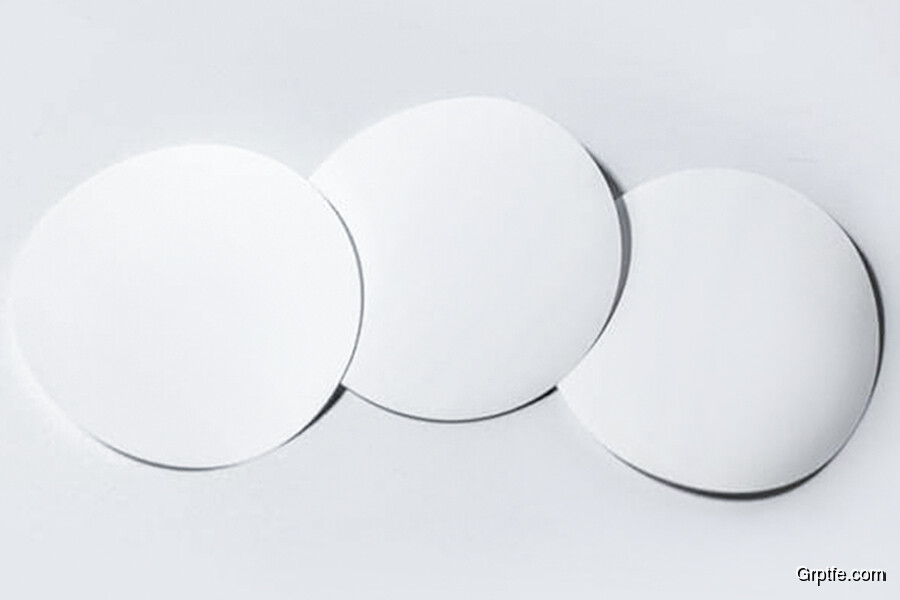
Teflon membranes have transformed various aspects of military and manufacturing operations by promoting enhanced performance and safety. In military applications, these membranes provide critical waterproofing and breathability for uniforms, ensuring soldiers remain comfortable in diverse conditions. Moreover, their chemical resistance is vital for specialized protective gear, safeguarding personnel from hazardous environments. In manufacturing, Teflon membranes are increasingly utilized in filtration systems due to their superior efficiency in capturing airborne particles while allowing moisture to pass through. This dual functionality not only aids in maintaining air quality but also extends equipment lifespan by preventing buildup. As industries continue to evolve, the adaptability of Teflon membranes ensures they meet the demanding needs of both military and industrial sectors effectively.
Key Characteristics of PTFE Membranes in Various Industries
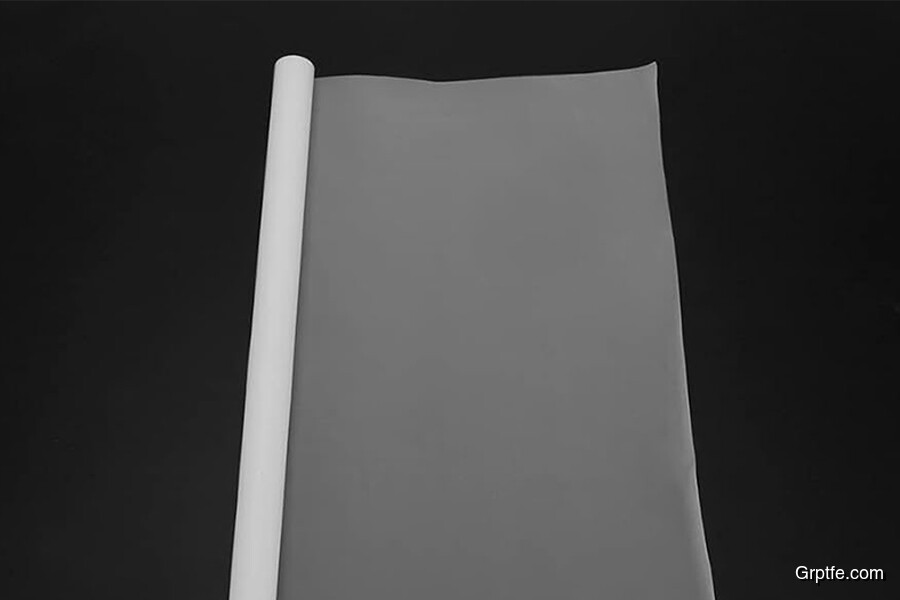
PTFE membranes are known for their remarkable properties that cater to a wide range of industrial needs. Their microporous structure, featuring billions of microscopic pores, allows for high levels of vapor permeability while effectively blocking water droplets. This unique attribute is essential in applications requiring breathability and waterproof capabilities, such as in outdoor apparel and protective gear. Additionally, these membranes exhibit excellent chemical resistance, making them suitable for industries dealing with corrosive substances, from aerospace to chemical processing. Their stability at extreme temperatures further enhances their applicability, allowing them to perform reliably under harsh conditions. Other qualities like thermal insulation and dust protection contribute to their versatility across sectors, reinforcing their essential role in enhancing product performance and durability.
Evaluating the Effectiveness of Membran PTFE in Real-World Applications
The effectiveness of membran PTFE can be seen across a range of real-world applications, where its unique chemical and physical properties lead to significant performance improvements. For instance, in the aerospace sector, these membranes are vital for sealing systems that require resistance to extreme temperature variations and corrosive environments. Similarly, in the automotive industry, the utilization of membran PTFE in electronic components ensures durability and reliability in performance. Furthermore, its application in medical devices showcases its ability to maintain sterility while allowing for essential gas exchange. Coupled with its excellent waterproofing capabilities and breathability, membran PTFE continues to prove essential in diverse fields such as consumer electronics and robotics. Effective utilization of these membranes not only enhances product integrity but also optimizes operational efficiency across sectors.
Exploring the Versatility of PTFE Membranes in Technology and Production
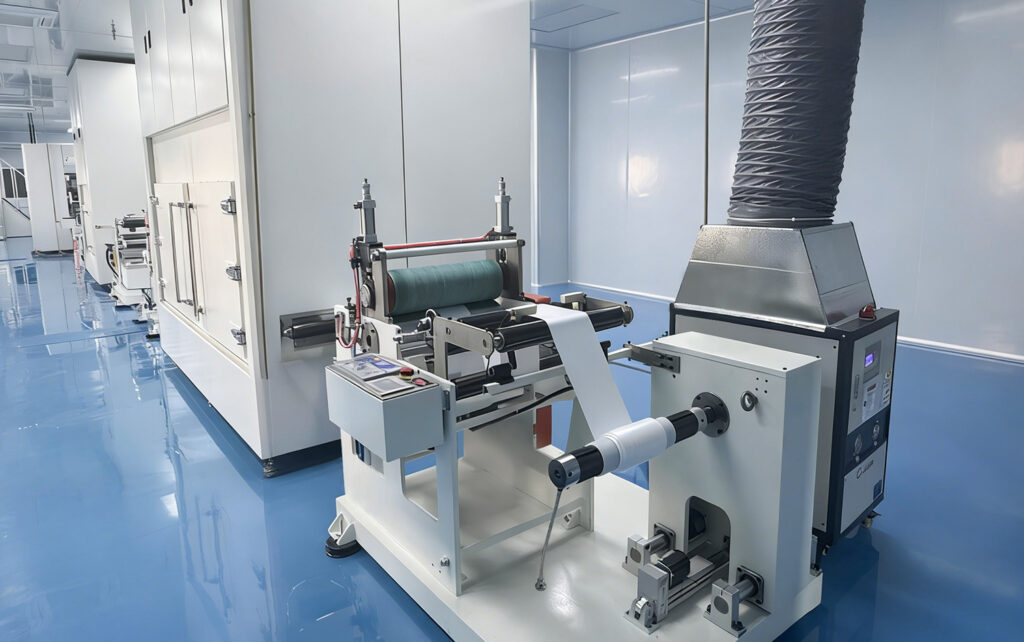
PTFE membranes, often referred to as Teflon membranes, showcase exceptional versatility in various technological and production settings. Their unique microporous structure allows for effective air and liquid filtration, making them invaluable in sectors such as aerospace and electronics. The ability of these membranes to withstand harsh chemicals while maintaining high performance under varying temperatures enhances their appeal across industries. Additionally, the moisture barrier properties contribute to their use in sensitive applications, ensuring that essential components remain protected against environmental factors. With the growing need for advanced materials that offer both durability and efficiency, the role of membrane in PTFE continues to expand, illustrating its significant impact on modern manufacturing processes and technological innovations.
Conclusion
The significance of PTFE membranes, particularly their features and applications, is evident across numerous industries. Their unique properties, such as waterproofing and vapor permeability, enhance functionality in critical sectors like aerospace and military. Furthermore, the adaptability of these membranes allows for a broad range of applications, from providing protection in harsh environments to ensuring efficiency in manufacturing processes. As industries continue to evolve, the integration of PTFE membranes is poised to expand further, underscoring their role in enhancing product reliability and performance. This continuous innovation reflects the growing importance of these materials in addressing modern challenges across various domains.
FAQs
What are the primary benefits of using PTFE membranes in industrial applications?
PTFE membranes offer excellent chemical resistance and durability, making them suitable for harsh environments. Their microporous structure allows effective filtration while maintaining breathability.
How does the Teflon membrane differ from other PTFE membranes?
The Teflon membrane features a unique microporous design that provides superior vapor permeability and waterproofing, making it ideal for applications needing moisture control.
What industries benefit the most from membran PTFE technology?
Industries such as aerospace, automotive, and medical benefit significantly from membran PTFE technology due to its reliability in sealing systems and chemical resistance.
Can PTFE membranes be used in consumer electronics?
Yes, PTFE membranes are used in consumer electronics to protect sensitive components from dust and moisture, enhancing the durability and performance of devices.
Are there sustainability concerns associated with PTFE membranes?
While PTFE membranes are durable, sustainability concerns focus on their production process. Efforts are ongoing to improve manufacturing practices to reduce environmental impact.