main Takeaways
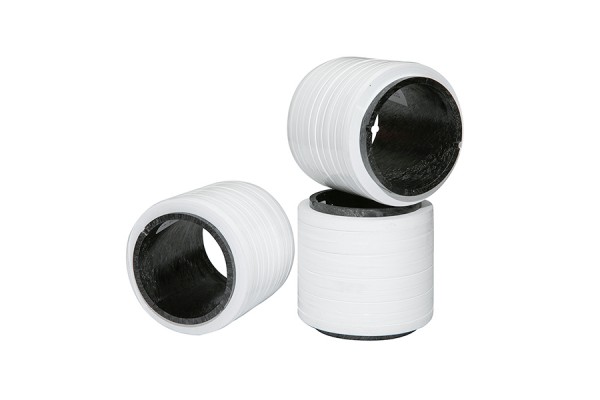
High-speed transmission line PTFE wrapping tape is an essential component in modern communication systems, providing unmatched insulation and protection for critical cables. Its low dielectric loss ensures minimal signal degradation, which is vital for maintaining high-speed data transfer. The durable nature of PTFE material allows it to withstand extreme environmental conditions, including temperature fluctuations and exposure to moisture or chemicals. This resilience not only extends the lifespan of cables but also reduces maintenance needs, making it a cost-effective choice for industries such as telecommunications and aerospace. Moreover, the flexibility of PTFE tape allows for easy installation around various cable configurations, ensuring a reliable fit that maintains insulation integrity. As demand for faster data communication grows, the effective use of PTFE wrapping tape in cable design will continue to play a important role in enhancing the performance and reliability of advanced electronic systems.
High-Speed Cable Innovation
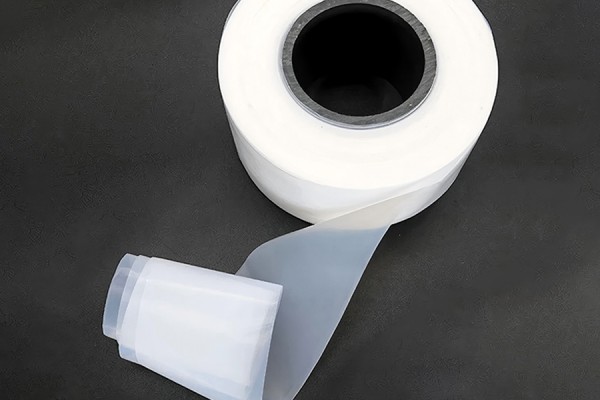
The development of high-speed transmission line PTFE wrapping tape signifies a leap forward in cable technology. This tape, made from polytetrafluoroethylene, is specifically designed to meet the demands of modern communication systems, where speed and reliability are paramount. Using PTFE wrapping film allows for superior insulation properties, ensuring that data and coaxial cables can perform effectively under high-frequency conditions. The flexibility and thermal resistance of PTFE cable wrapping tape contribute to its effectiveness in environments with fluctuating temperatures and mechanical stress.
"PTFE Thread Seal Tape is essential for creating airtight seals in high-speed applications, minimizing the risk of signal loss."
Incorporating this technology into designs enhances not only signal integrity but also the overall performance of electronic systems. Various types of PTFE cable roll coating techniques improve durability and protection against environmental factors like moisture and corrosion. As demands for data speed increase, solutions such as DAC, AEC, AOC, and ACC high-speed cable wrapping films differentiate themselves by providing tailored insulation strategies that meet specific application needs. This ongoing innovation highlights the importance of maintaining robust connections in both consumer electronics and critical infrastructure systems.
Advancing data transmission
high-speed transmission line PTFE wrapping tape plays a significant role in bolstering the performance of modern communication technologies. Its properties, such as low dielectric loss and excellent thermal stability, are main for maintaining signal integrity in data transmission. As devices demand faster and more reliable connections, the insulation provided by PTFE tape helps to minimize interference and signal degradation effectively. This is particularly important in environments where high-frequency signals are prevalent. Furthermore, the flexibility and strength of PTFE materials ensure that cables remain operational under varying conditions, from extreme temperatures to physical stress. With applications spanning sectors like telecommunications and aerospace, PTFE wrapping tape not only supports faster data rates but also contributes to the overall longevity and reliability of critical wiring systems. As technology evolves, these characteristics make PTFE an increasingly preferred choice for engineers designing advanced electronic systems.
Benefits of PTFE Tapes
PTFE tapes deliver notable advantages in cable applications, particularly for high-speed transmission lines. These tapes demonstrate exceptional thermal stability, being effective in environments ranging from -150 to 260 degrees Celsius, allowing them to function reliably under diverse conditions. They possess a low dielectric constant and high dielectric strength, which contribute to minimal signal loss and improved transmission efficiency. This makes PTFE an ideal choice for critical data and coaxial cables where signal integrity is paramount.
Moreover, PTFE’s inherent corrosion resistance protects cables from degradation caused by environmental factors, ensuring longevity and reducing maintenance needs. The flexibility of PTFE tapes allows them to conform easily around various cable shapes while providing strong insulation against electromagnetic interference (EMI), which enhances overall performance. In sectors such as aerospace and telecommunications, where precision and reliability are essential, using PTFE wrapping tape is essential for maintaining the integrity of high-speed data transmission systems.
| Property | Benefit |
|---|---|
| Thermal Stability | Operates in extreme temperatures |
| Low Dielectric Constant | Reduces signal loss |
| High Dielectric Strength | Improves overall transmission |
| Corrosion Resistance | Prolongs cable life |
| Flexibility | Conforms to various shapes |
| EMI Resistance | Enhances signal integrity |
Enhancing signal integrity
PTFE wrapping tape plays a vital role in maintaining signal integrity in high-speed transmission lines. Its low dielectric loss ensures minimal signal degradation, allowing data to travel faster and more reliably across cables. The excellent thermal resistance of PTFE also protects against fluctuations in temperature, which can otherwise lead to increased noise and reduced performance. furthermore, the material’s flexibility aids in the installation process, accommodating various cable configurations without compromising insulation quality. When applied to coaxial cables, PTFE effectively shields against electromagnetic interference (EMI), a common challenge in data transmission environments. By integrating these attributes, PTFE wrapping tape supports consistent and clear signal transmission essential for modern communication technologies.
Reliable cable insulation
PTFE wrapping tape provides exceptional insulation for high-speed transmission lines. Its thermal resistance ensures functionality in extreme conditions, protecting cables from overheating. This material prevents signal degradation by maintaining a stable dielectric environment, which is essential in high-frequency applications. PTFE’s low dielectric loss characteristics allow for efficient signal transmission, minimizing energy losses. The tape’s flexibility enables it to conform to various cable shapes while maintaining durability and minimizing stress points that could lead to failures. also, PTFE offers significant corrosion resistance, safeguarding cables from environmental factors that could compromise performance over time. These attributes make it a preferred choice in sectors where reliability is critical, such as telecommunications and aerospace.
Versatile wiring solutions
high-speed transmission line PTFE wrapping tape is adaptable for various wiring needs across multiple sectors. In military and aerospace applications, the ability to maintain performance in extreme conditions makes these tapes essential for durability. Automotive industries benefit from PTFE’s thermal and chemical resistance, ensuring long-lasting connections for electric vehicles. Moreover, the growth of 5G technology requires reliable insulation for base stations and data transmission cables, which PTFE effectively provides. Its flexibility allows easy handling and installation in complex wiring configurations. furthermore, the tape’s properties facilitate integration into modern electronic designs, supporting high-speed data transfer while guarding against signal degradation. This adaptability makes PTFE the go-to solution for manufacturers looking to improve reliability in critical cable systems without sacrificing efficiency.
PTFE in Electronic Design
PTFE plays a vital role in electronic design, particularly in applications requiring high-frequency signal integrity and insulation. Its unique properties, such as low dielectric constant and high thermal stability, make it an excellent choice for advanced wiring systems. Designers increasingly incorporate PTFE wrapping tape into their schematics to ensure that every component maintains reliable performance under varying conditions. The tape’s flexibility allows it to conform easily to complex shapes, which is essential in compact electronic devices. Moreover, PTFE’s resistance to chemical corrosion protects sensitive components from environmental damage. This ensures that cables remain operational over extended periods, especially in demanding environments such as aerospace or automotive applications. The application of PTFE not only enhances durability but also minimizes signal loss during data transmission, a critical aspect for modern communication technologies.
Protecting critical cables
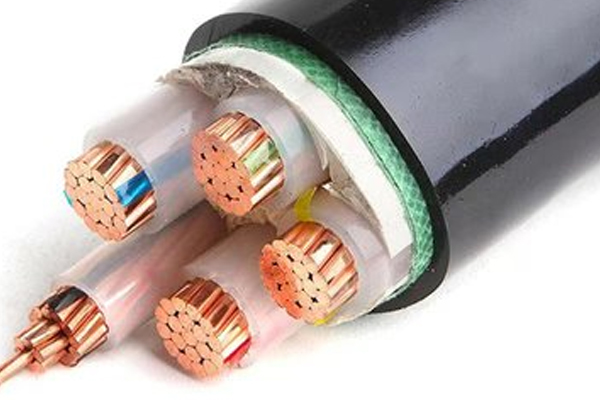
PTFE wrapping tape is essential for safeguarding critical cables in modern communication systems. Its high thermal resistance protects against extreme temperatures, ensuring that cables remain functional in demanding environments. The tape’s durability contributes to long term performance, minimizing the risk of damage from environmental factors like moisture and chemicals. PTFE’s low friction properties allow for easier installation and routing of cables, which is particularly beneficial in tight spaces. Furthermore, its excellent dielectric properties help prevent signal degradation, thus maintaining the integrity of high-speed data transmission. As communication technologies evolve, the ability of PTFE wrapping tape to shield against electromagnetic interference becomes increasingly important, reinforcing its role in mission-critical applications across various sectors.
Conclusion
the implementation of high-speed transmission line PTFE wrapping tape signifies a proactive approach to addressing the complexities of modern communication systems. As technology demands faster and more reliable data transmission, PTFE tape acts as a dependable solution for ensuring optimal performance. By providing robust insulation and excellent signal integrity, this tape meets the needs of various industries, including telecommunications and aerospace. Its inherent properties, such as resistance to extreme temperatures and corrosion, make it essential for protecting critical cables from potential hazards. Furthermore, the adaptability of PTFE wrapping tape facilitates its integration in diverse applications where maintaining connectivity is important. As advancements in electronic design continue to evolve, the role of PTFE tape will be vital for future innovations in cable technology, ensuring uninterrupted communication and data transfer in an increasingly connected world.
FAQs
What is PTFE wrapping tape?
PTFE wrapping tape is a type of insulation tape made from polytetrafluoroethylene, known for its superior thermal stability and electrical insulation properties.
How does PTFE tape improve signal integrity?
PTFE tape enhances signal integrity by minimizing dielectric loss, which helps prevent signal degradation during high-speed data transmission.
Can PTFE wrapping tape withstand extreme temperatures?
Yes, PTFE wrapping tape operates effectively in a wide temperature range, from -150 to 260 degrees Celsius, making it ideal for demanding environments.
What are the applications of PTFE tape in various industries?
PTFE tape is used in telecommunications, aerospace, automotive industries, and anywhere reliable insulation and performance under stress are critical.
How does PTFE tape protect cables from environmental factors?
The corrosion resistance of PTFE protects cables from moisture and chemicals that could potentially degrade their performance over time.
Is it easy to install PTFE wrapping tape?
Yes, the flexibility of PTFE tape allows it to conform easily to different cable shapes and can be installed in tight spaces with minimal effort.
What benefits does PTFE offer over other materials?
PTFE provides stronger insulation against electromagnetic interference (EMI), better thermal resistance, and longer-lasting durability compared to many other materials.
Does using PTFE wrapping tape reduce maintenance needs?
Yes, the durability and corrosion resistance of PTFE minimize degradation risks, leading to reduced maintenance requirements for critical cable systems.
How does the flexibility of PTFE affect its use in electronic design?
The flexibility of PTFE allows it to fit complex shapes easily in compact electronic devices while maintaining excellent insulation properties.
Why is choosing the right insulation important for high-speed transmission lines?
Proper insulation is vital as it directly impacts signal integrity and transmission efficiency, ensuring reliable data flow in modern communication systems.