Key takeaways
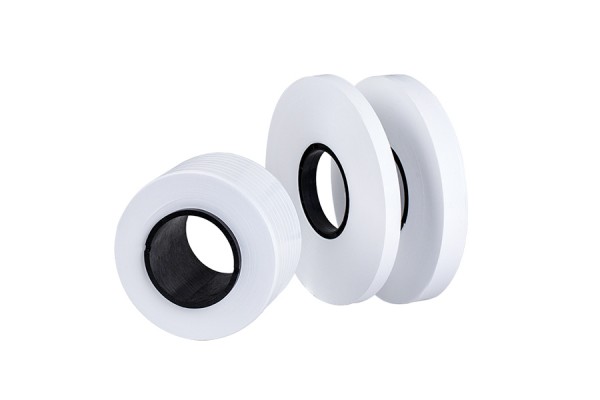
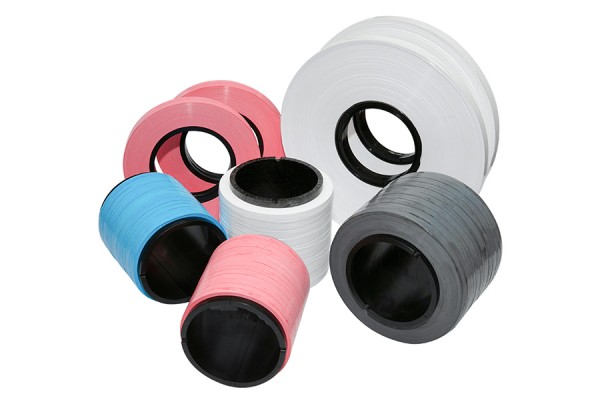
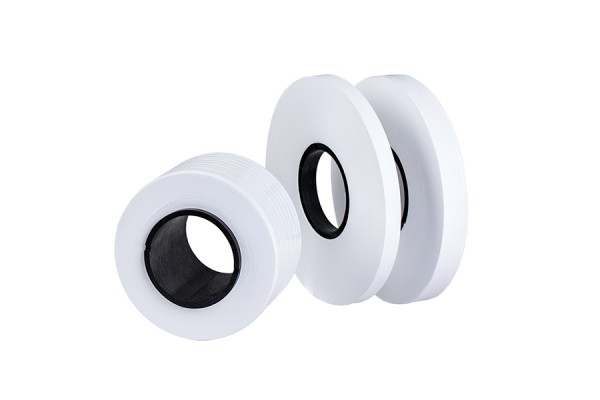
PTFE film possesses remarkable properties that make it a valuable material across various sectors. Its excellent chemical resistance, low friction characteristics, and high thermal stability enhance its performance in demanding environments. The versatility of PTFE film allows for applications ranging from electrical insulation to food processing, while its unique non-stick nature helps streamline manufacturing processes. Despite certain challenges, such as higher production costs and difficulty in bonding with other materials, the long term benefits often justify its use. Innovation in PTFE film technology paves the way for improved formulations and sustainable practices, which will likely push the boundaries of its applications further. As industries continue to evolve, the adaptability and utility of PTFE film are expected to remain crucial in meeting contemporary operational demands.
Applications of PTFE Film
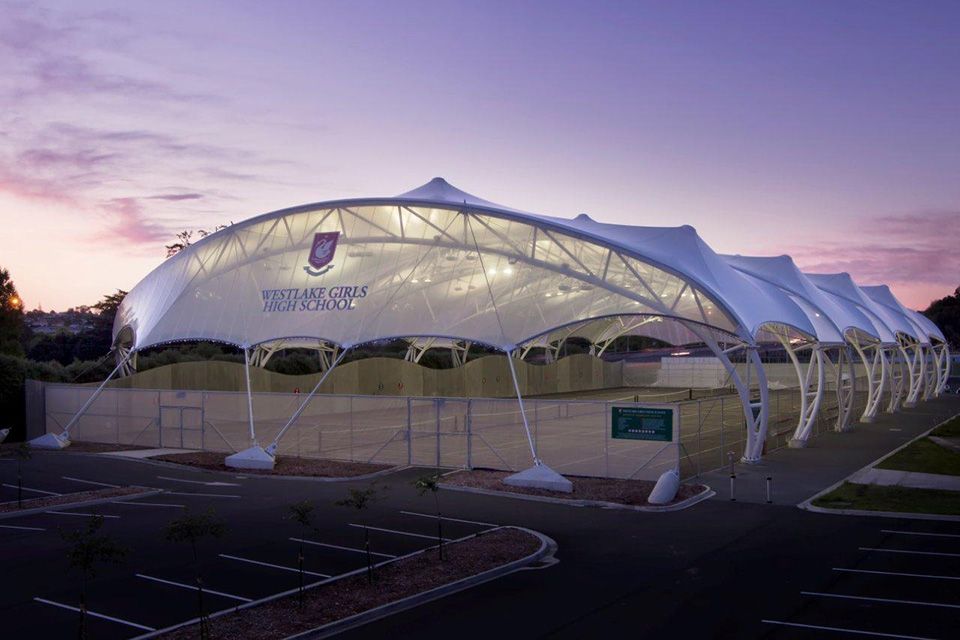
PTFE film offers a wide range of applications across multiple industries due to its unique properties. In the electrical sector, it serves as insulation for wires and cables, providing excellent resistance to heat and chemicals. Its non-stick nature makes it ideal for use in food processing and packaging, ensuring that materials do not adhere during production. Additionally, PTFE film plays a crucial role in the manufacturing of gaskets and seals, where it helps to prevent leakage in various equipment. In the automotive industry, it is used in fuel lines and as a lining for bearings due to its durability and resistance to friction. Furthermore, applications extend into the medical field, where it is utilized in medical devices that require biocompatibility and chemical resistance. The versatility of PTFE film continues to expand as industries seek innovative solutions for improving performance and efficiency in their operations.
PTFE Film in Manufacturing
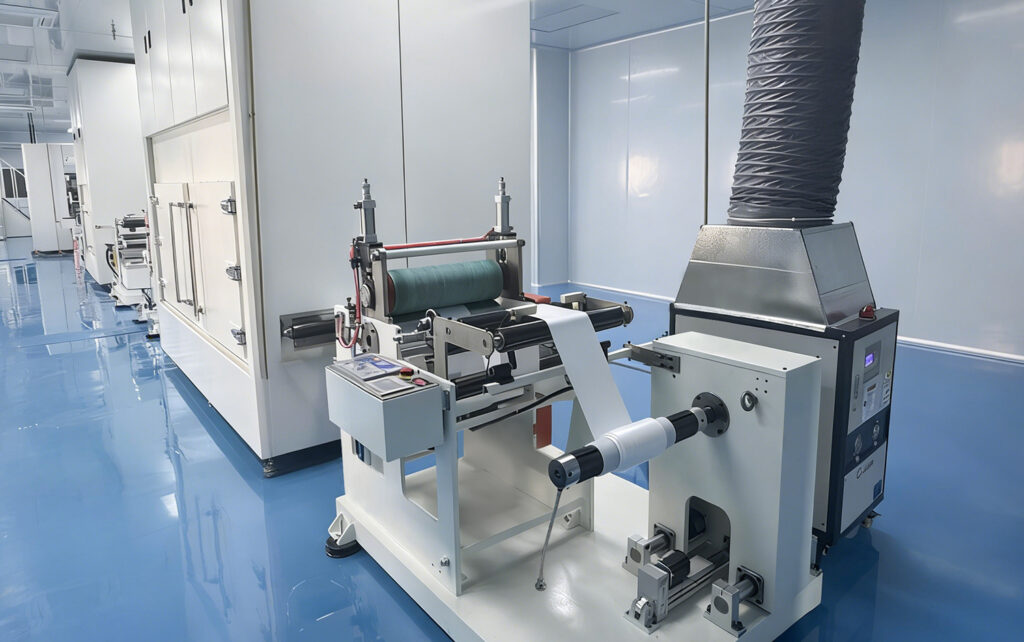
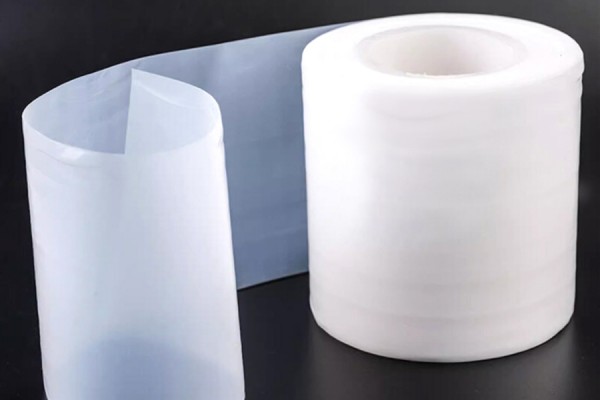
PTFE film is widely utilized in the manufacturing sector due to its unique properties. Its high chemical resistance makes it suitable for applications involving aggressive substances, while its low friction coefficient facilitates the movement of components in machinery, reducing wear and enhancing operational efficiency. Manufacturers often choose PTFE film as a protective lining for equipment and as an insulating material in electrical applications, where its exceptional thermal stability ensures reliability under demanding conditions. This film is also essential in the production of gaskets and seals, where it provides a tight barrier against fluids and gases. Furthermore, advances in manufacturing processes enable the creation of custom PTFE film solutions tailored to specific industry requirements. As a result, businesses can optimize their production lines by integrating PTFE film into various components, ultimately improving durability and performance across multiple applications. The continual adoption of PTFE film reflects its importance in enhancing manufacturing efficiency and sustaining product integrity.
Comparative analysis of PTFE Film
A comprehensive analysis of PTFE film reveals its unique characteristics in comparison to other films used in industrial applications. PTFE film stands out due to its excellent chemical resistance and low friction properties. Unlike many standard films, it maintains performance in extreme temperatures, ranging from cryogenic levels to high heat. When compared to other materials, such as polyethylene or polyester films, PTFE exhibits superior electrical insulation properties and greater durability against hydrolytic degradation.
Moreover, while the manufacturing cost of PTFE film is typically higher due to its complex production process, the long term benefits outweigh the initial investment. Films made from PTFE also demonstrate lower thermal conductivity compared to alternatives, which can be crucial in applications requiring temperature stability. This comparative efficiency makes PTFE film increasingly favored in sectors such as aerospace and electronics. As advancements in manufacturing continue, the gap in cost may narrow, allowing for broader adoption across different industries.
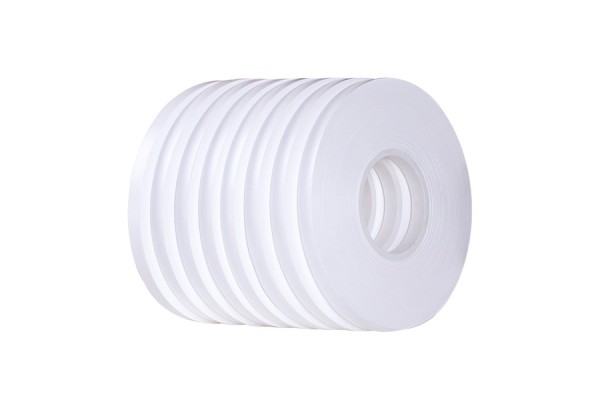
Challenges in PTFE Film Usage
PTFE film faces several challenges that can limit its effectiveness in various applications. One significant issue is its relatively high cost compared to other materials, which can discourage adoption, especially in cost-sensitive industries. Moreover, PTFE has a unique lubrication property that makes it difficult to bond with other materials, complicating manufacturing processes that require adhesion. Additionally, while PTFE exhibits excellent chemical resistance, certain aggressive chemicals can still degrade it over time, necessitating careful material selection in environments with specific chemical exposure. Temperature fluctuations also pose a challenge, as PTFE can experience dimensional changes under extreme conditions. Lastly, the environmental impact of PTFE production and disposal has raised concerns among manufacturers and consumers alike, prompting a reconsideration of sustainable practices within the industry. These challenges require careful consideration and innovative solutions to ensure that PTFE film remains a viable option across various sectors.
Innovations in PTFE Film Technology
Recent advancements in PTFE film technology have led to improved manufacturing processes and enhanced material properties. Innovative techniques such as molecular layering and advanced extrusion methods have resulted in films with greater durability and resistance to environmental stressors. These developments enable the production of films with tailored thickness and enhanced performance characteristics that meet specific industry requirements. Additionally, the integration of nanotechnology into PTFE film production has fostered the creation of multifaceted materials that combine the advantages of PTFE with other substances, improving overall functionality. Research is also focused on the development of eco-friendly alternatives using sustainable materials, showcasing a commitment to reducing environmental impact while maintaining the essential properties of PTFE films. As manufacturing demands evolve, these innovations offer promising solutions that expand the applications and efficiency of PTFE films across various sectors.
Future trends for PTFE Film
The future of PTFE film is driven by advancements that enhance its performance and broaden its applications across various industries. Innovations in manufacturing techniques are set to produce thinner, more durable films, allowing for greater flexibility and versatility. Increased focus on sustainability is also shaping trends, as manufacturers explore bio-based and recyclable options to meet environmental regulations and consumer demand for green products. Furthermore, emerging technologies in electronic devices are creating opportunities for PTFE films to serve as essential components in insulation and protective coatings. Research into improving the thermal stability and chemical resistance of PTFE films will likely lead to new uses in extreme environments, particularly in aerospace and automotive sectors. As industries continue to evolve, the integration of smart technologies may further enhance the functionality of PTFE films, enabling applications that capitalize on their unique properties while responding to market needs.
FAQs
What is PTFE film?
PTFE film is a high-performance polymer film made from polytetrafluoroethylene, known for its excellent chemical resistance, low friction properties, and high thermal stability.
What industries use PTFE film?
PTFE film is utilized across various industries, including electrical, automotive, medical, and food processing, due to its versatility and unique properties.
How does PTFE film compare to other films?
PTFE film offers superior chemical and thermal resistance compared to other films like polyethylene and polyester, making it more suitable for demanding applications.
What are the main benefits of using PTFE film?
The main benefits of PTFE film include its durability, non-stick properties, electrical insulation capabilities, and resistance to extreme temperatures.
Are there any challenges associated with PTFE film?
Yes, challenges include its higher production cost and difficulty in bonding with other materials. Environmental concerns related to production and disposal are also significant.
How does innovation impact PTFE film technology?
Innovations such as nanotechnology and advanced manufacturing techniques are enhancing the performance of PTFE films and expanding their applications in various sectors.
What future trends can be expected for PTFE films?
Future trends indicate a focus on sustainable materials alongside advancements in performance features that cater to emerging technologies in electronics and aerospace.