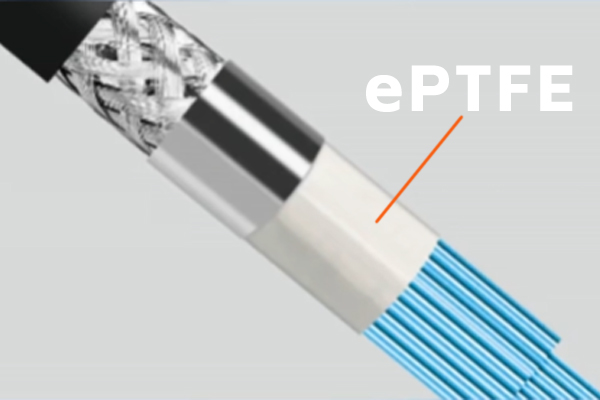
main Takeaways
The material matters for many industries because it offers clear advantages. It handles extreme temperatures from -150°C to 260°C, keeping performance steady in tough settings. That durability lowers replacement frequency and reduces maintenance costs over time. The low dielectric loss also supports high-quality signal transmission, which matters in high-frequency work like telecommunications and data transfer. Chemical resistance adds lasting protection against harsh substances, boosting cable longevity. Its flexibility lets it wrap around different cable designs while maintaining airtight insulation. In short, it’s a reliable option that supports safety and efficiency in electrical systems across various applications.
PTFE Cable Tape Benefits
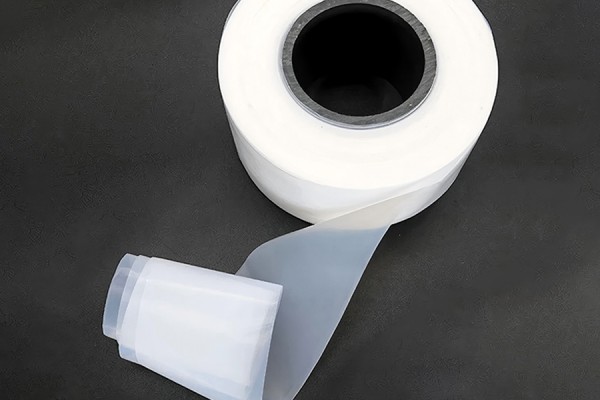
PTFE wrapping tape offers a range of benefits essential for effective electrical performance. Its resistance to high temperatures supports reliable insulation across applications, especially in high-speed transmission lines. The tape’s low dielectric loss helps minimize signal degradation, which matters for maintaining signal integrity in high-frequency environments. Beyond that, PTFE wrapping film resists chemical corrosion, providing longevity and protection to cables in harsh conditions.
This material is non-toxic and flame-retardant, which enhances safety in both commercial and industrial settings. Using PTFE thread seal tape improves sealing against leakage, making it a solid choice for environments that require airtight integrity. With options like DAC, AEC, AOC, and ACC high-speed cable wrapping films, users can tailor their selection based on specific needs while benefiting from the durability and protective qualities these tapes provide. Overall, PTFE cable wrapping tape proves to be an indispensable component in modern electrical systems.
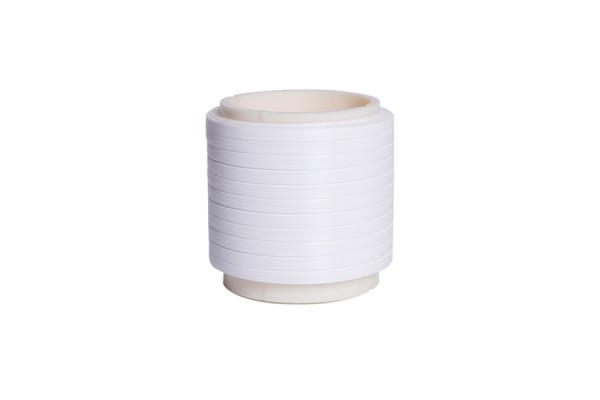
Durability in Cable Wrapping
This material shows strong performance in demanding environments. It withstands extreme temperatures, ranging from -150°C to 260°C, allowing it to maintain integrity without degradation. The robustness of PTFE extends beyond temperature resistance; it also withstands various chemicals and moisture. This ensures that cables remain protected regardless of exposure to harsh conditions.
A comparative analysis of different insulating materials shows that PTFE consistently outperforms alternatives in terms of durability. While traditional materials may require frequent replacements or maintenance, PTFE’s longevity translates to reduced downtime and lower replacement costs for electrical infrastructure.
Table 1: Comparison of Insulating Materials
| Material | Temperature Range (°C) | Chemical Resistance | Lifespan |
|---|---|---|---|
| PTFE | -150 to 260 | High | 20+ years |
| PVC | -30 to 85 | Moderate | 5-10 years |
| Rubber | -40 to 120 | Low | 3-7 years |
The durability factors not only improve the lifespan of the cables it protects but also support consistent electrical performance under various operational stresses. This reliability makes it a preferred choice for applications in industries where safety and efficiency are paramount.
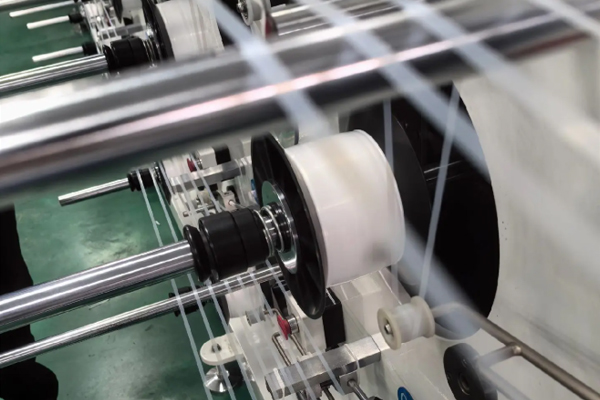
High-Frequency Electrical Solutions
PTFE cable tape provides essential properties for high-frequency electrical applications. Its low dielectric loss ensures minimal signal degradation, making it suitable for data and telecommunication cables that require optimal transmission quality. The material’s resilience against extreme temperatures enhances its performance, allowing it to function effectively in environments ranging from -150°C to 260°C. This lasting nature is particularly beneficial in aerospace and military sectors where reliability is paramount.
furthermore, the unique chemical structure of PTFE offers significant resistance to moisture and various chemicals, safeguarding cable integrity over time. The insulating capabilities of PTFE tape also assist in minimizing electromagnetic interference, thus improving the overall performance of the electrical systems it protects. These characteristics make PTFE a preferred choice for wrapping high-frequency cables, contributing to advanced solutions that support modern technological demands while ensuring safety and efficiency.
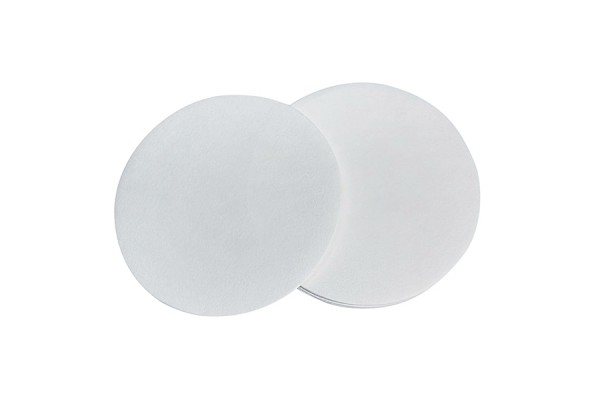
new Insulation Techniques
PTFE cable tape wrapping employs state-of-the-art insulation methods that significantly improve the electrical performance of cables. Thermal stability remains strong, and it keeps its integrity across demanding environments from -150°C to 260°C. An important aspect of these techniques is the reduction of dielectric losses, which enhances signal transmission efficiency. This efficiency is critical in high-frequency applications where every fraction of a loss can impact performance. Moreover, PTFE’s resistance to chemical corrosion adds an extra layer of durability in various applications, ranging from military to aerospace.
"Ensuring optimal insulation is vital for long-lasting cable performance."
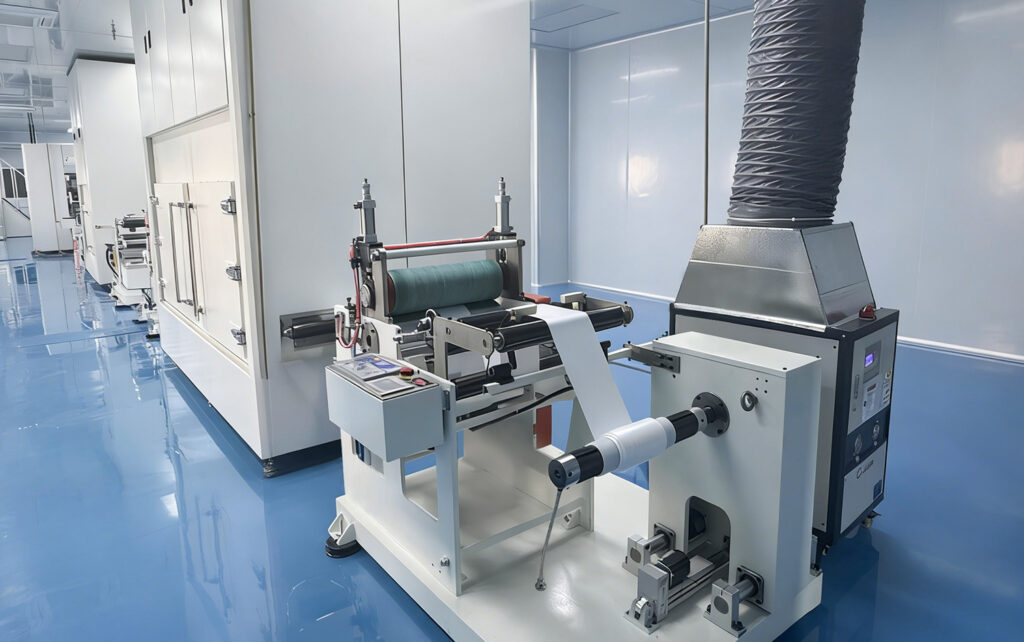
By utilizing new manufacturing processes, manufacturers can produce PTFE wraps with improved flexibility and overall reliability. This adaptability allows for more effective wrapping around complex cable designs and configurations, ultimately enhancing the protection and longevity of the cables they encapsulate.
Versatile applications of PTFE
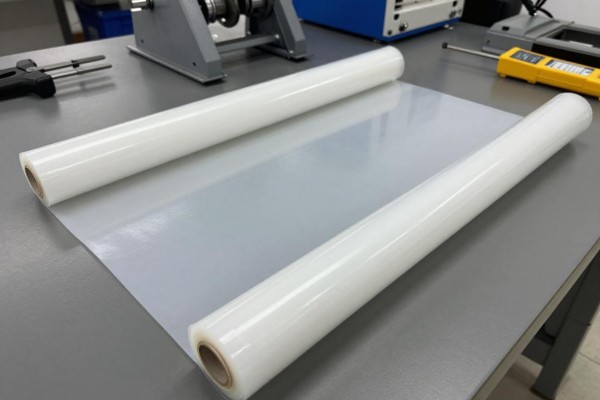
Wraps made from PTFE find use in several critical sectors thanks to their unique properties. In aerospace applications, wraps provide essential insulation and protection, allowing cables to operate effectively in extreme thermal conditions. Medical devices leverage the chemical resistance of PTFE, ensuring reliable function in demanding environments while preventing corrosion. Furthermore, the telecommunications industry benefits from the high-frequency performance capabilities of PTFE wrapping, making it suitable for data transmission in advanced communication systems. Electric vehicles also incorporate PTFE cable wraps to improve safety and efficiency, contributing to energy management and thermal regulation. Each application not only demonstrates the adaptability of PTFE but also underscores its role in improving the overall reliability and longevity of electrical systems across diverse fields.
Enhancing electrical performance
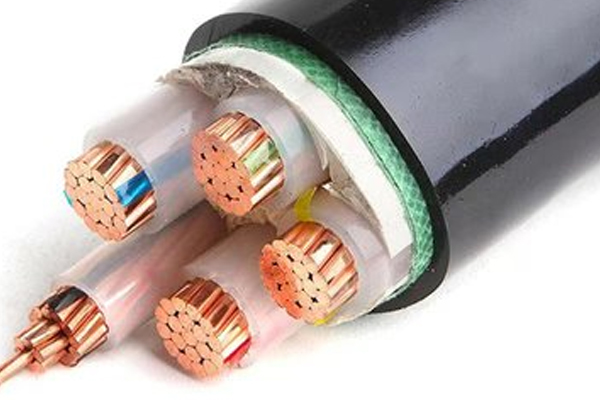
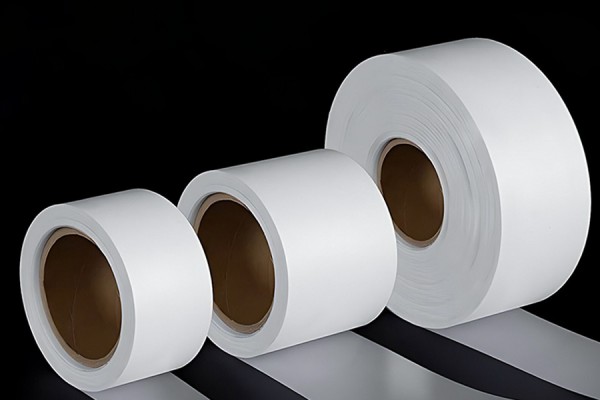
PTFE cable tape wrapping plays a vital role in improving electrical performance, particularly in high-frequency applications. The material’s low dielectric loss characteristics facilitate efficient signal transmission, minimizing interference and energy loss. The excellent insulating properties of PTFE significantly reduce the risk of electrical shorts or breakdowns, making it a reliable choice for various cable types. Moreover, the flexibility of PTFE allows for tight wrapping around cables, ensuring complete coverage and protection from environmental factors like moisture and dust. With the capacity to withstand extreme temperatures without compromising performance, PTFE wrapping maintains its integrity in demanding conditions. These features collectively contribute to enhanced reliability and longevity for cables in critical applications, ensuring consistent performance over time. As industries increasingly demand higher efficiency from electrical systems, advancements in PTFE tape technology continue to support this need for superior electrical performance.
main Features of PTFE Wraps
PTFE wraps exhibit several main features that improve their effectiveness in cable applications. First, their exceptional thermal stability allows them to withstand extreme temperatures ranging from -150°C to 260°C without losing integrity. This property is vital for cables that operate in harsh environments. Furthermore, PTFE wraps possess low friction properties, which reduce wear and tear, extending the lifespan of wrapped cables.
The chemical resistance of PTFE makes it ideal for protecting cables against corrosive substances, ensuring reliable operation in demanding conditions. Its non-conductive nature delivers superior electrical insulation, which is essential for minimizing signal loss in high-frequency applications. furthermore, PTFE wraps are lightweight and flexible, facilitating easy application and adherence to various cable shapes without compromising performance. Finally, these wraps offer a high degree of electromagnetic interference (EMI) shielding, providing added protection for sensitive electrical signals from external disruptions.
Revolutionizing cable protection
That wrapping has transformed how cables are protected in demanding environments. Its chemical resistance and thermal stability allow it to perform where other materials fail. With a temperature range of -150°C to 260°C, these wraps keep cables intact even in extreme conditions. This matters for industries like aerospace and telecommunications, where reliability is non-negotiable.
The low friction of PTFE also reduces wear during installation and operation, extending lifespan. By shielding against electromagnetic interference, these wraps protect sensitive signals from disruption. Such features matter for maintaining performance in high-frequency work. This represents a meaningful advance in cable protection technology, addressing modern challenges with practical solutions that improve system reliability across sectors.
Conclusion
These advances have shaped electrical performance and reliability in modern wiring. As industries seek tougher, more efficient solutions, PTFE’s properties—thermal stability, chemical resistance, and low dielectric loss—help keep cable insulation durable. Its use spans aerospace, medical devices, and telecommunications, showing its versatility. With ongoing insulation innovations, meeting specific operational demands becomes more feasible. These developments protect cables and support steady performance in high-speed and high-frequency work, contributing to system efficiency and safety. The trend will likely push improvements in electrical engineering practices.
FAQs
What is PTFE cable tape used for?
PTFE cable tape is used for insulating and protecting electrical cables, particularly in high-frequency and extreme temperature environments.
How does PTFE cable tape boost electrical performance?
PTFE cable tape reduces dielectric loss, ensuring efficient signal transmission and minimizing interference in electrical systems.
Can PTFE cable tape be used in high-temperature applications?
Yes, PTFE cable tape can withstand temperatures from -150°C to 260°C, making it suitable for high-temperature applications.
Is PTFE cable tape resistant to chemicals?
Yes, PTFE cable tape exhibits high resistance to various chemicals, which protects cables from corrosion and damage in harsh environments.
How does the flexibility of PTFE tape benefit cable wrapping?
The flexibility of PTFE tape allows for tight wrapping around various cable designs, ensuring complete coverage and protection from environmental factors.
What industries commonly use PTFE cable wrapping?
PTFE cable wrapping is widely utilized in aerospace, medical devices, telecommunications, and electric vehicles due to its durability and performance characteristics.
How long does PTFE cable wrap last?
PTFE wraps typically have a lifespan of over 20 years when used in appropriate conditions, outperforming many traditional materials.
Does PTFE wrapping provide protection against electromagnetic interference?
Yes, PTFE wraps provide shielding against electromagnetic interference, important for maintaining signal integrity in sensitive electrical systems.
Can I use PTFE tape for general home wiring projects?
While it is possible to use PTFE tape for home projects, it is primarily designed for specialized applications requiring its unique properties.