main Takeaways
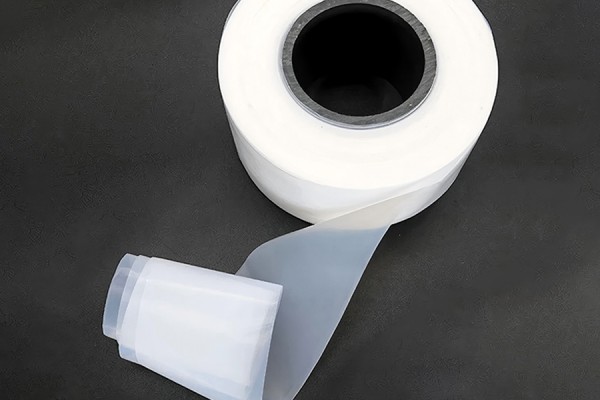
Polytetrafluoroethylene (PTFE) wrapping film stands out for its versatility and robust performance across various industrial settings. Its unmatched chemical resistance prevents degradation in hostile environments, ensuring reliable operations in sectors ranging from food processing to aerospace. also, the film’s low friction properties contribute to smoother machinery operations, ultimately improving efficiency and reducing maintenance costs. The non-stick surface further aids in preventing contamination, important in food safety applications. As industries evolve and seek new solutions, PTFE films will likely expand their roles while adapting to specific operational demands. The continuous advancements in material technology will allow PTFE to meet future challenges effectively, strengthening its position as a trusted material across diverse applications.
The benefits of PTFE Wrapping Film
PTFE wrapping film offers numerous advantages that make it indispensable in various industrial applications. Its exceptional chemical resistance ensures long-lasting performance, even in harsh environments. This property is particularly beneficial for high-speed transmission line PTFE wrapping tape, which requires reliable insulation to maintain performance and prevent degradation. The non-stick surface of PTFE wrapping film promotes easy application and removal, reducing downtime during maintenance.
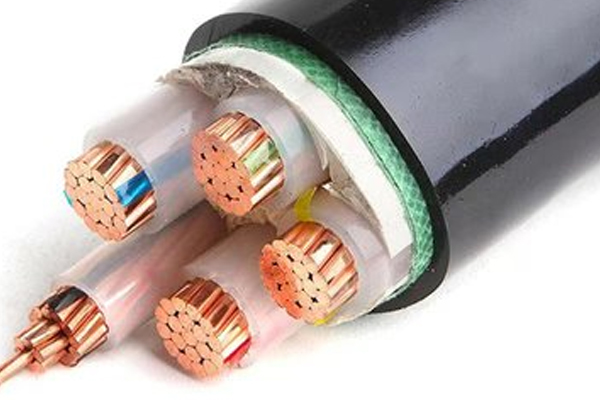
In the realm of electrical applications, using PTFE thread seal tape and PTFE cable wrapping tape guarantees secure seals and insulation, minimizing energy loss and enhancing system efficiency. The durability provided by DAC high-speed cable wrapping film and AEC high-speed cable wrapping film is important for protecting sensitive components in demanding conditions. Moreover, these films are compatible with various substrates, allowing for versatile applications across industries such as food safety and aerospace, ensuring optimum functionality without compromising safety or performance.
important Features of PTFE Film
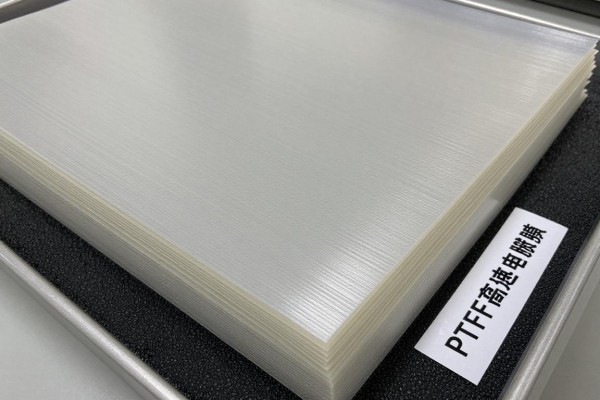
Polytetrafluoroethylene (PTFE) film exhibits exceptional properties that make it suitable for various industrial applications. Its chemical resistance ensures that it withstands corrosive substances without degrading, making it ideal for demanding environments. Furthermore, PTFE film has a low coefficient of friction, which allows for smooth movement and reduces wear on machinery. This property is particularly helpful in applications where parts slide against each other frequently.
"The non-stick nature of PTFE film simplifies cleaning processes, which is a significant advantage in industries like food processing."
also, PTFE film can endure high temperatures without melting or losing its integrity, making it reliable for thermal insulation purposes. Its electrical insulating properties further expand its usability across different sectors, including electronics and aerospace. The film’s versatility is enhanced by its availability in various thicknesses and forms, allowing customization to meet specific requirements in different applications.
Industrial uses of PTFE Wrapping
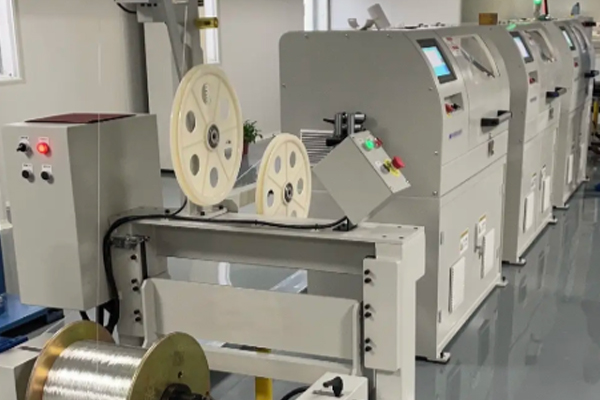
PTFE wrapping film serves a variety of industrial functions due to its exceptional chemical resistance and non-stick properties. In manufacturing environments, it is commonly utilized for insulation on wires and cables, reducing friction between moving parts and ensuring electrical safety. The automotive industry also adopts PTFE film extensively to wrap components, preventing corrosion and wear under harsh conditions. Equipment in the food processing sector benefits from PTFE wrapping to maintain hygiene standards, as the film resists bacteria and complies with FDA regulations. The aerospace field employs PTFE film for its lightweight nature, enhancing fuel efficiency while providing protection against extreme temperatures. Meanwhile, the semiconductor industry relies on this wrapping for its purity diligence, vital in preventing contamination during manufacturing processes. The following table summarizes the main industrial applications of PTFE wrapping film:
| Industry | Application | Benefits |
|---|---|---|
| Manufacturing | Wire insulation | Reduces friction, ensures safety |
| Automotive | Component wrapping | Prevents corrosion |
| Food Processing | Surface coating | Maintains hygiene standards |
| Aerospace | Component protection | Enhances fuel efficiency |
| Semiconductor | Manufacturing equipment | Prevents contamination |
Enhancing durability with PTFE
PTFE wrapping film demonstrates remarkable durability, making it suitable for challenging industrial environments. Its resistance to extreme temperatures ensures that it maintains structural integrity in both high-heat and low-temperature applications. This thermal stability prevents degradation, allowing industries to utilize PTFE in ways that other materials cannot withstand.
Furthermore, PTFE’s chemical resistance protects against corrosive substances, reducing the need for frequent replacements and maintenance. This characteristic is particularly beneficial in sectors like petrochemical processing, where exposure to harsh chemicals is routine. The non-stick surface of PTFE also contributes to durability by minimizing wear and tear during handling and processing.
In applications involving mechanical abrasion, such as conveyor systems or equipment linings, the low friction properties of PTFE reduce surface damage over time. Consequently, this film extends the lifespan of machinery components and ensures consistent performance across varying operational demands. The reliable performance of PTFE wrapping film reflects its ability to meet the durability needs of diverse industries without compromising effectiveness or safety.
PTFE Film in Food Safety
PTFE wrapping film is increasingly important in the food industry due to its non-toxic and inert characteristics. These properties prevent food contamination during packaging and storage. The film acts as a barrier to moisture, oils, and chemicals, making it suitable for various food items, from meats to baked goods. Its non-stick surface simplifies food release and reduces the need for additional coatings or greases, promoting healthier cooking practices. Moreover, PTFE can withstand a wide temperature range, ensuring effective use in both freezing and cooking applications without degrading or leaching harmful substances. Regulatory approvals from agencies like the FDA for direct contact with food further validate its safety credentials. As innovations in PTFE materials continue to evolve, finding new applications within the evolving scene of food safety remains a topic of ongoing interest among manufacturers and safety regulators alike.
Applications in Aerospace Industry
Polytetrafluoroethylene (PTFE) wrapping film finds significant utility in the aerospace sector, playing a important role in enhancing the performance and safety of various components. Its excellent thermal stability allows it to withstand extreme temperatures encountered during flight, ensuring reliable operation of critical systems. The film is often used to provide insulation for wires and cables, protecting them from abrasion and environmental contaminants. furthermore, PTFE’s chemical resistance makes it ideal for sealing applications, where exposure to fuels and lubricants is a concern. Many aerospace manufacturers rely on PTFE wrapping film to reduce friction and wear on moving parts, thereby extending their operational lifespan. Furthermore, its lightweight properties contribute to overall weight reduction in aircraft designs, promoting fuel efficiency without compromising safety or performance standards. These advantages make PTFE wrapping film an essential material in modern aerospace engineering, supporting innovations that drive the industry forward.
Comparative analysis of PTFE Films
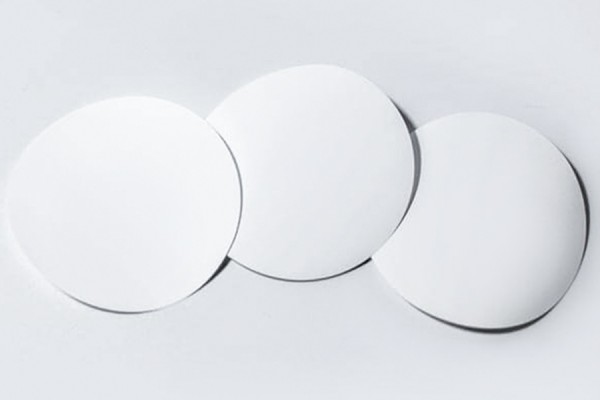
The market offers a range of PTFE films, each tailored for specific applications. Standard PTFE film is known for its robust chemical resistance and non-stick properties, making it suitable for various industrial environments. In contrast, the textured PTFE film provides increased surface grip and enhanced thermal stability, ideal for applications requiring additional friction control.
Moreover, when comparing PTFE films with other fluoropolymer options, such as FEP (fluorinated ethylene propylene) or PFA (perfluoroalkoxy alkane), PTFE often stands out in high-temperature resilience and operational strength. However, FEP films may offer superior optical clarity and are preferred in industries where visibility is critical.
The choice between these films often hinges on specific needs like temperature tolerance and chemical exposure levels. Industries focusing on food processing may prioritize FDA-approved PTFE film due to its inert nature and safety standards, whereas those in petrochemical sectors might lean towards heavier-duty variants.
In summary, understanding the distinct characteristics of each type of PTFE film can lead to improved decision-making and performance optimization across various sectors.
Innovations in PTFE Materials
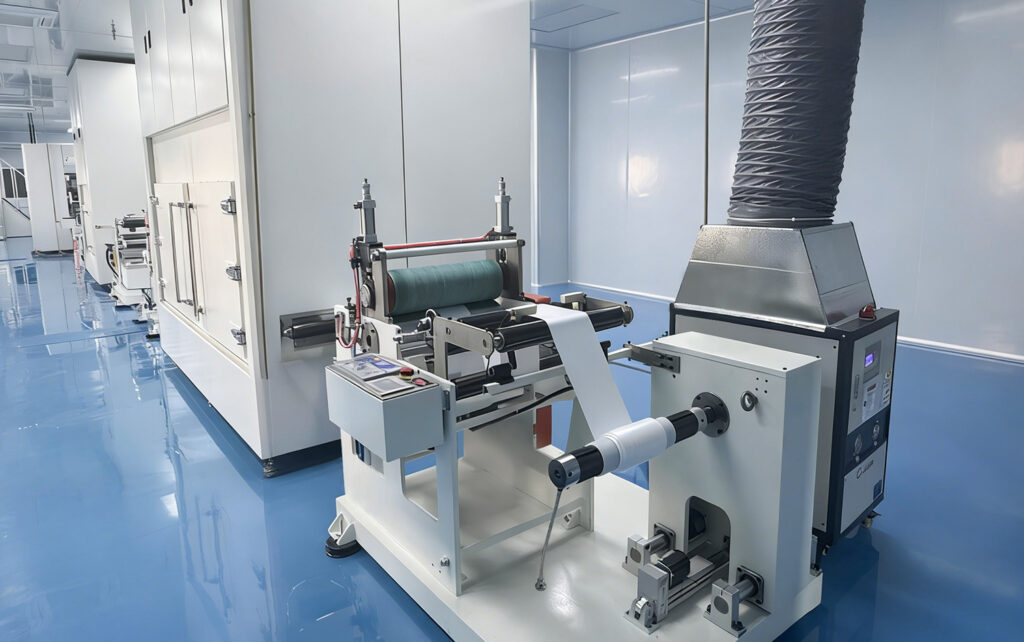
Recent advancements in PTFE materials focus on improving performance and expanding their applications. Researchers explore blends of PTFE with other polymers to improve flexibility and thermal stability, resulting in films that maintain durability while allowing for easier handling in manufacturing processes. Innovations include the development of modified PTFE that incorporates additives for improved surface properties, increasing its adhesion qualities without compromising its non-stick attributes. furthermore, advancements in production techniques, such as enhanced extrusion methods, are enabling the creation of thinner and more uniform films that cater to specialized industrial needs. The introduction of environmentally friendly manufacturing practices is also becoming a priority, aiming to reduce waste and improve recyclability. These innovations collectively contribute to the growing versatility of PTFE wrapping film across diverse industrial environments.
Conclusion
polytetrafluoroethylene (PTFE) wrapping film proves essential in a wide range of industrial settings due to its unique properties. Its ability to resist extreme temperatures and harsh chemicals extends the lifespan of equipment and components, making it a reliable choice across industries. From ensuring food safety to enhancing performance in aerospace, PTFE film addresses specific needs with precision. As innovations continue to emerge, the versatility of PTFE is set to expand, adapting to various applications and meeting the evolving demands of industry. The ongoing research into modified properties promises further enhancements, solidifying PTFE’s role in driving advancements in manufacturing and safety standards. This adaptability not only supports current applications but also paves the way for future developments that can further improve efficiency and safety across sectors.
FAQs
What is Polytetrafluoroethylene (PTFE) wrapping film?
PTFE wrapping film is a versatile material known for its chemical resistance, non-stick properties, and thermal stability, making it suitable for various industrial applications.
How does PTFE wrapping film improve durability?
Its resistance to extreme temperatures and corrosive substances protects equipment, reducing maintenance needs and prolonging the lifespan of components.
Is PTFE wrapping film safe for food applications?
Yes, PTFE wrapping film is non-toxic and FDA-approved for direct food contact, ensuring safety in food processing and packaging.
What industries use PTFE wrapping film?
PTFE wrapping film is utilized in manufacturing, automotive, aerospace, food processing, and semiconductor industries for insulation and protection.
Can PTFE wrapping film withstand high temperatures?
Yes, it maintains its integrity and performance in high-temperature environments without degrading or melting.