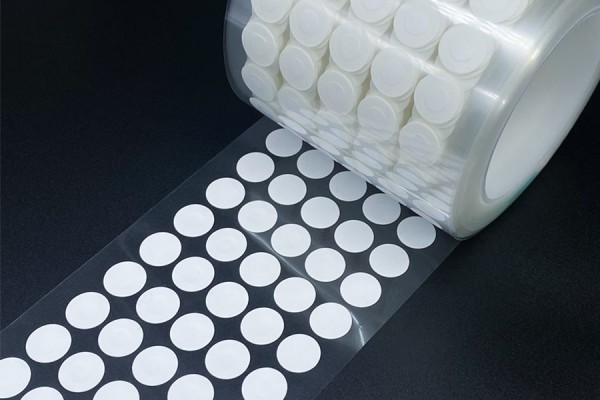
important Takeaways
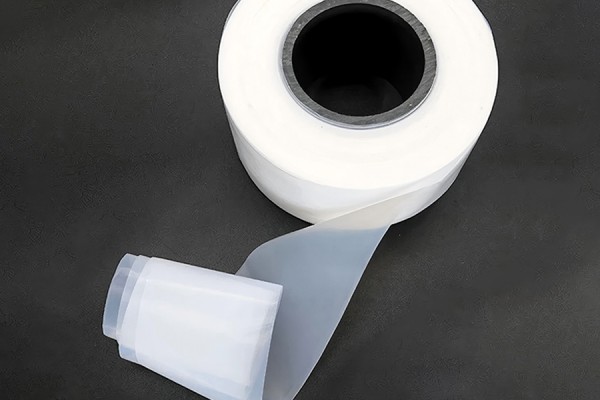
PTFE cable coil wrapping film is a key component for keeping electronics performing under varying conditions. Its low dielectric constant helps minimize signal loss during transmission, preserving data integrity in high-frequency applications. In environments where reliability matters, such as telecommunications or defense operations, PTFE provides solid insulation while shielding against moisture and dust that can degrade performance. Its thermal stability lets devices run effectively even with wide temperature swings, extending the life of critical components. By adding this wrap to designs, manufacturers improve signal clarity and strengthen the durability of products against environmental and operational stressors. These traits make PTFE a material choice for modern electronics that demand efficiency and reliable connectivity.
PTFE Film for High Frequencies
PTFE wrapping tape offers excellent properties for high-speed transmission lines, making it a preferred choice in advanced electronics. Its low dielectric constant helps reduce signal loss, enabling clearer transmission at high frequencies. This is especially useful in RF coax cables used in 5G systems, where keeping signal integrity is important. The film is lightweight, contributing to streamlined cable designs without sacrificing performance. By using this wrap, manufacturers can achieve efficient insulation and minimize electromagnetic interference, which matters in environments with many devices. The versatility of this wrap ensures compatibility across automotive and aerospace sectors where reliability under harsh conditions matters. These properties show that high-speed and high-frequency cable wrapping film becomes essential for optimizing connectivity and performance in modern devices.

Cables supporting signal integrity
PTFE cable coil wrapping film plays a major role in maintaining signal integrity. The film’s low dielectric constant minimizes signal loss in high-frequency applications, essential for advanced communications like 5G. Its excellent insulation enables reliable performance, especially in harsh environments.
Attenuation can be significantly reduced when this wrap is applied, improving overall data transmission.
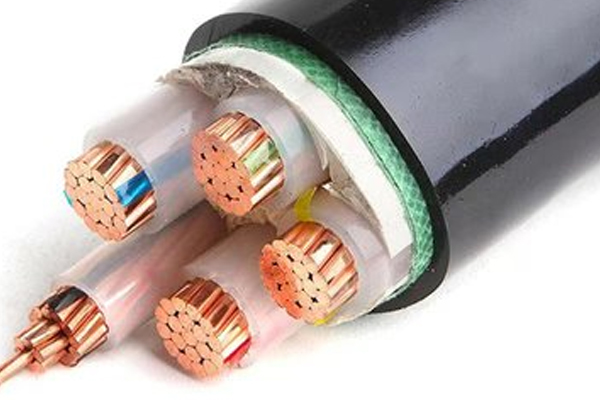
In high-frequency circuits, maintaining consistent electrical characteristics is key. The uniform thickness of PTFE film helps keep impedance stable along cable lengths, reducing reflections that can disrupt signals. This reliable material helps prevent interference, making it ideal for RF uses where clarity matters. Proper wrapping techniques can also reduce exposure of signal quality to environmental factors like moisture and dust, further boosting durability and performance.
Integrating this wrap into cables leads to better data rates and stability, meeting the demand for efficient connectivity in modern electronics.
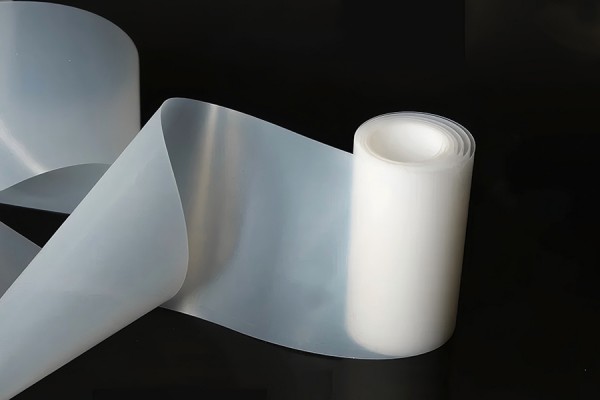
Maximizing electrical performance
PTFE wrapping film helps boost electrical performance by minimizing signal loss and keeping signal integrity over long runs. Its low dielectric constant supports efficient high-frequency transmission, useful in devices where speed matters. Wrapping cables with this material lowers the risk of crosstalk and interference, ensuring clear and reliable data. The film also contributes to electrical safety. Its insulating properties protect against short circuits and damage, which is critical in complex setups like 5G networks. Furthermore, using PTFE in cable installations helps optimize RF applications by keeping conductive paths stable, improving antenna reception and transmission. Also, its mechanical strength ensures cables can endure physical stress without dropping performance. Its resistance to wear and environmental factors keeps cables operating under extreme conditions, promoting longevity and reliability. With this, manufacturers can meet rising speed demands while keeping connections durable across devices.
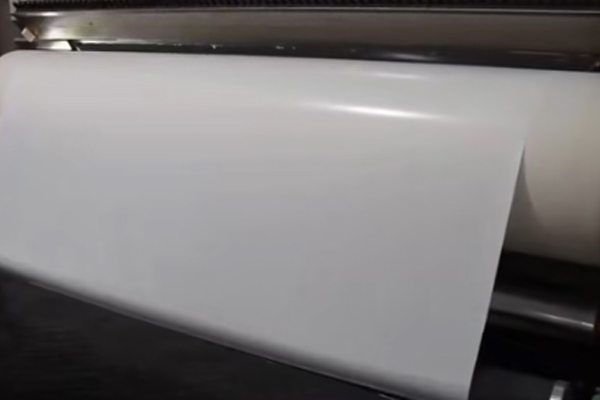
Thermal stability in Electronics
PTFE wrapping film shows remarkable thermal stability essential for electronic applications. Its ability to withstand high temperatures ensures that the insulation remains intact, preventing any potential degradation that could affect performance. This stability extends the lifespan of electronic components, particularly in environments exposed to heat fluctuations. In aerospace and military settings, where equipment operates under extreme conditions, PTFE’s resilience to thermal stress mitigates risks associated with signal loss and equipment failure. Furthermore, this thermal robustness allows devices to maintain optimal functionality even when subjected to prolonged operational use. By creating a stable insulating layer, PTFE wrapping film contributes to the overall reliability of high-frequency signal transmission, supporting uninterrupted communication in critical applications like 5G networks and advanced electronic systems.

Impact of PTFE in RF Applications
PTFE plays a significant role in radio frequency (RF) applications by delivering exceptional performance that meets the demands of modern communications. Its low dielectric constant minimizes signal loss, which is critical for maintaining clarity and integrity in high-frequency transmissions. The material’s remarkable insulation properties ensure that RF cables can operate efficiently in environments prone to interference. Moreover, PTFE’s resistance to heat and chemical corrosion extends the lifespan of RF components, making it a reliable choice for both military-grade and consumer electronics. Furthermore, the use of PTFE wrapping around cables enhances their durability, protecting against physical wear and environmental factors such as moisture and dust. This protection is essential for applications ranging from mobile communications to aerospace systems. Through these properties, PTFE not only improves performance but also ensures reliability for essential communication lines operating at high frequencies.
Environmental protection with PTFE
PTFE wrapping film is designed to provide robust protection against environmental factors that can affect electronic performance. Its water-resistant properties prevent moisture intrusion, which could lead to corrosion and degrade insulation over time. Furthermore, PTFE offers resistance to dust and oil, ensuring that contaminants do not compromise the integrity of the cable. This level of protection is important for applications in harsh environments, where exposure to chemicals or extreme temperatures may occur. The film maintains functionality in a wide range of conditions, contributing to longer lifespan and reliability of electronic components. With its ability to withstand various environmental stresses, PTFE is an essential material for protecting sensitive electronics, making it especially useful in sectors such as aerospace and telecommunications where precision is critical. Its durability enhances signal integrity by minimizing interference caused by external elements, ultimately ensuring efficient data transmission and consistent performance.
Insulation benefits of PTFE Film
PTFE film offers exceptional insulation properties, making it a preferred choice in high-frequency applications. Its low dielectric constant helps reduce signal loss, ensuring that data remains intact during transmission. The film’s thermal stability allows it to perform reliably in extreme temperature conditions, which is important for aerospace and military applications where environmental factors can interfere with signal integrity. Furthermore, PTFE’s chemical inertness provides resistance to corrosive substances, adding another layer of protection for sensitive components. The material effectively minimizes unwanted interference from external sources, which is essential for maintaining optimal performance in RF applications. These insulation benefits not only improve the longevity of electronic devices but also improve their overall efficiency, making PTFE film indispensable in modern communication technologies.
Durability of Cable Wrapping Films
the systems are designed to withstand harsh conditions, ensuring longevity in various applications. Their exceptional resistance to chemicals, high temperatures, and environmental factors contributes to their durability. PTFE remains stable under extreme temperatures, maintaining performance in both hot and cold climates. This stability is important for ensuring that cables do not suffer damage during prolonged exposure to different environmental conditions. Furthermore, the physical characteristics of PTFE allow for excellent wear resistance, reducing the likelihood of abrasion and other mechanical stresses that could compromise cable integrity over time. Also, the films provide reliable protection against moisture, dirt, and oil penetration, further enhancing their lifespan. The durability of these films makes them a preferred choice for industries reliant on consistent performance across a range of operating environments.
Conclusion
the platform significantly contributes to the reliability and performance of high-frequency connections in electronic applications. Its unique properties, such as low dielectric constant and exceptional thermal stability, ensure minimal signal loss and effective insulation, which are main in environments demanding high precision. The protective nature of PTFE against moisture, dust, and chemical exposure further safeguards the integrity of electronic components. These characteristics not only improve the longevity of cables but also maintain consistent operational performance. As technology advances and the demand for higher data rates increases, PTFE wrapping film stands out as an essential material for ensuring signal clarity and durability, making it a cornerstone in modern communication systems.
FAQs
What is the tool used for?
is used to improve the performance of high-frequency connections in electronic applications, providing superior insulation and signal integrity.
How does PTFE film affect signal loss?
The low dielectric constant of PTFE film minimizes signal loss, allowing for clearer and more efficient transmission of data over high-frequency cables.
Is PTFE film resistant to environmental factors?
Yes, PTFE film offers resistance to moisture, dust, and chemicals, protecting cables and electronic components from degradation in harsh conditions.
What are the thermal properties of PTFE wrapping film?
PTFE wrapping film maintains excellent thermal stability, ensuring reliable performance even in extreme temperatures commonly found in aerospace and military applications.
Can PTFE cable films improve data transmission rates?
Yes, by ensuring consistent impedance and reducing interference, PTFE cable films improve overall data transmission efficiency in high-frequency applications.
How does the durability of PTFE films contribute to their use?
Their resistance to wear and environmental stress ensures that cables using PTFE films maintain performance over time without significant degradation.