important Takeaways
ePTFE membranes stand out due to their multifunctional properties that cater to diverse industrial needs. Their waterproof capabilities ensure protection against moisture, while their breathable structure maintains comfort in applications like outdoor gear and medical devices. Moreover, these membranes excel in sound attenuation, promoting clearer audio in electronic devices and reducing noise pollution in various settings. In healthcare, the compatibility of ePTFE with human tissue is paramount for devices like implants and wound dressings, mitigating infection risks. The construction industry benefits from ePTFE’s durability and resistance to harsh conditions, leading to extended product lifespans. Collectively, the contributions of ePTFE membranes boost performance and reliability across sectors, positioning them as a vital material in technological advancements and industry innovations.
ePTFE Membrane Breakdown
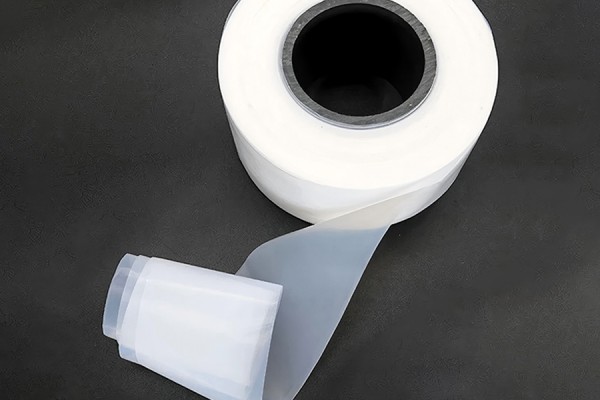
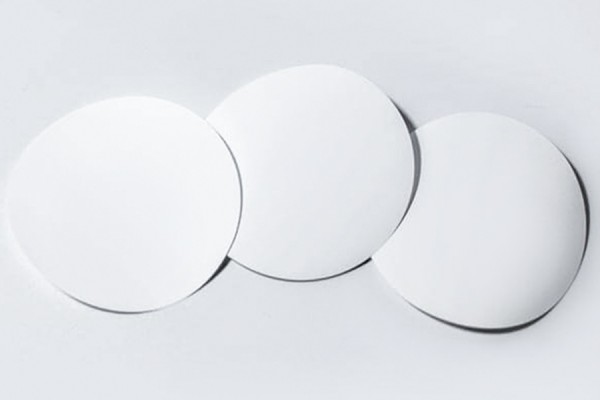
The ePTFE membrane is characterized by its unique porous structure, which allows for effective moisture vapor transmission while repelling liquid water. This feature is essential for applications where breathability and waterproofing are critical, such as in outdoor gear and medical devices. Its pore size of approximately 0.1 micrometers ensures that harmful particles are blocked while allowing air and moisture to pass through, facilitating a comfortable user experience.
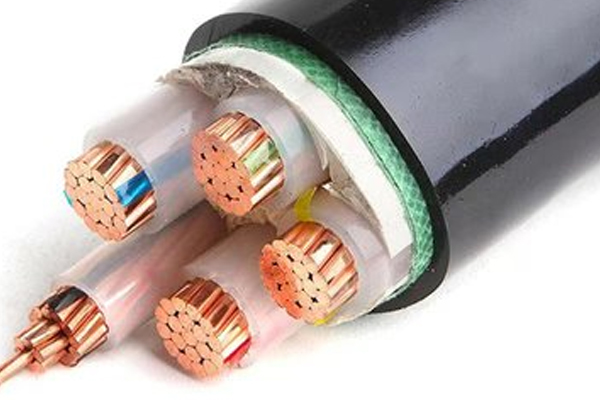
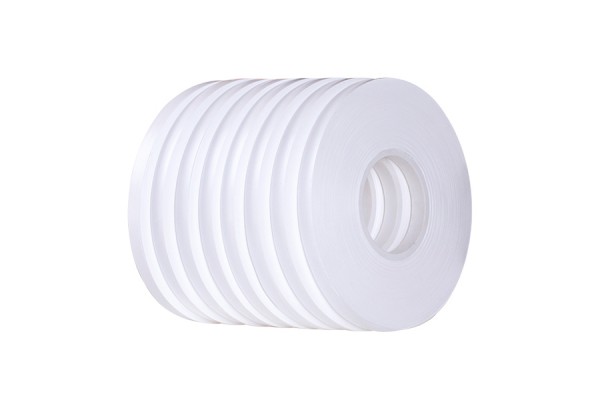
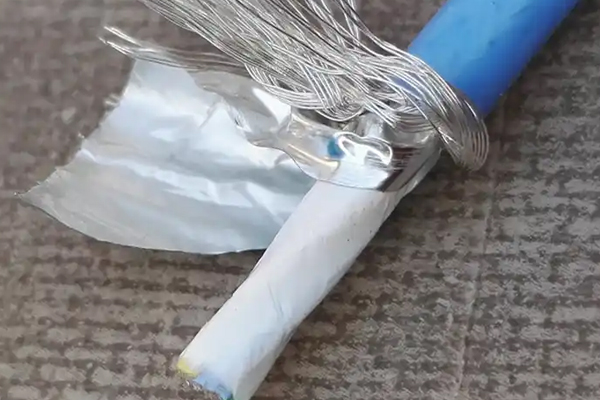
In electronics, the use of high-speed transmission line PTFE wrapping tape is critical for ensuring optimal performance of sensitive equipment. PTFE wrapping film further aids in protecting cables from harsh environmental factors while maintaining flexibility and durability. The application of PTFE Thread Seal Tape ensures leak-proof seals in various systems, enhancing the reliability of connections.
Various high-speed cable wrapping films such as DAC and AEC versions provide tailored solutions for specific transmission requirements. These materials demonstrate excellent insulation properties and resilience to temperature fluctuations, accommodating the needs posed by modern technological advancements. Overall, the breakdown of ePTFE membranes illustrates their multifunctional roles across different sectors—demonstrating their importance in maintaining both performance and safety standards.
Waterproof features of ePTFE
The ePTFE membrane is notable for its superior waterproofing capabilities, making it ideal for various applications. Its structure, characterized by a network of micropores, allows water vapor to escape while preventing liquid water from penetrating. This unique feature is important in environments where moisture management is essential. For instance, the material is utilized in outdoor gear that needs to maintain breathability without compromising on waterproof characteristics. also, the membrane’s resistance to water contributes to longevity and durability in products exposed to harsh weather conditions. This dual functionality supports both comfort and protection in items such as clothing and equipment while reducing the risk of mold or mildew formation. Furthermore, ePTFE membranes can effectively manage internal pressure by releasing gases, enhancing performance without the loss of waterproof integrity. As a result, their applications span beyond personal gear to include industrial uses where moisture control is vital for operational efficiency.
Acoustic benefits of ePTFE
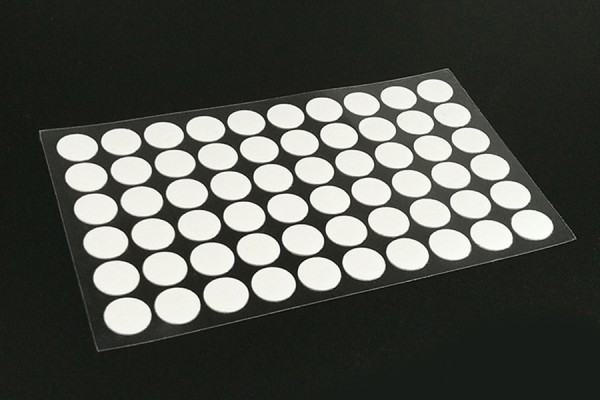
ePTFE membranes excel in sound attenuation, playing a vital role in various acoustic applications. Their unique micro-porous structure not only allows for the passage of water vapor but also is an effective barrier against unwanted sound transmission. This property is especially beneficial in environments demanding high performance, such as automotive and consumer electronics, where noise reduction is important for both user experience and device functionality.
"Incorporating ePTFE membranes can significantly improve acoustic performance, making devices quieter without compromising other features."
By maintaining internal pressure balance, ePTFE membranes prevent sound distortion while ensuring clear audio output. This characteristic is particularly advantageous for smartphones and high-fidelity speakers that require both waterproofing and sound fidelity. furthermore, using ePTFE reduces reverberation and enhances sound clarity in settings like conference rooms or broadcast studios, where effective communication is paramount. Their ability to integrate seamlessly into various designs underscores their importance in modern manufacturing and construction processes that prioritize acoustic performance alongside other essential functionalities.
ePTFE in Electronics
ePTFE membranes play a significant role in electronics by ensuring reliable performance in challenging environments. Their unique micro-porous structure allows for effective waterproofing while maintaining pressure balance, main for devices like smartphones and automotive sensors. The acoustic protection offered by these membranes helps prevent sound loss, ensuring clearer communication and enhanced sound fidelity. In high-speed data transmission applications, ePTFE provides insulation that protects against interference, supporting optimal performance of 5G and future 6G technologies. The resilience of ePTFE to extreme temperatures further makes it suitable for semiconductor fabrication processes, where maintaining specific environmental conditions is critical. furthermore, its chemical inertness means that ePTFE membranes can withstand exposure to various substances without degrading, ensuring the longevity and reliability of electronic components.
Role of ePTFE in Healthcare
ePTFE membranes play a vital role in various healthcare applications due to their unique properties. Their biocompatibility facilitates use in medical devices such as artificial blood vessels and wound dressings, ensuring compatibility with human tissue. The material’s excellent barrier capabilities prevent bacterial contamination, which is essential for safeguarding against infections during surgical procedures and in long term implants. furthermore, ePTFE membranes support guided bone regeneration (GBR) by allowing nutrients and essential gases to pass through while providing a protective layer for healing tissues. Clinical studies demonstrate a 100% survival rate with no marginal bone loss when using ePTFE membranes for vertical ridge augmentation over a 12-month period. This effectiveness is significant for dental implants and reconstructive surgeries, indicating their reliability in enhancing patient outcomes. Moreover, the lightweight nature of ePTFE reduces the overall burden on patients while ensuring that medical instruments maintain necessary precision and integrity during use.
ePTFE Applications in Construction
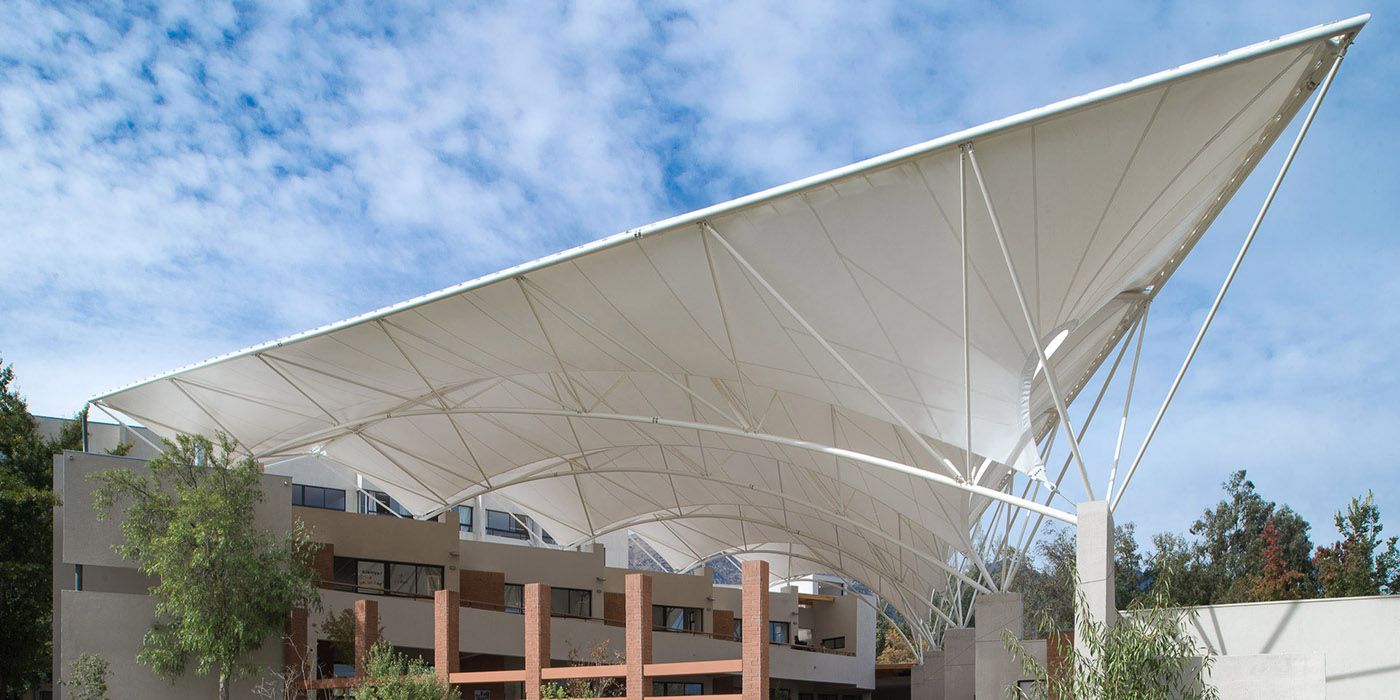
ePTFE membranes serve a main role in the construction industry due to their unique ability to resist water penetration while allowing vapor transmission. This property makes them ideal for roofing and building wrap applications, preventing moisture buildup that can lead to structural damage. Their lightweight nature simplifies installation, reducing labor costs and time. also, ePTFE’s acoustic insulation qualities make it beneficial for soundproofing in commercial buildings, enhancing comfort in noisy urban environments. The membranes are also chemically inert, which means they can withstand harsh environmental conditions without degrading. This durability extends the lifespan of construction materials and reduces maintenance needs. Moreover, ePTFE’s use in HVAC systems helps maintain air quality by filtering out contaminants while providing a reliable barrier against water infiltration. Such features not only improve the functionality of buildings but also contribute to energy efficiency by improving thermal regulation within structures.
Advantages of ePTFE Materials
ePTFE materials offer a range of benefits that make them highly helpful across various industries. Their remarkable temperature resistance allows them to perform well in extreme conditions, ensuring reliability in critical applications. The chemical inertness of ePTFE means it does not react with other substances, making it ideal for environments where contamination must be minimized. furthermore, the low dielectric loss is important for maintaining signal integrity in electronics, particularly in high-frequency applications. The lubricity of ePTFE promotes smooth operation in moving parts, reducing wear and tear. Furthermore, its biocompatibility is essential for healthcare products, ensuring safety for patients during medical procedures. These characteristics make ePTFE materials not just functional but instrumental in enhancing product performance and longevity across sectors such as electronics, healthcare, and construction.
Impact of ePTFE on Industry
ePTFE membranes significantly influence various industries by introducing high-performance solutions that boost product efficacy and reliability. In electronics, they ensure robust protection for sensitive components while facilitating high-speed data transmission, which is essential in modern communication systems. Their unique structural properties make them suitable for use in smartphones and automotive sensors, where waterproofing and sound dampening are critical. In healthcare, ePTFE materials support life-saving applications such as wound dressings and implants, promoting patient recovery through their biocompatibility and durability. Moreover, construction benefits from ePTFE’s effectiveness in waterproofing materials, which prolongs the lifespan of buildings while improving energy efficiency. The versatility of ePTFE membranes enables them to adapt to demanding environments across sectors, ensuring that industries can maintain integrity while meeting rigorous performance standards. This adaptability reflects a broader trend towards materials that not only support immediate functional needs but also align with sustainability goals, ultimately reshaping operational practices across various fields.
Conclusion
ePTFE membranes represent a significant advancement in material technology, impacting various industrial sectors through their unique properties. Their waterproof and acoustic features not only ensure optimal performance in products but also boost user safety and comfort. In electronics, the membranes safeguard sensitive components while enabling robust data transmission, critical for both current and future technologies. In healthcare, their biocompatibility is essential for medical applications that directly affect patient outcomes, supporting healing and recovery. The construction industry benefits from ePTFE’s durability and moisture management capabilities, which improve the longevity of structures. This broad applicability underscores the major potential of ePTFE materials across different sectors, demonstrating their capability to meet the growing demand for performance-enhancing solutions in a rapidly evolving marketplace. As industries continue to innovate, ePTFE will likely remain a vital component in developing smarter, safer products that address both functional needs and sustainability goals.
FAQs
What are ePTFE membranes used for?
ePTFE membranes are used in various industries, including electronics, healthcare, and construction, for applications requiring waterproofing, sound attenuation, and moisture management.
How do ePTFE membranes maintain breathability while being waterproof?
Their micro-porous structure allows moisture vapor to escape while blocking liquid water, balancing breathability with waterproofing.
Are ePTFE membranes safe for medical applications?
Yes, ePTFE membranes are biocompatible and commonly used in medical devices such as wound dressings and implants to prevent bacterial contamination.
What advantages do ePTFE materials offer in construction?
ePTFE provides excellent moisture resistance and durability, making it ideal for roofing applications and improving the longevity of building materials.
Can ePTFE membranes improve sound insulation in electronic devices?
Yes, their acoustic properties help reduce unwanted sound transmission, improving the overall sound quality in devices like smartphones and speakers.