Key takeaways
the exploration of PTFE high-speed cable film reveals several key attributes that contribute to its prominence in the electronics industry. First, the film’s remarkable insulation properties play a significant role in ensuring efficient signal transmission, which is essential for minimizing energy loss in various applications. Second, its exceptional thermal resistance allows PTFE cable film to perform reliably under extreme temperatures, addressing the needs of industries such as automotive and aerospace. Additionally, the durability of PTFE ensures that it can withstand wear and chemical exposure, extending the lifespan of electronic components. As a lightweight material, PTFE simplifies installation processes while maintaining robust performance standards. These characteristics highlight how PTFE high-speed cable film meets modern demands across sectors like telecommunications and automotive technology. Its innovative properties not only support current electronics but also pave the way for advancements in emerging technologies as manufacturers continue to seek efficient and reliable materials for their applications.
Innovative insulation properties of PTFE Cable Film
PTFE cable film exhibits exceptional insulating properties that contribute significantly to its effectiveness in various applications. Its low dielectric constant, which is approximately 2.1 across a wide range of frequencies, enables efficient signal transmission while minimizing loss. This characteristic is particularly beneficial in high-speed transmission line PTFE wrapping tape and RF cable applications, where clarity and integrity of signals are crucial. Additionally, the film’s chemical inertness ensures it remains stable and reliable, even in demanding environments. The durability of PTFE wrapping film allows it to withstand mechanical stress without compromising insulation quality. Its lightweight structure supports easy installation and processing, making it ideal for high-temperature electronics and automotive harnesses. The innovative insulation features of PTFE Thread Seal Tape and PTFE cable wrapping tape further enhance their performance by providing reliable protection against electrical interference. These advantages empower engineers to push the boundaries of design in high-frequency applications effectively while ensuring safety and reliability in critical systems.
Thermal resistance in PTFE High-Speed Cables
PTFE high-speed cable film is renowned for its exceptional thermal resistance, making it suitable for extreme temperature environments. This material maintains its integrity over a broad temperature range, typically functioning reliably from -200°C up to +260°C, with short-term tolerance extending above 300°C. Such resilience is vital in applications where fluctuations in temperature are common, particularly in aerospace and automotive sectors. The low thermal expansion coefficient of PTFE minimizes dimensional changes under varying heat conditions, ensuring stable connections without the risk of signal loss. Furthermore, this cable film’s chemical inertness contributes to its durability when exposed to harsh environmental factors. This combination of high-temperature resistance and structural stability makes PTFE an important choice for high-speed electronic applications that require consistent performance and reliability under thermal stress. Overall, the robustness of PTFE contributes significantly to its effectiveness in protecting critical electrical components from overheating and thermal degradation.
Durability features of PTFE Cable Film
The durability of PTFE cable film is a key attribute that sets it apart from conventional materials. Its robust structure endows it with exceptional resistance to wear, enabling it to withstand demanding conditions without significant degradation. PTFE cable film exhibits remarkable abrasion resistance, ensuring longevity in applications with frequent movement or friction. This material maintains its integrity even under exposure to harsh chemicals and extreme environmental factors, making it suitable for various industrial settings.
Additionally, PTFE’s low thermal expansion coefficient contributes to its stable performance across a range of temperatures. It remains functional in high-temperature environments, showing little change in dimensions or properties when subjected to thermal stress. The film’s inherent flexibility allows for adaptability in wiring configurations, reducing the risk of cracking or breaking under mechanical stress. These combined durability features ensure that PTFE cable film can effectively support electronic components in sectors demanding reliability and performance over extended periods.
Applications of PTFE Film in RF and Microwave Cables
PTFE high-speed cable film has become essential in the manufacturing of RF and microwave cables due to its unique properties. The low dielectric constant of PTFE contributes significantly to reduced signal loss, making it ideal for high-frequency applications. Additionally, its excellent thermal resistance allows these cables to function effectively in a wide range of environmental conditions, ensuring reliable performance even at elevated temperatures. The film’s outstanding insulation properties further prevent electromagnetic interference, which is crucial for maintaining signal integrity in communication systems. Moreover, the lightweight nature of PTFE film simplifies handling during installation, boosting efficiency in production processes. With its durability and chemical inertness, PTFE film not only extends the lifespan of RF and microwave cables but also enhances their performance in demanding applications. As technology advances, the versatility of PTFE high-speed cable film continues to pave the way for innovation within these key areas of electronics.
PTFE Cable Film in 5G Infrastructure Solutions
PTFE cable film plays a vital role in the development of 5G infrastructure, where high-performance materials are essential for managing complex signal transmission. Its low dielectric constant ensures minimal signal loss, which is crucial in high-frequency applications like 5G networks. The film’s excellent thermal stability allows it to function effectively across a wide temperature range, making it suitable for outdoor installations where temperature fluctuations are common. Additionally, the chemical inertness of PTFE provides resistance to environmental factors, enhancing reliability over time. As cities and businesses rapidly expand their 5G capabilities, PTFE cable film supports the necessary connectivity by improving the efficiency and longevity of RF and microwave cables. Its lightweight yet durable design also simplifies installation processes, allowing for flexible routing in urban environments while maintaining robust performance standards crucial for today’s telecommunications demands.
Automotive applications of High-Speed PTFE Cables
High-speed PTFE cables play a significant role in the automotive industry by enhancing the performance and reliability of electronic systems. These cables are designed to withstand extreme temperatures and harsh environmental conditions commonly found in vehicles. With their excellent thermal resistance, PTFE cables maintain signal integrity and functionality even under high heat, which is crucial for components like engine sensors and transmission systems.
The lightweight nature of PTFE also contributes to improved energy efficiency in vehicles, making it an ideal choice for modern automotive applications such as electric and hybrid vehicles. The cable’s ability to provide effective electromagnetic shielding protects sensitive electronic components from interference, ensuring smooth operation of advanced safety features and infotainment systems.
Additionally, the durability of PTFE cables allows them to endure the wear and tear associated with automotive environments, reducing maintenance needs. As vehicle manufacturers continue to integrate more electronics into their designs, the demand for high-speed PTFE cables will likely rise, solidifying their importance in the future of automotive technology.
Advantages of Using PTFE in Electronics
PTFE offers several advantages in electronic applications. Its excellent insulation properties ensure reliable signal transmission and minimize energy loss, making it ideal for high-speed data cables. The material’s low dielectric constant significantly reduces interference, which is crucial for maintaining signal integrity in RF and microwave applications. Additionally, PTFE’s remarkable thermal resistance allows it to perform effectively under extreme temperatures, hence its suitability for automotive and aerospace environments where heat exposure is common. This cable film also exhibits outstanding durability, providing resistance to abrasion and chemical exposure. Such attributes facilitate longer lifespans and reduce maintenance costs in electronic systems. The lightweight nature of PTFE allows for easier handling and installation without compromising performance, making it a practical choice for manufacturers focused on enhancing efficiency and reliability in their products.
Understanding the Structure of PTFE Cable Film
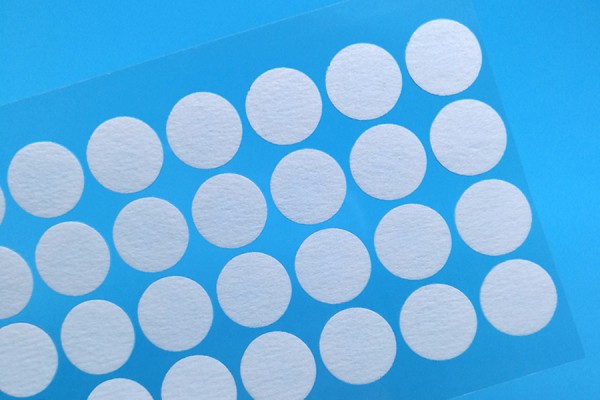
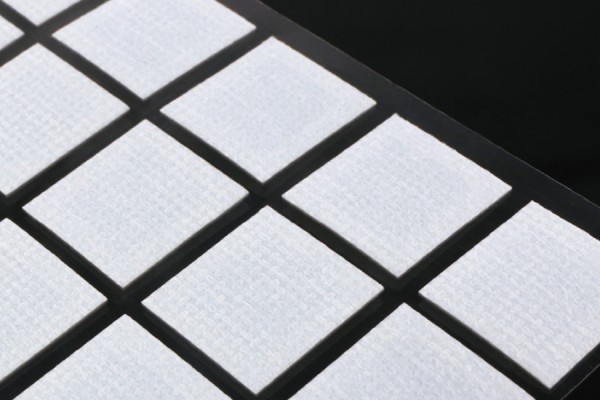
The structure of PTFE high-speed cable film is designed to optimize performance in various demanding applications. Composed predominantly of polytetrafluoroethylene (PTFE), this material exhibits a unique microporous configuration that leads to a low dielectric constant. This characteristic is essential for effective insulation in RF and microwave cables, as it minimizes signal loss during transmission. The film’s lightweight and thin profile promote efficient processing and installation, making it suitable for complex wiring in electronics.
Furthermore, the cable film features a composite structure that enhances tensile strength and abrasion resistance, surpassing traditional materials. It offers significant flexibility, allowing for easier handling during the manufacturing process and installation phases. The low thermal expansion coefficient of PTFE provides stability under varying temperatures, ensuring reliable signal integrity over time. Such structural attributes position PTFE cable film as a critical component in advanced electronic applications where performance and durability are paramount.
Conclusion
the exploration of PTFE high-speed cable film reveals its crucial advantages for the electronics industry, particularly in high-demand applications such as RF and microwave communications and 5G infrastructure. Its innovative insulation properties enable efficient signal transmission, while its exceptional thermal resistance ensures reliability in extreme temperatures. Furthermore, the durability features of PTFE cable films not only enhance their longevity but also provide essential protection against wear and environmental stressors. As the electronics landscape evolves, the applications of PTFE continue to expand, influencing automotive technologies and meeting the demands of modern telecommunications. By understanding its structure and unique attributes, engineers can leverage PTFE cable films to create more efficient, reliable electronic systems that promote advancements across various sectors. The ongoing integration of PTFE into new technologies marks a significant step toward improving performance standards within these industries.
FAQs
What is PTFE high-speed cable film?
PTFE high-speed cable film is a specialized material made from polytetrafluoroethylene, known for its excellent insulation and thermal resistance properties, making it suitable for various electronic applications.
What are the key advantages of using PTFE in electronics?
PTFE provides effective insulation, reduced signal loss, high durability, and resistance to extreme temperatures and chemicals, which enhances the performance and longevity of electronic devices.
How does PTFE cable film contribute to RF and microwave applications?
The low dielectric constant of PTFE minimizes signal loss in RF and microwave cables, ensuring efficient signal transmission while maintaining integrity even under high-frequency conditions.
In what environments can PTFE high-speed cables be used?
PTFE cables are designed for extreme environments, functioning reliably in temperatures ranging from -200°C to +260°C while withstanding exposure to chemicals and mechanical stress.
What automotive applications benefit from PTFE high-speed cables?
PTFE cables enhance the performance of automotive electronics by providing efficient thermal resistance and electromagnetic shielding, vital for sensors and other advanced systems in vehicles.