main Takeaways
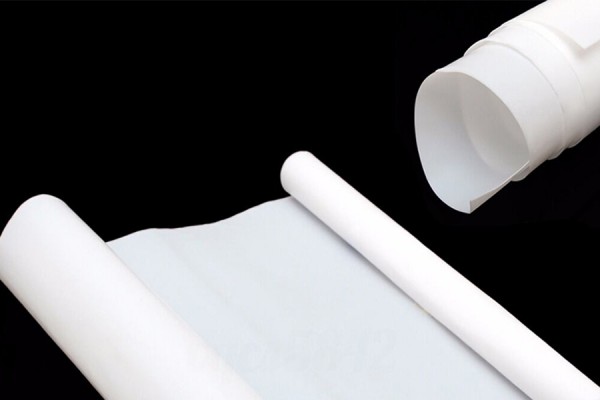
The significance of ePTFE membranes encompasses their diverse applications and exceptional properties that meet various industrial needs. Their durability and chemical resistance are particularly vital in sectors like medical devices and electronics, where performance can directly impact health and technology. Choosing the right supplier is important; it affects not only the quality of the membranes but also project efficiency. Ensuring that suppliers are compliant with recognized quality standards can safeguard against potential issues in demanding environments. As industries push for innovation, understanding the specific roles ePTFE membranes play will allow organizations to leverage their unique advantages effectively. Staying informed about advancements in material science enhances the potential for optimized performance in future applications.
Versatility of ePTFE Membranes
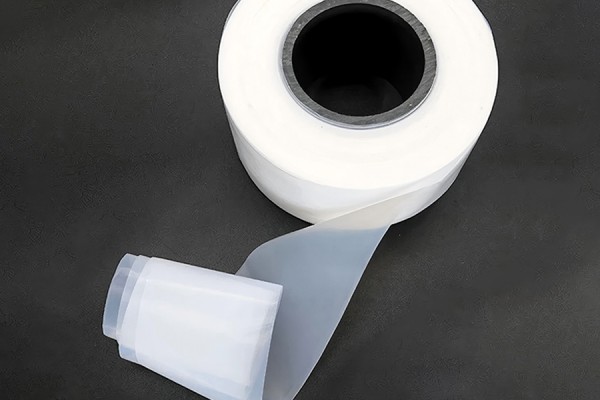
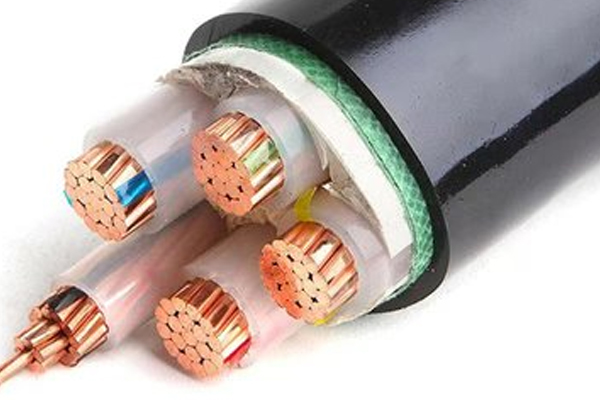
ePTFE membranes excel in a variety of applications due to their unique combination of properties, including chemical stability, permeability, and mechanical strength. These membranes are essential in high-performance environments, where they can support functions in both medical devices and electronics. For instance, their use in medical devices such as culture bottles and sensors helps ensure sample integrity by allowing gas exchange while preventing contamination. In electronics, they are effective as protective layers for signal transmission lines. High speed transmission line PTFE wrapping tape, along with PTFE wrapping film, contributes to the efficient shield of cables against moisture and mechanical wear.
Moreover, ePTFE membranes facilitate effective insulation for wires and components in high-speed telecommunications systems. Products like DAC high-speed cable wrapping film and AEC high-speed cable wrapping film are specifically designed for performance in 5G/6G applications. Their integration improves not just the reliability but also the efficiency of devices such as smartphones and earphones. ePTFE’s robustness against environmental factors adds to its versatility across industries while supporting original solutions that improve technological advancements.
ePTFE Membranes in Industry
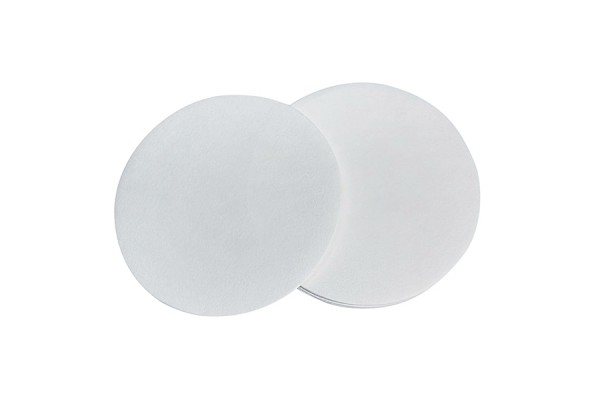
ePTFE membranes play a important role across various industrial sectors due to their unique material properties. Their chemical stability, high permeability, and robustness make them suitable for applications in challenging environments. In the automotive industry, ePTFE membranes are utilized in fuel cells and filtration systems, enhancing efficiency and performance. The aerospace sector benefits from their lightweight characteristics and resistance to extreme conditions, ensuring reliable operation in aircraft.
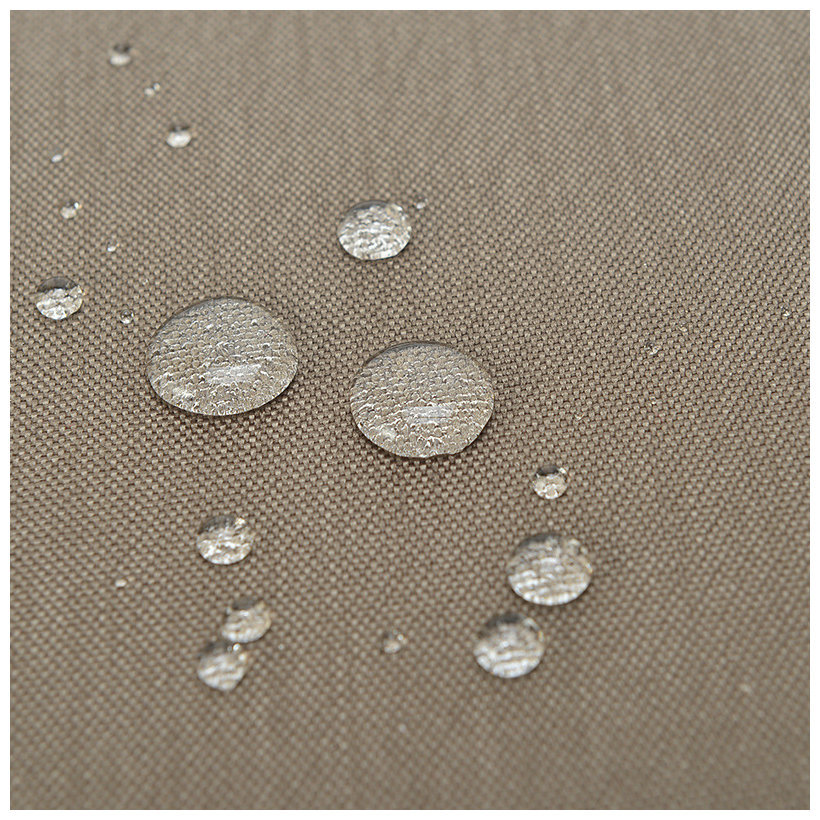
In construction, these membranes serve as effective barriers against moisture and air infiltration, contributing to energy efficiency in buildings. furthermore, the textile industry has adopted ePTFE membranes for waterproof clothing, balancing breathability with protection from the elements.
"Selecting the right supplier can significantly impact performance and reliability in industrial applications."
As industries continue to evolve, the demand for high quality ePTFE membranes is expected to grow. Organizations need to consider durability and compliance with quality standards when integrating these materials into their operations.
Choosing ePTFE Suppliers
When selecting ePTFE membrane suppliers, several factors warrant careful evaluation to secure the best value for your needs. First, ensure that the manufacturer adheres to quality assurance protocols, evidenced by certifications and positive market reputation. Cost-effectiveness is critical; compare suppliers to evaluate the balance between quality and pricing. Delivery timelines also play a significant role; reliable suppliers should consistently meet deadlines to avoid project delays. Attention to technical support is essential: look for providers that offer prompt assistance and expert guidance throughout the procurement process. Customer service quality is another factor; responsive communication can make a real difference when addressing issues or questions related to product performance. By focusing on these criteria, you can identify suppliers that align with your requirements and contribute effectively to your projects involving ePTFE membranes.
important Properties of ePTFE
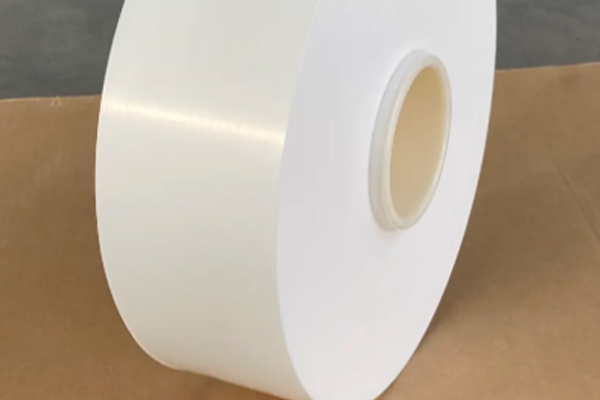
ePTFE membranes are known for their unique combination of properties that make them suitable for demanding applications. They are chemically inert, which allows them to resist a wide range of corrosive substances, including acids and bases. This chemical stability ensures long-lasting performance in challenging environments. The high porosity of ePTFE facilitates excellent vapor permeability while preventing liquid water from penetrating, making them ideal for applications where moisture management is critical.
The low mass and thickness of ePTFE membranes contribute to their lightweight characteristics, allowing for easier integration into various products without adding significant weight. They can withstand extreme temperatures, typically ranging from -200°C to 260°C, which makes them versatile in both high and low-temperature applications. furthermore, their mechanical strength ensures durability against pressure and mechanical stress. These combined properties enable ePTFE membranes to perform reliably across industries including medical devices, electronics, and construction.
Applications of ePTFE Membranes
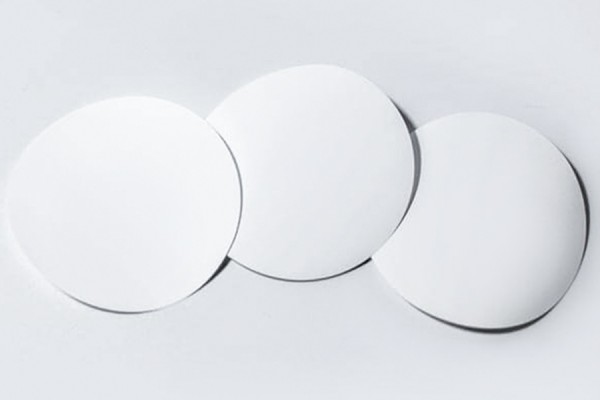
ePTFE membranes are employed in various sectors due to their unique attributes. In the medical field, these membranes are used in devices such as culture bottles and sensors, where their chemical stability and permeability are essential for maintaining sterile environments and ensuring accurate readings. The acoustic properties of ePTFE allow for minimal sound loss, making it useful in components designed for sound management. In the electronics industry, these membranes provide critical functions for both high-speed signal transmission and environmental protection. Their low dielectric constant makes them suitable for advanced communication systems like 5G/6G, ensuring efficient performance while also serving as waterproof barriers for sensitive devices like smartphones and earbuds. Moreover, the robustness of ePTFE membranes against temperature variations enhances their reliability in applications involving wires and semiconductor components, further showing their versatility across different industries.
ePTFE in Medical Devices
ePTFE membranes are integral to various medical devices due to their unique properties. Their porous structure allows for gas exchange while remaining impermeable to liquids, making them ideal for applications such as culture bottles and sensors. These membranes facilitate the growth of microorganisms in controlled environments, enhancing laboratory research and diagnostics. In wound care, ePTFE is a barrier that promotes healing while preventing moisture from entering the wound site. The chemical stability and biocompatibility of ePTFE significantly reduce the risk of adverse reactions with bodily fluids. Furthermore, ePTFE’s lightweight nature makes it suitable for implants and surgical applications, providing flexibility without compromising strength. As the demand for new medical solutions grows, the role of ePTFE membranes is likely to expand across new health technologies and devices.
ePTFE for Electronics
ePTFE membranes are important in the electronics industry due to their exceptional properties. They serve dual purposes, enabling high-speed signal transmission while protecting against environmental factors. With a low dielectric constant, these membranes reduce signal loss, making them suitable for advanced communication systems, including 5G and 6G technologies. Their waterproof and acoustic barrier capabilities protect sensitive components in devices like smartphones and earphones from moisture and sound interference. ePTFE’s resistance to temperature fluctuations enhances its reliability in diverse applications such as insulation for wires, semiconductor components, and welding processes. Choosing a quality ePTFE membrane is vital to ensure performance stability in electronic devices across varying conditions.
Quality standards for ePTFE
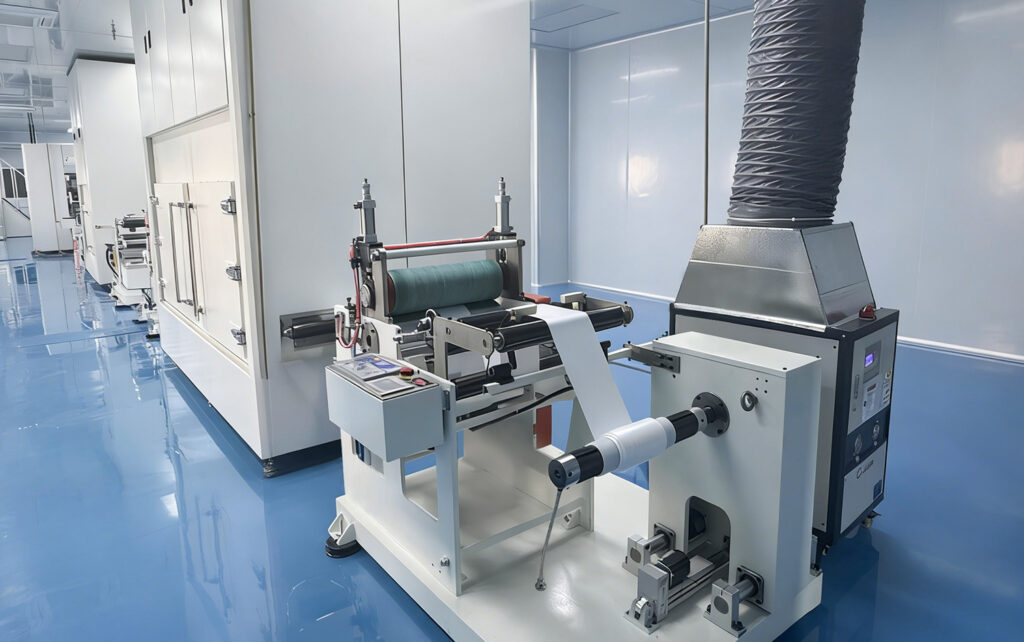
Quality standards for ePTFE membranes play a vital role in ensuring their reliability and performance across various applications. Manufacturers should comply with internationally recognized benchmarks, such as ASTM or ISO standards, which outline requirements for material properties and performance testing. These standards focus on important aspects including permeability, tensile strength, chemical stability, and thermal resistance. Rigorous quality control processes during production are essential to minimize defects and ensure consistency. Third-party testing and certification can further validate a supplier’s claims regarding their membrane quality. Customers must also consider suppliers’ adherence to quality management systems that support continual improvement and customer satisfaction. Ultimately, diligent evaluation of these standards helps in selecting the right ePTFE membrane for specific industrial needs while ensuring optimal performance in demanding environments.
Conclusion
the versatility of ePTFE membranes showcases their essential role in various industries, driven by unique properties like chemical stability, permeability, and mechanical strength. As applications continue to evolve, companies must prioritize quality when selecting suppliers. Ensuring that suppliers meet stringent quality standards and possess relevant certifications protects against potential failures in critical environments. The growing importance of ePTFE membranes in sectors like medical devices and electronics indicates a need for ongoing innovation. Organizations should stay informed about advancements in material science to maximize performance benefits. Careful evaluation of factors such as durability, compliance, and supplier reliability will lead to successful integration of ePTFE membranes into diverse projects across industries. This informed approach not only enhances product effectiveness but also contributes to advancements in technology and sustainability efforts.
FAQs
What is an ePTFE membrane?
ePTFE membrane is a versatile, porous material made from expanded polytetrafluoroethylene, offering chemical stability and excellent permeability.
What are the primary applications of ePTFE membranes?
ePTFE membranes are widely used in medical devices, electronics, and industrial applications for moisture management and environmental protection.
How does ePTFE compare to other membrane materials?
ePTFE has superior chemical resistance, lightweight properties, and exceptional vapor permeability compared to many traditional membrane materials.
What factors should be considered when selecting an ePTFE supplier?
main factors include adherence to quality standards, reputation for reliability, pricing, delivery timelines, and the level of technical support offered.
Can ePTFE membranes withstand extreme temperatures?
Yes, ePTFE membranes can tolerate a broad temperature range from -200°C to 260°C, making them suitable for various applications in hostile environments.
Are there any size limitations with ePTFE membranes?
ePTFE membranes can be customized in size and thickness according to specific application requirements to ensure optimal performance.