Key Takeaways
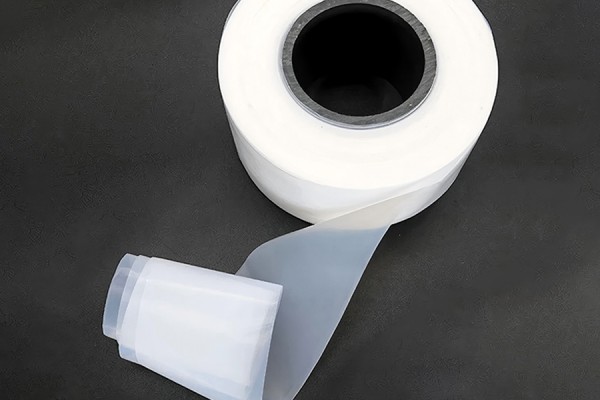
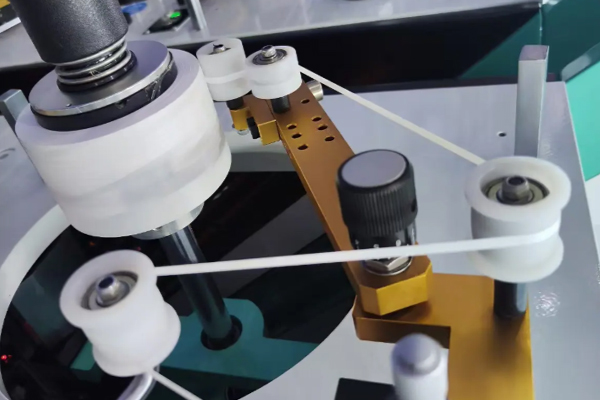
PTFE cable coil wrapping film matters in high-frequency systems because it insulates cleanly and keeps shielding steady. It keeps signal loss low, which matters in telecom and aerospace where small losses turn into real problems fast. The material’s low dielectric constant and strong thermal stability help parts handle heat swings and keep interference down. PTFE works across a lot of sectors, so engineers keep coming back to it when they need something that behaves predictably. As performance targets climb, the material will keep turning up in cable insulation and EMI control. More manufacturers rely on PTFE because it keeps equipment running in rough conditions.
Common PTFE Cable Uses
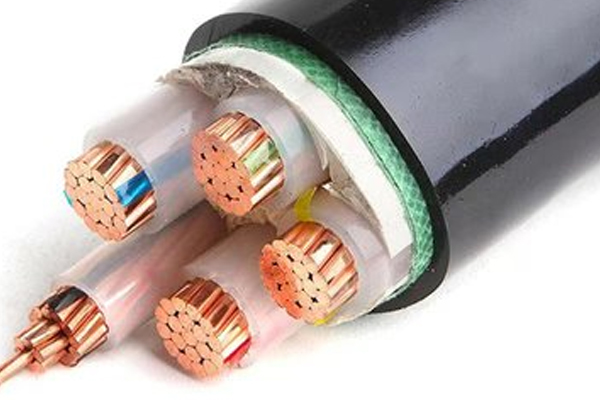
PTFE cable wrapping tape is widely used in high-frequency gear because it insulates well and blocks electromagnetic noise. That makes it a good fit for RF and microwave work. In fast transmission lines, the wrap helps keep signals clean when conditions get messy. It shows up in aerospace, electronics, and telecom because it holds up without much drama. In automotive harnesses, PTFE coating on cable rolls helps protect wiring from heat, fluids, and grime. There are also specialized options such as DAC high-speed cable wrapping film and AEC high-speed cable wrapping film, each tuned for specific jobs. The result is a material that stays useful when the system has little room for failure.
PTFE Films in Electronics
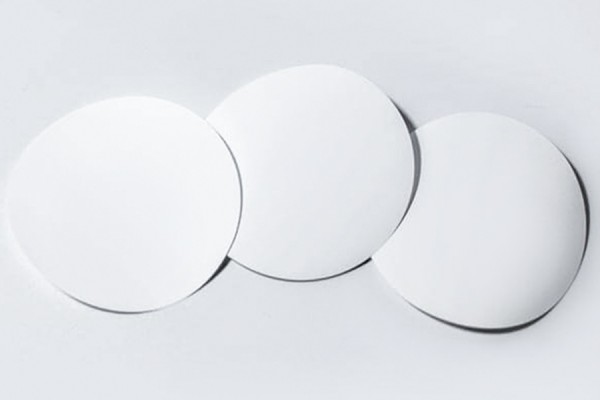
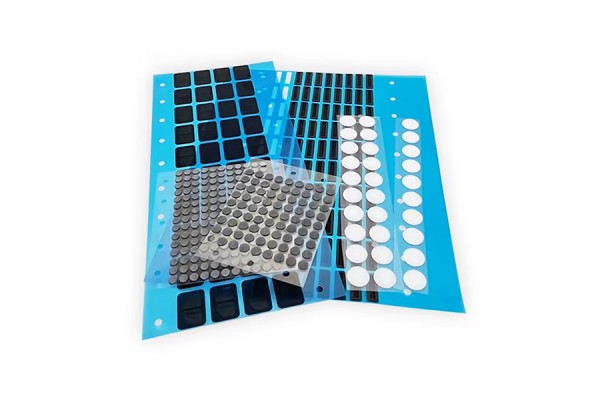
PTFE film has a real job in electronics: keeping signals clean and parts stable. Its low dielectric constant makes it a good insulator for high-frequency conductors, so less signal disappears into heat. The material also stays steady when temperatures swing hard, which is why it fits RF parts and microwave systems. Its resistance to electromagnetic noise keeps sensitive circuits from getting scrambled, which is something engineers care about more than glossy product claims. Because PTFE fits into so many devices, it turns up in automotive electronics, medical equipment, and plenty of systems that need to keep working after a rough day. That flexibility matters because modern electronics rarely live in polite conditions. Using PTFE can stretch the service life of components and keep failures from showing up too early.
Benefits of PTFE Film
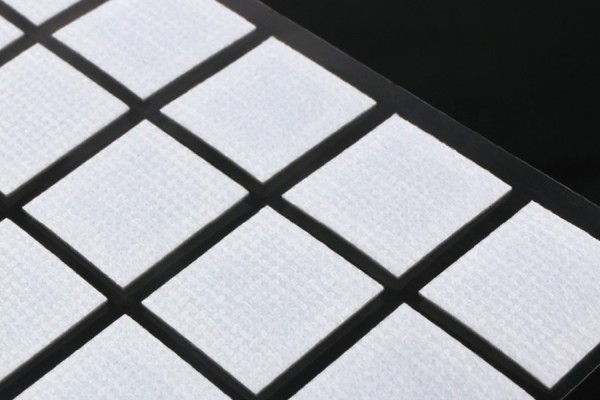
PTFE film brings a few clear benefits to high-frequency work. Its insulation keeps signal loss low and helps data stay intact, which is why engineers use it in equipment that cannot tolerate sloppy transmission. The low dielectric constant cuts down interference, leaving a cleaner path for RF cables and similar setups. It also gives solid electromagnetic shielding, so sensitive parts are less likely to pick up stray noise. Heat resistance and chemical resistance make it useful in harsh environments, especially aerospace, where materials get punished. The lightweight feel is part of the appeal too; it protects without turning cable assemblies into dead weight.

High-Frequency Insulation Solutions
PTFE film is a dependable insulation option for high-frequency systems where signal loss needs to stay low. Its low dielectric constant reduces capacitance, which is useful in coaxial cables used for telecommunications. PTFE also stays stable across a broad temperature range, so it works well in aerospace and military hardware. The material handles extreme heat and cold without losing its shape or its job. That matters in fast data links, where even a little interference can throw things off. With PTFE film in the build, cable assemblies hold up longer and are less likely to fail because of insulation trouble.
Electromagnetic shielding with PTFE
PTFE film helps with electromagnetic shielding by putting a solid barrier between sensitive lines and outside noise. In high-frequency systems, that matters more than most spec sheets admit. Its structure and low dielectric constant keep signal loss down and preserve transmission clarity. In places where electromagnetic interference (EMI) can knock equipment off track, such as aerospace and telecommunications, PTFE keeps things steady.
"Using PTFE to wrap cables cuts noise and improves performance, which is why manufacturers keep coming back to it."
Its chemical inertness and heat resistance help it perform in rough conditions. As demand for faster high-frequency gear keeps rising, using it can lower the odds of EMI-related failures. PTFE’s flexibility means it shows up in military, industrial, and consumer electronics when shielding matters.
Durability in Aerospace Applications
PTFE wrapping film matters in aerospace because aircraft parts get abused. It stays stable through big temperature swings, which are routine up there. It also resists chemical corrosion, so wiring stays protected from fuel, lubricants, and the rest of the mess that comes with flight. The low weight helps too, since every gram matters in aircraft design. Its shielding capability matters in avionics, where noisy electronics can cause trouble if the wiring is poorly protected. In practice, PTFE helps wiring harnesses last longer and handle the wear that aviation throws at them.
PTFE for Reliable Performance
PTFE film plays a steady role in a lot of systems that need to keep working. It handles heat well, so high-frequency signals stay protected and the setup keeps running. The low dielectric constant keeps signal loss low, which is important for fast data transfer in telecom and aerospace. Its chemical resistance lets it survive corrosive settings, which cuts down on maintenance. That matters in places where failure means downtime or worse. The combination of light weight and durability helps keep systems efficient without packing on extra bulk. PTFE suits equipment that needs to work hard and stay boring, which is usually a compliment.
Advancements in Cable Technology
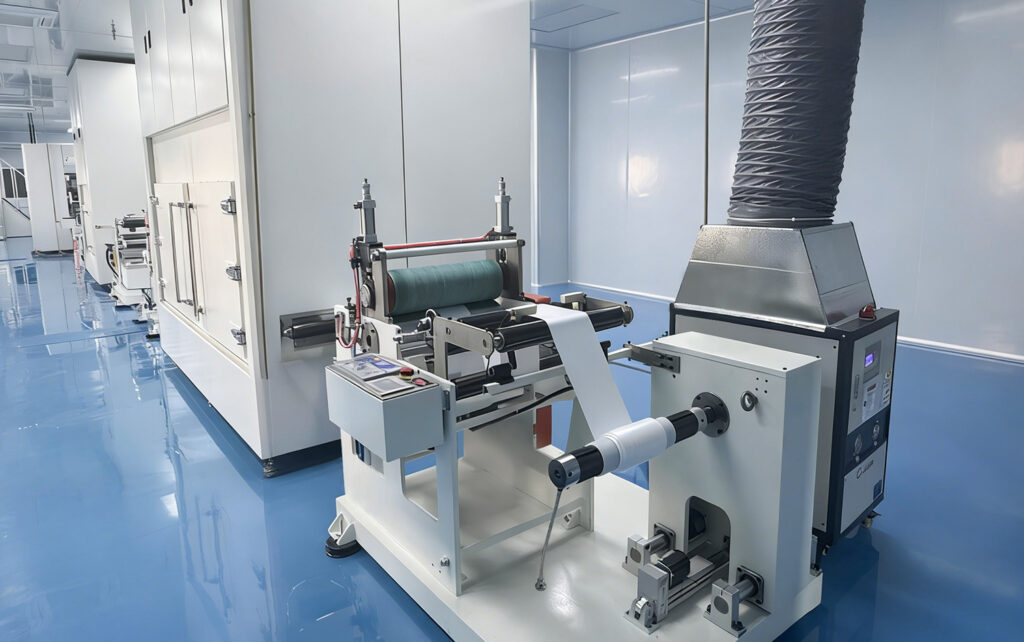
Cable tech has changed a lot, and some of the changes are genuinely useful. PTFE cable wrap sits near the front of that shift because it insulates well and tolerates heat. Its low dielectric constant matters in telecom and aerospace, where signals get crowded fast. Manufacturing has also gotten tighter, with better length tolerances that cut waste and make production less annoying. ePTFE structures have opened up another path too, since they offer waterproof breathability that sensitive parts can use when pressure changes. Ongoing research keeps PTFE moving forward, and it keeps fitting the messier demands of modern electronics. As systems push faster speeds and cleaner data, PTFE cable film will probably stay in the mix.
Conclusion
The application of PTFE cable wrapping film has changed how high-frequency systems are built, and the effects show up across several industries. Its thermal stability and low dielectric constant help keep signal integrity intact, which is why it keeps showing up in electronics, aerospace, and telecommunications. Its ability to block electromagnetic interference matters most where reliability is non-negotiable. As demand grows for higher-performance cable solutions, PTFE keeps evolving to fit automotive and military needs. The material helps components last longer and keeps devices running under rough conditions. For now, it remains one of the materials that quietly holds a lot of modern cable technology together.
FAQs
What is PTFE cable coil wrapping film?
It is a specialized insulating material for high-frequency systems, with strong thermal stability and solid electromagnetic shielding.
What are the benefits of using PTFE film in electronics?
PTFE film offers a low dielectric constant, which reduces signal loss and helps transmission stay clean in electronics.
How does PTFE provide electromagnetic shielding?
PTFE helps block electromagnetic interference (EMI), keeping signal integrity stable in sensitive systems like telecommunications and aerospace.
Is PTFE wrapping film suitable for extreme temperature conditions?
Yes, PTFE stays stable across a wide temperature range, so it works in demanding environments such as aerospace or military applications.
Can PTFE cable film reduce maintenance needs?
The chemical resistance of PTFE helps extend cable life, so there is less need for frequent maintenance caused by wear and harsh conditions.
How does PTFE improve high-speed data transmission?
PTFE’s low dielectric constant reduces interference and keeps signal integrity intact, which matters for high-speed data transmission in a lot of systems.
What industries benefit from PTFE wrapping film?
Industries such as aerospace, telecommunications, automotive, and medical devices benefit a great deal from the properties of PTFE wrapping film.