Main Takeaways
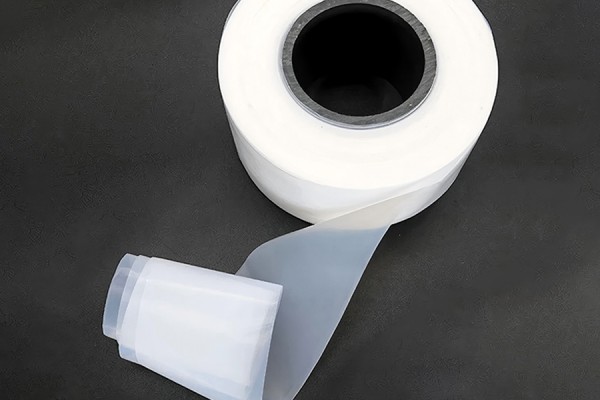
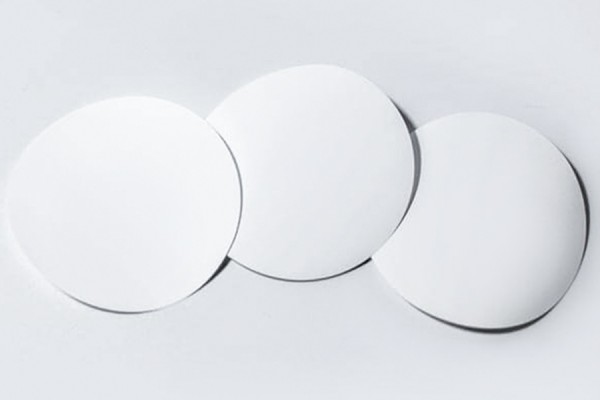
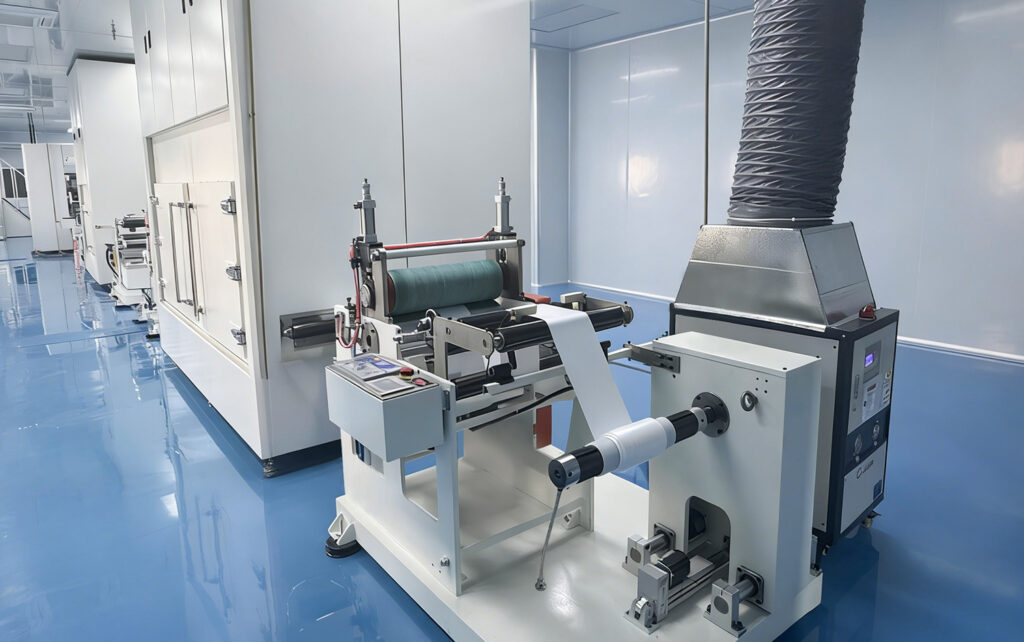
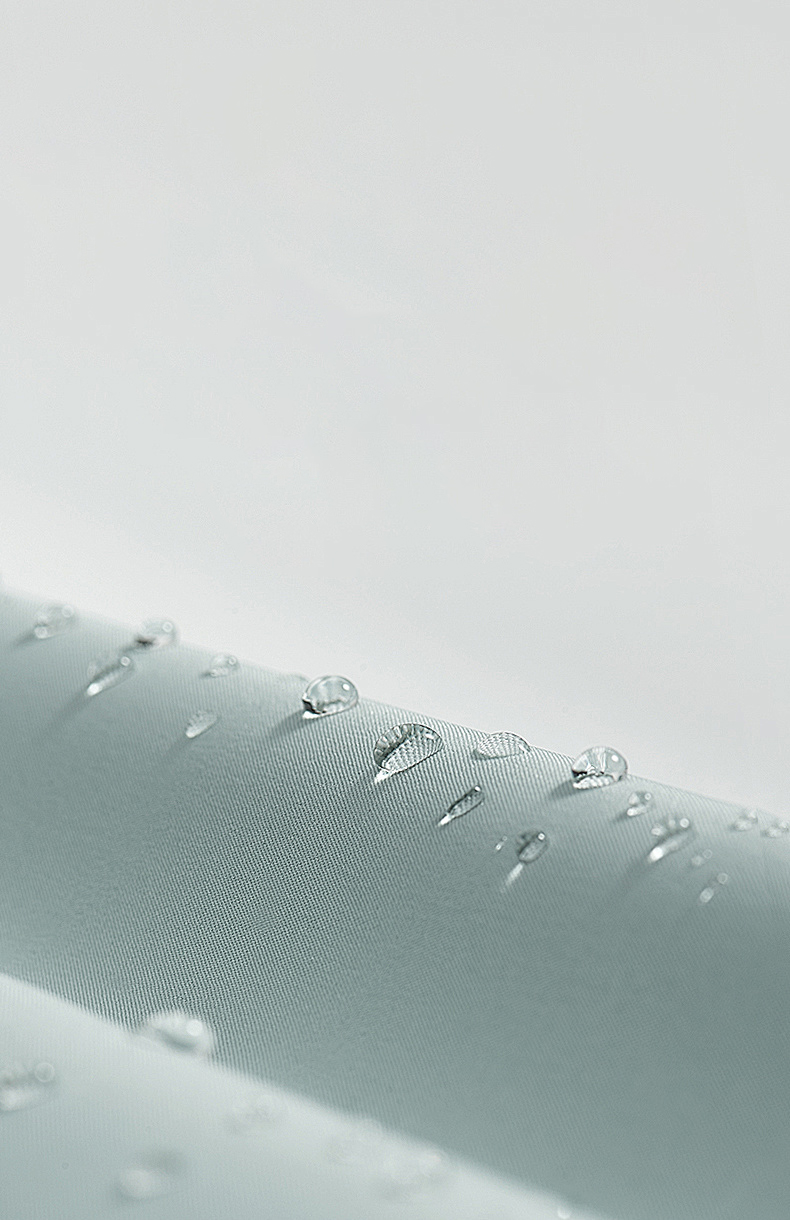
Expanded PTFE membranes have earned attention for how versatile and capable they are across a wide range of industries. Their toughness really stands out, letting them handle punishing settings, from aerospace to medical uses. Their chemical stability means they hold up in rough conditions without losing integrity, which cuts the chance of contamination in sensitive processes. They also let gas pass through while keeping moisture out, which helps equipment run better and last longer. expanded PTFE’s use in electrical cable insulation and industrial filtration shows how adaptable it is, offering dependable answers for critical infrastructure needs. As industries keep looking for ways to raise efficiency and safety, use of these membranes will probably keep growing, and that makes their role in technology hard to ignore.
New Uses of Expanded PTFE Membranes
Expanded PTFE membranes are getting more notice for their newer uses in several sectors. In the electrical industry, they work as strong insulators, especially in high-speed transmission line PTFE wrapping tape and PTFE cable wrapping tape, where durability and chemical stability do a lot of the heavy lifting. They are also used in PTFE Thread Seal Tape, improving performance by creating airtight seals in plumbing and gas applications.
In advanced telecommunications, expanded PTFE membranes are central to high-speed cable wrapping films such as DAC high-speed cable wrapping film and AEC high-speed cable wrapping film, which help protect signal integrity by reducing loss. The material’s toughness also matters when shielding sensitive parts in environments that swing to extremes. That versatility carries over into industrial filtration systems, where expanded PTFE membranes are used to separate particles while still letting air move through. Their dependable nature has made them useful in aerospace technology and medical devices too, a reminder that the same material can handle demanding jobs in very different fields.
Durability of Expanded PTFE in Harsh Environments
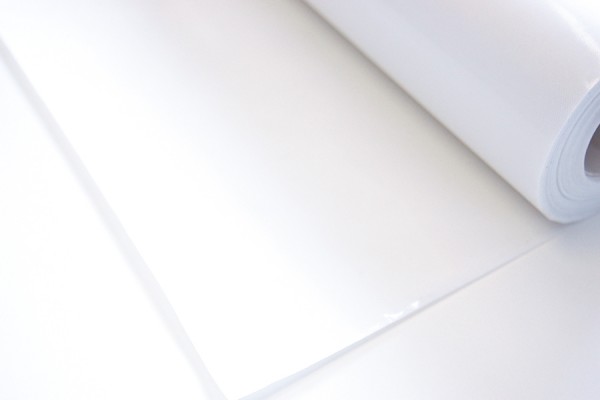
Expanded PTFE membranes are known for serious durability, which makes them a good fit for harsh conditions in many industries. They can take on temperature swings, heavy humidity, and corrosive chemicals while still performing reliably in demanding settings. In outdoor uses where UV exposure is an issue, expanded PTFE holds its form without much breakdown. Its porous structure is another practical advantage, since it lets water vapor pass through while still blocking liquid penetration, a big deal in construction and textiles. That kind of resilience means lower maintenance costs and a longer service life for installations. Industries that need steady reliability can get a lot out of this material because of those traits.
"The lasting durability of ePTFE membranes under harsh conditions makes them an essential choice for industries prioritizing performance and reliability."

Chemical Stability in Expanded PTFE Applications
Expanded PTFE membranes are widely respected for chemical stability, which lets them survive aggressive environments without breaking down. That matters in applications where exposure to harsh chemicals, high humidity, or extreme temperatures is routine. The material’s molecular structure, built on strong carbon-fluorine bonds, gives it resistance to acids, bases, and solvents. Because of that, expanded PTFE membranes are used heavily in chemical processing and pharmaceutical industries, where purity and reliability are nonnegotiable. Their stability also helps sensitive processes and products stay intact. In aerospace and energy production, the ability to resist corrosion improves component life and performance. Overall, the effectiveness of expanded PTFE membranes in demanding applications shows why industries that care about durability and long-term operation keep turning to them.
Enhancing Performance with Expanded PTFE Membranes
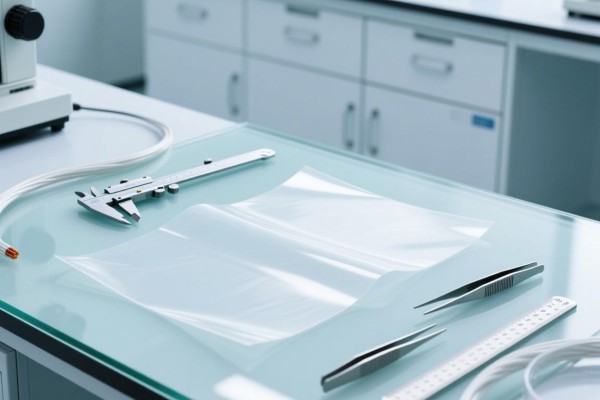
Expanded PTFE membranes improve performance in a lot of applications because of their unusual properties. Their high permeability makes gas exchange easier while keeping pressure balanced, which suits acoustic components and battery products well. In tough environments, these membranes repel moisture while still breathing, which adds to equipment durability and extends service life. They also hold up against harsh substances without breaking down, so industrial processes stay dependable. That is especially useful in aerospace and medical devices, where failure is expensive and trust is everything. Using expanded PTFE in electrical cable insulation also shows how well it supports high-frequency signal transmission with very little loss. When industries build these membranes into different product designs, they usually get better efficiency and longer life, and the material’s range becomes obvious.
Expanded PTFE Membranes in Aerospace Technology
Expanded PTFE membranes are important in aerospace because they combine durability with low weight. They handle extreme temperatures and rough weather well, so they fit aircraft components and payload enclosures. The structure of expanded PTFE keeps performance steady under shifting pressures, which matters a great deal for safe and efficient flight operations. Their chemical stability also protects delicate equipment from moisture and contaminants, which improves the reliability of onboard systems. They also help reduce noise in aircraft design, making cabins a little quieter. In the end, bringing expanded PTFE membranes into aerospace technology improves operational performance and still meets the strict safety standards that modern aviation demands.
Robustness of Expanded PTFE for Industrial Filtration
Expanded PTFE membranes are impressively tough, which makes them a strong fit for many industrial filtration uses. Their porous structure separates particles and contaminants effectively while still allowing airflow and liquid passage. That becomes essential in settings that need high efficiency and durability, such as food processing, pharmaceuticals, and wastewater treatment. The material’s ability to stand up to harsh chemicals and extreme temperatures boosts its performance in those demanding environments. The membranes also resist clogging, so they last longer than many traditional filtration materials. Industries value that reliability because expanded PTFE membranes need fewer replacements, which brings maintenance costs down. The mix of durability and efficiency makes expanded PTFE a preferred option for filtration solutions across many sectors.
Expanded PTFE in Electrical Cable Insulation
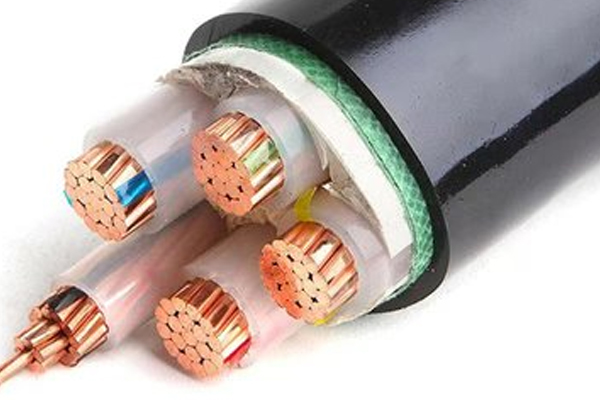
Expanded PTFE membranes are increasingly preferred for electrical cable insulation because they perform so well. The material’s low dielectric constant and high thermal stability make it a strong choice for high-frequency applications, where older insulators like polyethylene (PE) and polyvinyl chloride (PVC) may come up short. By keeping electrical properties steady under changing conditions, expanded PTFE supports efficient signal transmission and cuts the losses tied to resistance. It also offers impressive chemical resistance, so it can survive harsh environments and protect cable systems over time. Its multi-purpose nature, combining insulation with thermal management, makes expanded PTFE an important option in the changing field of electrical engineering and cable design. Using it can improve safety standards and performance reliability in critical infrastructure, which helps meet growing demand for more efficient electrical systems.
Applications of Expanded PTFE in Medical Devices
Expanded PTFE membranes are becoming more important in the medical device industry because of their unusual properties. Their porous structure lets gas pass through while still blocking liquids, which makes them a good fit for uses like surgical implants and wound dressings. The chemical stability of expanded PTFE means devices can handle exposure to different bodily fluids without falling apart. The biocompatibility of the material also lowers the risk of adverse reactions when it is implanted in patients. In drug delivery systems, expanded PTFE membranes support controlled release while keeping contamination risk low. Their durability matters for products used in demanding settings, such as ventilators and respiratory devices, where steady performance is essential. With developments like improved expanded PTFE formulations, manufacturers keep widening its use in advanced medical technologies, including sensors and diagnostic equipment. As these uses grow, the material’s role in better patient outcomes and stronger device performance becomes even more important.
Conclusion
The use of expanded PTFE membranes spans many industries, showing how versatile and rugged they are. Their durability in harsh environments, along with strong chemical stability, makes them a practical choice in demanding situations. Aerospace companies rely on it for lightweight but sturdy materials that can take extreme conditions without giving up safety or performance. In medical applications, the biocompatibility and gas permeability of expanded PTFE improve device function and patient outcomes. Its role in electrical cable insulation also shows the material’s electrical properties and dependability in critical infrastructure. As sectors keep innovating, use of expanded PTFE membranes will likely keep expanding, which keeps its importance visible across many fields. With these developments, industries improve efficiency while still putting safety and reliability first, so expanded PTFE membranes stay near the center of technological progress.
FAQs
What are expanded PTFE membranes?
Expanded PTFE membranes are flexible materials made from expanded polytetrafluoroethylene, known for durability and chemical stability.
What industries use expanded PTFE membranes?
Expanded PTFE membranes are used in aerospace, medical devices, electrical insulation, and industrial filtration, among others.
How do expanded PTFE membranes improve performance?
They improve efficiency by letting gas exchange happen while repelling moisture and keeping structural integrity in harsh conditions.
Are expanded PTFE membranes biocompatible?
Yes, expanded PTFE membranes have biocompatible properties that lower the risk of adverse reactions when they are used in medical settings.
Can expanded PTFE withstand extreme temperatures?
Yes, expanded PTFE membranes are built to handle extreme temperatures and harsh chemicals without losing performance.