main Takeaways
PTFE film is distinguished by its exceptional qualities, which fit a wide range of industrial demands. Its built-in chemical resistance shields it from harsh substances and helps it last in punishing environments. The material also bends easily into different applications, which shows how well it adapts to both manufacturing and maintenance work. Its thermal stability keeps performance steady even when temperatures swing, which is why aerospace and electronics rely on it. As industries keep adopting advanced technologies like 5G, its compatibility with high-frequency systems points to its role in dependable communication. Ongoing improvements in how it is made should open up even more uses, reinforcing its place in improving operational efficiency across several industries. In the end, the mix of versatility, reliability, and durability makes this material a core choice for future industrial progress.
Benefits of PTFE in Industry
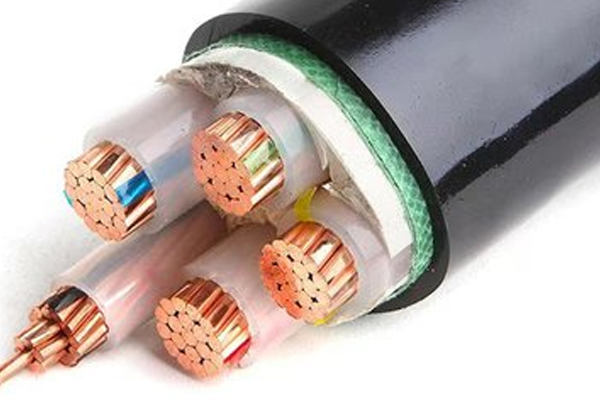
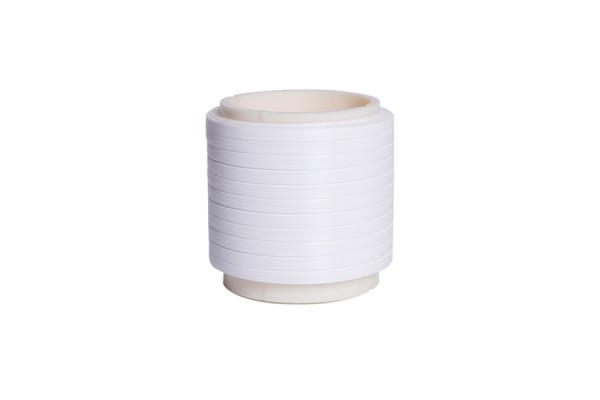
PTFE material offers several key advantages that improve its usefulness across industrial applications. Its chemical resistance lets it handle aggressive substances without breaking down, which makes it a strong fit for many environments. PTFE wrapping film, for instance, is widely used for protective coatings and insulating layers in harsh conditions. The flexibility of PTFE makes it easy to shape into different sizes and forms, which is important when building parts like high-speed transmission line PTFE wrapping tape. That flexibility also supports construction and repair work. On top of that, the material’s thermal stability lets it keep performing through extreme temperature swings, which matters in aerospace and other fields where failure is expensive. The use of PTFE cable wrapping tape also shows up in high-frequency cable systems, including DAC high-speed cable wrapping film and AEC high-speed cable wrapping film, where low dielectric constants matter. These traits make the material a go-to option for better efficiency and reliability in demanding industrial settings.
Applications of PTFE Material
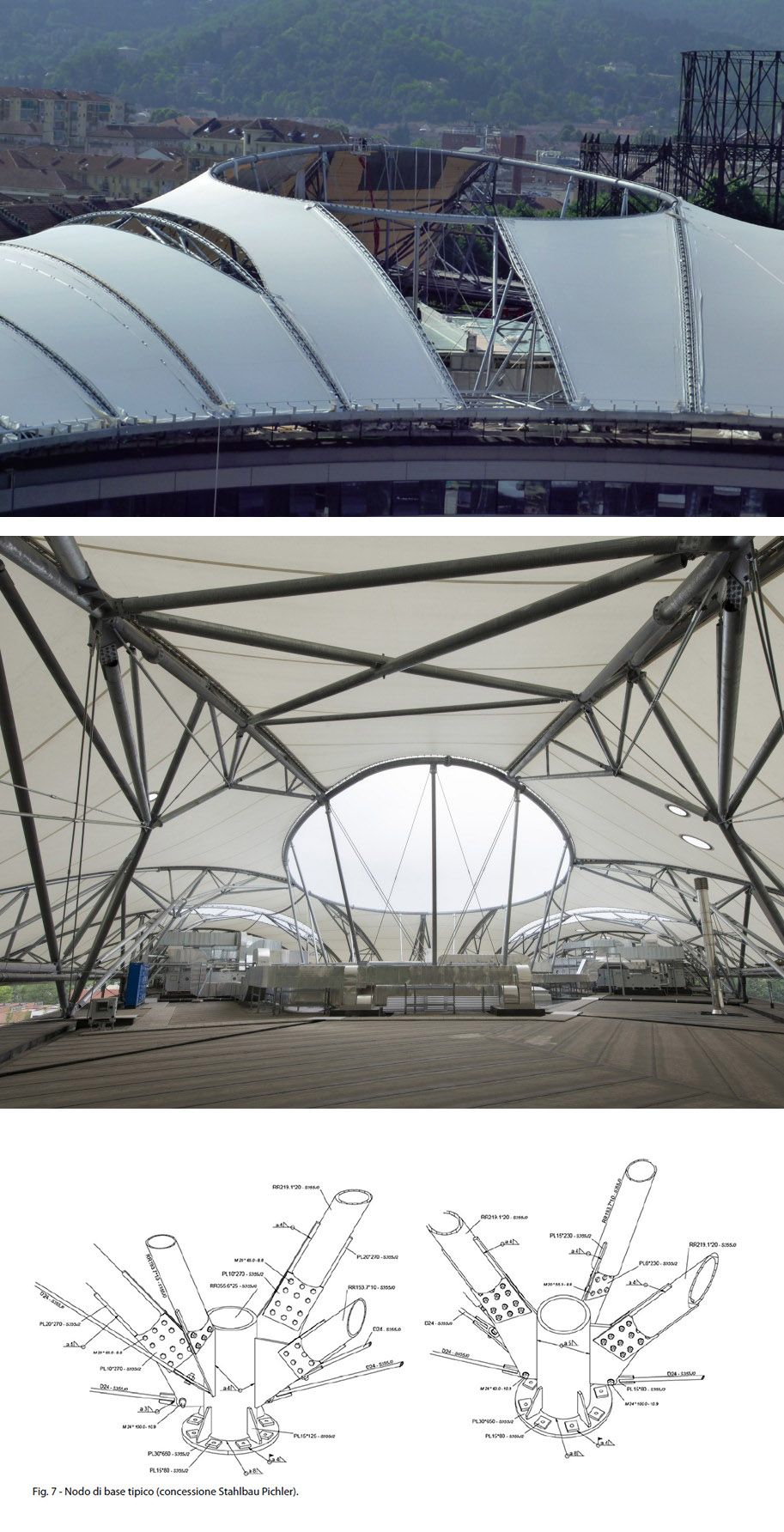
This material is used widely across industries because of its unusual properties. In manufacturing, it serves as an insulating layer, protecting electrical components from environmental damage and helping them last longer. Its chemical resistance makes it a good fit for food processing, where it works as a non-stick liner in machinery and packaging, keeping products clean and making cleanup easier. Its flexibility also lets it take on many shapes, which adds to its usefulness in seals and gaskets in automotive and aerospace work. In electronics, this film plays a key role in moisture barriers and protective coverings for sensitive parts. Also, its performance in high-frequency settings makes it important for telecommunications, especially in 5G systems where steady data transmission matters. Its broad impact across these sectors shows how much it improves operational efficiency and reliability.
Why choose PTFE Today?
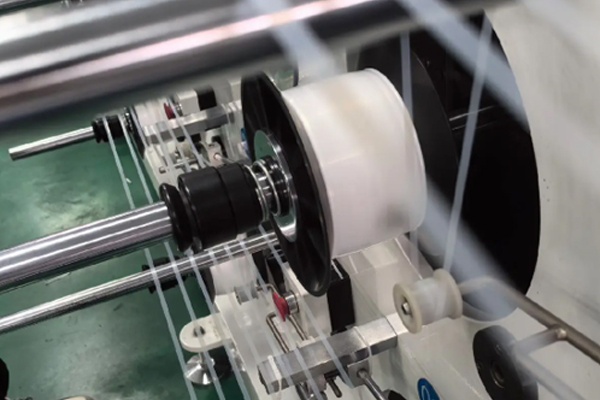
PTFE material stands out in industry because of its distinct properties and range of uses. Its strong chemical resistance helps it last even in harsh environments, making it a dependable choice for businesses that need durable materials. Also, the film’s flexibility adds to its appeal; it can be shaped for different uses without losing strength. Industries are adopting it more often because of its excellent thermal stability, which lets it perform across a wide temperature span. Its non-stick surface also supports efficiency by cutting friction in moving parts and lowering maintenance needs. With technologies like 5G communication growing fast, its electrical insulation properties are becoming more relevant, delivering steady performance in high-frequency applications. As manufacturers keep refining and improving PTFE solutions, businesses can rely on this material to meet changing demands while keeping operations safe and effective.
PTFE Material: Flexibility and Reliability
PTFE material is known for its impressive flexibility, which lets it adapt to different uses without giving up structural integrity. That flexibility also makes it more dependable in demanding environments, keeping performance steady even under heavy stress. It can handle extreme temperatures and harsh chemicals, so it remains a solid choice for aerospace and electronics. Its non-stick surface also cuts friction and wear, which helps it last longer in uses like electrical insulation and surface protection. As industries keep changing, that adaptability plays an important part in meeting the varied needs of modern manufacturing. The link between its flexible nature and dependable performance makes PTFE material a vital component in improving industrial efficiency and effectiveness.
PTFE’s Role in Aerospace
PTFE material serves a critical purpose in aerospace because of its unique properties. Its chemical resistance lets it handle severe environments and avoid breakdown from fuels, oils, and other chemicals common in aircraft operations. Its low-friction nature cuts wear on moving parts, which improves the lifespan and reliability of components. Its ability to work in extreme temperatures, from -200°C to +260°C, allows it to be used in wiring insulation and protective barriers for sensitive equipment. These traits improve performance and lower maintenance costs. Manufacturers keep looking for new uses for the material, and that work is pushing forward safety and efficiency in aerospace technology. Its use is essential for high-performance applications, where dependable operation in critical systems leaves no room for failure. Overall, its toughness and range of uses make it an indispensable material in aerospace.
Advancements in PTFE Material Usage
Recent advances in PTFE material technology have led to major improvements in how it is used across sectors. Manufacturers are focusing on strengthening the material’s properties, such as chemical resistance and thermal stability. Research and development have produced new formulations that add flexibility and durability, allowing these films to endure extreme conditions without losing performance. Furthermore, new production methods have made manufacturing more efficient and cost-effective without cutting quality. These gains support rising demand for PTFE films in critical uses like aerospace, electronics, and 5G communications. The material’s steady evolution keeps opening the door to new uses, pushing what this versatile product can do in industrial settings.
Chemical Resistance of PTFE Material
PTFE material is known for exceptional chemical resistance, which makes it a preferred choice in harsh environments. It stands up well to strong acids, bases, and organic solvents without breaking down. That resilience helps the material keep its integrity and performance in conditions that would usually damage other materials. Chemical processing and pharmaceutical industries benefit a lot from this trait, since the material can line equipment and containers without introducing contamination or suffering degradation. Its non-reactive nature also keeps unwanted chemical interactions to a minimum, supporting safety and reliability in critical uses. The ability to handle harsh chemicals extends product life and improves operational efficiency by cutting replacement and maintenance frequency. That rare combination makes PTFE a key material in advanced industrial processes that need longevity and steady performance.
PTFE Material for 5G Technology
PTFE material plays a critical role in the growing 5G scene, offering properties that line up well with the demands of high-frequency data transmission. Its low dielectric constant is especially useful for reducing signal loss, which is essential for preserving fast data transfer. The material’s chemical resistance adds durability in settings where equipment may face harsh conditions. Since 5G networks depend on reliable infrastructure, the flexibility and thermal stability of PTFE material help produce components that can handle temperature swings and electromagnetic interference. Its lightweight nature also makes it easier to integrate into different devices, improving performance without getting in the way of form factor. As manufacturers keep testing new technologies and uses in 5G, the material continues to offer practical solutions that strengthen connectivity and efficiency in modern telecommunications.
Conclusion
the versatility of PTFE material secures its place as an important component in multiple industrial applications. Its strong chemical resistance keeps performance steady even in the harshest environments, giving industries room to operate with confidence. Its flexibility lets it take on many forms, which broadens its usefulness in tasks ranging from insulation to high-frequency system components. As technology and production methods keep advancing, PTFE material is likely to keep adapting, meeting the rising needs of sectors like aerospace and telecommunications. By exploring new uses and keeping quality standards high, the material has real potential to drive innovation and improve efficiency across industries. For that reason, it remains a central part of modern industrial solutions that value reliability and performance.
FAQs
What is PTFE film?
This high-performance polymer sheet is known for its excellent chemical resistance, flexibility, and thermal stability, and it is used across many industries.
What are the main benefits of using PTFE material in industrial applications?
PTFE material offers chemical resistance, flexibility for different shapes, and thermal stability, which makes it a strong fit for tough environments that demand reliability and durability.
How does PTFE material contribute to aerospace applications?
In aerospace, the material resists harsh chemicals and holds up in extreme temperatures, which improves the reliability and lifespan of aircraft components.
What role does PTFE material play in 5G technology?
The material helps 5G technology by reducing signal loss through its low dielectric constant while also staying durable in the face of environmental stress.
Can PTFE material be used in food processing environments?
Yes, it is commonly used in food processing because of its non-stick surface and chemical resistance, which help keep products pure and make cleaning easier.