Key takeaways
PTFE high-speed cable film stands out for its many advantages, making it a key material across diverse industries. Its superb insulation properties minimize energy loss, boosting efficiency in high-speed operations. Additionally, the film’s broad thermal resilience allows it to perform reliably across a wide temperature range, ensuring stability in harsh conditions found in sectors such as aerospace and telecommunications. Notably, PTFE’s chemical inertness provides strong corrosion protection, guarding sensitive components against harsh environments. This durability yields lasting lifespans for electrical systems. Moreover, its lightweight form and slim profile simplify installation and integration into compact designs, while its low dielectric constant preserves signal integrity in high-frequency settings. Collectively, these traits make PTFE high-speed cable film a crucial solution for modern applications that demand performance and reliability under challenging conditions.
Benefits of PTFE High-Speed Cable Film
PTFE high-speed cable film delivers a set of key advantages, making it a favored option for many applications. Its excellent insulation properties ensure minimal energy loss, which boosts efficiency in high-speed transmission lines. Also, the film shows strong thermal resistance, letting it sustain performance even in extreme temperatures, typically from -200°C to +260°C. This thermal stability is key for industries that operate under demanding conditions. The film’s sturdy design also provides notable corrosion resistance, making it suitable for use in harsh environments where exposure to chemicals is common. Moreover, the low dielectric constant of PTFE wrapping film enhances signal integrity during transmission, which is essential for high-frequency applications such as 5G communications. The lightweight and thin profile of PTFE cable wrapping tape contribute to easier handling and installation, further solidifying its role as a dependable solution for aerospace equipment and electronic installations. These advantages emphasize the film’s versatility across sectors needing advanced materials for high-speed and high-frequency cables.
Applications of PTFE Cable Film in Electronics
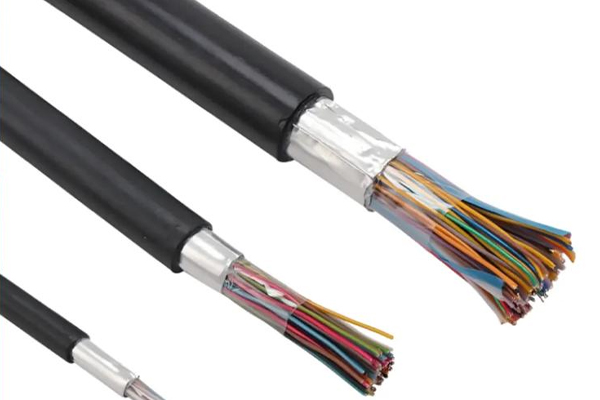
PTFE high-speed cable film plays a key role in various electronic applications due to its outstanding properties. Its excellent insulation capability ensures components run efficiently without interference. This material is especially useful in high-frequency contexts, where its low dielectric constant minimizes signal distortion and loss. Additionally, its thermal resistance enables it to sustain performance in environments with extreme temperatures, making it well-suited for circuit boards and connectors needing extra heat protection. PTFE film also resists a broad range of chemicals, letting it be used safely in environments where other materials might degrade. The light weight of the film facilitates easier installation and integration into compact electronic designs. Its mechanical strength supports reliable performance over time, especially in applications involving frequent movement or stress. Overall, PTFE high-speed cable film improves the reliability and functionality of a range of electronic devices across sectors, including consumer electronics and industrial applications.
High-Temperature Performance of PTFE Film
PTFE high-speed cable film performs well at elevated temperatures, making it a good option for demanding applications. It stays operational across -200°C to +260°C, and can tolerate brief bursts beyond 300°C. That thermal resilience allows the material to function effectively in extreme environments, such as aerospace and industrial settings where temperature fluctuations are common. Its chemical inertness and flame resistance further contribute to reliability under high-temperature conditions. Additionally, its low dielectric constant enhances performance in electronics, particularly in RF and microwave insulation layers. By reducing signal loss and ensuring stable transmission, the material proves essential for applications needing consistent high-temperature performance.
Corrosion resistance in PTFE Cable Film
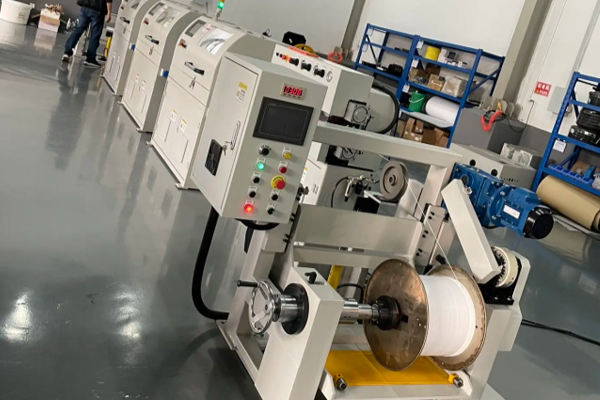
Corrosion resistance is a crucial attribute of PTFE high-speed cable film, making it useful in various applications. This material shows strong chemical inertness, allowing it to withstand exposure to harsh chemicals, acids, and bases without degrading. Its stable structure ensures it keeps performing even in corrosive environments, such as in aerospace and industrial settings. PTFE’s versatility lets it shield underlying components from corrosion, extending the lifespan of wires and other critical instruments. Moreover, its light weight and slim profile do not compromise mechanical strength or durability when exposed to potentially damaging substances. This combination of robustness and resistance underscores its reliability as insulation in challenging conditions. As sectors keep prioritizing materials that resist corrosion while preserving function, PTFE high-speed cable film remains an essential option for modern applications.
Understanding insulation properties of PTFE Film
PTFE high-speed cable film shows outstanding insulating properties, making it a solid choice for various applications. Its low dielectric constant enables efficient signal transmission while minimizing energy loss. This trait is especially important in high-frequency environments, where traditional insulation materials may fall short. PTFE’s chemical inertness ensures the insulating properties stay intact even when exposed to harsh environments, including chemicals and extreme temperatures. Moreover, its strong thermal resistance safeguards electrical components from overheating, boosting reliability in critical applications like aerospace and 5G networks. Together these insulation properties highlight the film as a flexible solution in contemporary electronics, delivering safety and stable performance across varied operating conditions.
PTFE High-Speed Cable Film in Aerospace
PTFE high-speed cable film holds a key role in the aerospace sector due to its outstanding properties. The material’s capacity to endure extreme temperatures, from -200°C to +260°C, makes it essential for use in aircraft, spacecraft, and related systems. Its low dielectric constant and strong insulation contribute to reliable signal transmission in avionics systems, where reliability is paramount. Moreover, PTFE’s chemical inertness helps it endure harsh environmental conditions typical in aerospace applications. Its light weight also supports more efficient design and fuel use for aircraft. Also, its mechanical robustness provides structural integrity to wire harnesses and other critical components, ensuring consistent performance throughout the life of the system. This mix of attributes places the material at the forefront of aerospace innovation, supporting the growing complexity of modern aircraft systems.
Role of PTFE in 5G Communications
PTFE high-speed cable film plays a central role in the 5G communications infrastructure. Its strong thermal stability and insulation properties support the needs of high-frequency signals, which are essential for seamless data transmission. Its low dielectric constant reduces signal loss, boosting performance in dense environments like cities where 5G is rapidly deployed. Moreover, its capacity to resist harsh conditions and suppress electromagnetic interference supports reliable connectivity. As telecom technology evolves, its light weight and flexibility make it a good option for next-generation antennas and equipment. This progress enables higher bandwidths and faster download speeds, ultimately transforming networks and promoting innovations in connected technologies.
Evaluating quality standards for PTFE Films
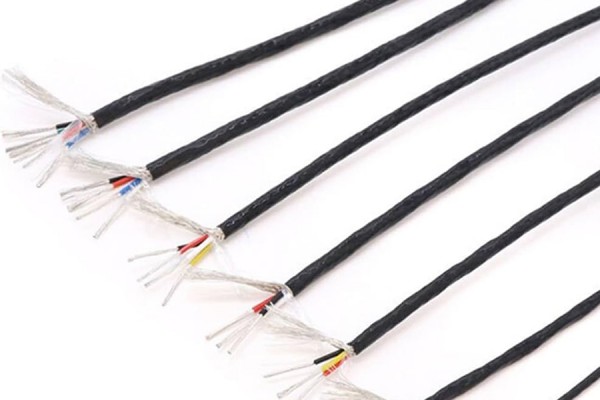
When evaluating PTFE high-speed cable films, several quality standards stand as key indicators of performance and reliability. Key factors include the coefficient of thermal expansion, which affects dimensional stability, ensuring the film maintains integrity across a range of temperatures. Structural integrity and temperature resistance are essential for high-performance applications where extreme conditions are common. Thickness influences mechanical strength and insulation properties, while effective shielding performance helps minimize electromagnetic interference. Moreover, attenuation must be low to boost signal transmission efficiency. Quality PTFE films feature lightweight structures that do not compromise durability and display strong thermal properties. As industries demand greater performance, rigorous evaluations based on these criteria are essential. These assessments ensure PTFE films meet and often exceed operational expectations in demanding environments.
Conclusion
PTFE high-speed cable film emerges as a crucial material across electronics, aerospace, and telecoms. Its favorable properties deliver reliable performance, particularly in high-heat and corrosive environments. Its low dielectric constant and strong insulation help maintain signal integrity, which is increasingly vital for modern uses such as 5G networks. Additionally, its durability and mechanical strength boost performance in both moving and stationary contexts. Industries should acknowledge the value of using high-quality PTFE films to improve operations while meeting changing technological needs. Ultimately, increasing reliance on advanced materials like PTFE high-speed cable film will influence the future across sectors, driving innovations that could reset industry standards.
FAQs
What benefits come with PTFE high-speed cable film?
This material provides strong insulation, notable thermal resistance, and robust corrosion protection, supporting high-temperature applications.
In what industries frequently use PTFE high-speed cable film?
It finds broad use in electronics, aerospace, and telecoms, especially in 5G networks.
How does PTFE cable film behave under extreme temperatures?
It remains stable and performs reliably from -200°C to +260°C, with brief spikes above 300°C tolerated.
Is PTFE high-speed cable film chemically resistant?
Yes, PTFE’s chemical inertness is strong, letting it resist exposure to harsh chemicals without losing properties.
How does PTFE’s dielectric constant affect performance?
Its low dielectric constant boosts signal integrity by reducing loss and distortion in high-frequency contexts.