important Takeaways
PTFE film offers a wealth of advantages that make it essential in various industrial applications. Its remarkable properties, such as outstanding chemical resistance and thermal stability, allow it to thrive in harsh environments. Industries like aerospace and food processing benefit significantly from PTFE’s low friction surface, which not only improves equipment efficiency but also extends the lifespan of machinery by reducing wear and tear. furthermore, PTFE film serves important functions in electrical insulation, where its low dielectric constant supports high-frequency applications without signal loss. The versatility of PTFE film means it meets the diverse needs of different sectors, adapting seamlessly to specific operational requirements. This adaptability, combined with constant innovation in PTFE technology, positions it as a vital material for companies looking to improve performance and efficiency while reducing maintenance costs across their operations. By leveraging PTFE film’s unique attributes, businesses can address the increasing demands for reliability and safety in challenging environments effectively.
PTFE Film’s Unique Properties
PTFE film is renowned for its exceptional characteristics that set it apart in various industrial applications. It features remarkable chemical resistance, enabling it to withstand corrosive substances without degrading. This makes PTFE suitable for environments where harsh chemicals are common. In addition, PTFE film exhibits superb thermal stability, allowing it to maintain integrity over a wide temperature range, from -200℃ to +260℃, withstanding brief excursions above 300℃. Its low friction properties contribute to its non-stick capabilities, which are especially useful in applications requiring smooth surfaces and easy cleaning.
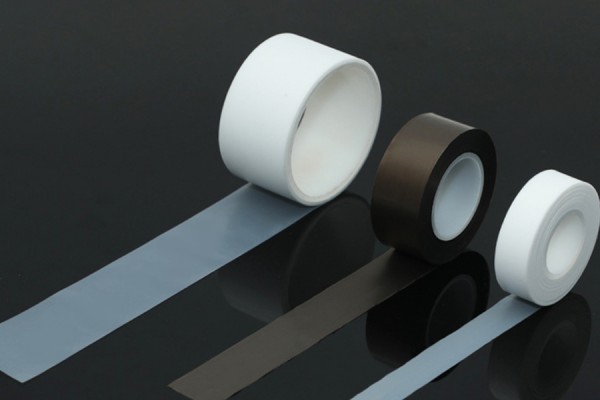
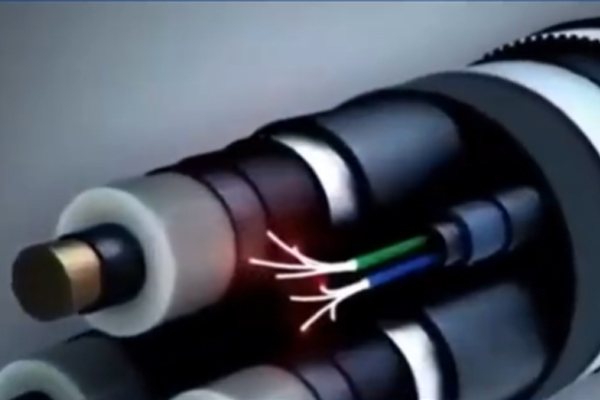
The film’s electrical insulation qualities further boost its appeal across industries. High speed transmission line PTFE wrapping tape and PTFE wrapping film are crafted to support high-frequency signal transmission while reducing signal loss. This is important for modern communication infrastructure, such as telecommunications and networking applications. Moreover, PTFE Thread Seal Tape provides reliable sealing solutions that improve performance in plumbing and gas line applications. Overall, the unique combination of chemical resistance, thermal stability, low friction, and excellent electrical insulation makes PTFE film an indispensable material across numerous sectors.
Benefits of PTFE in Industry
PTFE film offers a multitude of benefits across different industries due to its unique properties. Its chemical resistance allows it to withstand aggressive substances, making it an excellent choice for environments involving corrosive materials. This durability translates into longer equipment life and reduced maintenance costs in industries like chemical processing and pharmaceuticals. The non-stick surface reduces friction, improving efficiency and performance in machinery, particularly in food processing and textile applications. also, PTFE film maintains stability under a wide temperature range, enhancing its functionality in aerospace and electronics sectors where reliable performance is critical. By incorporating PTFE film, companies can achieve higher operational reliability and safety standards while minimizing environmental impact, showcasing its versatility as a material that adapts to demanding industrial needs.
"Using PTFE film can lead to significant improvements in operational efficiency."
Enhancing performance with PTFE Film
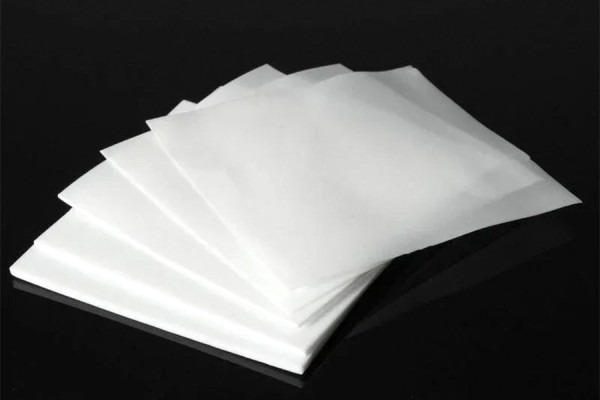
PTFE film significantly boosts performance across various applications due to its unique characteristics. This film excels in low friction, allowing machinery and equipment to operate smoothly, reducing wear and tear. Its remarkable chemical resistance protects underlying surfaces from harsh environments, making it ideal for applications in the chemical processing and aerospace sectors. The thermal stability of PTFE film ensures reliable performance under extreme temperatures, maintaining structural integrity and functionality. This is especially important for industries that require materials to endure fluctuating conditions without degradation. Moreover, the non-stick properties improve the efficiency of equipment, making maintenance easier and reducing downtime. PTFE film’s ability to transmit high-frequency signals without interference also makes it a main component in advanced technologies like telecommunications, contributing to improved system performance in data centers.

PTFE Film: Industry Applications
PTFE film finds utility across a wide array of industries due to its remarkable properties. In the aerospace sector, it is often employed for insulation and sealing applications where durability and heat resistance are paramount. The electrical industry benefits from PTFE film’s low dielectric constant, making it suitable for high-frequency applications. In food processing, its non-stick characteristics contribute to efficient machinery operation, minimizing product loss and contamination risks. furthermore, automotive manufacturers utilize PTFE film in gaskets and seals to improve performance in demanding environments. Chemical processing industries rely on PTFE film’s chemical resistance to protect equipment from harsh substances. The versatility of PTFE film extends to medical applications too, where it is utilized in devices that require reliability and safety. This broad range of applications showcases how PTFE film can meet varying industrial needs effectively, driven by continuous innovation and specialized solutions tailored for specific demands.
Chemical resistance of PTFE Film
PTFE film stands out for its excellent chemical resistance, making it highly effective in harsh environments. Its ability to withstand aggressive chemicals without degradation ensures that it maintains performance over time. In industries like aerospace and chemicals, PTFE film is a reliable barrier against corrosive agents, preventing material failure. This resistance extends to acids, bases, and solvents, allowing for widespread application in various processes where chemical exposure is a concern. Furthermore, PTFE exhibits low surface energy, which helps to repel contaminants and minimizes adhesion of substances. This property proves beneficial in maintaining cleanliness and integrity in environments that require stringent hygiene standards, such as food processing. By utilizing PTFE film, industries can boost operational efficiency and longevity of equipment while reducing maintenance costs related to chemical damage. Thus, its chemical resistance is a main reason why PTFE film remains a preferred choice across numerous applications.
Thermal stability in PTFE Uses
PTFE film demonstrates outstanding thermal stability, making it an integral material in various demanding applications. It can withstand continuous temperatures ranging from -200℃ to +260℃, and even endure brief periods exceeding 300℃ without degrading. This capacity allows PTFE film to function reliably where fluctuating temperatures and thermal extremes are a concern. Its low thermal expansion coefficient contributes to dimensional stability under heat, which is key for applications requiring precise tolerances. Industries such as aerospace and electronics greatly benefit from these properties, as components must endure harsh conditions without compromising performance. also, PTFE film’s ability to maintain its integrity under elevated temperatures makes it ideal for insulating high-performance cables and components in environments prone to heat stress. As industries progress toward more demanding applications, the reliance on materials like PTFE film for thermal resilience continues to grow, supporting innovation across sectors focused on performance and longevity.
High-Performance PTFE Solutions
PTFE film stands out due to its unmatched versatility in high-performance applications. Its unique chemical resistance enables it to withstand exposure to aggressive substances, making it a preferred choice for critical components in various sectors. In aerospace, for instance, PTFE film provides insulation and protection for wiring systems, key for maintaining integrity in extreme conditions. In the electronics industry, its low friction properties boost the performance of moving parts and components, ensuring durability and efficiency. Furthermore, PTFE film is essential in the food processing sector where it prevents contamination and promotes hygiene by providing a non-stick surface that is easy to clean. As industries continue seeking materials that boost reliability and safety, the ongoing innovations in PTFE technology pave the way for even broader applications in demanding environments, ensuring it remains an important player in high-performance solutions.
original Uses of PTFE Film
PTFE film is making strides in diverse industries due to its unique characteristics. In the medical field, it is utilized for making non-stick surgical instruments and as an insulating layer for sensitive electronic components used in medical devices. Its low friction properties improve instrument handling and accuracy during procedures. The automotive sector also benefits from PTFE film, where it is implemented in gaskets and seals that require chemical resistance against harsh engine environments. Similarly, the energy industry employs PTFE film in fuel cells and as a protective layer for wires exposed to extreme conditions, enhancing durability and reliability. furthermore, its application in electronics sees PTFE film used as insulation in cables and connectors, facilitating optimal performance in high-frequency devices. These original applications point out PTFE film’s versatility and its ability to meet the demands of various tough conditions across multiple sectors.
Conclusion
PTFE film plays a key role across various industries, owing to its distinctive properties and benefits. Its chemical resistance ensures longevity and reliability in challenging environments, while thermal stability permits it to function under extreme conditions. This versatility allows PTFE to adapt to the specialized needs of sectors such as aerospace, electronics, and food processing. Furthermore, the film’s low friction properties improve machinery efficiency and contribute to operational safety. As industries evolve and face increasing demands for performance and durability, the continued use of PTFE film provides a solution that meets these challenges effectively. By incorporating PTFE film into their processes, companies can achieve significant improvements in productivity, reliability, and overall performance in their operations. The ongoing innovation in PTFE technology signals its potential for even broader applications, reinforcing its position as an essential material across diverse sectors.
FAQs
What is PTFE film?
PTFE film is a synthetic fluoropolymer known for its exceptional chemical resistance, thermal stability, and low friction properties, making it suitable for various industrial applications.
What industries utilize PTFE film?
PTFE film finds applications in industries such as aerospace, electronics, food processing, automotive, and chemical processing due to its versatile properties.
How does PTFE film boost performance in machinery?
Its low friction surface reduces wear and tear on equipment, leading to smoother operations and lower maintenance costs in machinery.
Is PTFE film resistant to extreme temperatures?
Yes, PTFE film can withstand temperatures from -200℃ to +260℃ and endure brief periods over 300℃ without degrading.
Can PTFE film be used in medical applications?
Absolutely. PTFE film is used in non-stick surgical instruments and electronic components within medical devices, providing reliability and safety.
How does PTFE’s chemical resistance benefit industries?
PTFE’s chemical resistance protects equipment from corrosive substances, leading to longer equipment lifespans and reduced maintenance in harsh environments.
What makes PTFE film suitable for electrical insulation?
PTFE film has low dielectric constant properties that enable it to perform well as an insulator for high-frequency components in modern electronic applications.