main Takeaways
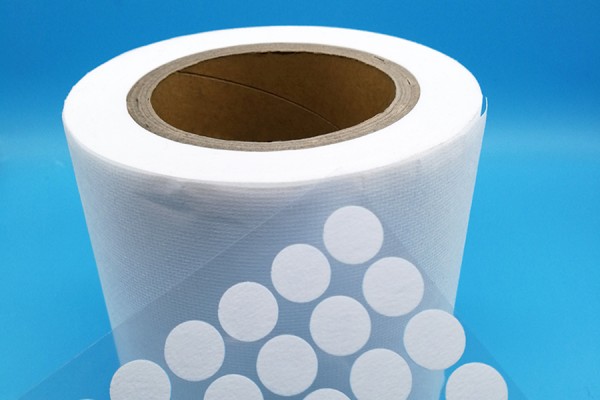
The advancements in ePTFE membranes emphasize their essential role across various industries. stressing their unique properties, ePTFE offers excellent filtration capabilities while maintaining chemical resilience, making it indispensable in sectors like healthcare and aerospace. Their adaptability allows for seamless integration into medical devices, ensuring safety and performance where contamination could pose serious risks. Similarly, in industrial applications, ePTFE enhances the reliability of systems subjected to extreme conditions while contributing to product longevity. These attributes foster improved operational efficiency, demonstrating a clear need for continued investment in ePTFE technology. As industries evolve and face new challenges, the ongoing refinement of ePTFE membranes will likely lead to broader applications and further innovations, solidifying their status as a cornerstone material across specialized fields.
Advancements in ePTFE Membranes
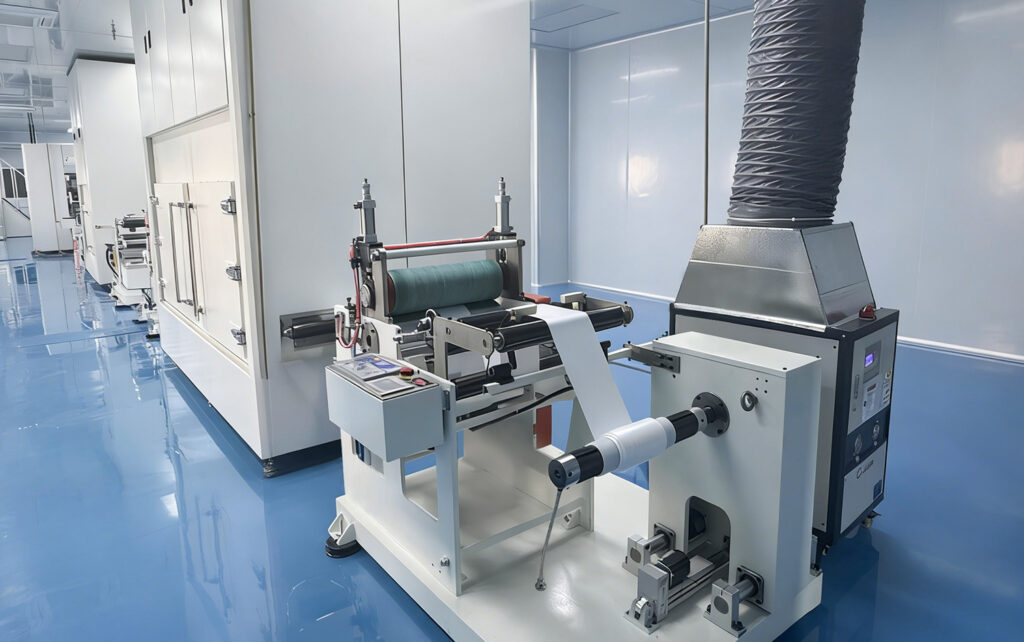
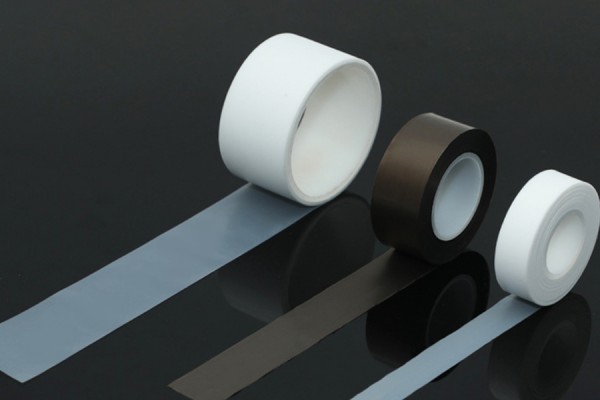
Recent innovations in ePTFE membranes have significantly enhanced their functionality and applications across various sectors. These advancements include improved manufacturing techniques, which ensure greater consistency in pore size and distribution, leading to enhanced performance. The development of high-speed transmission line PTFE wrapping tape has emerged as a critical component in electronic applications, providing efficient signal transmission and robust protection. In addition, advancements in PTFE wrapping film and PTFE Thread Seal Tape offer increased durability and reliability for industrial uses.
The introduction of specialized products like DAC high-speed cable wrapping film showcases the versatility of ePTFE membranes in demanding environments, such as aerospace and medical sectors. Furthermore, AEC high-speed cable wrapping film and AOC high-speed cable wrapping film illustrate the material’s adaptability for high-frequency applications, ensuring minimal signal loss while safeguarding devices from external contaminants.
These developments represent a important shift towards maximizing product efficacy while maintaining the unique characteristics that make ePTFE membranes invaluable across industries. By continuously refining these materials, manufacturers can address evolving market needs while promoting enhanced operational reliability and performance.
Unique properties of ePTFE
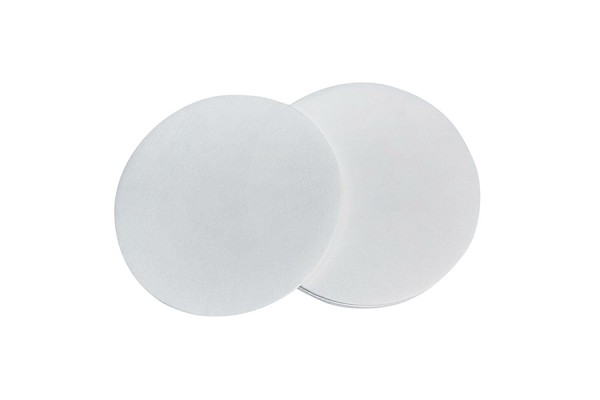
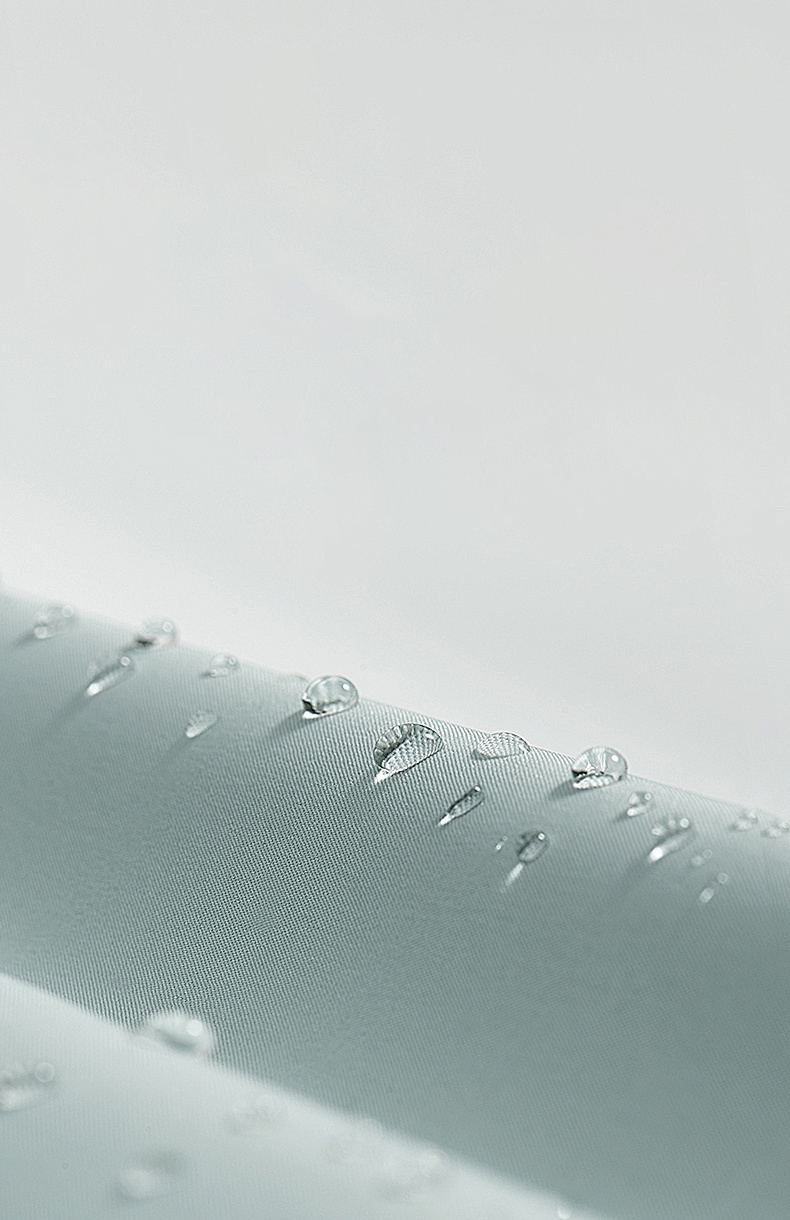
ePTFE stands out due to its exceptional characteristics, making it suitable for a variety of applications. Its porous structure consists of millions of tiny pores, which, with a minimum size of 0.1 microns, effectively allow water vapor to escape while preventing the passage of larger particles. This property is important for applications requiring breathability without compromising protection against water and other contaminants. Furthermore, ePTFE is chemically inert, allowing it to resist degradation in harsh environments, including extreme temperatures and corrosive substances. This stability ensures reliability in demanding scenarios often encountered in industries like aerospace and biopharmaceuticals. The lightweight nature combined with durability enhances its utility, particularly in medical devices where precision and safety are paramount. also, ePTFE maintains acoustic fidelity while offering environmental protection for sensitive electronic components. These unique properties position ePTFE as a versatile material that enhances product performance across various specialized sectors.
ePTFE in Medical Devices
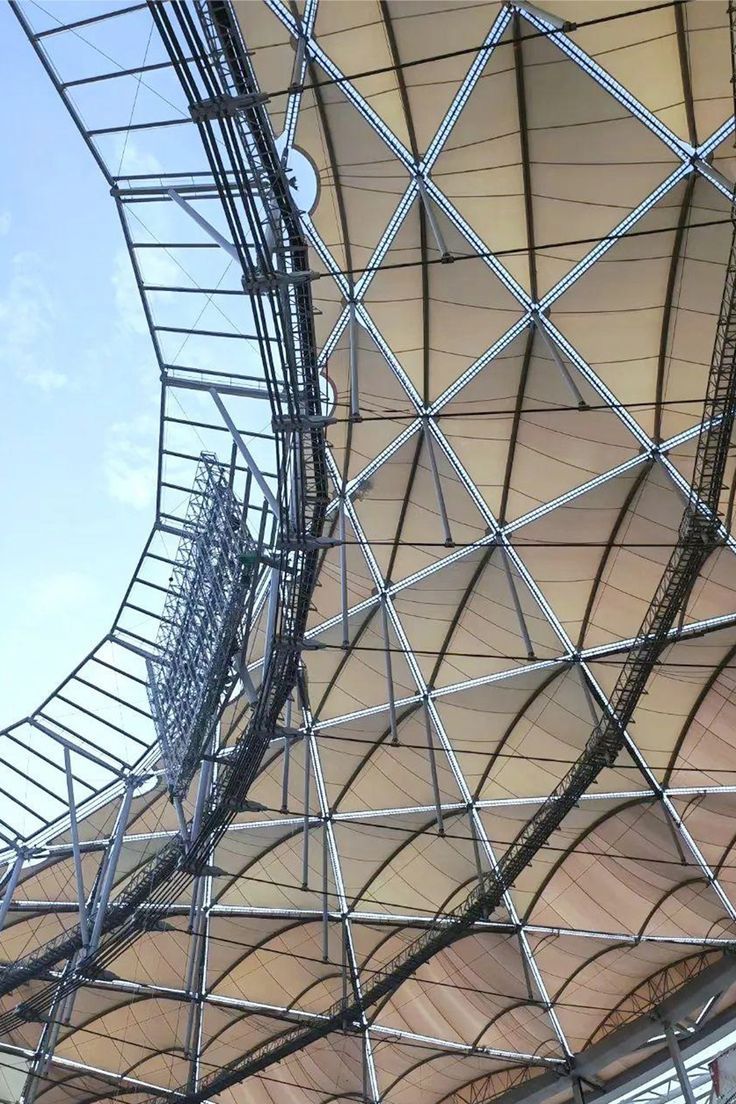
ePTFE membranes play a important role in the medical device sector, primarily due to their unique properties such as biocompatibility and excellent barrier performance. These membranes are employed in various applications, including infusion pumps and monitoring instruments, where they ensure the safe and efficient transfer of fluids while preventing contamination. Their micro-porous structure allows for the passage of gases while blocking liquids, making them suitable for devices that require precise control over fluid dynamics. furthermore, ePTFE membranes are instrumental in developing breathability in surgical drapes and wound dressings, promoting healing while safeguarding against external contaminants. The reliability of ePTFE in extreme conditions further supports its use in critical medical applications, where maintaining performance is main to patient safety and device efficiency. As demand for new medical technologies grows, the application of ePTFE membranes will likely expand, driving further advancements in this vital area of healthcare.
Industrial uses of ePTFE
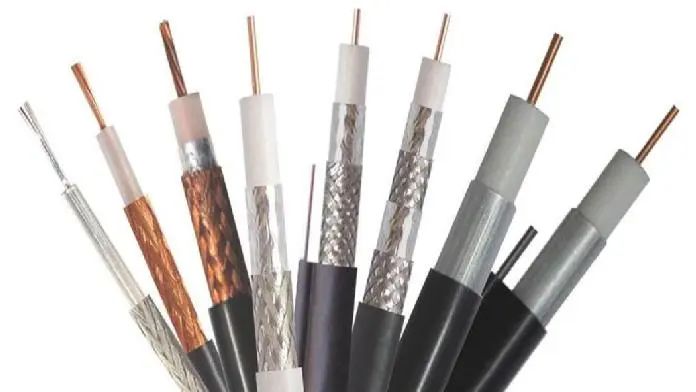
ePTFE membranes are widely utilized across various industrial sectors due to their unique characteristics. Their chemical stability makes them suitable for environments that involve harsh chemicals and extreme temperatures. For example, in the biopharmaceutical industry, ePTFE membranes play a important role in the filtration of sterile solutions, enabling the production of vaccines and therapies while preventing contamination. furthermore, in the aerospace sector, ePTFE is vital for filtration systems that require precise separation and reliability under intense conditions. The food and beverage industry also benefits from ePTFE’s properties; its membranes are employed in processes like water purification and beverage filtration, ensuring product safety and quality. Furthermore, ePTFE is important in oil filtration systems that maintain equipment efficiency while avoiding impure substances. These diverse applications emphasize the importance of ePTFE membranes for enhancing performance and reliability across multiple industries.
Benefits of ePTFE Membranes
ePTFE membranes offer several important advantages that boost their appeal across various sectors. Their high permeability along with excellent chemical stability allows them to perform reliably in demanding environments, including extreme temperatures and aggressive chemicals. This durability minimizes the risk of failure, which is particularly important in critical applications like medical devices and aerospace systems. furthermore, ePTFE membranes effectively block larger particles while allowing water vapor to escape, making them ideal for filtration applications that require both breathability and protection. Their unique structure also contributes to reduced sound transmission, benefiting acoustic applications significantly. Furthermore, the lightweight nature of ePTFE allows for a reduction in overall product weight, enhancing the efficiency and performance of end products. Overall, these membranes not only improve operational efficiency but also promote longevity and reliability across specialized industries.
ePTFE for Aerospace Filtration
ePTFE membranes play a important role in aerospace filtration systems, where reliable performance is essential. Their unique properties, including superior permeability and chemical resistance, make them ideal for filtering air and other fluids in aircraft environments. These membranes effectively block contaminants such as dust and water while allowing necessary airflow, which is important for the safety and efficiency of aircraft operations. The lightweight nature of ePTFE also contributes to reduced overall weight in aircraft design, enhancing fuel efficiency. furthermore, the durability of ePTFE ensures longevity in demanding settings like high-altitude flights where temperature fluctuations and environmental stressors are prevalent. By implementing ePTFE membranes, manufacturers can ensure that their filtration systems not only meet stringent regulatory requirements but also provide enhanced reliability throughout the aircraft’s lifecycle.
Enhancing product reliability with ePTFE
ePTFE membranes play a important role in improving the reliability of various products across multiple industries. Their unique properties, such as high permeability combined with a robust barrier against contaminants, make them ideal for applications requiring stringent performance standards. In medical devices, for instance, ePTFE ensures precise filtration while protecting sensitive systems from particulate contamination. Similarly, in electronic devices, ePTFE membranes support reliable signal transmission by preventing moisture and dust infiltration that could compromise functionality. These membranes can withstand extreme environmental conditions, enhancing product longevity and reducing maintenance needs. Consequently, using ePTFE translates to fewer operational disruptions and improved overall product performance. Industries such as aerospace and food processing further benefit from these enhancements, as their stringent regulatory requirements demand materials that can maintain quality assurance over time.
ePTFE Applications in Food Processing
ePTFE membranes find extensive use in the food processing industry due to their unique properties. Their micro-porous structure efficiently filters contaminants while allowing moisture and gases to pass through, making them ideal for ventilation in packaging processes. For instance, in bottling operations, ePTFE membranes help maintain product freshness by enabling gas exchange without letting harmful contaminants enter the system. Furthermore, they are important in cleanroom environments where strict hygiene standards are essential. By effectively blocking particulates and bacteria, ePTFE membranes improve hygiene and safety during food production. also, their chemical resistance ensures that they remain effective even when exposed to various food processing agents. The versatility of ePTFE allows its application in filtration systems for beverages, ensuring clarity and taste preservation while extending product shelf life. These characteristics make ePTFE an invaluable component in supporting quality management across the food processing sector.
Conclusion
the advancements in ePTFE membranes mention their growing importance across specialized industries. These materials not only contribute to improving product performance but also ensure reliability under various operational stresses. With applications ranging from medical devices to aerospace filtration, ePTFE membranes demonstrate versatility that meets the demands of different sectors. Their unique properties, such as chemical resistance and high permeability, enable manufacturers to develop original solutions that prioritize safety and efficacy. As industries continue to evolve, the role of ePTFE membranes will become increasingly critical in addressing emerging challenges while maintaining high standards of quality and performance. Continued research and development in this field will likely yield further enhancements, expanding their applicability and solidifying their status as essential components in modern technology and manufacturing processes.
FAQs
What are ePTFE membranes and their applications?
ePTFE membranes are porous structures made from expanded polytetrafluoroethylene, used across various sectors for filtration, barrier protection, and fluid transfer.
Why are ePTFE membranes considered beneficial in medical devices?
Their biocompatibility and excellent filtration properties make ePTFE ideal for medical applications, ensuring safe and efficient fluid transfer while preventing contamination.
How do ePTFE membranes function in food processing?
In food processing, ePTFE membranes filter contaminants and allow gas exchange, which is important for maintaining product freshness and hygiene.
What is the significance of ePTFE in the aerospace industry?
ePTFE membranes boost reliability in aerospace applications by efficiently filtering air and fluids while withstanding harsh environmental conditions.
How do manufacturers ensure the quality of ePTFE membranes?
Quality control of ePTFE membranes is achieved through stringent testing procedures that monitor permeability, durability, and chemical resistance to meet industry standards.
Can ePTFE membranes be used in high-temperature environments?
Yes, ePTFE membranes possess thermal stability, making them suitable for applications that involve extreme temperatures without compromising performance.
What advantages do ePTFE membranes offer compared to other materials?
ePTFE membranes provide superior chemical resistance, high permeability, and lightweight properties that outperform many other materials in demanding applications.
Are there any limitations to using ePTFE membranes?
While versatile, limitations include potential higher costs compared to some alternatives and specific processing requirements for optimal performance.
How can businesses benefit from integrating ePTFE into their products?
Integrating ePTFE can boost product performance by enabling effective filtration, improving durability, and ensuring reliability across various operating conditions.