important Takeaways
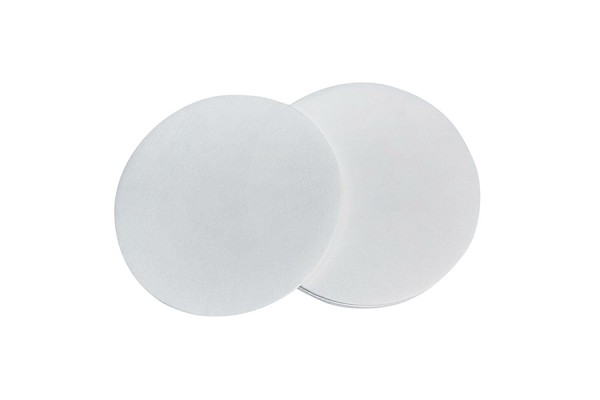
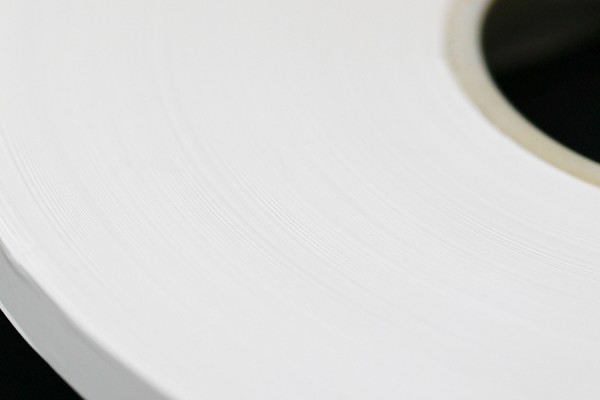
PTFE cable coil wrapping film is a key element for achieving reliable electrical insulation across a range of applications. It is notable for its low dielectric loss, which preserves signal integrity during high-frequency transmission. The film’s moisture resistance is important, preventing potential failures in humid conditions and extending the life of electrical systems. Its capacity to tolerate a wide temperature span from -200°C to +260°C ensures it functions in extreme environments, making it adaptable for industries like telecommunications and aerospace. The durability of PTFE film lets it serve as a protective barrier against environmental stressors, displaying its reliability in demanding uses. Overall, the properties of PTFE wrapping film improve the efficiency, longevity, and performance of electrical systems, making it a useful option for modern technological needs.
Benefits of PTFE Cable Film
PTFE cable wrapping film offers clear advantages for electrical insulation, especially in high-frequency settings. Its low dielectric loss is vital for maintaining signal integrity in high-speed transmission line PTFE wrapping tape applications, reducing signal degradation. This film also resists moisture, keeping cable insulation effective in humid conditions, which supports lasting performance. The versatility of PTFE wrapping film includes a broad operating temperature range, functioning safely from -200°C to +260°C. That attribute makes it appropriate for demanding tasks across different industries. Also, products like PTFE Thread Seal Tape and DAC high-speed cable wrapping film can provide dependable protection against environmental threats. The durability and stability of PTFE cable roll coating help cables retain optimal performance in both commercial aerospace contexts and consumer electronics. Overall, using PTFE cable wrapping tape improves the reliability and efficiency of electrical systems while helping their longevity across many applications.

Enhancing electrical insulation
PTFE cable coil wrapping film noticeably improves electrical insulation because of its specific material properties. The film’s low dielectric loss enables efficient signal transmission, limiting energy loss during high-frequency use. That trait matters for modern systems that require fast data movement. Also, PTFE’s built-in moisture resistance prevents electrical failures in humid settings, keeping performance steady over time. Built for harsh conditions, the film functions across a wide temperature window, from -200°C to +260°C, so it stays consistent even when temperatures swing. This adaptability lengthens the life of electrical parts and helps improve overall system reliability. Taken together, these features make PTFE cable coil wrapping film a strong choice for insulation in challenging applications, reinforcing its important role in high-frequency technology.
Low dielectric loss explained
low dielectric loss in PTFE cable coil wrapping film matters for preserving signal integrity, particularly in high-frequency systems. This trait lets the film limit energy loss as electrical signals travel through it. A low dielectric constant cuts down on capacitive coupling, which otherwise can slow signal transmission and hurt system performance. PTFE’s fiber-like structure lowers dielectric loss by approximating the insulating properties of air, thereby improving its function as an insulating layer. That feature is especially useful in situations where tiny amounts of signal degradation are unacceptable, like microwave communications and fast data links. When PTFE cable coil wrapping film is used, systems gain better efficiency and steadiness, which is important for modern applications that demand reliability under changing conditions.
Moisture resistance factor
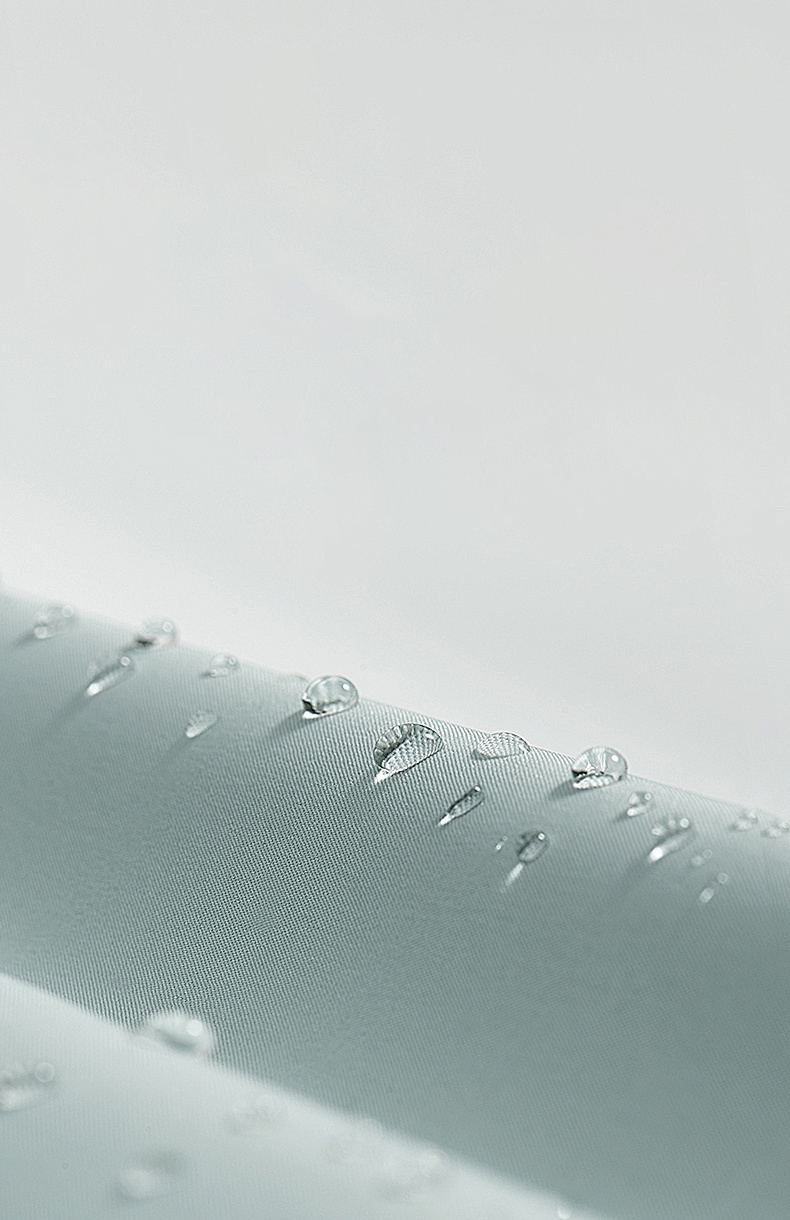
PTFE cable coil wrapping film performs very well against moisture because of its porous structure, which repels water yet allows some evaporation. This hydrophobic quality is important for keeping electrical performance stable, particularly in humid places where moisture can cause signal problems. By stopping water uptake, PTFE film keeps insulation effective, lowering the chance of short circuits or signal drops. Also, this moisture resistance helps cables last longer by shielding them from corrosion and damage that often comes with prolonged wet exposure. That resilience makes PTFE wrapping film a preferred option where cables face harsh environmental conditions. Its behavior is especially helpful in areas like telecommunications and aerospace, where reliability and efficiency matter a lot.
Temperature range advantages
PTFE cable coil wrapping film shows strong stability across a wide temperature spectrum, working well in conditions from -200°C to +260°C. That broad capability is essential for applications that experience extreme thermal stress. The film preserves its structure and performance under both intense cold and heat, helping electrical parts stay reliable and insulated despite temperature swings. This feature is crucial for high-frequency work where any loss of signal quality can cause big performance problems. In addition, its toughness supports long-term use in harsh environments common to sectors such as aerospace and telecommunications. With PTFE’s resistance to thermal breakdown, electrical insulation lasts longer, which in turn lowers maintenance requirements and cuts operational downtime.
Versatile PTFE Applications
PTFE cable coil wrapping film fills many necessary roles across different industries. Its strong electrical insulation makes it suitable for wiring in places with extreme temperatures and aggressive chemicals. Also, it is widely applied in RF communication system manufacturing, where preserving signal integrity is important. The moisture-resistant nature of PTFE means these cables keep working reliably even in damp conditions, preventing potential signal issues. Furthermore, PTFE’s resilience fits aerospace needs, where temperature swings and chemical exposure are common. In automotive and industrial uses, this film is key for building tough wire harnesses and shielding sensitive parts from environmental stressors. As high-frequency communication technologies like 5G and emerging 6G advance, demand for dependable materials such as PTFE should rise, since industries want stable performance and lasting components under difficult conditions.
High-Frequency Performance
PTFE cable coil wrapping film plays a central role in high-frequency scenarios where signal integrity matters. Its low dielectric constant helps cut down signal delay and reduces capacitive coupling, which makes it useful for advanced systems like 5G and beyond. The porous structure of PTFE tape delivers excellent electrical insulation, which helps prevent signal loss or interference. Also, its chemical inertness boosts reliability even in tough environments, ensuring consistent behavior. This film’s resistance to extreme temperatures further supports its ability to preserve high-frequency transmission. With growing demand for integrated circuits and telecom infrastructure, engineers increasingly treat PTFE cable wrapping film as a core option for dependable solutions in contemporary designs.
Coil wrapping for Durability
Coil wrapping with PTFE cable film noticeably extends the life of electrical components. Its distinct properties form a sturdy shield against a variety of environmental factors. The low dielectric loss feature helps preserve signal integrity, which is especially important for high-frequency uses. Moreover, PTFE’s moisture resistance keeps wrapped cables working in humid conditions without losing performance. The temperature tolerance from -200°C to +260°C permits reliable use in extreme settings, reducing the thermal expansion and contraction that can damage integrity. That toughness makes PTFE tape appropriate for industries that need robust electrical insulation, such as aerospace and telecommunications. As those sectors adopt newer technologies, coil-wrapped cables boost durability and reliability to meet strict industry standards and demands. This helps ensure that even under heavy stress, cable systems keep functioning over time.
Conclusion
overall, PTFE cable coil wrapping film is a strong option for improving electrical insulation in many different applications. Its distinct properties, like low dielectric loss and strong moisture resistance, deliver dependable performance in difficult conditions. The film’s tolerance for extreme temperatures supports its use in industries that require stability and toughness, including telecommunications and aerospace. As efficient electrical systems become more important with technological progress, PTFE wrapping film plays an increasingly important role. Using this material improves the longevity and resilience of electrical parts and also supports movement toward more advanced high-frequency systems. Choosing PTFE cable coil wrapping film is therefore a strategic way to boost system performance while lowering risks tied to environmental factors.
FAQs
What is PTFE cable coil wrapping film used for?
PTFE cable coil wrapping film is mainly used for electrical insulation in high-frequency settings, offering low dielectric loss and moisture resistance.
How does PTFE cable wrapping film boost electrical insulation?
Its low dielectric loss helps ensure efficient signal transmission, and its moisture resistance protects against environmental factors that can cause signal degradation.
What temperature range can PTFE wrapping film withstand?
PTFE cable coil wrapping film functions reliably across a wide temperature span from -200°C to +260°C, maintaining performance in extreme conditions.
Can PTFE film be used in humid environments?
Yes, the moisture-resistant traits of PTFE wrapping film make it suitable for damp conditions, preventing water absorption and possible electrical failures.
Is PTFE cable wrapping film suitable for high-frequency applications?
Yes. Its particular properties reduce signal loss and preserve integrity, making it well suited for advanced communication technologies.