important Takeaways
Polytetrafluoroethylene (PTFE) wrapping film is a versatile and essential material within high-performance applications, demonstrating important advantages in industries like aerospace and electronics. Its durability allows it to withstand extreme temperatures, contributing to the reliability of components in challenging environments. Furthermore, the film’s outstanding chemical resistance safeguards sensitive materials from harsh substances that could impair functionality. With non-stick properties, PTFE wrapping films simplify maintenance tasks while reducing friction between surfaces, enhancing operational efficiency across various uses. In sectors like food processing and healthcare, PTFE not only meets stringent hygiene standards but also extends the life of both equipment and products. Overall, PTFE wrapping film exemplifies how advanced materials can improve performance and longevity in demanding applications, making it a useful choice for industries striving for innovation and excellence.
Polytetrafluoroethylene film insights
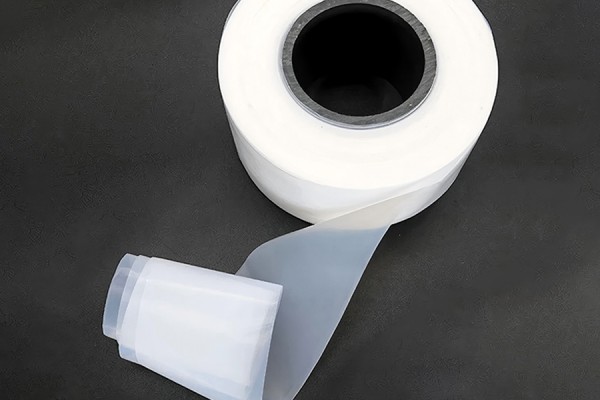
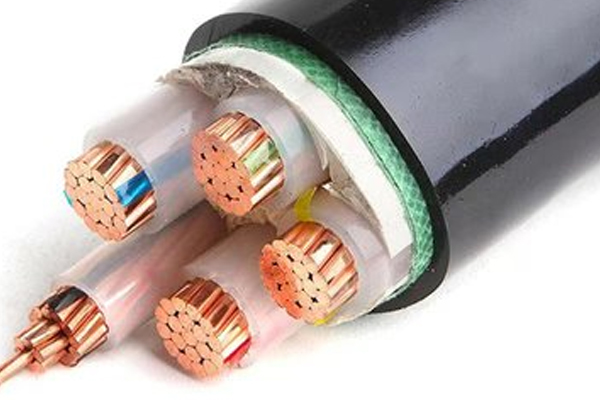
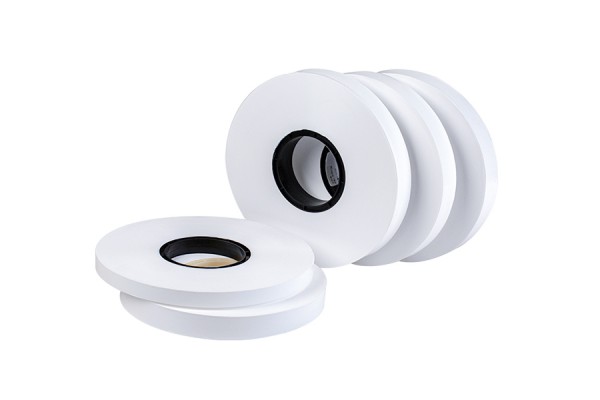
Polytetrafluoroethylene (PTFE) wrapping film plays a significant role across various high-performance applications. This specialized film is widely recognized for its durability and chemical resistance, making it an for industries like aerospace and electronics. The important forms of PTFE wrapping film include PTFE Thread Seal Tape, PTFE cable wrapping tape, and high-speed transmission line PTFE wrapping tape, each tailored for specific functions. Notably, DAC high-speed cable wrapping film and AEC high-speed cable wrapping film cater to the needs of advanced manufacturing processes.
PTFE’s non-stick surface not only enhances operational efficiency but also minimizes friction in challenging environments. The application of PTFE in cable roll coating further establishes its utility in protecting sensitive components from environmental factors. With these attributes, the versatility of PTFE film extends to use cases that include insulation in high-speed cables and protective coatings in various devices. As companies increasingly recognize the benefits of employing PTFE materials, innovations in product designs continue to emerge, illustrating the major impact of this material on productivity and performance standards.
Applications of PTFE Film
Polytetrafluoroethylene (PTFE) film finds extensive use across various industries due to its exceptional properties. In the aerospace sector, PTFE film is a lightweight and durable material for insulating wires and cables, ensuring reliable performance in high-stress environments. furthermore, it’s employed in the electronics industry, providing electrical insulation in devices where heat and chemical exposure are concerns. In food processing, the non-stick nature of PTFE film enhances operational efficiency by preventing food residue buildup on surfaces, making cleaning easier and improving hygiene. The healthcare sector utilizes PTFE film for manufacturing medical devices, including surgical instruments and membranes for filtering blood. It also plays a vital role in environmental applications, where it functions in air and water filtration systems to ensure compliance with safety standards. This diverse range of applications showcases how PTFE film enhances functionality and safety across multiple high-performance environments.
Durability of PTFE Wrapping
Polytetrafluoroethylene (PTFE) wrapping film offers impressive durability, which is a main factor in its widespread use across various industries. This film can withstand extreme temperatures, ranging from -200°C to +260°C, making it ideal for environments that experience thermal fluctuations. Its resistance to wear and tear further enhances its longevity, as it maintains structural integrity even under mechanical stress. also, PTFE wrapping exhibits excellent tensile strength, which prevents tearing or tearing during application. The material’s low friction properties reduce the wear on equipment it wraps, contributing to a longer lifespan and reducing maintenance costs over time. Furthermore, PTFE’s chemical resistance means it can endure exposure to harsh solvents and corrosive substances without degrading. This level of resilience allows industries such as aerospace and electronics to utilize PTFE wrapping in critical applications where reliability is essential. As a result, PTFE film not only meets but often exceeds performance expectations in high-demand environments.
Chemical resistance explained
polytetrafluoroethylene (PTFE) exhibits exceptional chemical resistance, a main characteristic that enhances its utility across various industries. This material is stable at high temperatures and withstands corrosive environments, making it ideal for applications where exposure to harsh chemicals is common. PTFE’s ability to resist acids, bases, and solvents ensures that it maintains its structural integrity and performance over time. In the aerospace sector, its chemical resilience plays a critical role in protecting sensitive components from degradation. Similarly, within the electronics industry, PTFE wrapping film safeguards wiring and components from chemical exposure that could compromise functionality. This unique resistance not only prolongs the lifespan of products but also reduces maintenance costs, positioning PTFE as a reliable choice in demanding environments. As industries continue to seek materials that can endure extreme conditions, PTFE’s notable chemical resistance remains a significant advantage in high-performance applications.
Benefits of Non-Stick Films
Non-stick films made from Polytetrafluoroethylene (PTFE) offer a range of advantages across multiple industries. Their unique surface reduces friction, making them ideal for applications where materials slide against each other. This property not only enhances performance but also extends the lifespan of mechanical components, lowering maintenance costs. In the food industry, non-stick films simplify cooking and cleaning processes, reducing food residue on surfaces and making them easier to handle. Furthermore, these films resist chemical reactions, providing a protective barrier against harsh substances commonly found in industrial settings. This characteristic ensures that the integrity of both the film and the surfaces it protects is maintained under extreme conditions. furthermore, non-stick PTFE films are lightweight yet durable, offering operational efficiencies where weight savings are critical, such as in aerospace applications. Overall, their versatile nature makes non-stick PTFE films a useful choice for enhancing both functionality and durability in high-performance scenarios.
PTFE in Industrial Use
Polytetrafluoroethylene (PTFE) plays a significant role in various industrial settings, thanks to its unique properties. In manufacturing, PTFE is utilized for conveyor belts and guide rails where reduced friction is essential, improving operational efficiency. Its chemical resistance makes it ideal for lining equipment that handles aggressive substances, preventing contamination and prolonging equipment life. furthermore, PTFE protects sensitive components from thermal damage in high-heat applications, ensuring reliability even under extreme conditions. The non-stick qualities of PTFE are particularly beneficial in food processing industries, where it helps simplify cleaning processes and maintain hygiene standards. As industries increasingly prioritize performance and durability, the adoption of PTFE in industrial applications continues to grow, underscoring its value as an essential material across different sectors.
High-Performance Film Features
Polytetrafluoroethylene (PTFE) wrapping film is known for its exceptional high-performance characteristics. One of its most important features is its remarkable resistance to extreme temperatures, allowing it to perform consistently in a variety of challenging environments. This thermal stability ensures that PTFE films maintain their integrity and effectiveness, even when exposed to significant heat fluctuations. Moreover, the non-stick surface of PTFE films facilitates easy handling and application in processes where material buildup could hinder operations. Another important attribute is the film’s flexibility, which allows it to conform to various shapes and surfaces without compromising its chemical resistance. This adaptability makes PTFE wrapping film suitable for applications in industries like aerospace and electronics, where precision and reliability are critical. furthermore, the film’s lightweight nature aids in reducing overall material costs while enhancing operational efficiency across multiple sectors. These combined features make PTFE wrapping films an indispensable resource for high-performance applications, contributing to increased durability and longevity in industrial uses.
Revolutionizing aerospace with PTFE
Polytetrafluoroethylene (PTFE) is transforming the aerospace sector with its exceptional properties. Its low friction and high-temperature resilience make PTFE wrapping film ideal for various applications, from wiring insulation to component protection. Aircraft components experience harsh conditions, including temperature fluctuations and exposure to corrosive substances. Using PTFE film effectively addresses these challenges by providing a protective barrier that enhances the longevity of vital parts.
also, PTFE’s chemical resistance ensures that aircraft materials remain intact and functional, even when exposed to fuels and lubricants. This durability contributes to safety and reliability in aerospace engineering, where every detail matters. The non-stick characteristics of PTFE further reduce maintenance needs by preventing debris accumulation on surfaces. By integrating PTFE wrapping film into design specifications, manufacturers can achieve more efficient operations while maintaining compliance with stringent aerospace standards.
Moreover, the lightweight nature of PTFE contributes to overall weight reduction in aircraft design, positively impacting fuel efficiency and performance. As a result, the use of Polytetrafluoroethylene in aerospace applications not only meets industry demands but also represents a strategic advancement toward sustainable aviation practices.
Conclusion
Polytetrafluoroethylene (PTFE) wrapping film stands out as a important material in high-performance applications, thanks to its distinctive properties. The film’s exceptional durability and chemical resistance empower it to excel in demanding environments across diverse industries. As aerospace, electronics, and manufacturing sectors increasingly prioritize efficient and reliable materials, PTFE film has established itself as a main player. Its non-stick characteristics not only simplify maintenance but also extend the life of wrapped components. With ongoing advancements and innovations, the role of PTFE in enhancing operational efficiency continues to evolve, further demonstrating its significance in meeting modern engineering challenges. The versatility and performance of PTFE wrapping film ensure that it remains integral to developing solutions that require both reliability and longevity. As industries navigate the complexities of performance expectations, PTFE will undoubtedly play a significant role in shaping future applications and designs.
FAQs
What is Polytetrafluoroethylene (PTFE) wrapping film?
Polytetrafluoroethylene (PTFE) wrapping film is a specialized material known for its durability, chemical resistance, and non-stick properties, making it suitable for high-performance applications across various industries.
What industries commonly use PTFE wrapping film?
PTFE wrapping film is widely utilized in industries such as aerospace, electronics, food processing, healthcare, and environmental applications due to its versatile properties.
How does PTFE wrapping film improve durability?
PTFE wrapping film can withstand extreme temperatures and mechanical stress while exhibiting excellent tensile strength. Its low friction characteristics also reduce wear on the equipment it wraps.
Is PTFE chemically resistant?
Yes, PTFE is highly resistant to acids, bases, and solvents. This chemical resistance allows it to maintain structural integrity even in harsh environments.
What are the benefits of using non-stick PTFE films?
Non-stick PTFE films reduce friction between surfaces, simplify cleaning processes in food industries, and protect equipment from chemical reactions, ultimately leading to longer operational lifespans.
How does PTFE contribute to aerospace applications?
In aerospace applications, PTFE provides essential insulation for wires and protects components from extreme conditions and corrosive substances while also reducing maintenance needs through its non-stick properties.