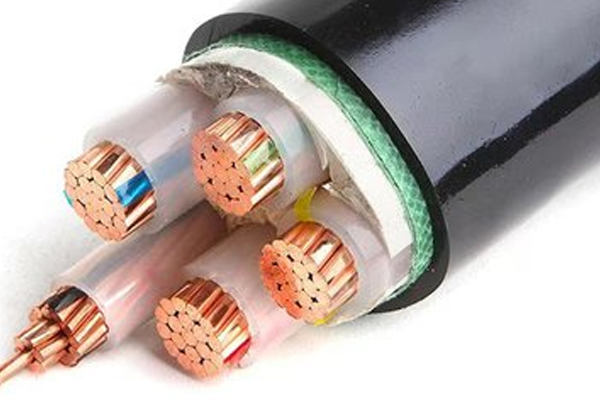
main Takeaways
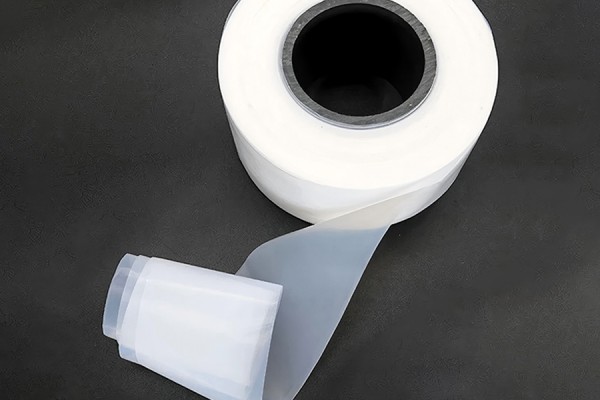
The adoption of PTFE cable coil wrapping film is essential for improving the electrical performance of modern communication technologies.
Its low dielectric constant plays a major role in ensuring fast signal transmission while minimizing loss, which is particularly advantageous in high-frequency environments.
The reliable insulation it offers prevents short circuits and shields against moisture and other environmental factors, extending the cables’ lifespan.
PTFE’s ability to withstand extreme temperatures keeps cable performance stable across diverse conditions, which suits applications such as aerospace and data centers.
The chemical resistance of PTFE further protects electrical components from degradation, promoting durability and reliability.
Taken together, these qualities emphasize why selecting PTFE materials helps optimize high-performance data communication systems and supports the ongoing evolution of technology within a competitive scene.
Enhancing electrical efficiency with PTFE Film
PTFE cable wrapping film plays a vital role in improving electrical efficiency for modern communication technologies.
Its low dielectric constant is key for high-speed transmission line PTFE wrapping tape, letting signals travel quickly with minimal loss.
That trait matters in applications that demand reliable signal integrity, especially in high-frequency settings.
Furthermore, PTFE materials offer strong insulation that prevents short circuits and leakage, which keeps performance stable.
The superior temperature resistance of PTFE cable roll coating helps it keep functioning in extreme conditions, which is critical for key infrastructure.
These attributes combined make DAC high-speed cable wrapping film and other specialized variants like AEC high-speed cable wrapping film indispensable for sectors that need top communication capabilities.
In aerospace or modern data centers alike, using ACC high-speed cable wrapping film improves overall electrical performance and efficiency, reinforcing why engineers choose PTFE materials for today’s data cables.

The role of PTFE in Communication
PTFE cable coil wrapping film plays an important role in modern communication systems by improving signal fidelity and transmission efficiency.
Its low dielectric constant enables faster signal propagation, which is vital in high-frequency applications where speed matters.
The reliable insulation PTFE provides keeps signals intact and prevents short circuits and leakage that would harm performance.
That reliability matters most where electromagnetic interference is common, because PTFE’s chemical inertness helps it hold up under different conditions.
Also, as communication technologies push for higher data rates and broader bandwidths, demand for materials like PTFE increases.
Its unique properties meet those technical needs and support the development of advanced systems across telecom and aerospace.
"Utilizing PTFE equips communication technologies with the resilience needed in today’s fast-paced digital landscape."
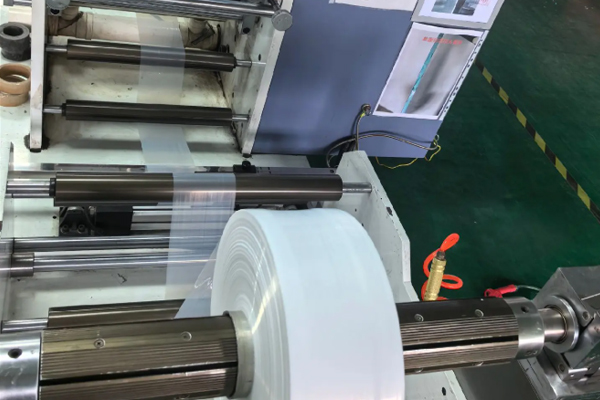
Benefits of PTFE Cable Wrapping
PTFE cable coil wrapping film brings several important advantages that noticeably improve electrical performance.
Its low dielectric constant is key to preserving high signal integrity, enabling faster data transmission in high-frequency use.
That trait reduces signal loss, which matters in settings where performance is critical, like telecoms and data centers.
Moreover, PTFE’s dependable electrical insulation prevents leakage and short circuits, ensuring cables operate optimally.
This material also performs across extreme temperatures, keeping its properties between -150°C and 260°C.
As a result, PTFE cable wrapping works effectively in harsh environments without sacrificing performance.
Its chemical resistance further improves durability; it resists most solvents and chemicals, extending cable lifespan in many applications.
By using PTFE materials, manufacturers can meet rising expectations for efficiency and reliability in modern communication technologies.
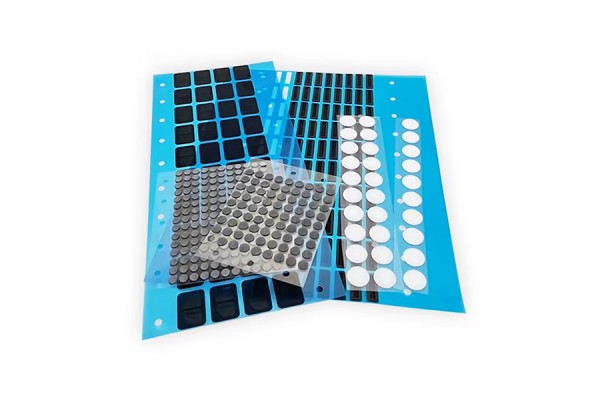
High-Frequency Performance Boosts
PTFE cable coil wrapping film significantly improves the performance of high-frequency applications.
Its low dielectric constant cuts signal loss and boosts signal integrity during transmission.
That matters in modern communication tech, where keeping high-quality data transfer is critical.
PTFE’s reliable electrical insulation prevents short circuits and leakage, stabilizing signal flow across different operating conditions.
The film’s tolerance for extreme temperatures, from -150°C to 260°C, adds to its value in high-frequency settings by enabling consistent performance despite environmental stress.
Also, modified PTFE grades increase creep resistance and improve dielectric characteristics, which makes them fit for advanced uses like high-speed data cables and semiconductor parts.
As data needs rise with technologies such as AI workloads and 6G networks, PTFE cable coil wrapping film remains an important component in optimizing electrical efficiency and cable longevity.
Temperature resistance of PTFE Films
PTFE films show exceptional temperature resistance, working effectively across a wide range from -150°C to 260°C.
That capability makes them well suited for demanding uses where thermal stability matters.
Maintaining performance under extreme conditions is essential in modern communication gear, which can face big temperature swings.
PTFE’s molecular structure underpins its durability, letting it resist both high heat and freezing without breaking down.
That resilience is critical to preserving signal transmission integrity in high-frequency systems.
Built into cable assemblies, PTFE films add reliability by avoiding problems from thermal expansion and contraction that could harm electrical performance.
Furthermore, the films remain flexible at low temperatures, so they adapt to different environments without losing function.
Overall, the strong temperature resistance of PTFE films makes them an important component in high-performance data cables, supporting growing demands from advanced communication networks.
Reliable insulation with PTFE Materials
PTFE materials offer outstanding electrical insulation, which makes them a top option for high-frequency uses.
Their chemical stability and thermal resistance stop signal degradation and keep performance steady.
A low dielectric constant lets PTFE speed up signal transmission, cutting energy loss during data transfer.
Furthermore, PTFE’s strong weathering and chemical resistance shield cables from moisture and corrosives.
That durability leads to longer service life for cables in demanding arenas like telecom and aerospace.
Using PTFE cable coil wrapping film allows manufacturers to meet strict requirements for modern high-frequency communication technologies without sacrificing electrical reliability.
PTFE’s insulating traits also reduce short-circuit and leakage risks, which matters when protecting sensitive data links.
Why choose PTFE for Data Cables
PTFE, or polytetrafluoroethylene, offers several advantages that make it a strong choice for data cable applications.
Its low dielectric constant markedly improves signal transmission speed, which matters in high-frequency communication systems.
Furthermore, PTFE’s strong electrical insulation prevents signal shorting or leakage, ensuring dependable performance in complex circuitry.
The material’s excellent temperature resistance lets it operate in extreme environments, from cold conditions to high heat.
That behavior is necessary for data cables used in demanding roles like AI servers and upcoming 6G tech.
Moreover, PTFE displays excellent chemical resistance, guarding cables against degradation from various chemicals and solvents.
With these traits, PTFE cable wrapping films improve overall efficiency and reliability in data communication systems, making them essential in modern technological infrastructures.
Innovations in Cable Technology
Advances in cable design have significantly altered communication infrastructure.
PTFE cable coil wrapping film plays an important role by improving high-frequency data transmission performance.
The film is engineered to tackle electromagnetic interference so signal integrity holds up under tough conditions.
Engineers are using improved manufacturing methods to make films with optimized thickness and structure, which gives better flexibility and durability.
Furthermore, progress in composite materials lets PTFE films work with other substrates, opening the door to hybrid solutions that raise overall performance.
As demand for faster, more reliable networks increases, research into PTFE variants will keep stretching what’s possible in cable tech.
This change supports present needs and prepares systems for future applications that need robust, efficient data transfer capabilities.
Conclusion
The integration of PTFE cable coil wrapping film into modern communication technologies has proven important for improving electrical performance.
Its low dielectric constant helps minimize signal loss and supports efficient data transmission needed in high-frequency applications.
Moreover, PTFE’s strong insulation properties protect against short circuits and signal leakage, which preserves reliability in complex circuits.
Able to withstand extreme temperatures, PTFE films keep their structure and function under tough conditions, making them well suited to varied environments.
As technology moves forward and demand for faster, more reliable networks increases, PTFE’s role grows in importance.
Ongoing innovations in cable tech emphasize selecting high-quality materials like PTFE to meet changing needs in data communication and infrastructure.
The particular strengths of PTFE cable wrapping films improve electrical efficiency while laying a stable base for future advances in communication technologies.
FAQs
What is PTFE cable coil wrapping film?
PTFE cable coil wrapping film is a specialized material used to insulate and improve the performance of electrical cables, especially in high-frequency roles.
How does PTFE improve electrical performance?
PTFE improves electrical performance by providing a low dielectric constant and reliable insulation, which minimizes signal loss and prevents short circuits in data transmission.
What temperature range can PTFE films withstand?
PTFE films are capable of functioning effectively between -150°C to 260°C, making them ideal for extreme environmental conditions.
Is PTFE resistant to chemicals?
Yes, PTFE is highly resistant to various chemicals and solvents, which helps protect cables from degradation and improves their durability.
Why is PTFE preferred for high-frequency applications?
PTFE is preferred for high-frequency applications due to its low dielectric constant that allows for faster signal propagation while maintaining signal integrity.
How does PTFE compare to other insulation materials?
Compared to other insulation materials, PTFE offers superior temperature resistance, lower signal loss, and greater chemical stability, making it more suitable for modern communication technologies.
Can PTFE materials be used in aerospace applications?
Yes, PTFE materials are commonly used in aerospace applications due to their excellent thermal characteristics and reliability under extreme conditions.