
main Takeaways
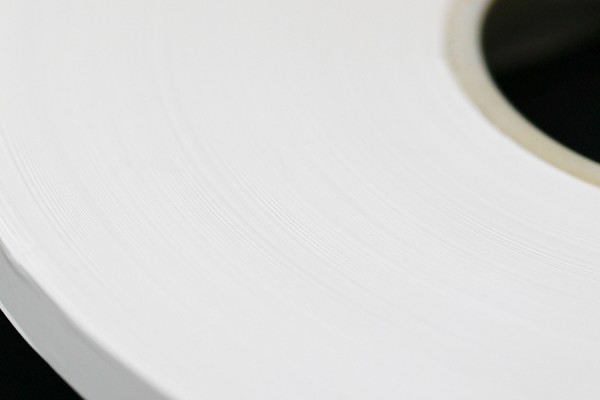
PTFE high-speed cable film offers significant advantages for a variety of electrical applications. Its heat resistance guarantees performance in extreme temperatures, ranging from -200°C to +260°C, making it a dependable choice for challenging environments. The film’s lightweight yet resilient construction simplifies handling and installation, while its thin design allows for efficient use in high-density wiring setups. Moreover, excellent shielding capabilities reduce electromagnetic interference, ensuring reliable signal transmission even in complex electronic systems. The flexibility inherent in PTFE film enhances its adaptability during installation, allowing it to conform to various configurations without losing structural integrity. furthermore, its chemical inertness ensures durability and continued functionality in harsh or corrosive settings often encountered in industries like aerospace or automotive. Together, these features reinforce the operational reliability and efficiency of electrical systems that utilize PTFE high-speed cable film as a main insulation solution.
High-Temperature Cable Insulation Solutions
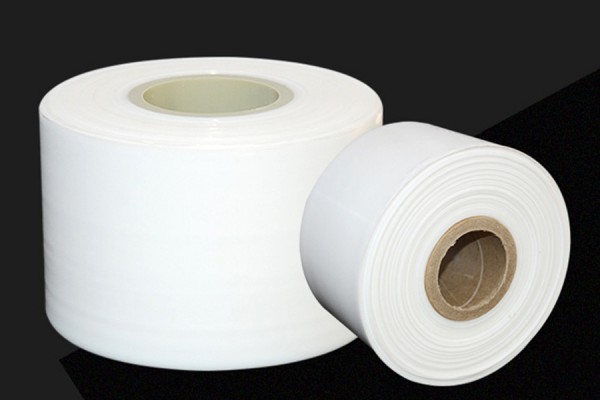
PTFE high-speed cable film is an excellent option for high-temperature cable insulation. Known for its remarkable heat resistance, it maintains stability in extreme thermal ranges. These films are adept at handling temperatures as low as -200°C to over +260°C, with tolerance to short bursts exceeding 300°C. This makes them suitable for applications in challenging environments, such as aerospace and automotive sectors. The unique properties of the film, including its low dielectric constant and high insulation strength, enable reliable signal transmission, important for modern electrical systems. In the realm of high-speed transmission lines, PTFE wrapping tape and PTFE wrapping film provide an effective barrier against environmental influences, ensuring consistent performance. Designed to meet the demands of current electrical applications, these materials are a staple in industries relying on specialized wiring solutions. The versatility of PTFE cable wrapping tape also enhances its usability across various applications, including RF and microwave communication cables, and automotive harnesses where thermal resistance is main.
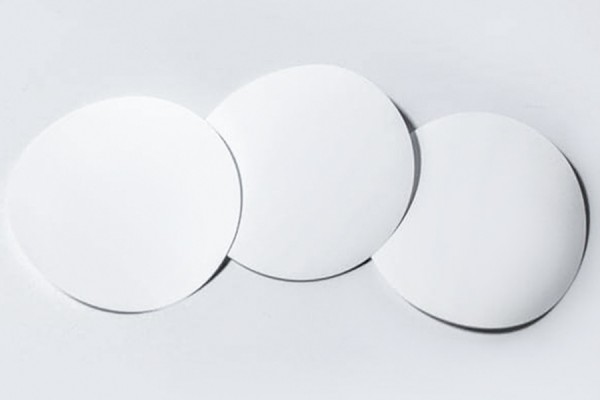
Exceptional shielding for Advanced Signals
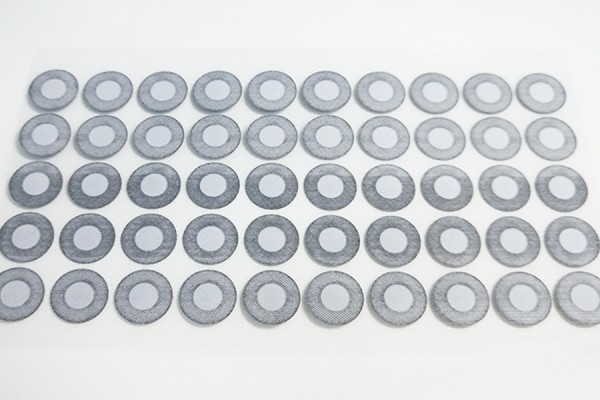
The PTFE high-speed cable film delivers exceptional shielding performance, key for minimizing electromagnetic interference in advanced electrical systems. Its micro-perforated structure helps create an effective barrier against external noise, ensuring that signal integrity is maintained. This is particularly important in environments where high frequencies are common, such as RF and microwave applications. Not only does the film provide effective shielding, but it also enhances overall flexibility, allowing for easier integration into complex wiring setups. The lightweight design does not compromise performance; instead, it supports reliable signal transmission essential for high-speed communications and data transfer. By utilizing advanced materials and new engineering techniques, PTFE cable films set a new standard for shielding capabilities in demanding electrical applications.
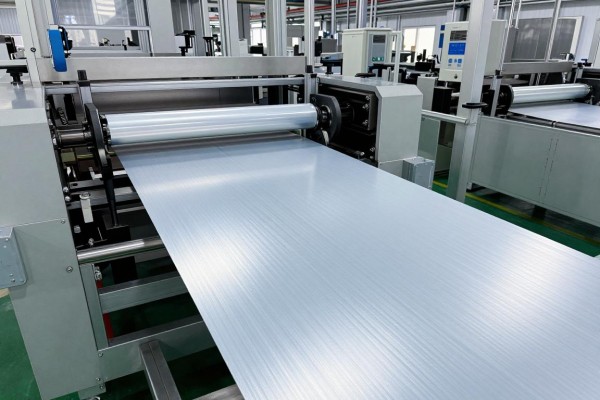
Flexibility and Performance in All Environments
PTFE high-speed cable film excels in flexibility, making it suitable for various applications where performance is critical. Its design allows for easy manipulation during installation, maintaining integrity even in tight spaces. This flexibility is paired with significant resilience, enabling the film to withstand mechanical stresses without losing its structural integrity. furthermore, the lightweight nature of PTFE contributes to ease of use, reducing the overall burden on cable systems.
In extreme environments, such as those found in aerospace or automotive applications, this film retains its performance attributes. It flexes without cracking or degrading under temperature fluctuations ranging from -200°C to +260°C. The innovation behind PTFE’s micro-perforated structure also ensures superior flexibility along with excellent dielectric properties, ensuring minimal signal loss during transmission. As electrical systems evolve and demand higher performance standards, the adaptability of PTFE high-speed cable film continues to play a significant role in maintaining reliable operation across diverse conditions.
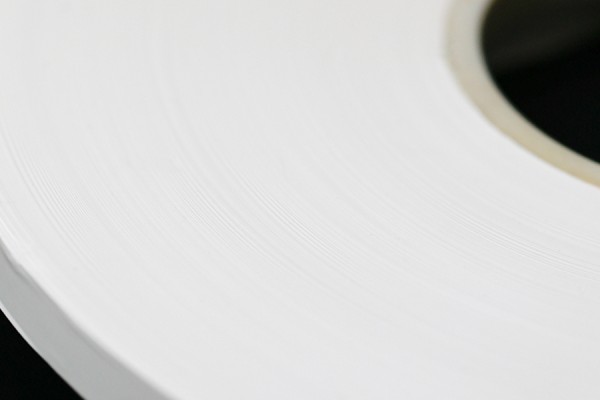
Durable PTFE Film for Electrical Systems
PTFE high-speed cable films offer significant advantages for electrical systems due to their remarkable durability. The combination of a high-strength composite structure and lightweight design allows for easy incorporation into various applications. These films withstand extreme temperatures, ensuring stability in both high and low environments, making them ideal for aerospace and automotive industries. With their impressive wear resistance, PTFE films maintain integrity even under mechanical stress, protecting the underlying electrical components. also, their low thermal expansion coefficient contributes to reliable signal transmission without distortion. The unique micro-perforated design not only aids in reducing dielectric constants but also enhances flexibility, providing ease during installation processes. Overall, PTFE cable film stands out in modern electrical systems by delivering both performance and reliability under demanding conditions.
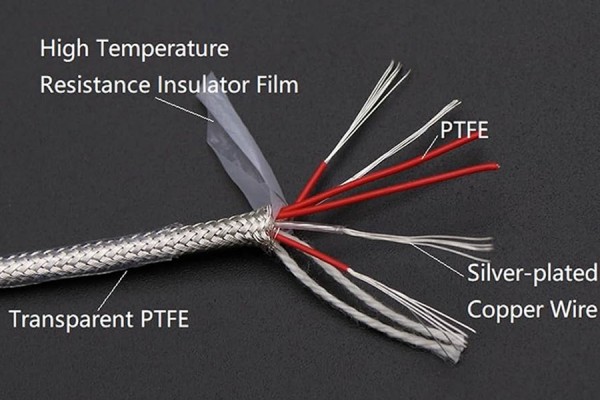
new Materials for High-Speed Wiring
The use of advanced materials like PTFE in high-speed wiring has transformed the electrical industry. PTFE high-speed cable film offers unique properties that boost performance across various applications. Its lightweight nature facilitates easier handling and installation, making it a preferred choice for many engineers. furthermore, the film’s low dielectric constant is especially beneficial for applications in RF and microwave communication, where signal integrity is paramount.
Moreover, the material’s exceptional heat resistance allows it to maintain functionality in extreme environments, further solidifying its position in aerospace and automotive sectors. The flexibility of PTFE ensures that cables can bend and adapt without compromising performance, vital for complex wiring scenarios. These new qualities provide reliability and efficiency in data transmission while meeting the stringent demands of modern electrical systems. Overall, utilizing PTFE not only improves wiring solutions but also addresses the challenges faced by traditional materials under extreme conditions.
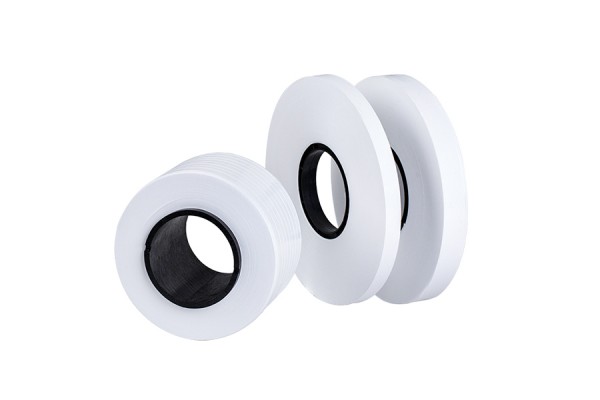
Reliable transmission in Extreme Conditions
PTFE high-speed cable film stands out for its remarkable capability to maintain signal integrity in extreme conditions. With a temperature stability range that endures from -200°C to +260°C, it effectively safeguards electrical systems against thermal fluctuations. This feature is important for applications in sectors such as aerospace and automotive, where equipment often operates under intense heat or freezing temperatures. The lightweight and thin design of PTFE film does not compromise its robust shielding performance, allowing it to prevent electromagnetic interference while ensuring minimal signal loss. furthermore, the film’s flexibility enhances its adaptability in various installation scenarios, promoting reliable connections even in tight or irregular spaces. By resisting chemical degradation and high temperatures, PTFE high-speed cable film proves itself essential for efficient transmission in demanding environments like data centers and telecom infrastructure, where consistent performance is non-negotiable.
important Benefits of PTFE Cable Film
PTFE high-speed cable film offers several important advantages key for various electrical applications. Its exceptional heat resistance allows it to maintain performance in extreme temperatures from -200°C to +260°C, making it suitable for demanding environments. The film’s lightweight yet durable construction ensures ease of handling and installation, while its thin design helps minimize space in high-density wiring systems. Another significant benefit is its excellent shielding capabilities, which reduce electromagnetic interference and ensure reliable signal transmission even in complex electronic setups. The flexibility of PTFE film further enhances its utility, allowing it to adapt to varying installation conditions without compromising integrity. also, PTFE’s chemical inertness contributes to longevity and reliability in corrosive or harsh environments, such as those found in aerospace or automotive applications. Overall, these attributes combined ensure the optimal functionality and efficiency of electrical systems that rely on this high-performance cable insulation solution.
Manufacturing excellence and Quality Standards
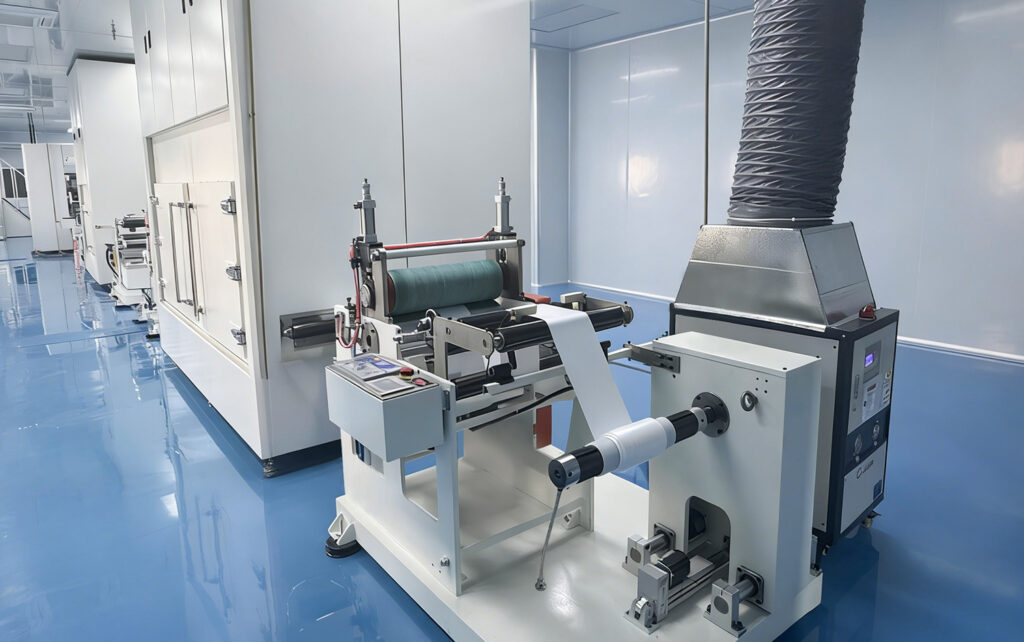
The manufacturing process of Guangrou PTFE high-speed cable film emphasizes precision and quality at every stage. Advanced techniques are employed to maintain strict adherence to the set quality criteria, including evaluating thermal expansion, structure, temperature resistance, thickness, shielding performance, and attenuation. By focusing on these main factors, the film achieves a low thermal expansion coefficient that enhances reliability during transmission. Utilizing a high-strength composite structure, the film showcases excellent tensile and wear resistance while remaining lightweight for efficient processing. The rigorous quality assurance processes help ensure that each roll of cable film meets industry standards for high-temperature applications. Furthermore, constant innovation in materials science contributes to the durability and effectiveness of the PTFE film in challenging environments such as aerospace and automotive sectors. Overall, a commitment to excellence promotes consistent performance in demanding electrical applications, enabling effective signal transmission under extreme conditions.
Conclusion
PTFE high-speed cable film plays a important role in modern electrical applications thanks to its unique properties. Whether in extreme temperature environments or complex electronic setups, it ensures reliable signal transmission and maintains integrity. Its durability against mechanical and thermal stresses makes it an ideal choice for industries such as aerospace and automotive, where performance is critical. The film’s flexibility aids installation in tight spaces, allowing for seamless integration into existing systems. Moreover, as technologies continue to advance, the demand for materials that provide efficient heat resistance and electromagnetic shielding will only increase. With ongoing innovations in material science, PTFE cable film remains at the forefront of high-performance wiring solutions, adapting to meet the evolving needs of electrical systems across diverse sectors.
FAQs
What are the main benefits of using PTFE high-speed cable film?
The benefits include exceptional heat resistance, lightweight construction, excellent shielding capabilities, and flexibility for easy handling and installation.
In what industries is PTFE high-speed cable film commonly used?
It is widely used in aerospace, automotive, telecommunications, and data centers where reliable signal transmission is important.
How does PTFE cable film improve signal integrity?
Its low dielectric constant and effective shielding against electromagnetic interference help maintain signal clarity even in challenging conditions.
What temperature range can PTFE high-speed cable film endure?
The film can withstand temperatures ranging from -200°C to +260°C, making it suitable for extreme environments.
Is the installation process complicated for PTFE cable films?
No, the lightweight and flexible nature of PTFE cable films simplifies installation, allowing for easy manipulation in tight spaces.