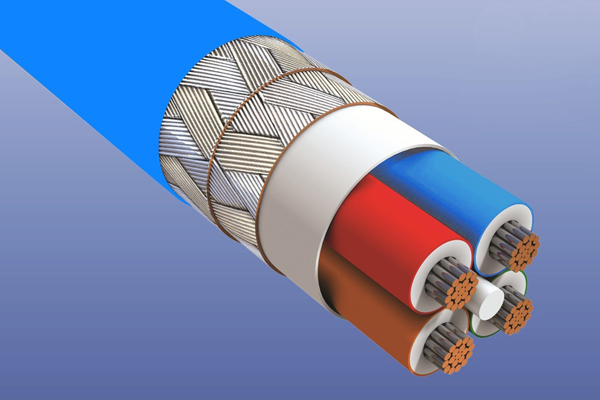
important Takeaways
PTFE raw material tape is essential across various industries due to its unique properties. Its exceptional thermal resistance and low dielectric loss are increasingly sought after for high-frequency applications. This tape ensures reliable signal transmission in RF coaxial cables, significantly enhancing data integrity. furthermore, its chemical resistance makes it suitable for challenging environments, promoting longevity in demanding applications like aerospace and telecommunications. When selecting PTFE tape, it’s main to match the specific application needs with its properties, ensuring compatibility with the operational conditions. By understanding these important characteristics and choosing the right type of PTFE tape, businesses can optimize performance outcomes across diverse industries, addressing the challenges posed by modern technology effectively.
Applications of PTFE Raw Material Tape
PTFE raw material tape finds extensive use across multiple industries due to its versatile properties. In telecommunications, High speed Transmission line PTFE wrapping tape is main for ensuring signal integrity in RF coaxial cables, effectively insulating against high-frequency interference. The unique attributes of PTFE wrapping film, such as low dielectric loss and exceptional thermal stability, make it suitable for applications requiring reliable performance under varying temperature conditions. Furthermore, PTFE Thread Seal Tape is utilized in plumbing and sealing applications where resistance to chemicals and high temperatures is essential, making it an ideal choice for valves and fittings. In industrial contexts, PTFE cable wrapping tape is applied for coating high-speed cables, ensuring they can withstand intense operational demands without compromising on performance. furthermore, DAC high-speed cable wrapping film and AEC high-speed cable wrapping film are employed in aerospace industries to improve the reliability of wiring harnesses. The broad range of applications demonstrates the adaptability of PTFE materials across diverse fields requiring advanced solutions for both insulation and protection.
High thermal resistance in PTFE Tapes
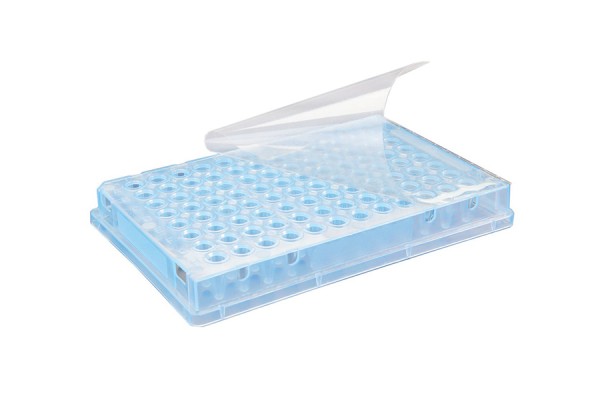
PTFE tapes exhibit impressive thermal resistance, maintaining stability across a broad temperature range from -150°C to 260°C. This characteristic makes them exceptionally suitable for high-frequency applications where thermal fluctuations can impact performance. In environments where heat dissipation is critical, such as in microwave communications and RF applications, PTFE’s ability to withstand high temperatures without degrading ensures reliable functionality. The unique molecular structure of PTFE contributes to its thermal properties, allowing it to resist changes in electrical characteristics even under extreme conditions. This resilience not only enhances the longevity of installations but also supports consistent signal integrity important in high-speed data transmission. As industries search for materials that meet rigorous thermal demands, PTFE stands out as a top choice for applications ranging from aerospace to telecommunications.
Benefits of Low Dielectric Loss Tape
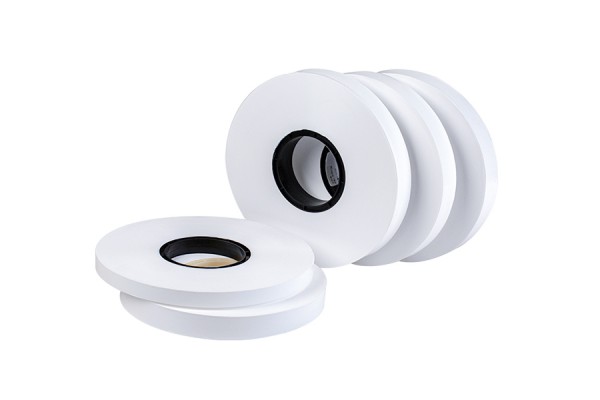
Low dielectric loss tape offers significant advantages for high-frequency applications, making it an essential component in various industries. This type of tape minimizes the loss of signal during transmission, ensuring that energy is efficiently conserved and that signal integrity is maintained. The reduced dielectric loss leads to improved performance in RF applications, where even minor losses can impact overall functionality. also, low dielectric loss tape contributes to stability across a wide frequency range, accommodating the demands of modern technology where high-speed communication is critical. PTFE’s inherent properties allow it to withstand extreme conditions while maintaining its performance, further solidifying its role as a reliable insulator in high-frequency environments. This combination of efficiency and reliability positions low dielectric loss tape as a go-to solution for manufacturers seeking optimal performance in their RF coaxial cables and other related applications.
PTFE Tapes for RF Cable Insulation
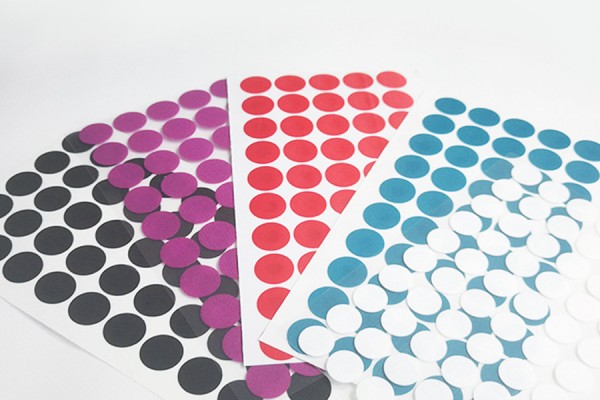
PTFE tapes serve a vital role in the insulation of RF coaxial cables, primarily due to their remarkable thermal resistance and low dielectric loss. These properties ensure that the tapes maintain performance across varying temperatures while minimizing signal degradation. The unique fibrous micro-void structure of PTFE offers an effective barrier, allowing RF signals to transmit with reduced interference and maintaining signal integrity. This characteristic is particularly important in applications where reliable data transmission is critical, such as in telecommunications and data centers. Moreover, the chemical resistance of PTFE makes these tapes suitable for high-demand environments where exposure to harsh substances could compromise cable integrity. As industries increasingly require high-frequency solutions, PTFE tapes stand out for their ability to optimize performance, ensuring cables can operate efficiently under rigorous conditions. Their versatility also extends to integration with other materials, enhancing their applicability in various industrial settings.
Versatility of PTFE in Various Industries
PTFE raw material tape finds application in diverse sectors due to its unique properties. In the telecommunications industry, it plays a vital role in ensuring dependable performance for high-speed data transmission, especially in RF coaxial cables. The aerospace sector utilizes PTFE for its lightweight nature and robustness, making it suitable for insulating components exposed to extreme conditions. also, the automotive industry embraces PTFE for gaskets and seals that resist temperature fluctuations and corrosive chemicals. In the medical field, PTFE tape is employed in surgical instruments and implants, reflecting its biocompatibility and ease of sterilization. The chemical processing industry benefits from its superior non-stick and chemical-resistant attributes, reducing equipment wear and enhancing longevity. Across all these applications, the adaptability of PTFE materials ensures they meet stringent industry standards while providing reliable solutions that improve operational efficiency.
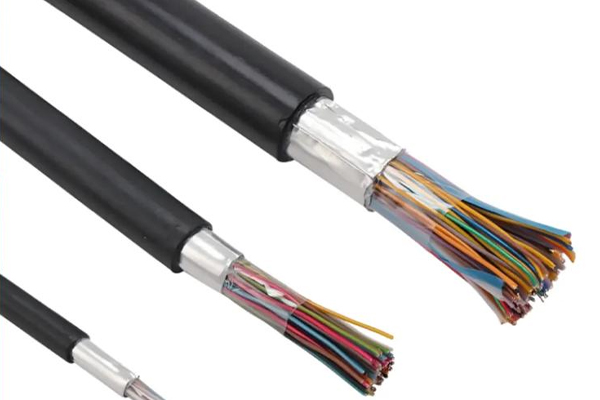
Enhancing performance with PTFE Materials
PTFE materials contribute significantly to enhancing the performance of various applications, particularly in high-frequency environments. Their important properties, such as low dielectric loss and high thermal resistance, create favorable conditions for efficient signal transmission. In RF applications, PTFE acts as an insulation material, minimizing energy loss and maintaining signal integrity. This results in more reliable data transfer across communication lines. Moreover, the durability of PTFE against extreme temperatures and harsh chemicals translates to a longer lifespan for electronic components. The distinct fibrous micro-void structure of PTFE materials improves their mechanical properties, allowing them to withstand stress without compromising performance. furthermore, as industries seek to innovate and push the boundaries of technology, integrating PTFE materials can lead to advancements in speed and efficiency in high-end devices.
main Properties of PTFE Raw Material Tape
PTFE raw material tape is renowned for its unique combination of properties that make it suitable for high-frequency applications. One of the primary features is its exceptional thermal resistance, allowing it to operate effectively across a wide temperature range, from -150°C to 260°C. This resilience ensures reliability in various environments, particularly in telecommunications and industrial applications. also, it exhibits a low dielectric loss characteristic, which minimizes signal degradation during transmission. The stable dielectric constant further contributes to the tape’s effectiveness as an insulator for RF coaxial cables. Its non-stick nature and corrosion resistance boost its durability, making PTFE an advantageous choice for coatings in chemical applications as well. These main properties not only support high-frequency performance but also extend the versatility of PTFE raw material tape across multiple industries, thus addressing a wide array of practical needs and challenges in modern technology.
Choosing the Right PTFE Tape for Your Needs
When selecting PTFE raw material tape, consider the specific requirements of your application. Different industries demand varying characteristics from their tapes, such as thermal resistance, dielectric properties, and mechanical strength. Assessing the operational environment is vital; for instance, high temperatures or exposure to chemicals will necessitate tapes with contrasting specifications. furthermore, consider dimensions and application methods. Some projects might require wider or thicker tapes for better insulation or structural integrity. Consulting with suppliers about their offerings can provide insights into which products might best suit your needs, ensuring compatibility with existing systems. Evaluating expert reviews and performance data also aids in making informed decisions that improve reliability and efficiency in high-frequency applications.
Conclusion
PTFE raw material tape stands out due to its versatile applications and unique properties, particularly in high-frequency environments. Its high thermal resistance and low dielectric loss ensure reliable performance across various settings, making it a preferred choice in industries such as telecommunications, aerospace, and automotive. The tape’s capacity to maintain signal integrity while insulating RF coaxial cables is vital for effective data transmission. Furthermore, PTFE’s resilience against extreme temperatures and chemicals enhances its longevity, making it a dependable option for demanding applications. As industries continue to evolve and require advanced solutions, PTFE raw material tape will play an important role in addressing emerging challenges. Choosing the right PTFE tape tailored to specific application needs can significantly improve performance outcomes across multiple sectors.
FAQs
What is PTFE raw material tape used for?
PTFE raw material tape is utilized for various applications, including insulating RF coaxial cables, sealing plumbing fittings, and ensuring reliability in high-frequency environments.
What are the main benefits of using PTFE tape?
PTFE tape offers high thermal resistance, low dielectric loss, and chemical resistance, making it suitable for demanding applications across different industries.
Can PTFE tape withstand high temperatures?
Yes, PTFE tape can operate effectively from -150°C to 260°C, maintaining its properties and performance under extreme thermal conditions.
Is PTFE tape suitable for use in the aerospace industry?
Absolutely. PTFE tape’s lightweight and durable characteristics make it an excellent choice for insulating components in aerospace applications exposed to extreme environments.
How do I choose the right PTFE tape for my project?
Consider the specific requirements of your application such as temperature range, chemical exposure, and dimensions. Consulting suppliers can also help ensure you find the most appropriate product.