
important Takeaways
Innovations in Teflon film technology offer essential benefits across multiple industries. These advancements have proven to improve performance and durability, enabling manufacturers to create products that withstand harsh conditions. Teflon films play a important role in enhancing the longevity of various applications, from automotive components to electronic devices. The ability of Teflon to reduce friction and resistance leads to notable efficiency gains in production processes. Its properties allow for easy cleaning and maintenance, further promoting operational effectiveness. As industries continue to adopt these technologies, the impact on overall productivity becomes clear. The integration of Teflon films into modern manufacturing processes not only supports sustainability efforts but also fosters the development of original solutions tailored to meet changing consumer demands.
Advancements in Teflon Film Technology
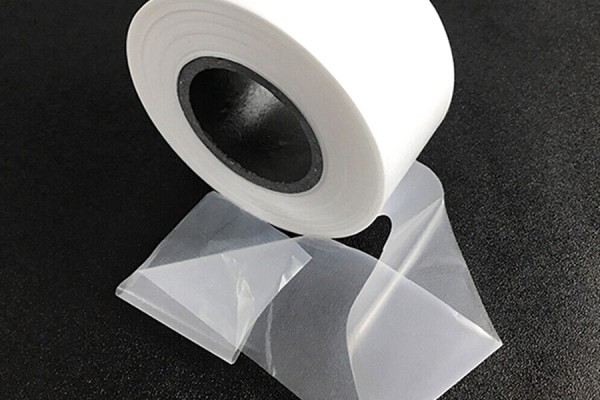
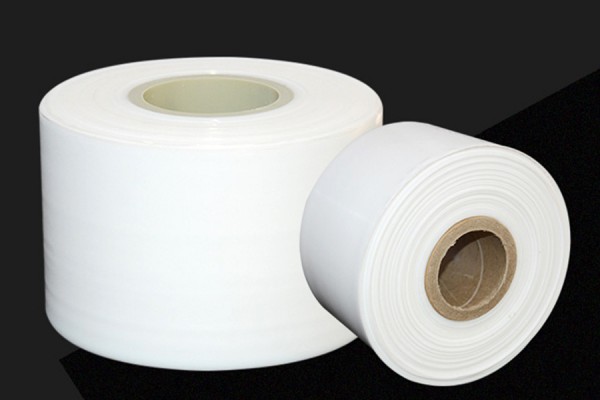
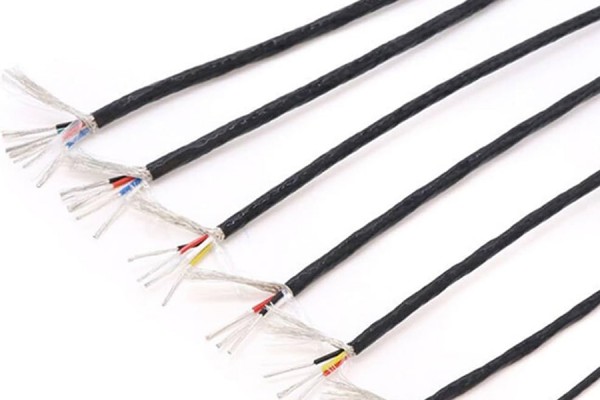
Recent developments in Teflon film technology display significant enhancements that improve various industrial applications. Innovations, such as high speed transmission line PTFE wrapping tape and PTFE wrapping film, are specifically designed to withstand demanding environments, providing solutions that ensure reliability and performance. These advancements contribute to the production of versatile materials like PTFE Thread Seal Tape and PTFE cable wrapping tape, which are essential for effective sealing and protection in electrical systems. Furthermore, the introduction of DAC high-speed cable wrapping film, AEC high-speed cable wrapping film, AOC high-speed cable wrapping film, and ACC high-speed cable wrapping film reflects a trend toward optimizing performance for high-speed and high-frequency requirements. This evolution not only enhances product quality but also extends the longevity of applications in various sectors. The continuous improvement in Teflon films illustrates their vital role in advancing efficiency and durability across multiple industries.
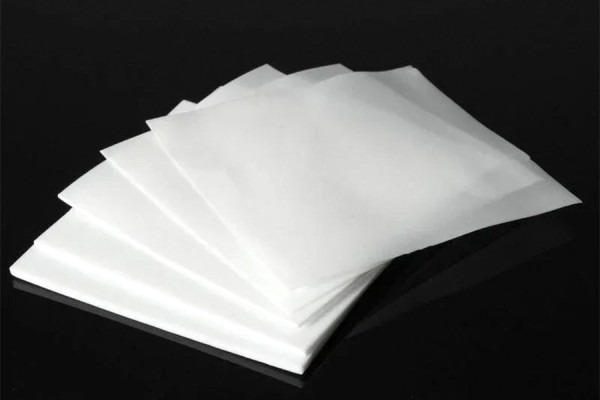
Benefits of Teflon in Manufacturing
Teflon plays a main role in manufacturing due to its unique properties that improve production efficiency. Its non-stick surface reduces friction, allowing for easier release of products from molds and decreasing material waste. Moreover, Teflon’s chemical resistance protects manufacturing equipment from harsh substances, thus extending its lifespan and reducing maintenance costs. The durability of Teflon also ensures that it withstands extreme temperatures without degrading, making it suitable for various processes, including those involving heat and pressure. also, Teflon films contribute to energy savings by improving insulation properties in machinery. The versatility of Teflon enables its use across diverse industries, refining the production process and boosting overall productivity. As manufacturers seek sustainable solutions, the integration of Teflon continues to demonstrate its utility in optimizing operations while maintaining high standards of quality.
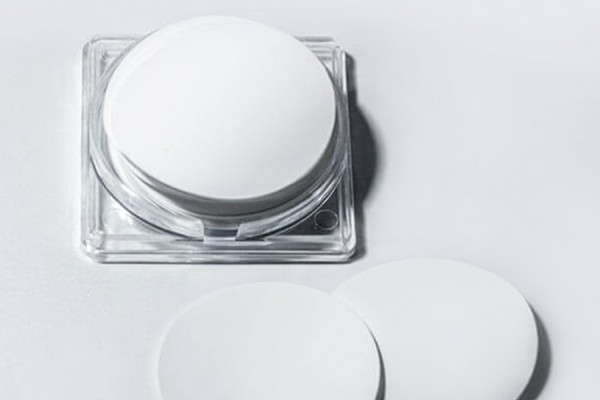
Enhancing durability with Teflon Films
Teflon films are recognized for their important role in increasing the durability of products across various industries. Their outstanding resistance to chemicals and high temperatures ensures that manufactured items can withstand harsh environments without degradation. For instance, in the electronics sector, Teflon films protect important components from moisture and dust, prolonging their lifespan significantly. Similarly, in the automotive industry, these films can shield exposed surfaces from wear and tear caused by friction and corrosive substances. The unique properties of Teflon also prevent adhesion, which is particularly advantageous in applications where parts need to maintain a clean separation under extreme conditions. Beyond merely enhancing product longevity, Teflon films contribute to maintaining optimal performance by ensuring that equipment operates smoothly without interruptions caused by material failure. The integration of Teflon technology is a strategic choice that supports the overall reliability of finished products.
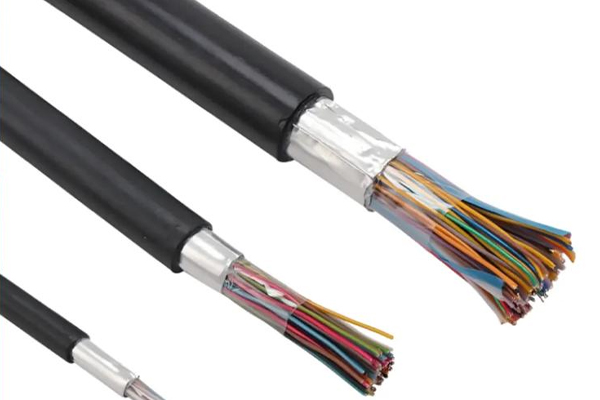
Teflon films revolutionizing industries
teflon films are transforming various sectors by offering unique properties that improve overall functionality. In the electronics industry, these films serve as critical insulation materials, ensuring reliability and safety in wiring applications. Their exceptional chemical resistance makes them ideal for use in corrosive environments, which is especially beneficial in chemical processing. Furthermore, Teflon films improve performance in the automotive sector by providing lightweight components that contribute to better fuel efficiency. The ability of Teflon to withstand high temperatures allows for its incorporation into advanced manufacturing techniques, such as 3D printing. Companies increasingly integrate these films into packaging solutions, resulting in enhanced product protection and shelf life. This shift not only meets the escalating demand for durability but also supports sustainability initiatives by reducing waste in production processes. Teflon films are emerging as a important player in improving the efficiency and reliability across diverse industries, underlining their importance in modern manufacturing strategies.
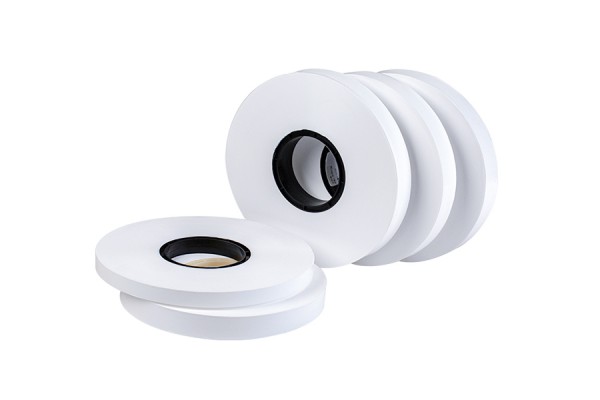
Efficiency improvements with Teflon Film
Teflon film significantly improves efficiency across various manufacturing processes. Its low friction properties reduce wear and tear on machinery, leading to lower maintenance costs and extended equipment lifespan. The film’s resistance to chemicals and extreme temperatures also allows for smoother operations in challenging environments, minimizing downtime. In industries where speed and precision are critical, Teflon films enable faster production rates without compromising on quality. furthermore, their lightweight nature contributes to energy savings in transportation and handling. As companies increasingly focus on sustainability, the durability of Teflon films results in less waste over time, promoting environmentally friendly practices while maintaining high productivity levels. This combination of durability and efficiency positions Teflon film as a main component for modern industrial applications, driving innovation in process optimization.
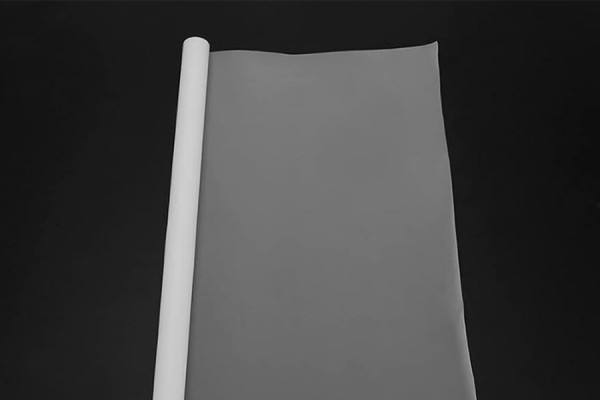
Applications of Teflon in Modern Industry
Teflon plays a significant role across various sectors, from aerospace to electronics. In the aerospace industry, Teflon films are vital for insulation and as protective barriers against extreme temperatures, enhancing the safety and performance of aircraft components. In electronics, Teflon’s low dielectric constant makes it ideal for insulating cables and circuit boards, boosting signal integrity and longevity. The automotive sector benefits from Teflon’s non-stick properties, leading to improved fuel efficiency by reducing friction in moving parts. also, food processing industries utilize Teflon-coated surfaces to ensure easy cleanup and minimal sticking during production. Its versatility extends to medical applications as well; Teflon’s biocompatibility enables its use in various medical devices and implants, promoting patient safety and product reliability. Each application highlights Teflon’s ability to improve durability, efficiency, and overall performance in modern manufacturing processes.
Teflon film innovations for Performance
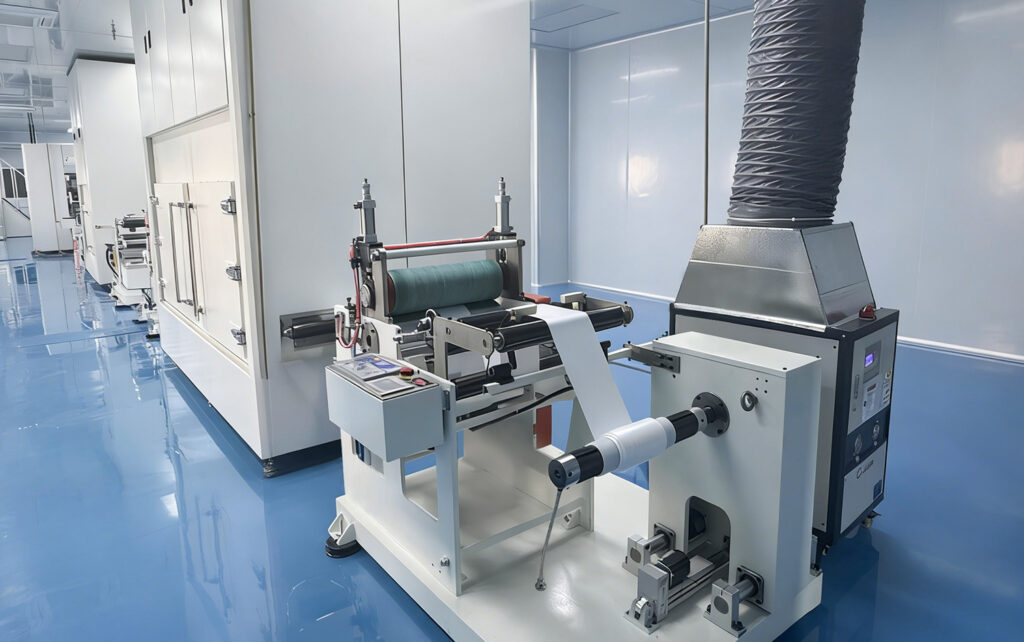
The advancements in Teflon film technology are driving significant improvements in performance across various applications. These films are engineered to deliver remarkable heat resistance and chemical stability, which are essential for industries that require materials to withstand harsh environments. The unique non-stick properties of Teflon films reduce friction, which not only enhances functionality but also extends the lifespan of machinery and components. This innovation is particularly impactful in the manufacturing sector, where operational efficiency is paramount. The introduction of multi-layered Teflon films further boosts performance by combining different properties, such as electrical insulation and thermal stability, making them suitable for specialized applications. As industries increasingly prioritize sustainability, Teflon films contribute by enabling more efficient processes that minimize waste. Their role in enhancing the overall reliability and efficiency of products underscores the significant potential of Teflon technology in modern manufacturing practices.
Impact of Teflon on Product Longevity
Teflon films play a significant role in extending the lifespan of various products across multiple industries. Their chemical resistance prevents degradation from harsh environments, ensuring that components maintain their structural integrity. For instance, Teflon’s low friction properties reduce wear and tear in mechanical applications, leading to longer operational life. also, products coated with Teflon exhibit superior resistance to heat and corrosion, which is essential for electronics and automotive components. Manufacturers increasingly turn to Teflon films not only to improve performance but also to reduce maintenance costs associated with frequent repairs or replacements. This combination of durability and reliability means that products utilizing Teflon can perform consistently over time, making them an ideal choice for long term applications in sectors such as aerospace, pharmaceuticals, and food processing.
Conclusion
the advancements in Teflon film technology have created significant opportunities across various industries. These innovations not only improve product performance but also improve durability and efficiency. Manufacturers can leverage Teflon films to reduce wear and tear in equipment and extend the lifespan of products. As industries continue to adopt these materials, we can expect to see ongoing improvements in operational processes and cost savings. The interaction between Teflon films and modern manufacturing practices illustrates the importance of material advancements in driving industrial evolution. As companies seek to meet growing demands for quality and efficiency, Teflon will likely play a central role in shaping the future situation of production technologies.
FAQs
What is Teflon film?
Teflon film is a thin layer of polytetrafluoroethylene (PTFE) that offers exceptional chemical resistance and a low friction surface, commonly used in various industrial applications.
How does Teflon film improve manufacturing processes?
Teflon film enhances manufacturing by providing a durable barrier that reduces friction, minimizes wear and tear on machinery, and extends the life of equipment.
What are the main benefits of using Teflon films in industries?
main benefits include increased efficiency, improved coating properties, enhanced product longevity, and resistance to high temperatures and corrosive substances.
In what applications is Teflon film commonly used?
Teflon films are utilized in aerospace, automotive, food processing, electronics, and medical devices for insulation, protection, and performance enhancement.
How do advancements in Teflon film technology impact product performance?
Innovations in Teflon technology lead to superior heat resistance, better adhesion properties, and enhanced durability, significantly improving overall product performance across various industries.