important Takeaways
ePTFE membranes combine unique properties that cater to various industrial needs, showcasing their versatility and reliability. Their porous structure allows gas permeability while effectively blocking liquids and particulates, making them ideal for applications where moisture control is critical. The lightweight and chemically stable nature of ePTFE ensures long-lasting performance across environments that require durability, such as construction, electronics, and biopharmaceuticals. furthermore, the membranes’ ability to withstand harsh chemicals without degrading enhances their value in industries that demand strict compliance with safety and quality standards. The continuous advancements in ePTFE membrane technology further push the boundaries of their application, ensuring they remain relevant in evolving industrial landscapes. As industries face increasing challenges, ePTFE membranes offer practical solutions that improve efficiency and maintain product integrity across a broad spectrum of applications.
The breakthrough properties of ePTFE Membranes
ePTFE membranes stand out because of their unique properties that make them suitable for a variety of industrial applications. Their porous structure allows for excellent gas permeability while effectively blocking liquid and particulate contaminants. The minimal pore size, often at 0.1 microns, ensures that moisture vapor can escape while larger molecules are retained. This makes ePTFE membranes especially effective in waterproofing applications and environments where chemical exposure is common.
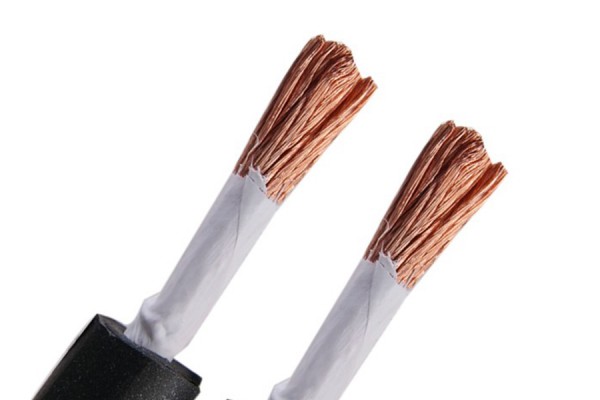
In electronics, features like low dielectric constant improve signal transmission, and PTFE cable wrapping tape is important in protecting high-speed transmission lines. furthermore, PTFE wrapping film and PTFE Thread Seal Tape ensure tighter seals and effective isolation from external elements, making them significant in various manufacturing processes. The ability to incorporate ePTFE into high-speed cables with products such as DAC high-speed cable wrapping film and AEC high-speed cable wrapping film promotes reliability in telecommunications and aerospace systems. Overall, the versatility of ePTFE membranes plays a important role in advancing technology across multiple sectors.
Industrial use cases of ePTFE Membranes
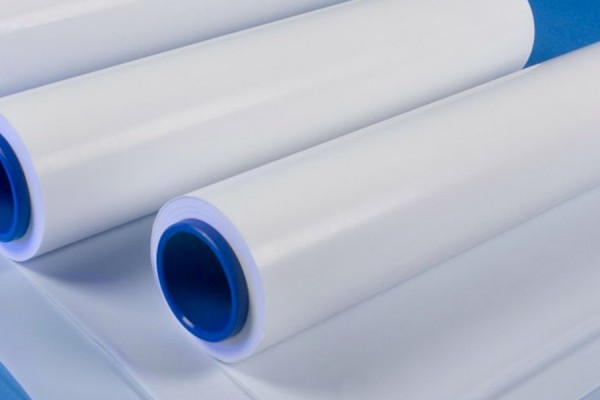
ePTFE membranes find extensive application across multiple industries due to their unique properties. In the construction sector, they are used for roofing and weatherproofing, ensuring buildings remain protected from moisture while allowing vapors to escape. In the automotive industry, these membranes serve in gaskets and seals, enhancing durability against various environmental factors. The biopharmaceutical field utilizes ePTFE in sterile filtration processes, where they effectively separate contaminants from liquids while maintaining the integrity of sensitive formulations. also, their role in the aerospace sector cannot be overlooked; ePTFE membranes contribute to lightweight designs while providing important protection against harsh atmospheric conditions. Furthermore, in electronics, these membranes aid in protecting sensitive components from dust and moisture, facilitating reliable performance in devices such as smartphones and communication equipment. Overall, the versatility of ePTFE membranes is evident as they adapt to meet diverse industrial needs while improving efficiency and product longevity.
How ePTFE Membranes boost Performance
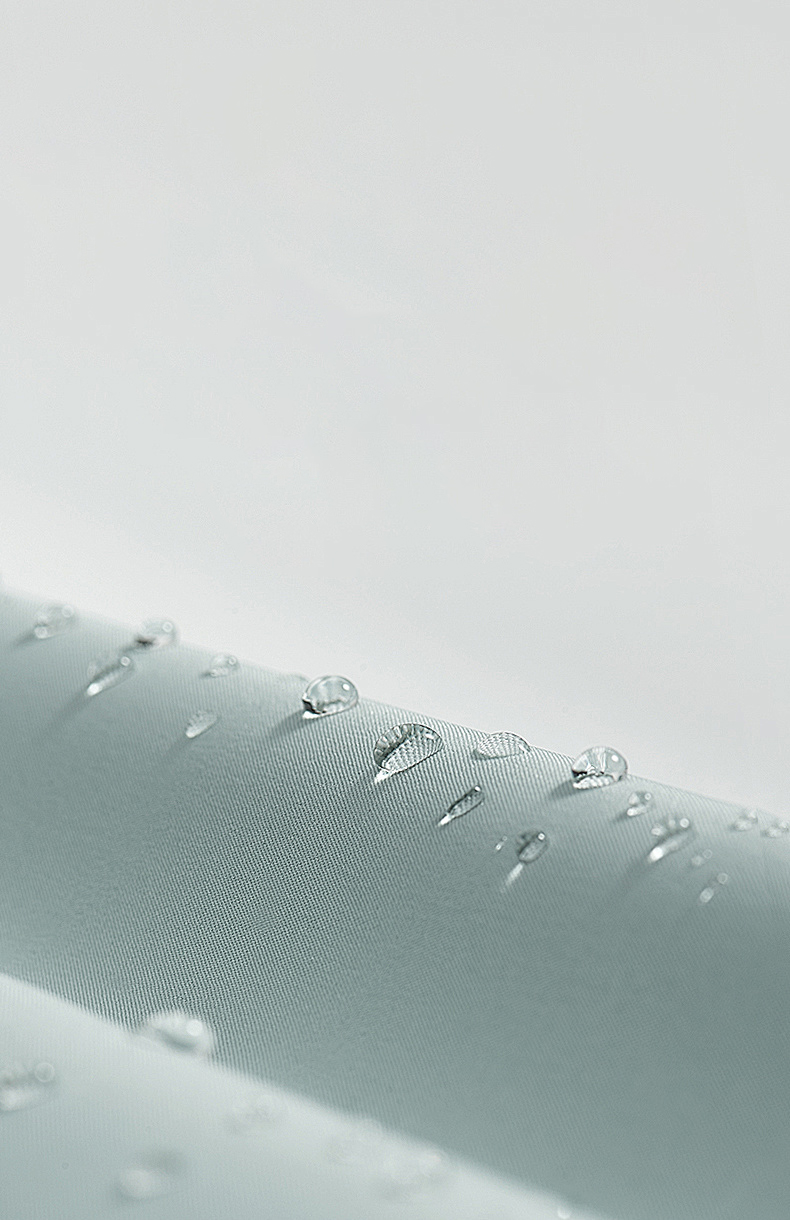
ePTFE membranes significantly improve performance across various applications by combining their unique properties with specific industrial needs. Their high permeability allows for optimal gas exchange while maintaining resistance to liquids and contaminants, making them ideal for filtration processes. In environments where chemical exposure is a concern, the robust chemical stability of ePTFE ensures longevity and reliability, reducing maintenance and operational costs. furthermore, the lightweight nature of these membranes contributes to energy efficiency in applications such as HVAC systems and automotive components. By enabling finer particle filtration and sound insulation, ePTFE membranes play a vital role in enhancing product integrity in industries like biopharmaceuticals and electronics. These enhancements directly impact the end-user experience by ensuring higher quality outputs and increased safety in diverse environments. Furthermore, innovations in membrane technology are continuously advancing their capabilities, leading to even greater efficiency gains across sectors reliant on these essential materials.
ePTFE Membranes in Waterproofing Applications
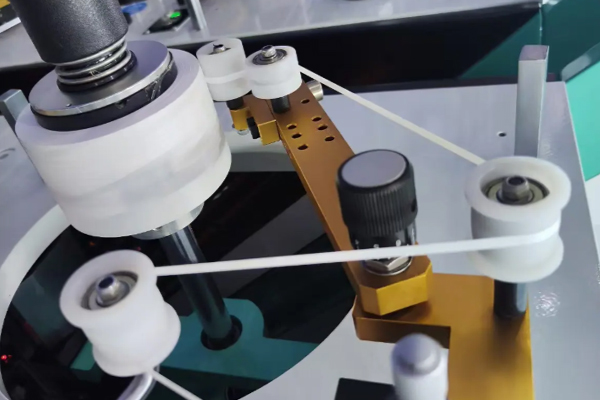
ePTFE membranes excel in waterproofing applications due to their unique structure and properties. With a pore size of just 0.1 microns, these membranes allow water vapor to escape while effectively blocking liquid water, making them ideal for use in environments where moisture control is critical. This capability is particularly useful in industries such as construction and textiles, where ePTFE membranes are employed to protect materials from water damage while maintaining breathability. Furthermore, the chemical stability of ePTFE contributes to its durability, allowing it to withstand harsh chemicals and extreme temperatures without degrading. As a result, these membranes are used not only in outdoor gear but also in architectural applications, ensuring that buildings remain dry and insulated from the elements. Their long-lasting performance and reliability make them a preferred choice for many industrial waterproofing solutions.
The role of ePTFE in Electronics
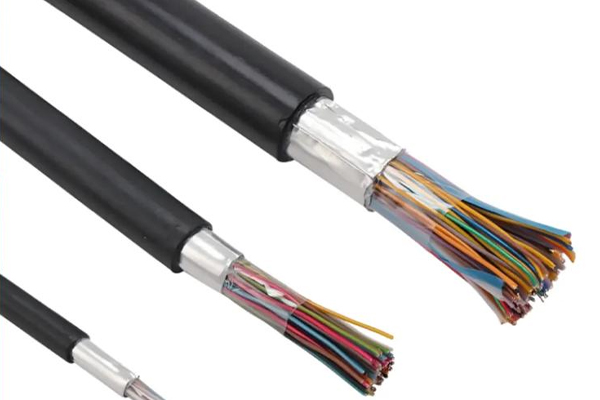
ePTFE membranes play an important role in the electronics sector, where their unique characteristics are essential for various applications. Their low dielectric constant and low loss factors make ePTFE ideal for high-speed signal transmission, allowing devices to operate efficiently without loss of quality. These membranes are employed in connectors, cables, and other essential components to ensure reliable performance. also, the chemical stability of ePTFE means it can withstand harsh environmental conditions without degrading, thus securing the integrity of sensitive electronic equipment. Their waterproofing abilities further protect components from moisture and contaminants, extending the lifespan of electronic devices. As industries continue to embrace advanced technology like 5G and aerospace systems, ePTFE membranes serve as a critical component in maintaining functionality and enhancing device performance amidst evolving demands. The interaction between ePTFE membranes and electronic elements showcases their versatility and effectiveness across a range of cutting-edge applications.
Innovations in ePTFE Membrane Technology
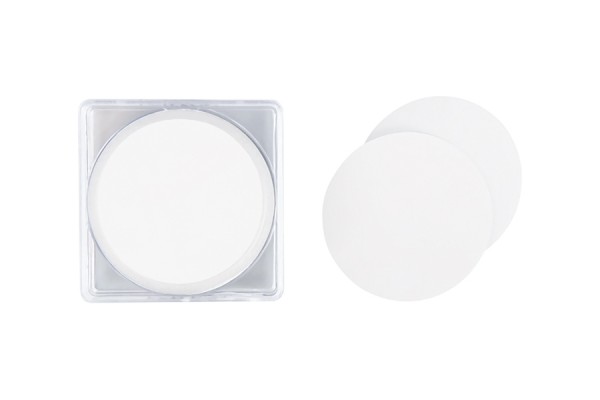
Recent advancements in ePTFE membrane technology have led to significant improvements in performance and versatility. Manufacturers are now able to produce membranes with enhanced pore structures that fine-tune gas and liquid permeability while maintaining their chemical resistance. This has expanded their application range across various industries. Moreover, the integration of nanotechnology in the production process has resulted in membranes with improved mechanical strength and durability, capable of withstanding extreme environmental conditions. Innovations such as surface modification techniques have further optimized these membranes for specific uses, including anti-fogging and self-cleaning properties. furthermore, the development of composite membranes, which combine ePTFE with other materials, allows for tailored solutions that meet precise industry requirements. These advancements not only improve functionality but also offer cost-effective solutions for manufacturers looking to improve product performance without compromising quality.
Understanding ePTFE Chemical Stability
ePTFE membranes are renowned for their exceptional chemical stability, which makes them suitable for various demanding industrial applications. The unique structure of expanded polytetrafluoroethylene allows these membranes to withstand corrosive environments without degrading. This resilience is particularly beneficial in industries such as pharmaceuticals and food processing, where contamination and product integrity are of utmost importance. The chemical inertness of ePTFE means it does not react with most industrial chemicals, including strong acids and bases. This characteristic is critical when the membranes are used in processes that involve aggressive solvents or other reactive substances. Furthermore, the ability of ePTFE to maintain its integrity under extreme temperatures adds to its versatility across different manufacturing sectors. As industries continue to seek materials that offer durability and reliability, the consistent performance of ePTFE membranes is an asset, ensuring both safety and efficiency in various operational contexts.
ePTFE in Biopharmaceutical Industries
ePTFE membranes play a main role in biopharmaceutical manufacturing due to their exceptional chemical stability and resistance to a variety of solvents. These membranes can effectively filter out contaminants while allowing for the passage of gases, which is important in sterile processing environments. Their microporous structure ensures that harmful particles and microbes are kept at bay, thus maintaining product integrity. In addition, ePTFE membranes are resistant to the corrosive substances often found in biopharmaceutical settings, such as acids and solvents.
The durability of ePTFE allows for long-lasting performance in high-demand applications, reducing the need for frequent replacements and maintenance. They are widely used in the production of vaccines, biologics, and therapeutic proteins, where adherence to strict regulatory standards is non-negotiable. By employing ePTFE membranes, companies can improve their filtration processes while ensuring compliance with industry guidelines. Furthermore, these membranes can be utilized in various stages of production, from upstream processing to final filtration steps, highlighting their versatility across different phases of biopharmaceutical development.
Conclusion
ePTFE membranes exemplify a blend of properties that cater to a broad array of industrial needs. Their remarkable versatility stems from their high porosity, chemical inertness, and stability under various conditions. Industries ranging from construction to biopharmaceuticals benefit significantly from these membranes, as they improve efficiency and product quality. Further advancements in membrane technology promise to unlock new applications, sustaining the relevance of ePTFE in an evolving market. As industries increasingly demand reliable solutions for complex challenges, ePTFE membranes are likely to remain critical components in ensuring performance and safety across diverse sectors. The ongoing development and integration of these membranes into novel applications demonstrate their growing importance in modern technology.
FAQs
What are ePTFE membranes?
ePTFE membranes are porous membranes made from expanded polytetrafluoroethylene, known for their exceptional gas permeability while blocking liquids and contaminants.
What industries utilize ePTFE membranes?
ePTFE membranes are widely used in construction, automotive, biopharmaceuticals, aerospace, and electronics due to their durability and performance characteristics.
How do ePTFE membranes boost waterproofing?
Their small pore size allows water vapor to escape while preventing liquid water penetration, making them ideal for moisture control in various applications.
What is the chemical stability of ePTFE?
ePTFE is chemically inert and resistant to most industrial chemicals, which allows it to maintain its integrity in harsh environments without degrading.
Can ePTFE membranes be used in electronics?
Yes, ePTFE membranes support efficient high-speed signal transmission and protect sensitive components from moisture and contaminants.